Headache
Reviewed by medical experts · For informational purposes only
Introductory summary
Headache correlates with the Ayurvedic condition Shiroroga or Shirahshula characterized by pain in the cranial region. It primarily arises from the vitiation of Vata dosha often combined with Pitta or Kapha which obstructs the channels in the head. Common causes include suppression of natural urges like sneezing or tears sleeping during the day and exposure to cold wind or alcohol. Ayurveda classifies headaches into eleven types including Ardhavabhedaka known as migraine and Suryavarta where pain follows the suns movement. Management focuses on Shodhana therapies specifically Nasya or nasal administration which is considered the gateway to the head. Procedures like Shirodhara and Shirovasti using medicated oils are highly effective while topical pastes and a diet rich in milk and ghee help alleviate pain.
Headache
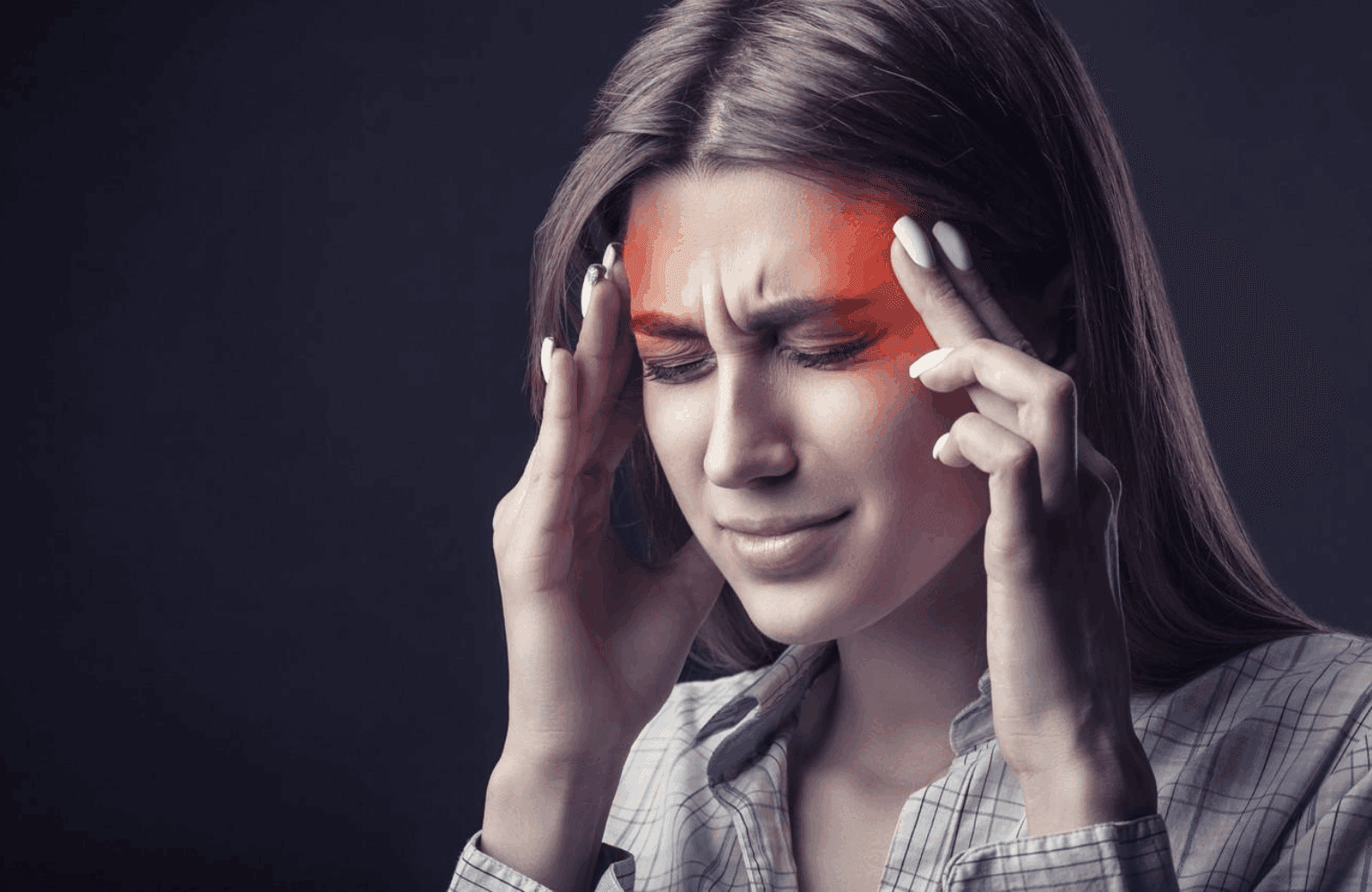
Headache is one of the most common health complaints globally. In Ayurveda, it is termed Shiroroga (Disease of the Head) or Shirahshula (Head Pain). Ayurveda considers the head (Shira) as the "Root" of the body (Uttamanga), where vital life energies (Prana) and sense organs reside. Headaches are not just symptoms but can be specific disease entities caused by the vitiation of Doshas (Vata, Pitta, Kapha) and blood (Rakta) in the head region.
1. Definition
Modern Definition: Pain in any region of the head, which may occur as a migraine, tension-type headache, or cluster headache.
Ayurvedic Definition: Shiroroga refers to a group of diseases affecting the head, characterized primarily by Shula (pain). It involves the vitiation of the Vata dosha (associated with pain) alone or in combination with other doshas, affecting the nerves and tissues of the scalp and cranium.
2. Etymology & Conceptual Meaning
-
Literal Meaning:
-
Conceptual Interpretation: The head is the seat of the senses (Indriyas) and the control center of the body. When the channels (Srotas) carrying vital fluids and energies to the head are obstructed by aggravated Doshas (mainly Vata), it creates pressure and pain, resulting in Shiroroga.
3. Causes (Nidana)
The causes are multifactorial, involving diet, environmental changes, and suppression of natural urges.
-
Dietary Causes:
-
Excessive intake of sour, heavy, and green (unripe) foods
-
Consumption of alcohol (Madya) and oil
-
-
Lifestyle Causes:
-
Vegadharana: Suppression of natural urges (sneezing, yawning, tears, sleep)
-
Divaswapna: Sleeping during the day
-
Purovata: Exposure to breeze/wind
-
Atimaithuna: Excessive sexual intercourse
-
Excessive weeping or suppression of tears
-
-
Environmental Factors: Exposure to dew, fog, and excessive cold
4. Journey of the Disease (Pathogenesis / Samprapti)
-
Samprapti Ghataka (Components):
-
Dosha: Vata is primary; often combined with Pitta (burning) or Kapha (heaviness)
-
Dushya: Rakta (Blood) and Mamsa (Muscles)
-
Adhisthana: Shira (Head)
-
-
Pathogenesis: Etiological factors like suppressing sneezes or cold exposure aggravate Vata, which travels upward (Urdhvaga) to the head, vitiating blood (Rakta) and obstructing channels, leading to pain. Pitta involvement → burning sensation; Kapha → heaviness.
5. Symptoms (Lakshana)
-
Vataja: Intense, throbbing pain; relieved by bandage & heat
-
Pittaja: Burning (Daha), heat in head, redness of eyes, relieved by cold
-
Kaphaja: Heaviness (Gaurava), numbness, dull pain
-
Sannipataja: Mixed symptoms
6. Different Types / Classification (Bheda)
Madhava Nidana classifies Shiroroga into 11 types:
- Vataja
- Pittaja
- Kaphaja
- Sannipataja
- Raktaja
- Kshayaja
- Krimija
- Suryavarta
- Anantavata
- Ardhavabhedaka
- Shankhaka
7. Diagnosis
-
Ayurvedic Diagnosis / Roga Pariksha:
-
Prashna (Questioning): Identify triggers
-
Pain worsens with sun → Suryavarta
-
One-sided → Ardhavabhedaka
-
Nasal discharge → Kaphaja / Krimija
-
-
-
Differential Diagnosis:
-
Suryavarta: Pain peaks noon, fades evening
-
Ardhavabhedaka: Unilateral piercing pain, recurring
-
8. Disease Management
Treatment: Shodhana (Purification) + Shamana (Palliation)
Medicines
-
Nasya Oils: Shadbindu Taila, Anu Taila
-
Paste (Lepa): Nat, Utpala, Chandana, Kushtha
-
Dashamula Kwatha: Ten-root decoction
-
Mayuraghrita: Medicated ghee for head/neck
Panchakarma Procedures
-
Nasya — main therapy
-
Shirodhara — medicated oil stream on forehead
-
Shirolepa — herbal pastes
-
Shirovasti — medicated oil cap
Diet (Ahara)
-
Beneficial: Milk, ghee, sweets, coconut water, warm unctuous foods
-
Avoid: Dry foods, alcohol, skipping meals
9. Prognosis
• Curable: Vataja, Pittaja, and Kaphaja types are generally curable.
• Difficult (Krichra): Ardhavabhedaka (Migraine) and Suryavarta are difficult to cure but manageable.
• Dangerous: Shankhaka (severe temporal swelling and pain) is considered a critical condition, sometimes fatal if not treated urgently, often compared to a poison in the throat.
10. Modern Correlations
• Ardhavabhedaka = Migraine: The description of unilateral, periodic, piercing pain matches Migraine.
• Suryavarta = Frontal Sinusitis / Periodic Headache: The circadian rhythm of pain (following the sun) correlates with frontal sinusitis pressure changes or circadian migraines.
• Vataja Shiroroga = Tension Headache: Constricting pain relieved by heat/massage.
• Anantavata = Trigeminal Neuralgia: Characterized by severe pain in the neck and jaw/cheek area.
11. References
-
Aetiological and clinical overview of Shirah‑shoola (Ayurvedic headache) — discusses causes, nidana, and prevention strategies in Shiro‑roga. (ijaar.in)
-
Case report on Sutika‑related Shirashoola with reference to Migraine, demonstrating real‑world Ayurvedic management outcomes. (IJAPR)
-
Case study focusing on Ayurvedic management of Migraine (Ardhavabhedaka) with Nasya therapy. (jaims.in)
-
Ayurvedic treatment of stress‑induced migraine, highlighting Nasya and pranayama effects. (jaims.in)
-
Management of Kaphaja Shirashoola (reflex headache) with Nasya and shamanoushadi therapies. (IJAPR)
-
Case report on managing Vataja Shirashula (tension‑type headache) with Ayurvedic treatments including topical pastes and Nasya. (ijaprs.com)
-
Comparative analysis of primary headaches and their Ayurvedic correlations (Shiro Roga vs modern types). (ijaar.in)
-
Review on Ayurvedic therapeutic potential in migraine (Ardhavabhedaka) — explores Nasya, Shirodhara, and herbal decoctions in clinical settings. (internationaljournal.org.in)
12. FAQ Section
Q: What is the best Ayurvedic remedy for Migraine?
A: Ayurveda correlates Migraine with Ardhavabhedaka. Treatments include Nasya (nasal drops) with medicated ghee or milk, and intake of Pathyadi Kwatha (a decoction of Haritaki, Bibhitaki, Amalaki, etc., though specifically mentioned in later texts, Chakradatta suggests similar purgative/pacifying principles).
Q: Does pouring oil on the head help headaches?
A: Yes. Shirodhara (oil pouring) is highly effective. It relaxes the nervous system, pacifies Vata dosha, and relieves stress-related headaches and insomnia.
Q: Can skipping meals cause headaches?
A: Yes. Skipping meals aggravates Vata and Pitta, leading to "hunger headaches." Ayurveda recommends regular eating habits to maintain Agni and prevent Shirahshula.
Q: What is "Suryavarta"?
A: Suryavarta is a unique type of headache described in Ayurveda where the pain rises and falls with the sun—increasing as the day gets hotter and subsiding in the evening. It is often treated with cooling Nasya and milk-based preparations.
Consult a Doctor
- DS4.2Deeksha sharma
Ayurveda4 yrs exp
- MS4.2Midun s kumar
Ayurveda4 yrs exp
- DR4.3Dr.Prajwal Raj Biradar
Ayurveda1 yrs exp
- BY4.3Bapodara yash kanabhai
Ayurveda3 yrs exp
Buy Medicine
 Prescribed to you4.3₹20 cashback
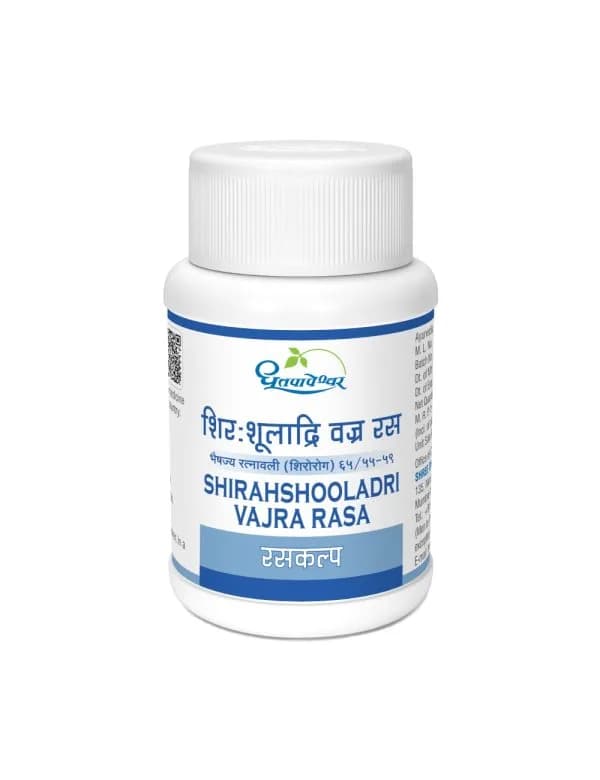
Shirahshooladri Vajra Rasa (Dhootapapeshwar) SDL
SDLसिरदर्द से राहत में सहायक
Strip of 30 Tablets
4.3
₹205Get ₹20 Cashback