Indigestion
Reviewed by medical experts · For informational purposes only
Introductory summary
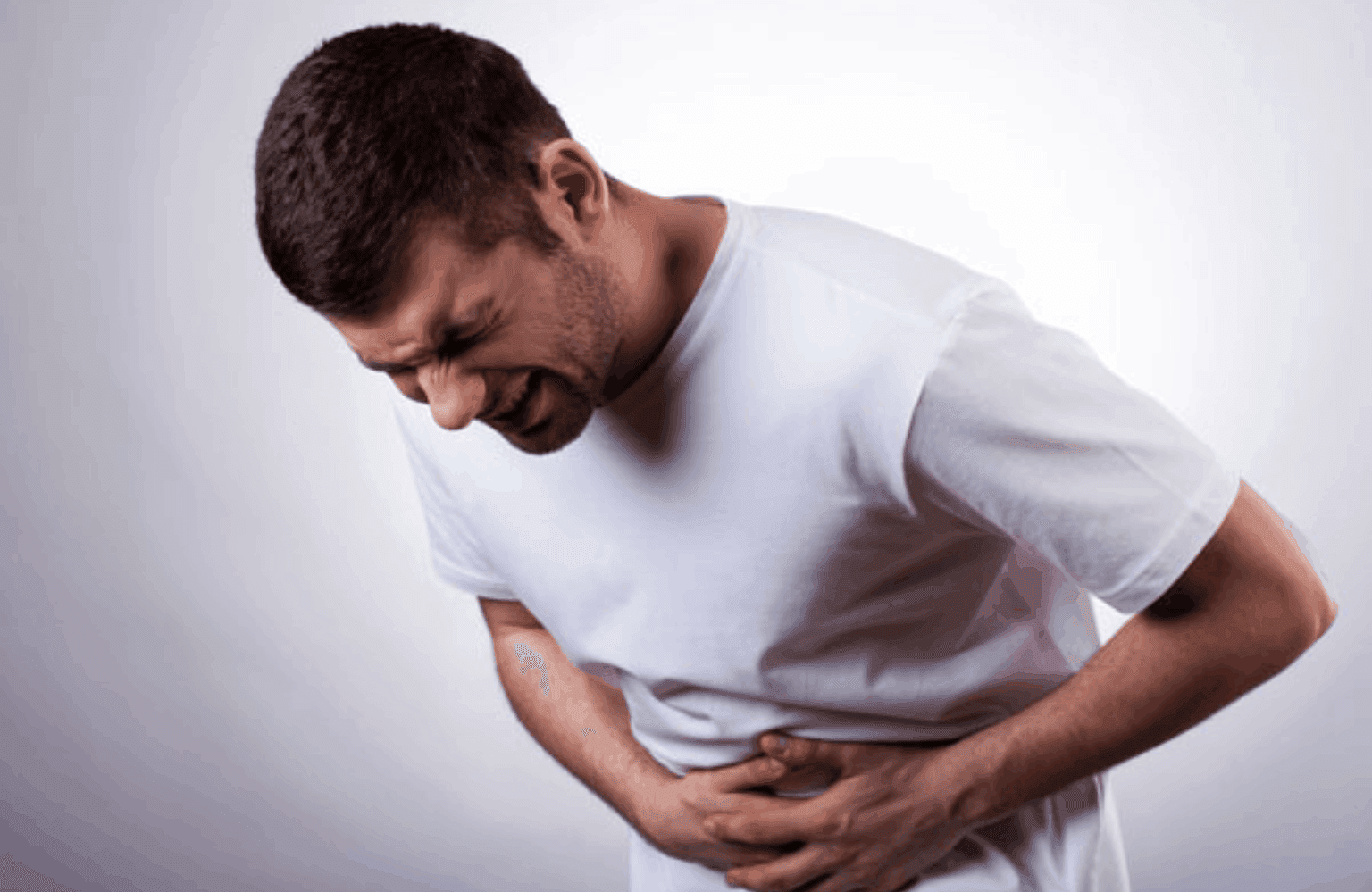
In Ayurveda indigestion is known as Ajirna and arises from Agnimandya or weak digestive fire which leads to the accumulation of Ama or metabolic toxins. It is primarily caused by factors such as irregular eating habits drinking excessive water suppression of natural urges and sleep disturbances. Madhava Nidana classifies indigestion into types based on the dominant Dosha including Ama Ajirna from Kapha Vidagdha from Pitta and Vishtabdha from Vata along with Rasashesha. Symptoms typically include lethargy heaviness constipation and specific signs like sour belching or abdominal pain. Treatment described in Chakradatta focuses on restoring Agni through fasting known as Langhana using digestive stimulants like Hingvashtak Churna and adopting a light diet to process the toxins.
Indigestion
Indigestion, known in Ayurveda as Ajirna, is a common gastrointestinal disorder caused by incomplete digestion of food. It is fundamentally linked to impairment of Agni (digestive fire), which leads to the formation of Ama (toxic, undigested metabolic waste) . Classical Ayurvedic texts such as Charaka Samhita, Madhava Nidana, and Chakradatta describe Ajirna as a root cause of many systemic diseases if left untreated .
1. Definition
Ajirna is defined as the state of incomplete digestion where the ingested food is not properly processed by the digestive fire (Jatharagni). It represents a functional disturbance of the stomach (Amashaya) and the digestive tract, where the food remains in an undigested or “unripe” state (Ama),. This condition is classified as a distinct disease category in classical texts like Madhava Nidana and is closely linked to Agnimandya (diminished digestive power).
2. Etymology & Conceptual Meaning
-
Literal Meaning: The term Ajirna is derived from the Sanskrit roots denoting “not digested” or “undigested”.
-
Conceptual Interpretation: In Ayurveda, digestion is governed by Agni (biological fire). Health is maintained when the Agni is in a balanced state (Sama Agni). When Agni is impaired, it cannot convert food into body tissues, leading to the accumulation of Ama. Ama is described as a toxic, unripe by‑product of metabolism that clogs the channels (Srotas) of the body. Therefore, Ajirna is conceptually the precursor to various systemic disorders caused by this toxic accumulation.
3. Causes (Nidana)
The etiology of indigestion is multifactorial, involving diet, lifestyle, and mental state.
Dietary Causes
-
Overeating: Taking food in excessive quantity is a primary cause of Ama and indigestion,.
-
Adhyashana: Eating a meal before the previous meal has been fully digested,.
-
Incompatible Foods: Consuming combinations like milk with sour substances or fish (Viruddha Ahara),.
-
Quality of Food: Intake of heavy, cold, dry, or stale foods.
-
Irregular Eating: Eating at irregular times disrupts the digestive rhythm.
-
Hydration Errors: Excessive water intake can dilute Agni.
Lifestyle Causes
-
Suppression of Urges: Suppressing natural urges (Vegadharana) such as defecation, flatulence, or urine,.
-
Sleep Patterns: Excessive sleeping during the day or staying up late at night,.
-
Sedentary Life: Lack of physical exercise leads to a sluggish metabolism.
Psychological Factors
-
Emotional State: Eating while afflicted by anxiety, grief, fear, or anger significantly hinders digestion.
-
Distraction: Eating while talking or laughing prevents proper focus on the meal.
4. Journey of the Disease (Pathogenesis/Samprapti)
The pathogenesis of Ajirna begins in the stomach (Amashaya).
-
Agni (Digestive Fire): The central component is Mandagni (slow/weak fire), which fails to digest food.
-
Ama (Toxin): Undigested food ferments or stagnates, turning into Ama,.
-
Dosha: The accumulation of Ama vitiates the three Doshas (Vata, Pitta, Kapha).
-
Srotas (Channels): The Annavaha Srotas (food‑carrying channels) become obstructed by the heavy, sticky Ama.
-
Adhisthana (Site): The primary site of origin and accumulation is the Amashaya (stomach).
If untreated, the vitiated Doshas mixed with Ama may move upward (vomiting), downward (diarrhea), or stagnate (constipation), leading to more severe conditions like Visuchika (cholera‑like syndrome) or Alasaka (intestinal torpor).
5. Symptoms (Lakshana)
Early Symptoms
-
Aruchi: Loss of appetite or anorexia.
-
Gaurava: A feeling of heaviness in the body and abdomen,.
-
Glani: Lassitude or fatigue.
-
Vibandha: Constipation or obstruction of gas.
Advanced Symptoms
-
Specific to Ama: Salivation (excessive spitting), nausea, and a foul taste in the mouth.
-
Visuchika: Pricking pain in the abdomen (like needles), accompanied by vomiting and diarrhea.
-
Alasaka: The food remains undigested in the stomach, leading to severe abdominal distension without expulsion (neither vomiting nor diarrhea).
-
Systemic Effects: Body aches, dizziness, stiffness in the back and waist, and yawning.
6. Different Types (Bheda)
Madhava Nidana and Chakradatta classify Ajirna based on the predominant Dosha involved,:
- Ama Ajirna (Kapha dominant): Characterized by heaviness, nausea, and swelling of the eyes and cheeks.
- Vidagdha Ajirna (Pitta dominant): Characterized by burning sensations, thirst, sour belching, and dizziness.
- Vishtabdha Ajirna (Vata dominant): Characterized by abdominal pain, distension, constipation, and body aches.
- Rasashesha Ajirna: Indigestion where the gross food is digested, but the nutritional essence (Rasa) remains unassimilated, leading to a lack of appetite and heaviness.
7. Diagnosis
Ayurvedic Diagnosis
The physician examines the patient’s digestive capacity (Agni) and the presence of Ama.
-
Examination of Stools: Ama presents as mucus in the stool, foul smell, and sinking in water (normal stool floats).
-
Pulse (Nadi): Indicates the dominant Dosha (e.g., Pitta‑Kapha).
-
Interrogation: Assessing dietary history (Adhyashana) and checking for symptoms like heaviness and loss of taste.
Differential Diagnosis
-
Grahani Roga: A chronic condition of the small intestine characterized by alternating constipation and diarrhea, distinct from acute Ajirna.
-
Visuchika: Distinguished by intense piercing pain and simultaneous vomiting and purging.
8. Disease Management
Treatment focuses on restoring Agni and eliminating Ama.
Diet (Ahara)
-
Fasting (Langhana): This is the first line of treatment. Fasting allows the digestive fire to rekindle and digest the accumulated Ama,.
-
Light Diet: Once hunger returns, light foods like gruels (thin rice water) are recommended,.
-
Hot Water: Sipping hot water helps digest Ama and clears the channels.
-
Avoid: Heavy, cold, and oily foods until full recovery.
Lifestyle (Vihara)
-
Sleep: While day sleep is generally prohibited, sleeping during the day is permitted for those suffering from indigestion to help the body focus on metabolism,.
-
Rest: Avoidance of physical exertion is recommended during the acute phase.
Medicines
-
Deepana/Pachana: Herbs that kindle digestion. Common formulations include Trikatu (Ginger, Black Pepper, Long Pepper) and Hingvashtaka Churna (containing Asafoetida).
-
Lavan Bhaskar Churna: A salt‑based herbal powder used for Vata/Kapha indigestion.
-
Ginger and Salt: Fresh ginger with rock salt taken before meals stimulates digestion.
-
Chitrakadi Vati: Useful for Ama and digestive weakness.
Panchakarma
-
Vamana (Emesis): If Ama is stagnant in the stomach (Kapha/Ama Ajirna), drinking hot saline water to induce vomiting is prescribed to expel the toxic load.
-
Swedana (Fomentation): Applying heat to the abdomen helps relieve pain and liquefy accumulations.
9. Prognosis
-
Curable: Ajirna is generally curable if treated early with fasting and dietary control.
-
Chronic Prognosis: If neglected, it can progress to Grahani (chronic malabsorption) or Amavata (Rheumatoid Arthritis‑like conditions),.
-
Incurable: A condition called Dandalasaka, where the body becomes stiff like a stick due to severe accumulation of Doshas, is considered incurable.
10. Modern Correlations
-
Similarities: Ajirna correlates closely with Dyspepsia and functional gastrointestinal disorders. The concept of Visuchika parallels Cholera or severe Gastroenteritis,.
-
Differences: Modern medicine often treats symptoms (antacids), whereas Ayurveda focuses on the metabolic fire (Agni) and metabolic waste (Ama).
-
Limitations: While Ayurvedic herbs show anti‑inflammatory potential for conditions like IBD, further clinical trials are needed to validate specific protocols for chronic conditions.
11. References
-
Ajirna Concept & Ayurvedic Review (JAIMS) — Comprehensive academic review of Ajirna (indigestion), Agni, Ama, and classification from Ayurvedic perspective. (Jaims)
📄 https://www.jaims.in/jaims/article/view/4203 -
Conceptual Review on Agnimandya & Ajirna (JAIMS) — Articles discussing Agnimandya (weak digestve fire) and indigestion with classical references (Charaka Samhita, Sushruta Samhita, Ashtanga Hridaya). (Jaims)
📄 https://www.jaims.in/jaims/article/view/836 -
Role of Agni in Health & Disease (Int. Journal of AYUSH) — Conceptual review citing Charaka Samhita and classical texts on the function of Agni and how its derangement leads to conditions like Ajirna. (internationaljournal.org.in)
📄 https://internationaljournal.org.in/journal/index.php/ijayush/article/view/1388 -
Charaka Samhita (Foundational Ayurvedic Text) — One of the foundational classical treatises where concepts such as Agni, Mandagni, and systemic outcomes of impaired digestion are detailed (via scholarly overview). (Wikipedia)
📄 https://en.wikipedia.org/wiki/Charaka_Samhita
- Agnimandya & Dietary Management (IJAPR) — Paper discussing Charaka Samhita principles on Agnimandya, dietary rules (Pathya/Apathya), and how these relate to digestive dysfunctions such as Ajirna. (ijapr.in)
📄 https://ijapr.in/index.php/ijapr/article/download/3829/3706/9579
12. FAQ Section
Q: Can I eat if I have indigestion?
A: No. Ayurveda recommends fasting (Langhana) as the first treatment to allow the digestive fire to process the undigested food (Ama) already present in the stomach.
Q: Is water beneficial during indigestion?
A: Yes, but it should be hot. Hot water helps digest Ama and clears the body's channels. Cold water should be avoided.
Q: What is "Ama"?
A: Ama is a toxic, unripe by-product of incomplete digestion. It is sticky, heavy, and causes blockages in the body, leading to inflammation and disease.
Q: What is the difference between Visuchika and simple indigestion?
A: Simple indigestion involves heaviness and loss of appetite. Visuchika is a severe form characterized by prickling needle-like pain in the abdomen, accompanied by both vomiting and diarrhea.
Q: Can sleeping during the day help?
A: While generally discouraged, Ayurveda permits day sleep specifically for patients suffering from indigestion to aid recovery
Consult a Doctor
- MS4.2Midun s kumar
Ayurveda4 yrs exp
- SP4.5Dr Sreelekha P Nair
Ayurveda6 yrs exp
- VR4.2Vaidya Rohit Kumar
Ayurveda3 yrs exp
- V4.1Vairamuthu
Ayurveda8 yrs exp
Buy Medicine
 Prescribed to you4.5₹150 cashback
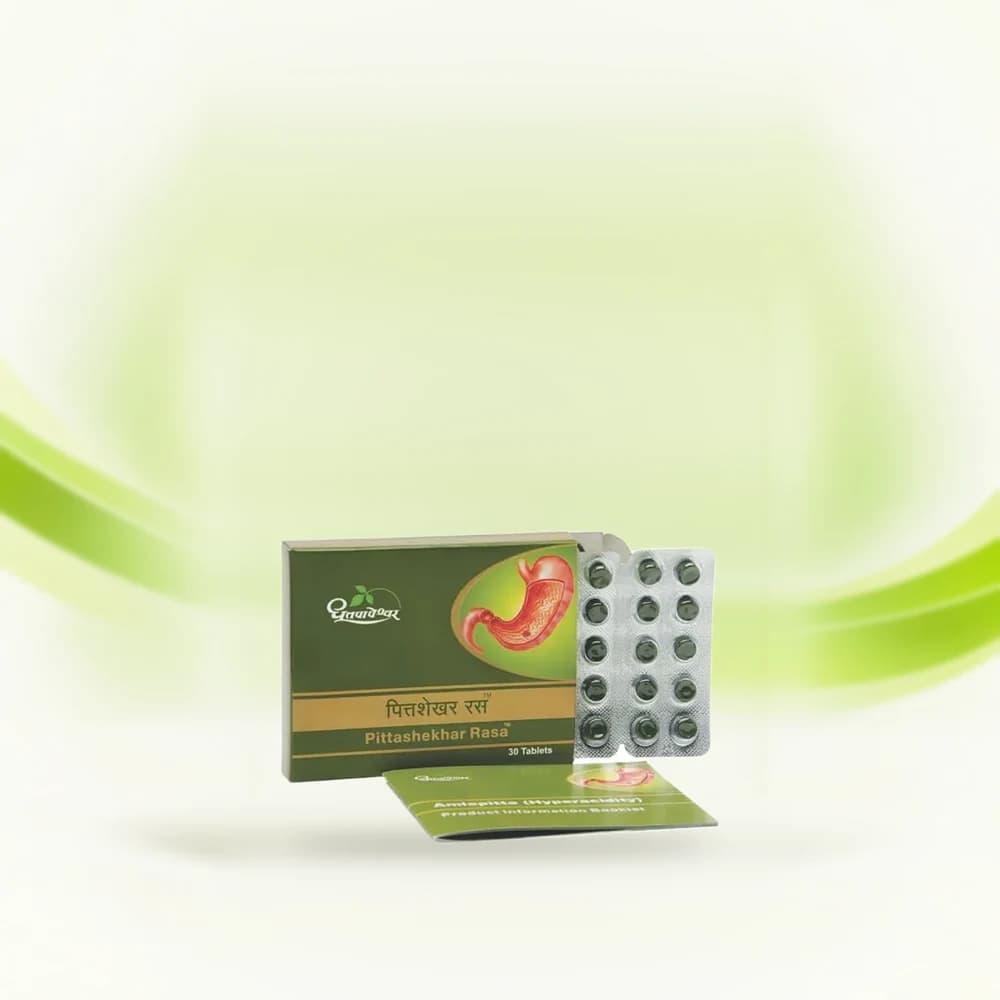
Pittashekhar Rasa (Dhootapapeshwar) SDL
SDLDigestive health support
Strip of 30 Tablets
4.5
₹1,504.02Get ₹150 Cashback
 Prescribed to you4.9₹16 cashback
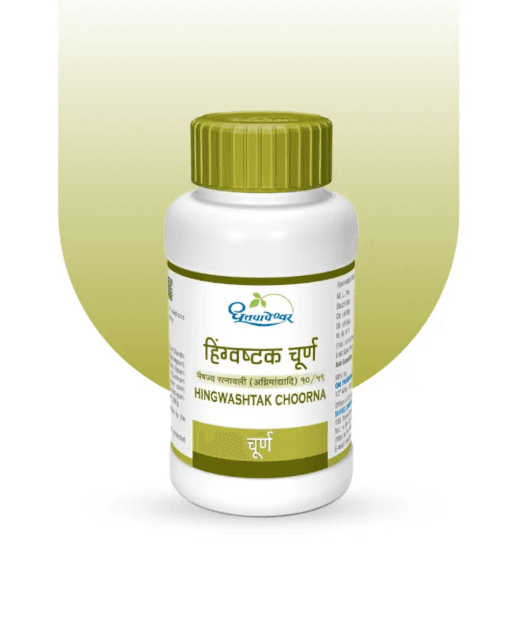
Hingaswashtak Choorna (Dhootapapeshwar)SDLSupports digestion and appetite
Container of 60 g
4.9
₹169Get ₹16 Cashback