

Throat infection Home Remedies and the Ayurvedic View
Reviewed by medical experts · For informational purposes only

Introductory summary
Throat infection correlates with Ayurvedic Kantha Roga including conditions like Galagraha and Rohini characterized by inflammation and pain in the throat. It arises when vitiated Doshas particularly Kapha and Pitta affect the flesh and blood in the throat region often due to consuming incompatible foods like fish with milk or curd and day sleep. Symptoms include difficulty swallowing swelling and intense irritation. Management emphasizes local therapies like Gandusha or gargling with medicated decoctions and sucking on Khadiradi Gutika to soothe the tract. Nasya therapy is beneficial for clearing accumulated Kapha. Treatment also involves avoiding heavy sour foods and adopting a light diet to restore digestive fire and pacify the aggravated Doshas.
Throat Infection
Throat Infection encompasses a range of inflammatory conditions affecting the pharynx and tonsils. In Ayurveda, these are classified under Kantha Roga (Diseases of the Throat) or Mukha Roga (Diseases of the Oral Cavity). The classical texts describe severe throat infections under the term Rohini, characterized by painful fleshy growths or inflammation obstructing the throat. Other related conditions include Tundikeri (Tonsillitis) and Galaugha (severe pharyngeal obstruction).
1. Definition
Modern Definition: An infection of the throat (pharynx) or tonsils caused by viruses or bacteria, leading to pain, difficulty swallowing, and inflammation.
Ayurvedic Definition: A pathological state where the vitiated Doshas (bio-energies) invade the flesh (Mamsa) and blood (Rakta) of the throat, producing swelling, pain, and fleshy sprouts that obstruct the passage of food and air.
2. Etymology & Conceptual Meaning
- Kantha: The anatomical region of the throat.
- Roga: Disease or disorder.
- Rohini: Derived from the root meaning "ascending" or "growing." It refers to a severe condition where fleshy offshoots or inflammation grow rapidly in the throat, potentially blocking the air passage and leading to fatality.
- Galagraha: Literally means "catching" or "obstructing" the throat, referring to difficulty in swallowing.
3. Causes (Nidana)
The Madhava Nidana and Ashtanga Sangraha outline specific dietary and lifestyle factors that vitiate the doshas in the upper body, leading to throat disorders.
- Dietary Causes:
- Excessive consumption of Matsya (fish) and Mahisha (buffalo milk products).
- Intake of Varaha (pork) and Amaka (uncooked/raw foods like radish).
- Consumption of Masha (black gram) and Dadhi (curd/yogurt).
- Excessive intake of Sukta (sour fermented liquids) and Madya (alcohol).
- Lifestyle Causes:
- Divaswapna: Sleeping during the day.
- Avakshayina: Sleeping in a prone position (face down).
- Durvamana: Improperly induced vomiting or suppression of the urge to vomit.
4. Journey of the Disease (Pathogenesis/Samprapti)
- Samprapti Ghataka (Components):
- Dosha: Kapha and Pitta are often dominant, with Rakta (blood) playing a crucial role in infection and inflammation. Vata is responsible for pain.
- Dushya (Tissues): Mamsa (Muscles/Flesh) and Rakta (Blood).
- Srotas (Channels): Pranavaha (Respiratory) and Annavaha (Digestive) channels.
- Adhisthana (Site): Kantha (Throat) and Gala (Neck region).
- Pathogenesis:
- Etiological factors aggravate the Doshas (Vata, Pitta, Kapha).
- These vitiated doshas move upward (Urdhwaga) and lodge in the throat tissues.
- They contaminate the local flesh and blood.
- This results in inflammation, swelling (Shotha), and the formation of painful sprouts or obstructions known as Rohini or Kantha Shaluka.
5. Symptoms (Lakshana)
Symptoms vary depending on the specific dosha involved:
- General Symptoms:
- Kantha Shula: Pain in the throat.
- Galagraha: Difficulty swallowing.
- Shotha: Swelling.
- Specific Symptoms of Rohini (Severe Infection):
- Vataja: Severe pain all around the throat and obstruction.
- Pittaja: Burning sensation (Daha), high fever (Tivra Jwara), and rapid suppuration (pus formation).
- Kaphaja: Heavy, fixed, nodular swelling causing obstruction.
- Tridoshaja: Involvement of all three doshas, considered deep-seated and incurable.
Modern Symptoms: Pharyngitis symptoms include sore throat, fever, tonsillar exudates, and cervical lymphadenopathy. Group A streptococcal pharyngitis presents with rapid onset fever and lack of viral symptoms such as cough or rhinorrhea.
6. Different Types or Classification (Bheda)
Ayurvedic texts classify throat diseases into several types, including:
- Rohini: Classified into 5 types (Vata, Pitta, Kapha, Tridosha, Rakta). It is a severe, often fatal throat condition.
- Tundikeri: Enlargement resembling the fruit of the cotton plant (Tonsillitis), characterized by hard, thick swelling.
- Kantha Shaluka: A knotty growth or tumor in the throat caused by Kapha (Adenoids/Polyp).
- Galavidradhi: Throat abscess (Retropharyngeal/Peritonsillar abscess) involving severe swelling and pus.
- Galaugha: Massive swelling obstructing the passage of food and water, accompanied by high fever.
Modern Classification: Group A beta-hemolytic streptococcal pharyngitis causes 15-30% of sore throats in children and 5-15% in adults. Viral pharyngitis accounts for 50-80% of cases.
7. Diagnosis
- Ayurvedic Diagnosis (Roga Pariksha):
- Darshana (Observation): Inspecting the oral cavity for redness, swelling, or fleshy growths (Ankura).
- Prashna (Questioning): Inquiry about dietary habits (curd, fish) and the nature of pain (pricking vs. burning).
- Differential Diagnosis:
- Distinguished from Mukha Paka (Stomatitis) which affects the general lining of the mouth.
- Distinguished from Svarabheda (Hoarseness), where the primary symptom is voice change rather than pain/swelling.
Modern Diagnosis: Clinical scoring systems like the Centor criteria help identify Group A streptococcal pharyngitis. Rapid antigen detection tests (RADT) and throat culture are used for confirmation.
8. Disease Management
Treatment involves Shodhana (purification) and local therapies to reduce inflammation and clear infection.
Medicines
- Khadiradi Gutika: A specific pill kept in the mouth to treat throat and mouth diseases (Mukha Roga). It contains Khadira, Arimeda, and Triphala.
- Kaphaketu Rasa: Indicated for throat diseases (Gala Roga) and difficulty swallowing (Galagraha).
- Talisadi Churna: Prescribed for cough, respiratory issues, and throat disorders.
- Mritunjaya Rasa: Used for Sannipata Jvara (severe fever) which often accompanies severe throat infections.
- Sitopaladi Churna: Often used with honey for respiratory and throat irritation (implied context of respiratory formulations).
Local Therapies
- Gandusha (Gargling):
- Pratisarana (Rubbing): Application of medicinal powders mixed with honey directly on the tonsils or throat swelling.
- Nasya: Nasal administration of medicated oils to clear the head and neck channels is indicated for head and throat diseases.
Diet (Ahara)
- Pathya (Beneficial): Light foods, Barley (Yava), Green gram (Mudga), and warm water.
- Apathya (Avoid): Curd/Yogurt (Dadhi), milk products, heavy meats, day sleep, and sour fermented foods.
Modern Treatment
First-line antibiotics for confirmed Group A streptococcal pharyngitis include penicillin and amoxicillin. NSAIDs are more effective than acetaminophen for pain and fever control.
9. Prognosis
- Sadhya (Curable): Infections caused by a single Dosha and treated early are generally curable.
- Asadhya (Incurable):
- Tridoshaja Rohini: When all three doshas are involved, the condition is considered deep-seated and incurable.
- Raktaja Rohini: Throat conditions involving vitiated blood with blisters resembling burning coal are incurable.
- Galaugha: Severe obstruction where the patient cannot swallow water or breathe is often fatal.
Modern Prognosis: Viral pharyngitis is self-limiting and resolves in 5-7 days. Bacterial pharyngitis responds well to appropriate antibiotics, with symptoms resolving within 1-3 days.
10. Modern Correlations
- Pharyngitis/Sore Throat: Correlates with general Kantha Shula or mild Rohini.
- Tonsillitis: Directly correlates with Tundikeri (hard swelling in the throat).
- Diphtheria: Strongly correlates with Rohini, described as painful fleshy sprouts obstructing the throat, which can be fatal.
- Peritonsillar Abscess: Correlates with Galavidradhi.
- Group A Streptococcal Pharyngitis: Modern understanding of streptococcal pathogenesis aligns with Ayurvedic descriptions of severe throat infections.
11. References
-
WHO – Sore Throat and Streptococcal Infection
🔗 https://www.who.int/teams/integrated-health-services/clinical-services-and-systems/clinical-guidelines
(Search within WHO guidelines for sore throat / streptococcal pharyngitis)
-
WHO – Acute Respiratory Infections
🔗 https://www.who.int/health-topics/acute-respiratory-infections
Includes throat and upper respiratory tract infections.
-
CDC – Sore Throat
🔗 https://www.cdc.gov/antibiotic-use/sore-throat.html
Antibiotic stewardship and infection causes.
-
NCBI – Pharyngitis (StatPearls)
🔗 https://www.ncbi.nlm.nih.gov/books/NBK519550/
Evidence-based clinical reference.
-
National Health Portal (India) – गले का संक्रमण
🔗 https://www.nhp.gov.in/disease/ear-nose-throat/sore-throat
Hindi & English, Government of India.
-
MedlinePlus – Sore Throat
🔗 https://medlineplus.gov/sorethroat.html
NIH consumer and clinical reference.
-
Mayo Clinic – Sore Throat
🔗 https://www.mayoclinic.org/diseases-conditions/sore-throat/symptoms-causes/syc-20351635
Causes, symptoms, and prevention.
12. FAQ Section
Q: Is curd (yogurt) bad for a throat infection?
A: Yes. Classical texts like Madhava Nidana explicitly list Dadhi (curd) as a causative factor (Nidana) for throat and mouth diseases because it increases Kapha and Pitta, leading to congestion and inflammation.
Q: What is the best Ayurvedic pill for throat pain?
A: Khadiradi Gutika is a classical formulation widely prescribed for throat diseases, dental issues, and mouth ulcers. It is meant to be kept in the mouth and slowly dissolved.
Q: Can gargling help?
A: Yes. Gandusha or Kavala (gargling) with medicated decoctions is a primary treatment. A mixture of Triphala, Trikatu (ginger, pepper, long pepper), and honey is recommended to reduce throat swelling and clear Kapha.
Q: What is "Rohini" in Ayurveda?
A: Rohini is a severe type of throat disease characterized by painful fleshy growths or severe inflammation that can obstruct the throat. It is often correlated with Diphtheria or severe bacterial pharyngitis. If it involves all three doshas or blood (Rakta), it is considered very difficult to cure.
Q: How does modern medicine diagnose strep throat?
A: Clinical scoring systems help assess risk, followed by rapid antigen detection tests (RADT) for confirmation. Throat culture remains the gold standard for diagnosis.
Q: What are the complications of untreated strep throat?
A: Untreated Group A streptococcal pharyngitis can lead to acute rheumatic fever and post-streptococcal glomerulonephritis, though these complications are rare.
Consult a Doctor
- KC5.0Dr. Kamesh chand sharma
Ayurveda2 yrs exp
- PP4.4Dr prince patel
Ayurveda22 yrs exp
- PJ5.0Dr. P. JOTEENDRA
Ayurveda2 yrs exp
- S4.6Dr. Shan
Ayurveda4 yrs exp
More on Throat infection Home Remedies and the Ayurvedic View
Buy Medicine
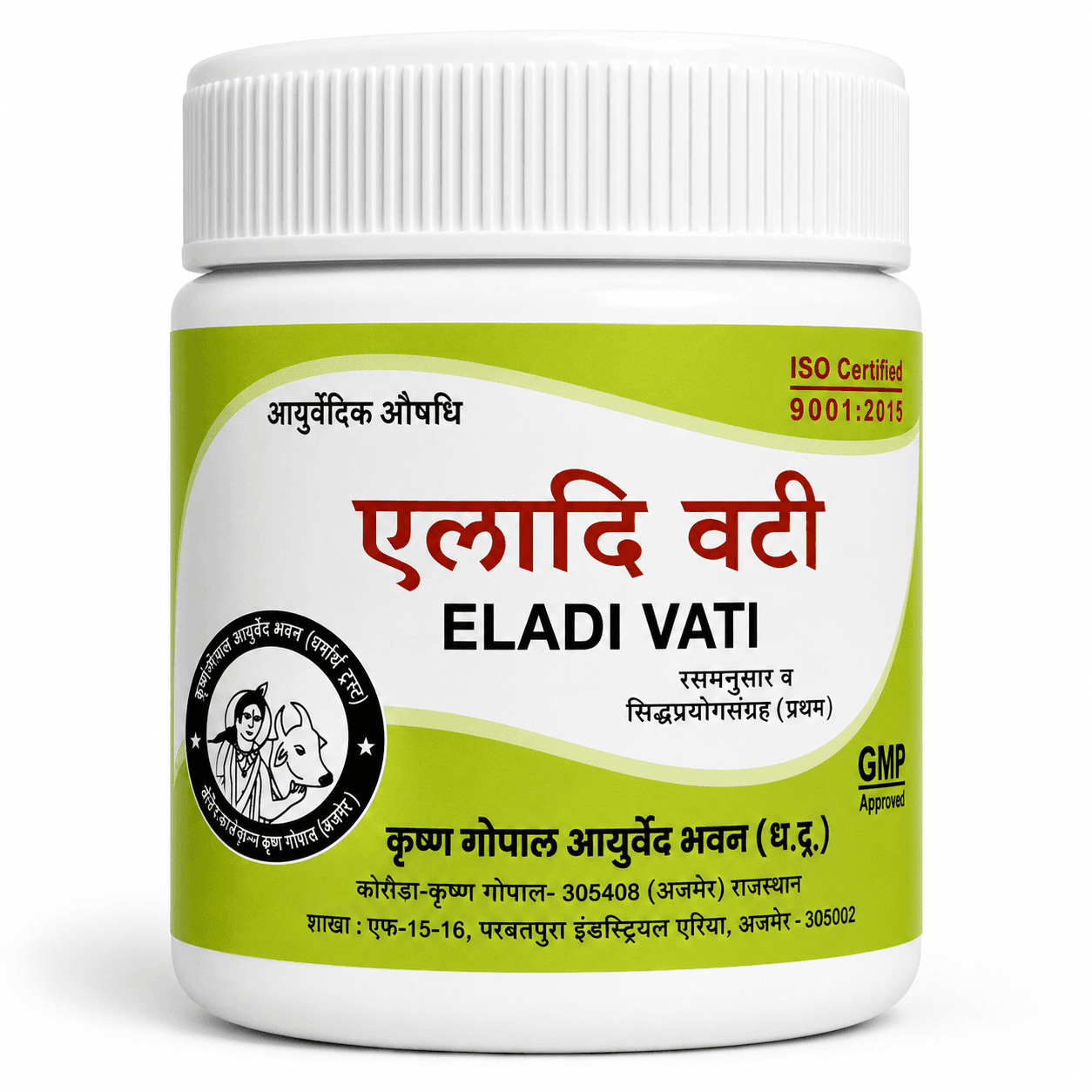 Prescribed to you4.8₹4 cashback
Eladi Vati (Kalera) Kalera
Supports cough & throat comfort
Strip of 30 Tablets
4.8
₹40Get ₹4 Cashback
₹4613% off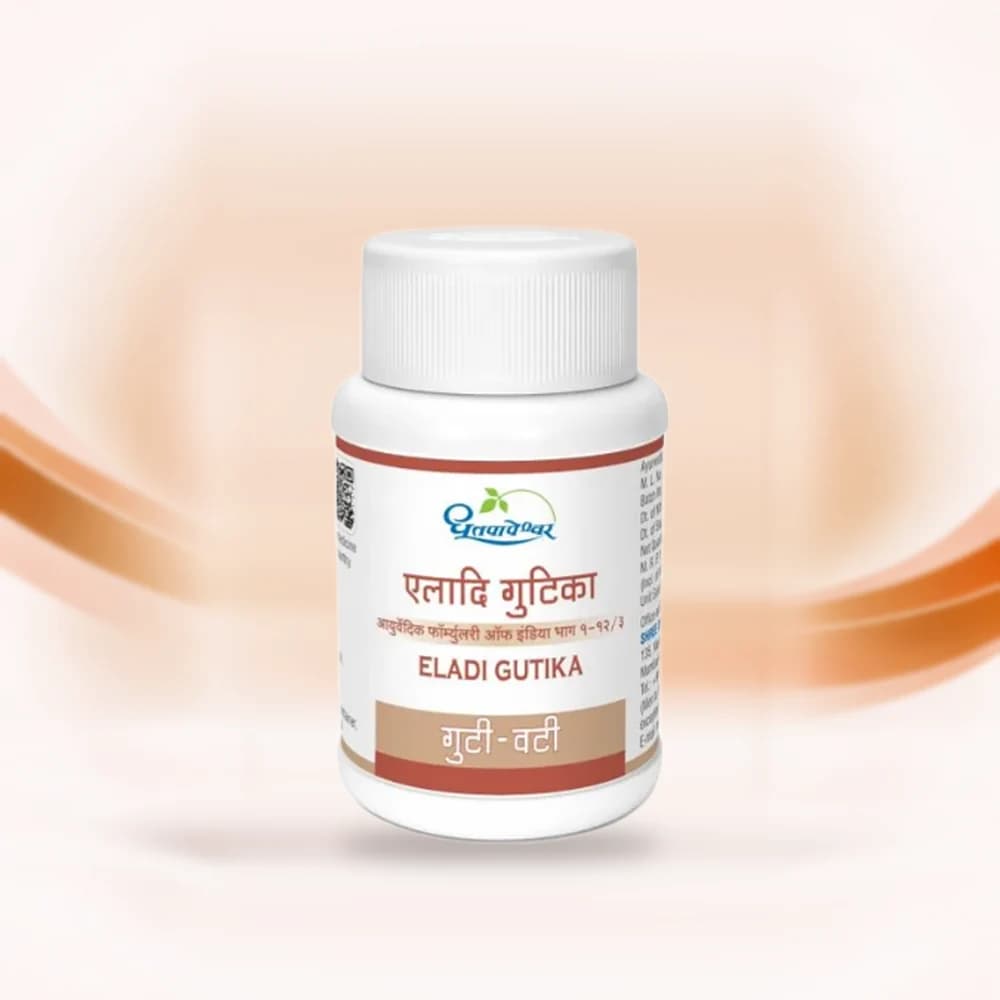 Prescribed to you4.6₹22 cashback
Eladi Gutika (Dhootapapeshwar) SDL
SDLThroat and cough comfort
Strip of 60 Tablets
4.6
₹222Get ₹22 Cashback
₹25112% off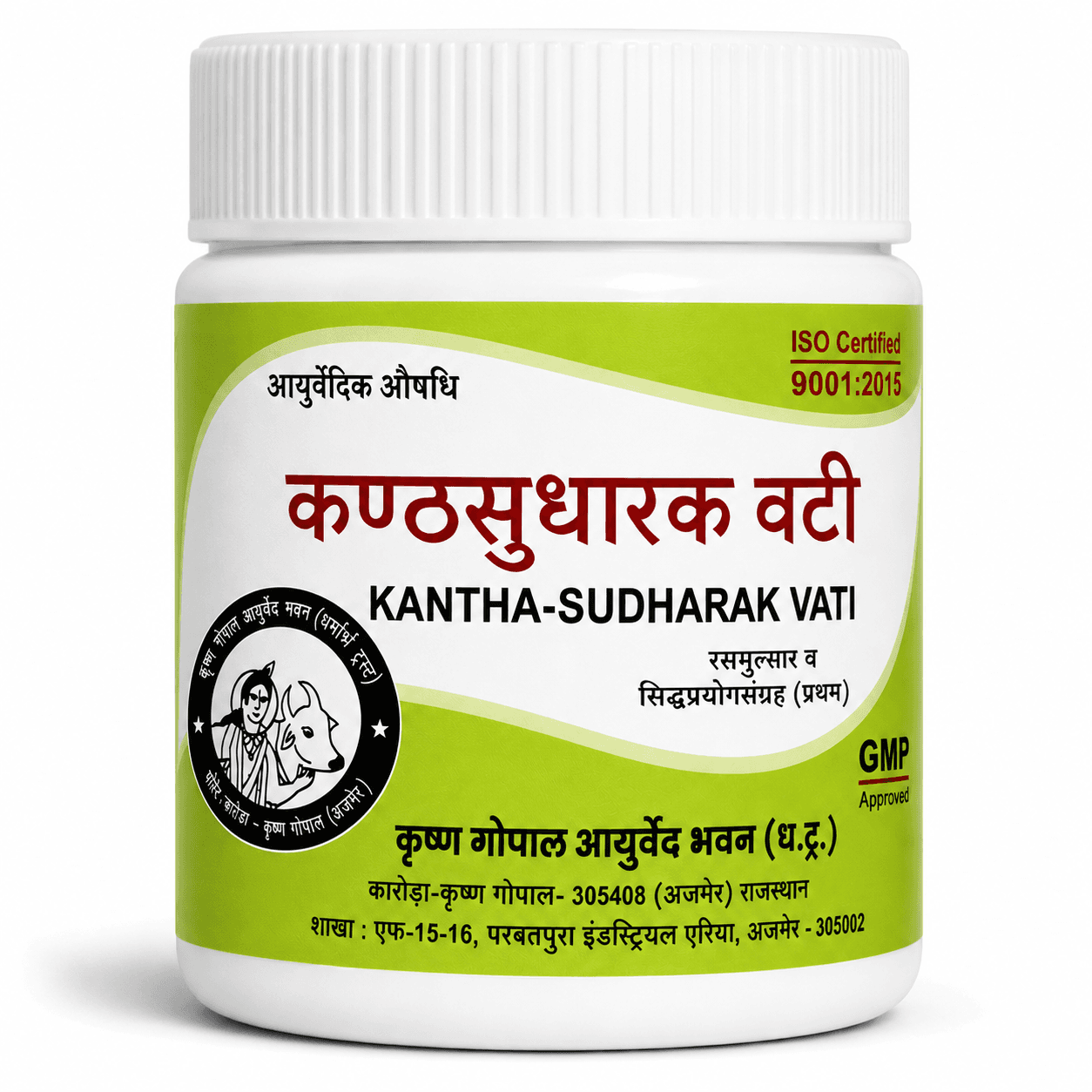 Prescribed to you4.6₹8 cashback
Kantha-sudharak Vati (Kalera)KaleraDaily support for throat soother
Strip of 30 Tablets
4.6
₹85Get ₹8 Cashback
₹9712% off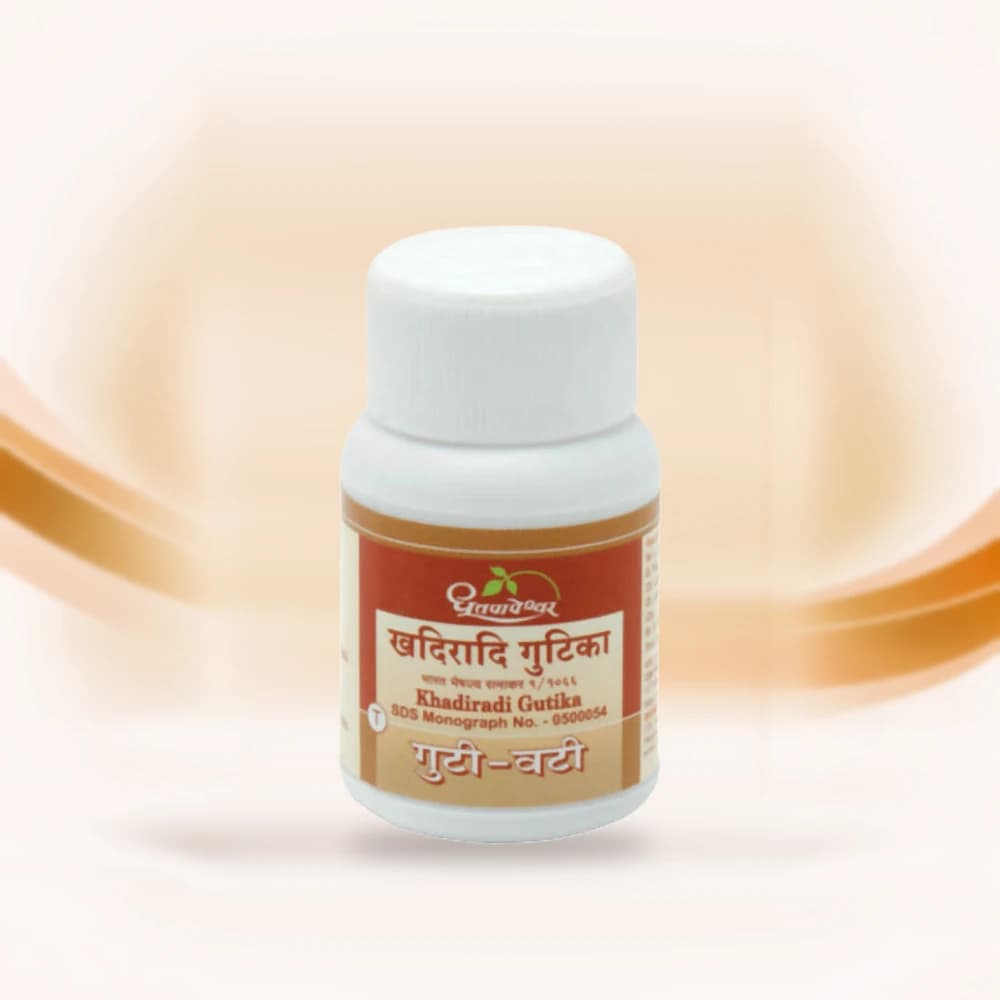 Prescribed to you4.4₹9 cashback
Khadiradi Gutika (Dhootapapeshwar)SDLOral and throat comfort
Strip of 25 Tablets
4.4
₹96Get ₹9 Cashback
₹10710% off
