Anantamul
Reviewed by medical experts · For informational purposes only
Introductory summary
Anantamul scientifically known as Hemidesmus indicus and called Sariva in Ayurveda is a renowned cooling and blood purifying herb. Its aromatic root possesses Sweet taste with Heavy and Unctuous qualities. Having a Cold potency and Sweet post digestive effect it effectively pacifies all three doshas especially balancing Pitta. It is highly valued as a Raktashodhaka or blood purifier and Dahaprashamana agent treating burning sensations skin diseases like leprosy and itching and blood disorders. Therapeutically it is used for fever diarrhea and reproductive conditions like menorrhagia. As a key ingredient in formulations like Pushyanuga Churna it supports skin complexion and general vitality acting as a rejuvenating tonic.
Anantamul
Anantamul, scientifically known as Hemidesmus indicus, is a renowned herb in Ayurveda, celebrated for its cooling and blood-purifying properties. In Sanskrit, it is most commonly known as Sārivā or Anantā (meaning "endless," referring to its long, spreading roots). It is a key ingredient in many cooling beverages (like Nannari syrup in South India) and medicinal formulations used to treat skin diseases, burning sensations, and blood disorders. It is classified as Raktaśodhaka (blood purifier) and Tridoṣanāśana (pacifier of all three doshas).
1. Name of the Herb
- Common Name: Indian Sarsaparilla, Anantamul.
- Scientific Name: Hemidesmus indicus (Linn.) R. Br. (Fam. Asclepiadaceae).
- Sanskrit Names: Sārivā, Anantā, Gopasutā, Śvētā Sārivā (White variety).
- Regional Names: Anantamul (Hindi/Bengali/Marathi), Nannari (Malayalam/Tamil), Sugandhi Pala (Telugu), Upalsari (Gujarati/Marathi), Namada veru (Kannada).
2. Brief Description
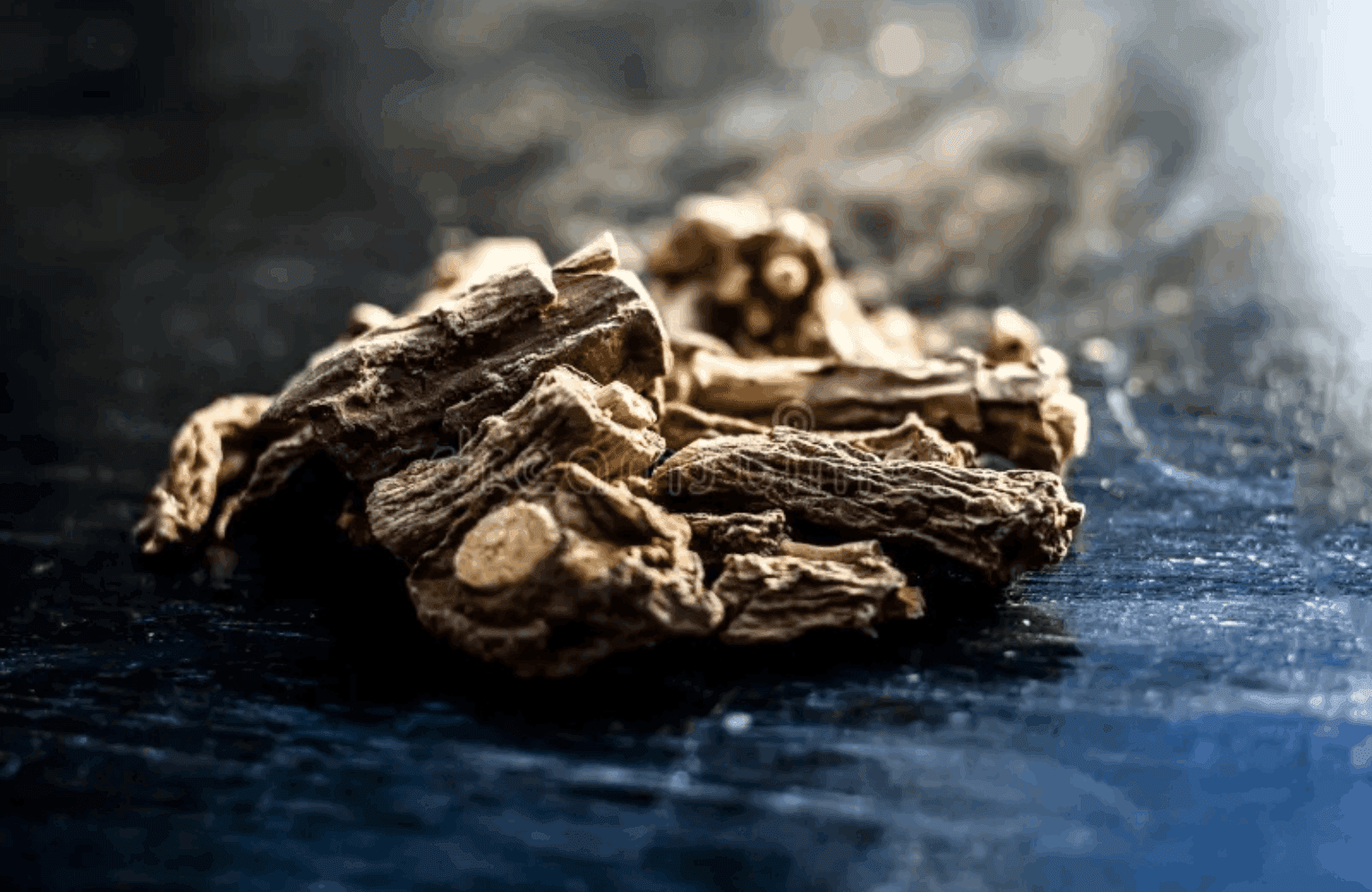
Anantamul is a prostrate or semi-erect shrub found throughout India. The medicinal part is its woody, aromatic root, which emits a pleasant scent resembling vanilla or camphor. In Ayurveda, it is highly valued for its ability to cool the body, purify the blood, and improve complexion. It is considered a general tonic and rejuvenator, specifically for the skin and reproductive system.
3. Source / Part Used
- Plant Source: Herbal / Plant-based (Shrub).
- Part Used: Root (Mula).
4. Ayurvedic Properties
According to the Ayurvedic Pharmacopoeia of India:
- Rasa (Taste): Madhura (Sweet).
- Guna (Qualities): Guru (Heavy) and Snigdha (Unctuous/Oily).
- Virya (Potency): Śīta (Cold).
- Vipaka (Post-digestive effect): Madhura (Sweet).
- Dosha Effect: Tridoṣanāśana (Balances Vata, Pitta, and Kapha). It is particularly effective in pacifying Pitta due to its sweet and cold nature.
5. Key Benefits
- Purifies Blood: Acts as a potent Raktaśodhaka, clearing toxins from the blood.
- Cools the Body: Reduces Dāha (burning sensation) and excessive body heat.
- Treats Skin Disorders: Effective against Kuṣṭha (skin diseases), Kaṇḍū (itching), and ringworm.
- Improves Digestion: Acts as Dīpana (appetizer) and Pācana (digestive), useful in anorexia and diarrhea.
- Anti-Poison: Possesses Viṣaghna (anti-toxin/anti-poison) properties.
- Respiratory Support: Helpful in managing Kāsa (cough) and Śvāsa (asthma).
6. Uses / Indications
Anantamul is indicated in Ayurveda for the following conditions:
- Skin & Blood: Raktavikāra (Blood disorders), Kuṣṭha (Leprosy/Skin diseases), Kaṇḍū (Itching), and Visarpa (Erysipelas).
- Digestive: Agnimāndya (Digestive impairment), Aruci (Anorexia/Tastelessness), and Atisāra (Diarrhea).
- General Health: Jvara (Fever) and Daurbalya (Weakness).
- Respiratory: Śvāsa (Asthma/Dyspnoea) and Kāsa (Cough).
- Reproductive: Used in formulations like Garbhini Jvara (fever during pregnancy) remedies due to its cooling nature.
7. How It Works
- Cooling & Soothing: Its Śīta (cold) potency and Madhura (sweet) taste neutralize the heat of Pitta dosha, making it excellent for burning sensations, acidity, and inflammatory skin conditions.
- Detoxification: By balancing the doshas and acting as an Āmanāśana (destroyer of Ama or metabolic toxins), it cleanses the channels and purifies the blood.
- Nourishing: Its Guru (heavy) and Snigdha (oily) qualities provide nourishment to the tissues, combating weakness (Daurbalya).
8. Dosage
(General guidance based on Ayurvedic Pharmacopoeia of India):
- Decoction (Kvatha): 20 to 30 g (drug for decoction).
- Powder (Churna): 3 to 6 g.
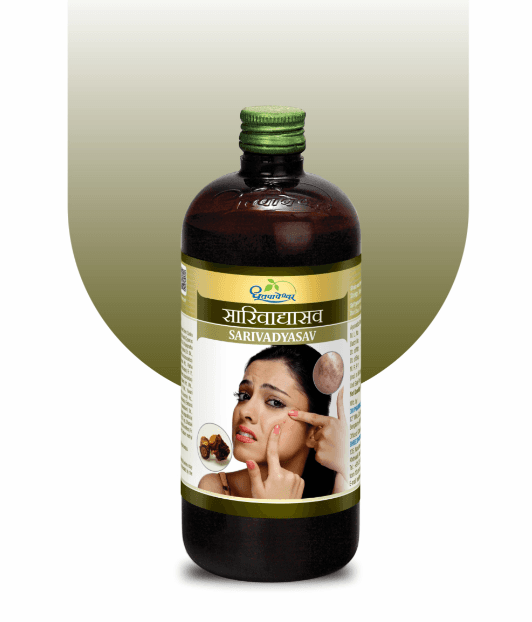
- Note: Commonly used in formulations like Sarivadyasava (fermented tonic).
9. Safety Information
Anantamul is generally considered safe and is widely used in food (as a cooling drink) and medicine. It is non-toxic when used in traditional dosages.
10. Side Effects
- Heaviness: Due to its Guru (heavy) quality, excessive consumption might cause slight heaviness in digestion for those with very weak digestive fire (Mandagni), though it is traditionally listed as an appetizer (Dipana).
- Otherwise, no significant side effects are reported in classical texts.
11. Precautions
- Cold Constitution: Individuals with high Kapha or a tendency towards cold/congestion should use it in moderation or combined with warming herbs, as it is a cooling herb.
- Medical Conditions: Consult a physician if treating chronic blood or skin disorders.
12. Storage Instructions
- Store the dried roots in a cool, dry place.
- Keep away from moisture to prevent mold, as the roots are fleshy and aromatic.
13. References
-
World Health Organization – WHO Monographs on Selected Medicinal Plants
https://apps.who.int/iris/handle/10665/42052
-
Phytochemical and pharmacological review of Hemidesmus indicus – Journal of Ethnopharmacology
https://pubmed.ncbi.nlm.nih.gov/16814465/
-
Anti-inflammatory activity of Hemidesmus indicus root extract – Indian Journal of Pharmacology
https://pubmed.ncbi.nlm.nih.gov/20336218/
-
Antioxidant properties of Hemidesmus indicus – Food Chemistry
https://pubmed.ncbi.nlm.nih.gov/17611057/
-
Immunomodulatory effects of Hemidesmus indicus – International Immunopharmacology
https://pubmed.ncbi.nlm.nih.gov/14687975/
-
Cytotoxic and anticancer activity of Hemidesmus indicus – BMC Complementary and Alternative Medicine
https://bmccomplementmedtherapies.biomedcentral.com/articles/10.1186/1472-6882-13-145
-
Pharmacognostic evaluation of Hemidesmus indicus root – Pharmacognosy Research
https://www.ncbi.nlm.nih.gov/pmc/articles/PMC3210031/
-
Chemical constituents of Hemidesmus indicus roots – Natural Product Research
https://pubmed.ncbi.nlm.nih.gov/17373450/
14. FAQs
** **Q. Can it be taken daily?
Yes, it is often taken as a cooling syrup (Sherbet) during summer to maintain body temperature and purify blood. Medicinal doses should follow a physician's advice.
Q. When should it be taken?
It can be taken before or after meals depending on the formulation (e.g., Asavas are usually taken after meals).
Q. Can it be taken with milk/water?
Yes, the powder is often taken with water or milk. It is also boiled in water to make a cooling drink.
Consult a Doctor
- MS4.2Midun s kumar
Ayurveda4 yrs exp
- SP4.5Dr Sreelekha P Nair
Ayurveda6 yrs exp
- VR4.2Vaidya Rohit Kumar
Ayurveda3 yrs exp
- V4.1Vairamuthu
Ayurveda8 yrs exp