Apple cider vinegar Benefits and Uses
Reviewed by medical experts · For informational purposes only
Introductory summary
Sukta or Cukra which are fermented sour liquids prepared from fruits. Possessing a Sour taste with Light and Sharp qualities and Hot potency it effectively pacifies Vata and Kapha doshas while potentially aggravating Pitta and Rakta. Therapeutically it acts as a powerful digestive stimulant and appetizer known as Dipana and Rocana. It possesses penetrating Bhedana properties that help break down fecal accumulation relieving constipation and abdominal distension. While beneficial for clearing body channels and aiding digestion excessive intake may vitiate blood and cause burning sensations. It is strictly contraindicated with milk as they form an incompatible combination known as Viruddha Ahara potentially causing skin disorders.
Vinegar
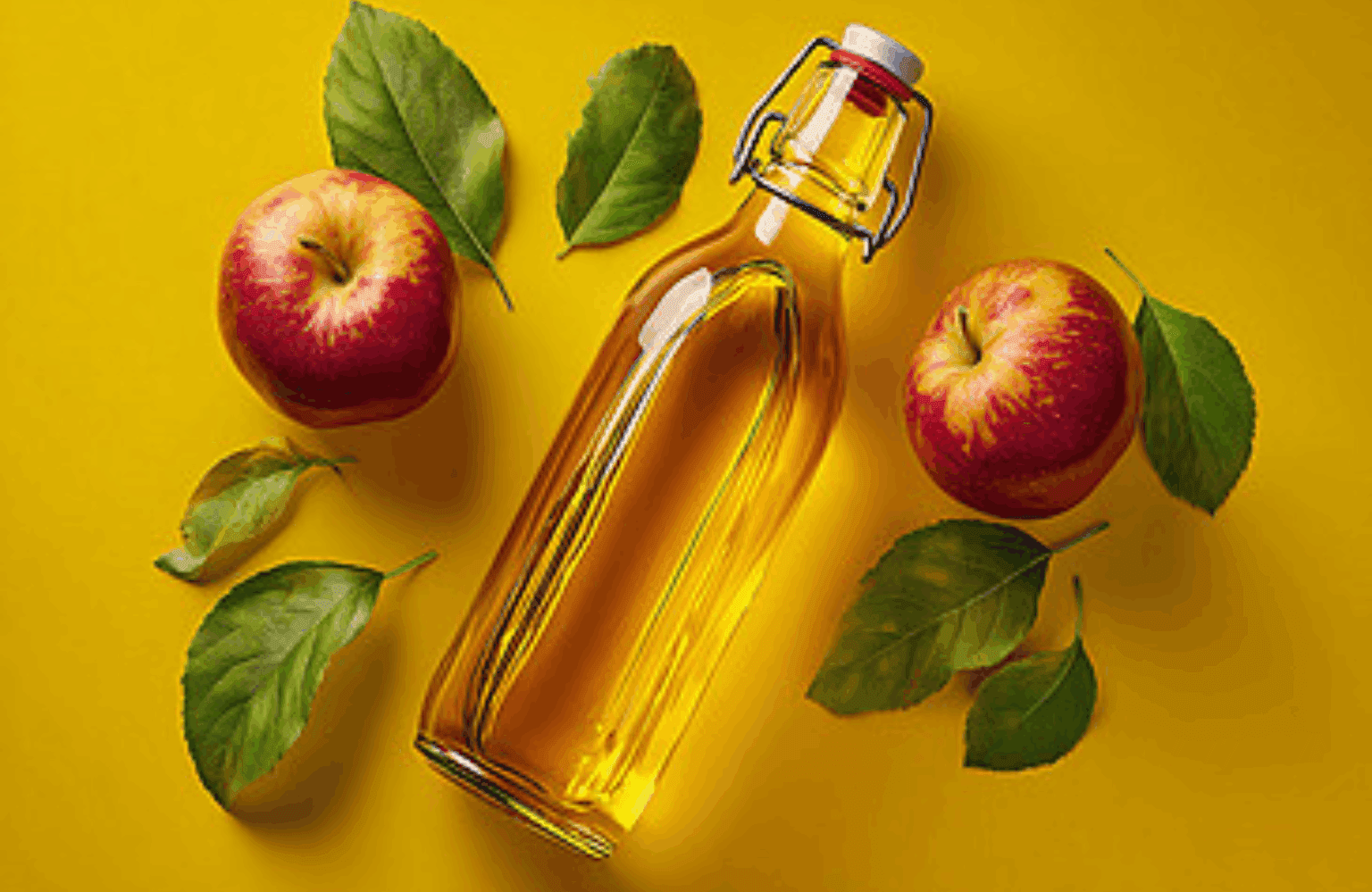
Vinegar, known in Ayurveda as Śukta or Cukra, is a fermented sour liquid preparation. It acts as a powerful digestive aid and carminative. According to Charaka Samhita, properties of such fermented beverages depend on their ingredients (fruits, roots, etc.), but generally, they are recognized for their penetrating, appetizing, and digestion-stimulating qualities.
1. Name of the Herb
- Common Name: Vinegar.
- Ayurvedic Class: Śukta (Vinegar), Cukra.
- Related preparations: Kāñjika (Sour gruel), Sauvīraka (Barley vinegar), Tuṣodaka (Vinegar from husked barley).
2. Brief Description
In Ayurveda, Śukta falls under the category of Sandhāna Varga (Fermented Liquors). It is a sour liquid produced by the fermentation of fruits, roots, tubers, or grains. It is characterized by its lightness and ability to stimulate digestion. Unlike heavy nourishing foods, vinegar is used therapeutically to break down food masses, clear channels, and relieve constipation.
3. Source / Part Used
- Plant Source: Fermented product of Fruits (Phala), Roots (Mula), Tubers (Kanda), or Grains (Dhanya).
- Preparation: Produced through natural fermentation involving time and specific ingredients.
4. Ayurvedic Properties
According to Charaka Samhita:
- Rasa (Taste): Amla (Sour).
- Guna (Qualities): Laghu (Light), Tīkṣṇa (Sharp/Penetrating).
- Virya (Potency): Uṣṇa (Hot).
- Dosha Effect:
- Internal Use: Alleviates Vata and Kapha,.
- Excessive Use: Can irritate/aggravate Rakta (Blood) and Pitta.
5. Key Benefits
- Improves Appetite: Acts as a Rocana (taste enhancer) and Dīpana (digestive stimulant).
- Relieves Constipation: Promotes the downward movement of excrement (Anulomana).
- Mass Breaking: possesses Bhedana properties, helping to break down hard fecal masses or accumulated doshas.
- Reduces Fever (External): Interestingly, when applied externally, it alleviates burning sensation and fever.
- Cleanses Channels: Helps in clearing the body's micro-channels (Srotas).
6. Uses / Indications
Vinegar is indicated in Ayurveda for the following conditions:
- Digestive Disorders: Agnimāndya (Loss of appetite), Vibandha (Constipation), and abdominal distension.
- External Application: Jvara (Fever) and Dāha (Burning sensation) — applied as a sponge or wash.
- Respiratory: Used as a vehicle (Anupāna) for medicines treating Kāsa (Cough) and Śvāsa (Asthma).
- Pain: Used in colic (Śūla) to help move wind downwards.
7. How It Works
- Carminative Action: Its Amla (sour) and Uṣṇa (hot) nature stimulates the digestive fire (Agni), facilitating the digestion of Ama (toxins).
- Vata-Kapha Pacification: By adding heat and lightness, it counters the cold and heavy qualities of Kapha and Vata, clearing obstructions in the gut.
- External Cooling: Through a specific potency (Prabhāva), sour vinegar relieves burning sensations when applied to the skin, despite being hot in potency internally.
8. Dosage
(General guidance for fermented sour liquids like Kanjika/Sukta):
- Liquid: 10 to 20 ml (typically diluted or used as an adjuvant/vehicle for other medicines).
- Note: It is rarely drunk in large quantities alone; it is often used to process other drugs or as a drink after meals to aid digestion.
9. Safety Information
Vinegar is safe when used in moderation as a food additive or medicine. However, due to its fermented and sour nature, it is potent and "piercing" (Vyavayi).
10. Side Effects
- Blood & Pitta Vitiation: Excessive intake can aggravate Pitta (causing acidity/heat) and vitiate Rakta (blood), potentially leading to skin issues or burning sensations.
- General Irritation: May cause gastric irritation if taken on an empty stomach by those with sensitive stomachs.
11. Precautions
- Pitta Prakriti: Individuals with high body heat or acidity should avoid excess vinegar.
- Bleeding Disorders: Contraindicated in Raktapitta (bleeding disorders) due to its heating and blood-vitiating properties.
- Dietary Antagonism: Vinegar (Sukta) is considered antagonistic (unwholesome) when consumed with Milk.
12. Storage Instructions
- Store in glass or ceramic jars (ancient texts mention earthen vessels) to prevent reaction with metals.
- Keep in a cool place.
13. References
-
World Health Organization – WHO Guidelines on Good Agricultural and Collection Practices (GACP) for Medicinal Plants
https://apps.who.int/iris/handle/10665/42783
-
Johnston, C.S. et al. Vinegar improves insulin sensitivity to a high-carbohydrate meal in subjects with insulin resistance or type 2 diabetes. Diabetes Care
https://pubmed.ncbi.nlm.nih.gov/16015276/ -
Ostman, E. et al. Vinegar supplementation lowers glucose and insulin responses and increases satiety after a bread meal. European Journal of Clinical Nutrition
https://pubmed.ncbi.nlm.nih.gov/16015276/
-
Khezri, S.S. et al. Beneficial effects of apple cider vinegar on weight management and metabolic parameters. Journal of Functional Foods
https://www.sciencedirect.com/science/article/pii/S1756464618300483
-
Shishehbor, F. et al. Apple cider vinegar consumption improves lipid profile in hyperlipidemic individuals. Journal of Functional Foods
https://pubmed.ncbi.nlm.nih.gov/29224370/
-
Yagnik, D. et al. Antimicrobial activity of apple cider vinegar against Escherichia coli and Candida species. Scientific Reports
https://www.nature.com/articles/s41598-018-19707-7
-
NCBI Bookshelf – Overview of Acetic Acid (main component of vinegar)
https://www.ncbi.nlm.nih.gov/books/NBK548671/
-
Food and Agriculture Organization (FAO) – Fermented foods and vinegar production standards
https://www.fao.org/3/y1579e/y1579e00.htm
14. FAQs
** **Q. Can it be taken daily?
Ayurveda advises against the constant use of sour and fermented items (like vinegar and salt) as they can cause slackness of muscles and vitiation of blood if used in excess. It is best used therapeutically or occasionally.
Q. When should it be taken?
It acts well as an appetizer before meals or a carminative after meals.
Q. Can it be taken with milk/water?
It can be taken with water. It should NEVER be taken with milk, as the combination of sour vinegar and milk is considered Viruddha Ahara (incompatible diet) and can lead to skin diseases and blood disorders.
Consult a Doctor
- KC5.0Dr. Kamesh chand sharma
Ayurveda2 yrs exp
- PP4.4Dr prince patel
Ayurveda22 yrs exp
- KH4.4Dr Kowshalya H S
Ayurveda3 yrs exp
- AK4.8Dr. Amalnath K Viswanathan
Ayurveda4 yrs exp