Babool Benefits and Uses
Reviewed by medical experts · For informational purposes only
Introductory summary
Babool known as Babbula in Ayurveda and scientifically as Acacia nilotica is a therapeutic tree valued for its astringent stem bark. Possessing heavy and dry qualities with a cold potency it effectively pacifies Kapha dosha. It is classified as Grahi or absorbent making it a premier remedy for controlling diarrhea known as Atisara. The herb acts as a haemostatic for bleeding disorders and possesses Vishaghna properties to neutralize toxins. Therapeutically it is indicated for skin diseases like Kushtha cough and worm infestations. Key formulations include Babbularishta and Khadiradi Gutika where it serves as a binding agent. Its bark is typically administered as a decoction to utilize its cooling effects for stabilizing loose stools and healing skin eruptions.
Babool
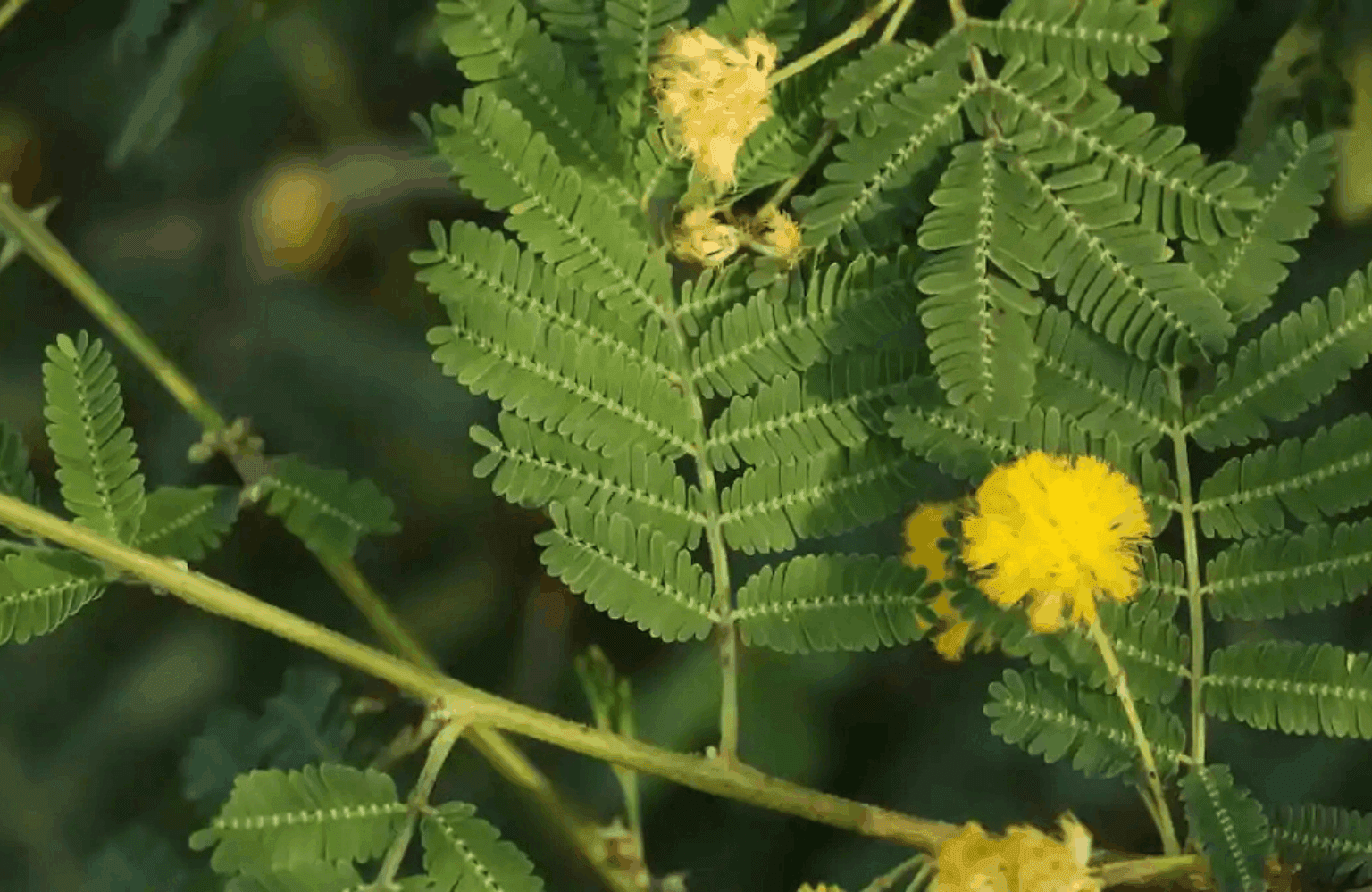
Babool, known scientifically as Acacia nilotica, is a moderate-sized, spiny, evergreen tree found throughout India. In Ayurveda, it is highly valued for its astringent properties and its ability to treat skin diseases, diarrhea, and coughs. It is a key ingredient in various classical formulations used to stabilize the body and treat infections.
1. Name of the Herb
- Common Name: Babool, Indian Gum Arabic Tree.
- Scientific Name: Acacia nilotica (Linn.) Willd. ex. Del. sp. indica (Benth.) Brenan (Synonym: Acacia arabica Willd.).
- Sanskrit Names: Babbūla, Bāvarī, Kinkirāta.
- Regional Names:
- Hindi: Babula, Babura, Kikar
- Bengali: Babla
- Gujarati: Baval, Kaloabaval
- Kannada: Kari Jali, Sharmeeruka
- Tamil: Karuvelan
- Telugu: Nallatumma
2. Brief Description
Babool is a medicinal tree belonging to the Leguminosae family. It is renowned in Ayurveda for its "Grahi" (binding or absorbent) nature, making it an excellent remedy for loose stools and bleeding conditions. It is also recognized as a "Vishaghna" (anti-poison) agent. While the bark is the primary medicinal part, the leaves are also used in processing other medicines.
3. Source / Part Used
- Plant Source: Herbal (Tree).
- Part Used:
- Stem Bark (Tvak): This is the primary part described in the Pharmacopoeia.
- Leaves (Patra): Mentioned in the Ayurvedic Formulary of India for processing (Bhavana) pills like Kankayana Gutika.
4. Ayurvedic Properties
According to the Ayurvedic Pharmacopoeia of India:
- Rasa (Taste): Kashaya (Astringent).
- Guna (Qualities): Guru (Heavy), Ruksha (Dry), and Vishada (Non-slimy/Clear).
- Virya (Potency): Śīta (Cold).
- Vipaka (Post-digestive effect): Katu (Pungent).
- Dosha Effect: Kaphahara (Pacifies Kapha dosha).
5. Key Benefits
- Controls Diarrhea: Acts as a strong binding agent to stop loose motions.
- Treats Skin Diseases: Beneficial for Kushtha (skin disorders) due to its drying and cooling properties.
- Combats Cough: Useful in managing Kasa (Cough).
- Anti-Parasitic: Helps in treating Krimi (Worm infestations).
- Detoxifying: Possesses Vishaghna properties to neutralize toxins.
6. Uses / Indications
Babool is clinically indicated in Ayurveda for the following conditions:
- Digestive: Atisara (Diarrhea) and dysentery.
- Respiratory: Kasa (Cough).
- Dermatological: Kushtha (Various skin diseases).
- Infections: Krimiroga (Worm infestations).
- Formulations: It is a key ingredient in Babbūlāriṣṭa (a fermented tonic) and Mṛtasañjīvanī Surā.
7. How It Works
- Astringent Action: The Kashaya (astringent) taste and Ruksha (dry) quality help absorb excessive fluids in the intestines, making it effective for diarrhea.
- Kapha Reduction: By being Guru (heavy) yet Ruksha (dry) and Katu (pungent) in post-digestive effect, it scrapes away excess mucus and Kapha, aiding in worm infestations and coughs.
- Cooling: Its Sita (cold) potency helps reduce heat and inflammation associated with skin eruptions and toxins.
8. Dosage
(General guidance for the Stem Bark as per Ayurvedic Pharmacopoeia of India):
- Decoction (Kvatha): 20 to 30 grams of the dried bark used to make a decoction.
9. Safety Information
Babool is generally considered safe when used in the recommended dosage forms (decoction or fermented preparations) for the specified indications.
10. Side Effects
- Constipation: Due to its strong Grahi (binding) and Kashaya (astringent) properties, excessive intake may lead to constipation or hardness of stools.
- Dryness: Its Ruksha (dry) quality may increase dryness in the body if used for prolonged periods without medical advice.
11. Precautions
- Constipation: Individuals suffering from chronic constipation should use it with caution.
- Vata Aggravation: Excess use may aggravate Vata dosha due to its cold and dry nature.
- Pregnancy: Consult an Ayurvedic physician before use.
12. Storage Instructions
- Store the dried bark in a cool, dry place.
- Keep in an airtight container to protect from moisture and insects.
13. References
-
Phytochemical and pharmacological review of Acacia nilotica – Journal of Ethnopharmacology
https://pubmed.ncbi.nlm.nih.gov/16081265/
-
Antimicrobial activity of Acacia nilotica extracts – Phytotherapy Research
https://pubmed.ncbi.nlm.nih.gov/16807883/
-
Antidiarrheal activity of Acacia nilotica bark – Indian Journal of Pharmacology
https://pubmed.ncbi.nlm.nih.gov/20502553/
-
Antidiabetic activity of Acacia nilotica – Pharmacognosy Research
https://www.ncbi.nlm.nih.gov/pmc/articles/PMC3210005/
-
Anti-inflammatory properties of Acacia nilotica – International Journal of Pharmacology
https://scialert.net/abstract/?doi=ijp.
-
Dental plaque inhibition by Acacia nilotica – Journal of Clinical and Diagnostic Research
https://www.jcdr.net/article_fulltext.asp
-
Tannin content and astringent properties of Acacia nilotica – Phytochemistry
https://pubmed.ncbi.nlm.nih.gov/
14. FAQs
Q. Can it be taken daily?
It is usually taken for a specific therapeutic period to treat conditions like diarrhea or cough. Long-term daily use is generally not recommended due to its constipating nature.
Q. When should it be taken?
As a decoction, it is typically taken on an empty stomach or as directed by a physician.
Q. Can it be taken with milk/water?
The bark is most commonly boiled in water to make a decoction (Kvatha). Formulations like Babbularista are liquid preparations taken directly or with water.
Consult a Doctor
- KC5.0Dr. Kamesh chand sharma
Ayurveda2 yrs exp
- PP4.4Dr prince patel
Ayurveda22 yrs exp
- KH4.4Dr Kowshalya H S
Ayurveda3 yrs exp
- AK4.8Dr. Amalnath K Viswanathan
Ayurveda4 yrs exp