Basil
Reviewed by medical experts · For informational purposes only
Introductory summary
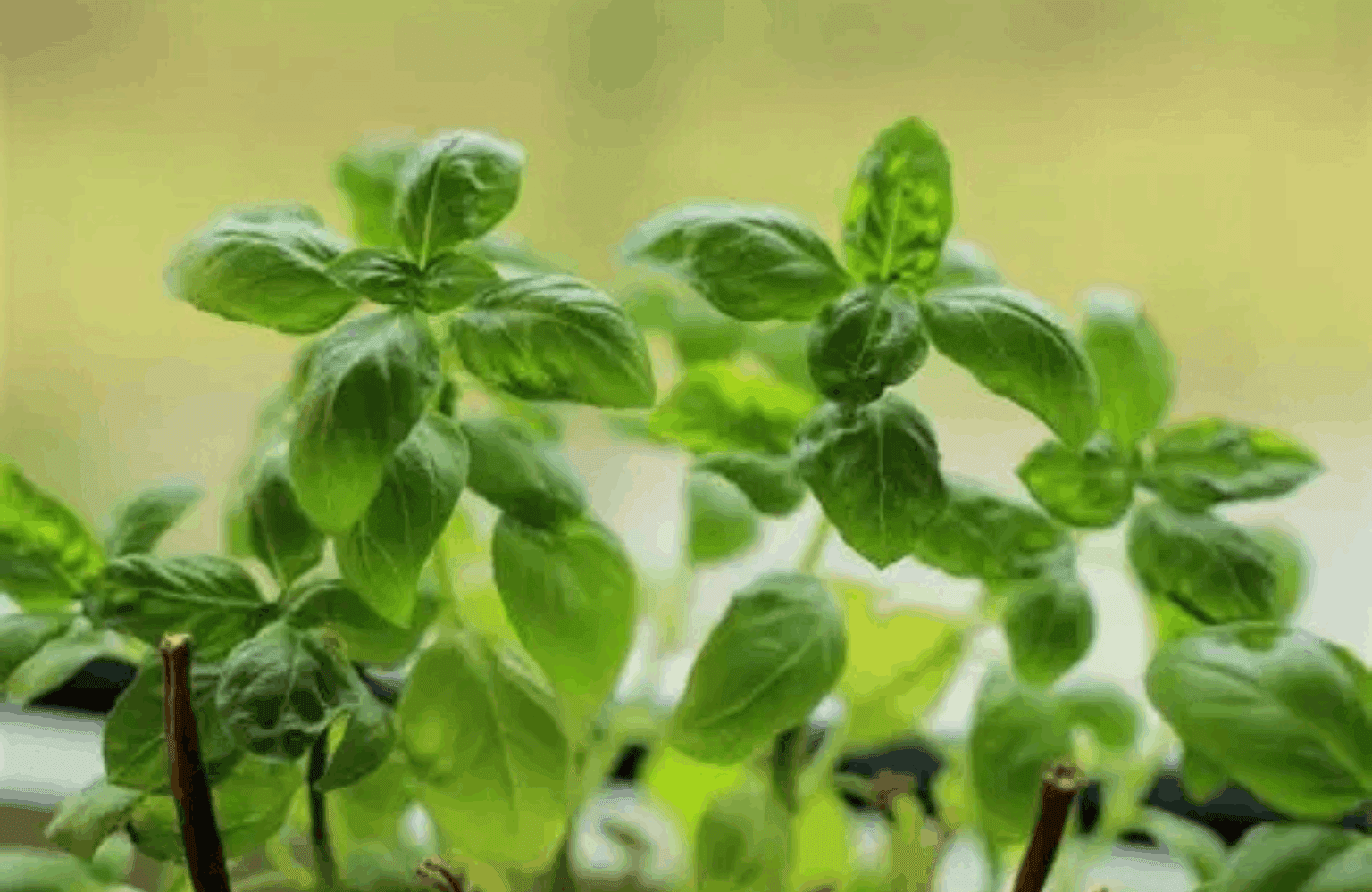
Basil known as Tulsi or Surasa in Ayurveda consists of the leaves of Ocimum sanctum revered for its distinct aroma and medicinal properties. Possessing Pungent and Bitter tastes with Hot potency and Sharp qualities it effectively pacifies Kapha and Vata doshas while potentially aggravating Pitta. It acts as a powerful anti parasitic and antimicrobial agent making it essential for treating respiratory disorders like Kasa or cough Shvasa or asthma and Pratishyaya or rhinitis. It is also indicated for hiccups flank pain and worm infestations. In fever management Tulsi juice is often used as a vehicle or processing agent for formulations like Tribhuvanakirti Rasa. Ideally taken as fresh juice or powder it helps clear deep seated mucus and improves digestion.
Basil
Basil, specifically Holy Basil, is one of the most revered plants in Ayurveda. Known as Tulsi or Surasa in Sanskrit, it is considered a holy plant and a potent medicinal herb. It is frequently used in formulations to treat fever, respiratory disorders, and poisoning. It is valued for its ability to balance Kapha and Vata doshas and is a common household remedy in India.
1. Name of the Herb
- Common Name: Basil, Holy Basil.
- Scientific Name: Ocimum sanctum Linn. (Synonym: Ocimum tenuiflorum).
- Other Names / Synonyms: Tulsi (Hindi), Surasa (Sanskrit), Sumukha (Sanskrit), Tulasi.
2. Brief Description
Basil is an aromatic plant found throughout India. It is highly regarded in the Indian tradition not only for its spiritual significance but also for its extensive medicinal properties. In Ayurveda, it is classified as a vital herb for treating respiratory ailments, parasitic infections, and poisoning. It is often used as a Svarasa (fresh juice) to process other mineral medicines (Bhavana) to enhance their potency, particularly in fever management.
3. Source / Part Used
- Plant Source: Herbal / Plant-based.
- Part Used:
- Leaf (Patra): Most commonly used.
- Flower (Pushpa): Used in specific formulations like Bilvadi Gutika.
- Whole Plant (Panchanga): Often used in decoctions.
4. Ayurvedic Properties
According to Ashtanga Sangraha and other classical texts, Basil (Surasa) possesses the following properties:
- Rasa (Taste): Katu (Pungent), Tikta (Bitter), and Kashaya (Astringent).
- Guna (Qualities): Laghu (Light), Ruksha (Dry), and Tikshna (Sharp).
- Virya (Potency): Ushna (Hot).
- Vipaka (Post-digestive effect): Katu (Pungent).
- Dosha Effect: Kaphavatahara (Pacifies Vata and Kapha doshas). It helps to remove deep-seated mucus and clear channels.
5. Key Benefits
- Respiratory Support: Highly effective for cough (Kasa), asthma (Shwasa), and rhinitis (Pratishyaya).
- Fever Management: A key ingredient in medicines for intermittent fever (Vishama Jvara) and chronic fever.
- Anti-Parasitic: Acts as Krimighna, helping to expel intestinal worms.
- Digestive Aid: improves digestion and appetite (Rocana / Dipana).
- Anti-Toxic: Used in formulations to treat insect and snake bites (Visha).
6. Uses / Indications
Basil is indicated in Ayurveda for the following conditions:
- Kasa & Shwasa: Cough, Dyspnoea, and Asthma.
- Jvara: Fever, particularly Sannipata Jvara (severe fever due to vitiation of all three doshas).
- Hikka: Hiccups.
- Parshvashula: Pain in the flanks or sides of the chest.
- Krimi Roga: Worm infestations.
- Visha: Poisoning (used in Bilvadi Gutika for snake and spider bites).
- Kushtha: Skin diseases.
7. How It Works
- Decongestant & Diaphoretic: Due to its Ushna (Hot) and Tikshna (Sharp) qualities, Basil liquefies and expels vitiated Kapha (mucus) from the respiratory tract.
- Antimicrobial: It purifies the body and channels. In Panchakarma procedures, Tulsi leaves are used in Bashpa Sweda (steam bath) to induce sweating and clear toxins.
- Potentiator: The fresh juice of Tulsi is used to triturate (grind) herbo-mineral medicines like Tribhuvanakirti Rasa, enhancing their efficacy in treating fever.
8. Dosage
- Fresh Juice (Svarasa): 10 to 20 ml.
- Powder (Churna): 1 to 3 grams.
- Decoction: Used as an ingredient in various Kvatha formulations.
- Note: It is often used as an Anupana (vehicle) for taking other medicines. For example, Lakshminarayana Rasa is taken with Tulasisvarasa (Basil juice).
9. Safety Information
Basil is generally considered safe and well-tolerated when used in dietary or traditional medicinal quantities. It is non-addictive and commonly used in herbal teas.
10. Side Effects
- Heat Sensation: Due to its Ushna (Hot) potency and Tikshna (Sharp) quality, consuming large amounts may cause a burning sensation or aggravate Pitta (heat) in sensitive individuals.
- Dryness: Its Ruksha (Dry) quality may cause dryness if not balanced with unctuous substances in people with dry constitutions.
11. Precautions
- Pitta Prakriti: Individuals with a dominant Pitta constitution or suffering from hyperacidity should use it cautiously.
- Pregnancy: While generally safe as a spice, medicinal doses should be taken under the guidance of an Ayurvedic physician.
12. Storage Instructions
- Fresh Leaves: Should be used immediately or stored in a cool place for short periods.
- Dried Powder: Store in a cool, dry place in an air-tight container to preserve its volatile oils and aroma.
13. References
-
Encyclopaedia Britannica – Holy Basil (Ocimum tenuiflorum)
Botanical description, traditional uses, and significance.
https://www.britannica.com/plant/holy-basil -
Kew Science – Plants of the World Online (POWO)
Taxonomic details of Ocimum tenuiflorum.
https://powo.science.kew.org/ -
The Ayurvedic Pharmacopoeia of India (API) – Ministry of AYUSH
Official herbal monograph.
https://www.ayush.gov.in -
Indian Medicinal Plants – A Compendium of 500 Species
Warrier, P.K., Nambiar, V.P.K., & Ramankutty, C. -
Indian Materia Medica – Nadkarni, K.M.
https://archive.org/details/IndianMateriaMedica -
Database on Medicinal Plants Used in Ayurveda (CCRAS)
https://www.ccras.nic.in -
WHO Monographs on Selected Medicinal Plants
https://www.who.int -
Review Article: Tulsi – The Mother Medicine of Nature
Cohen, M.M. (2014). Journal of Ayurveda and Integrative Medicine.
https://www.sciencedirect.com
14. FAQs
Q. Can it be taken daily?
Yes, consuming a few fresh leaves or a weak tea daily is a common practice in India for general immunity and respiratory health.
Q. When should it be taken?
It is often taken in the morning on an empty stomach or used as a vehicle (Anupana) with other medicines during fever or respiratory illness.
Q. Can it be taken with milk/water?
It is commonly taken with warm water or honey. While sometimes used with milk in specific recipes, its hot potency usually pairs better with honey or water for respiratory issues.
Consult a Doctor
- MS4.2Midun s kumar
Ayurveda4 yrs exp
- SP4.5Dr Sreelekha P Nair
Ayurveda6 yrs exp
- VR4.2Vaidya Rohit Kumar
Ayurveda3 yrs exp
- V4.1Vairamuthu
Ayurveda8 yrs exp
Buy Medicine
 Prescribed to you4.4₹15 cashback
Tulasi Tab (Dhootapapeshwar) SDL
SDLDigestion and immunity support
Strip of 60 Tablets
4.4
₹157Get ₹15 Cashback