Bay Leaf Benefits and Uses
Reviewed by medical experts · For informational purposes only
Introductory summary
Bay Leaf known as Tvakpatra or Tejapatra in Ayurveda consists of the dried leaves of Cinnamomum tamala. It possesses Sweet and Pungent tastes with Light Slimy and Sharp qualities and Hot potency. It effectively pacifies Kapha and Vata doshas while stimulating the appetite as a Rucya agent. Clinical indications include the treatment of hemorrhoids known as Arsha chronic rhinitis or Pinasa nausea and anorexia. It is a vital component of the aromatic blends Trijata and Caturjata and is used in formulations like Citrakadi Taila and Kasisadi Taila. The Ayurvedic Pharmacopoeia of India recommends a dosage of 1 to 3 grams of the leaf powder to improve digestion and clear respiratory congestion.
Bay Leaf
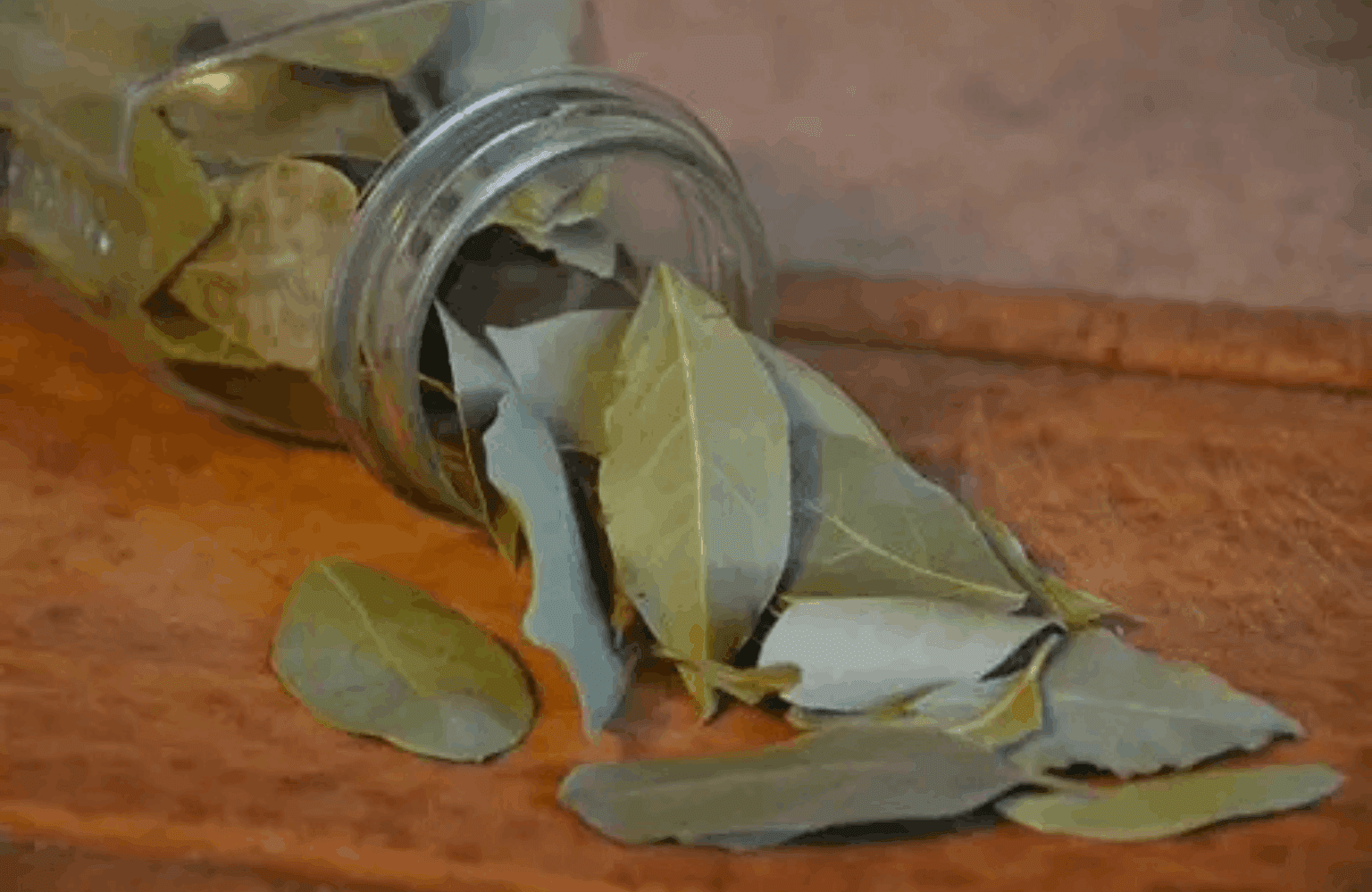
Bay Leaf, specifically the Indian variety known as Tejapatra or Tvakpatra in Ayurveda, consists of the dried mature leaves of Cinnamomum tamala. It is a key aromatic spice and medicinal herb used to enhance appetite, clear respiratory congestion, and balance the body's energies. It is a crucial component of the famous aromatic blend Trijata (Three Aromatics) and Caturjata (Four Aromatics) used in many Ayurvedic formulations.
1. Name of the Herb
- Common Name: Indian Bay Leaf, Tejpat.
- Scientific Name: Cinnamomum tamala (Buch.-Ham.) Nees & Eberm.
- Sanskrit Names: Tvakpatra, Patra, Varanga, Coca.
- Regional Names: Tejpat (Hindi), Tejpatra (Bengali), Talishappattiri (Tamil), Tamalpatra (Marathi).
2. Brief Description
The Ayurvedic "Bay Leaf" refers to the leaves of a small evergreen tree found in the tropical and sub-tropical Himalayas. Unlike the European Bay Leaf (Laurus nobilis), the Indian variety is known for its cinnamon-like aroma. In Ayurveda, it is highly valued for its ability to clear channels (Srotas), improve digestion, and manage respiratory conditions like chronic rhinitis (Pinasa) and piles (Arsha). It is considered an appetizer (Rucya) and a cleaner of the mouth.
3. Source / Part Used
- Plant Source: Herbal / Tree-based.
- Part Used: Dried Mature Leaf (Patra).
4. Ayurvedic Properties
According to the Ayurvedic Pharmacopoeia of India, Tvakpatra possesses the following energetic qualities:
- Rasa (Taste): Madhura (Sweet) and Katu (Pungent).
- Guna (Qualities): Laghu (Light to digest), Tikshna (Sharp/Penetrating), and Picchila (Slimy/Mucilaginous).
- Virya (Potency): Ushna (Hot).
- Vipaka (Post-digestive effect): Katu (Pungent).
- Dosha Effect: Kaphavatahara (Pacifies Vata and Kapha doshas). Due to its hot potency, it can aggravate Pitta if used in excess.
5. Key Benefits
- Enhances Digestion: Acts as a Rucya (appetizer) and helps combat loss of taste (Aruci).
- Respiratory Support: Effective in treating Pinasa (Chronic rhinitis/sinusitis) and clearing mucus.
- Relieves Nausea: Used to treat Hrllasa (Nausea) and oppression in the chest.
- Hemorrhoid Management: Possesses Arsoghna properties, making it useful in the treatment of piles (Arsha).
- Oral Health: Helps in clearing bad breath and oral disorders when used in gargles or powders.
6. Uses / Indications
Bay Leaf (Tvakpatra) is indicated in Ayurveda for the following conditions:
- Arsha: Piles / Hemorrhoids.
- Aruci: Anorexia / Tastelessness.
- Pinasa: Chronic Rhinitis / Sinusitis.
- Hrllasa: Nausea.
- Kaphavataja Roga: Disorders arising from cold and congestion.
7. How It Works
- Digestive & Metabolic: Its Ushna (Hot) potency stimulates the digestive fire (Agni), while its Tikshna (Sharp) quality helps penetrate tissues to remove blockages.
- Respiratory: As a key ingredient in Caturjata Churna (along with Cinnamon, Cardamom, and Nagakesara), it acts as an expectorant and bronchodilator, clearing the airways of Kapha (mucus).
- Local Action: In oil formulations like Kasisadi Taila, it is used externally to shrink pile masses and heal tissues.
8. Dosage
The recommended dosage according to the Ayurvedic Pharmacopoeia of India is:
- Powder (Churna): 1 to 3 grams.
- In Formulations: Used as a minor ingredient in varying doses (e.g., in Sitopaladi Churna or Talisadya Churna).
9. Safety Information
- Indian Bay Leaf is considered safe when consumed in culinary amounts and therapeutic doses.
- It is a standard ingredient in many common formulations like Chyavanaprasha and Sitopaladi Churna, which are widely used for general health and immunity.
10. Side Effects
- Pitta Aggravation: Due to its Ushna (Hot) and Tikshna (Sharp) nature, excessive consumption may cause a burning sensation, acidity, or increased body heat (Pitta).
- Excessive Thirst: Large doses might induce thirst or dryness.
11. Precautions
- High Pitta: Individuals suffering from hyperacidity, ulcers, or bleeding disorders (Raktapitta) should use it cautiously.
- Pregnancy: Safe as a spice, but medicinal doses should be monitored by a physician.
12. Storage Instructions
- Store in a cool, dry place.
- Keep in an air-tight container to preserve its volatile oils and aroma.
- Protect from direct sunlight.
13. References
-
Encyclopaedia Britannica – Bay Leaf (Laurus nobilis)
Botanical description, history, and culinary/medicinal uses.
https://www.britannica.com/plant/bay-leaf -
Kew Science – Plants of the World Online (Cinnamomum tamala)
Taxonomy and botanical details.
https://powo.science.kew.org/ -
The Ayurvedic Pharmacopoeia of India (API) – Ministry of AYUSH
Official monograph on Cinnamomum tamala.
https://www.ayush.gov.in -
WHO Monographs on Selected Medicinal Plants
World Health Organization.
https://www.who.int -
Review Article: Chemical Composition and Pharmacological Properties of Cinnamomum tamala
Journal of Ethnopharmacology (Elsevier).
https://www.sciencedirect.
14. FAQs
Q. Can it be taken daily?
Yes, it is commonly used as a spice in daily cooking (like Dal or curries) to aid digestion.
Q. When should it be taken?
As a medicine, it is often taken before or with food to improve appetite, or with honey for respiratory issues.
Q. Can it be taken with milk/water?
Yes. In powder form (Churna), it is often taken with warm water or honey. It is also boiled in milk in certain preparations to reduce its sharpness.
Consult a Doctor
- KC5.0Dr. Kamesh chand sharma
Ayurveda2 yrs exp
- PP4.4Dr prince patel
Ayurveda22 yrs exp
- KH4.4Dr Kowshalya H S
Ayurveda3 yrs exp
- AK4.8Dr. Amalnath K Viswanathan
Ayurveda4 yrs exp