Black Salt Benefits and Uses
Reviewed by medical experts · For informational purposes only
Introductory summary
Black Salt known in Ayurveda as Sauvarcala Lavana is a distinct type of salt valued for being lighter and more beneficial for digestion than common sea salt. It possesses a salty taste with a pungent post digestive effect and hot potency. Unlike ordinary salt it is described as aromatic penetrating and non slimy helping to clear the channels of the body. It effectively pacifies Vata and Kapha doshas. Therapeutically it acts as a powerful appetizer and carminative stimulating the digestive fire and clearing accumulated gas. It is widely used to treat abdominal colic bloating indigestion and constipation. Due to its subtle qualities it is considered agreeable to the heart and is a key ingredient in many digestive powders.
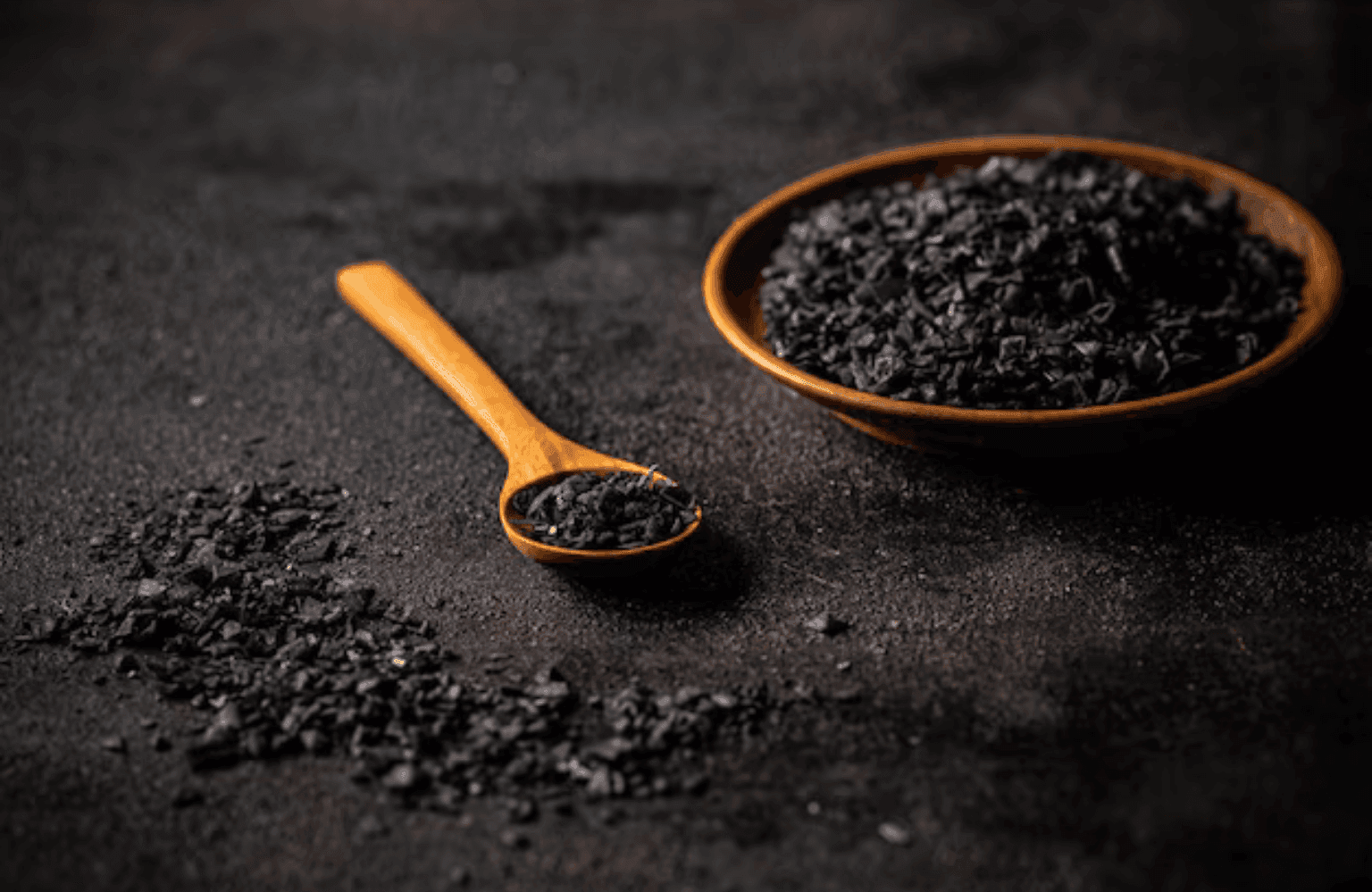
Black Salt
Black Salt, known in Ayurveda as Sauvarcala Lavana or Kala Namak, is a distinct type of salt widely used in traditional medicine for its digestive and carminative properties. Unlike common sea salt (Samudra Lavana), Black Salt is described in classical texts as being lighter, aromatic, and specifically beneficial for clearing the channels of the body and stimulating digestion. It is a key ingredient in many famous Ayurvedic formulations like Bhaskara Lavana Churna and Avipattikara Churna.
1. Name of the Herb
- Common Name: Black Salt.
- Ayurvedic/Sanskrit Name: Sauvarcala (Souvarchala), Kāla Lavaṇa (Black Salt), Kṛṣṇa Lavaṇa.
- Synonyms: Rucaka (Appetizing), Aksha (in specific contexts).
2. Brief Description
In Ayurveda, Black Salt (Sauvarcala) is considered superior to other salts for digestive purposes because it is Laghu (light to digest) and Sugandhi (aromatic/fragrant). While common salt is heavy and can cause water retention, Black Salt is described as "cleansing" and "appetizing." It is traditionally used to ignite the digestive fire (Agni), remove gas, and clear the intestines without causing the heavy heating effect associated with excessive sea salt consumption. It is often prescribed as a digestive tonic.
3. Source / Part Used
- Source: Mineral / Earth-derived (Audbhida). It is often obtained from natural saline earth or prepared through specific heating processes involving herbs.
- Part Used: The salt crystal/powder.
4. Ayurvedic Properties
According to Charaka Samhita and Ayurvedic Formulary of India:
- Rasa (Taste): Lavana (Salty) and slightly Katu (Pungent). It is noted to be Sugandhi (aromatic).
- Guna (Qualities): Laghu (Light), Sukshma (Subtle/Penetrating), Visada (Non-slimy/Clear).
- Virya (Potency): Usna (Hot).
- Vipaka (Post-digestive effect): Katu (Pungent).
- Dosha Effect:
- Vata: Pacifies Vata (due to heat and unctuousness).
- Kapha: Liquefies/Scrapes Kapha (due to sharpness and heat).
- Pitta: Increases Pitta (if used in excess, due to heat).
5. Key Benefits
- Stimulates Digestion: Acts as a powerful Deepana (ignites digestive fire) and Pachana (digestive).
- Relieves Gas: Strong Anulomana action (moves wind downwards), relieving bloating and distension.
- Clears Channels: Being Sukshma (subtle), it penetrates and cleanses the body's micro-channels (Srotas).
- Improves Appetite: Acts as Rucya (improves taste/appetite).
- Relieves Colic: Highly effective in reducing Shula (abdominal pain).
6. Uses / Indications
Black Salt is indicated in classical texts for the following conditions:
- Digestive Disorders: Ajirna (Indigestion), Agnimandya (Loss of appetite), Adhmana (Flatulence).
- Pain: Shula (Colic/Abdominal pain), Hrud-ruja (Cardiac pain due to gas).
- Respiratory: Kasa (Cough) and Shwasa (Asthma) — helps liquefy mucus.
- Elimination: Vibandha (Constipation) and Udavarta (Upward movement of gas).
- Specific Formulations: It is a major ingredient in Bhaskara Lavana Churna (for indigestion) and Avipattikara Churna (for acidity/constipation).
7. How It Works
- Channel Cleansing: Unlike ordinary salt which can cause water retention, Black Salt is described as Visada (clear/non-slimy). It helps break down fecal accumulation and clears obstructions in the gut.
- Carminative Action: Its Usna (hot) potency and Katu (pungent) post-digestive effect stimulate the secretion of digestive enzymes and propel accumulated Vata (gas) downwards, relieving bloating instantly.
- Mucolytic: Its sharp quality helps melt hardened Kapha (mucus), making it useful in respiratory conditions when combined with herbs like ginger.
8. Dosage
(General guidance based on formulations containing Black Salt in Ayurvedic Formulary of India):
- Powder (Churna): 1 to 3 grams.
- Note: Usually taken mixed with warm water, buttermilk, or other herbal powders.
9. Safety Information
Black Salt is generally considered safe and beneficial when used in therapeutic dosages. It is considered "Hrdya" (agreeable to the heart) in moderation compared to other salts.
10. Side Effects
- Burning Sensation: Excess intake can aggravate Pitta, leading to heartburn or a burning sensation in the throat.
- Thirst: Like all salts, excessive use induces Trshna (thirst).
- Blood Vitiation: Excessive continuous use of any salt (Lavana) is noted in Charaka Samhita to vitiate Rakta (blood) and weaken muscles.
11. Precautions
- Hypertension/Edema: While lighter than sea salt, it is still a salt; individuals with swelling (Shopha) or fluid retention should use it cautiously.
- Pitta Disorders: Those with high acidity or bleeding disorders (Raktapitta) should use it sparingly.
- Pregnancy: Safe in culinary amounts, but medicinal doses should be monitored.
12. Storage Instructions
- Hygroscopic: Black salt absorbs moisture from the air quickly. It must be stored in a tightly closed container (glass or food-grade plastic) in a cool, dry place to prevent it from turning into liquid.
13. References
-
Physicochemical analysis of black salt (Kala Namak) – Journal of Food Science and Technology
https://link.springer.com/article/10.1007/s13197-
-
Mineral composition and sulfur compounds in black salt – Food Chemistry
https://pubmed.ncbi.nlm.nih.gov/
-
Digestive stimulatory effect of mineral salts – Indian Journal of Traditional Knowledge
https://nopr.niscair.res.in/handle/123456789/
-
Sodium intake and gastrointestinal physiology – World Journal of Gastroenterology
https://www.wjgnet.com/
-
Safety and heavy metal analysis of edible salts – Environmental Monitoring and Assessment
https://link.springer.com/journal/10661
-
Comparative study of rock salt and black salt mineral content – International Journal of Food Properties
https://www.tandfonline.com/toc/ljfp20/current
-
Antimicrobial properties of mineral salts – Journal of Applied Microbiology
https://sfamjournals.onlinelibrary.wiley.com/journal/
-
Sulfur-containing compounds and digestive health – Nutrients Journal
https://www.mdpi.com/journal/nutrients
14. FAQs
** **Q. Can it be taken daily?
In small culinary amounts (like in buttermilk), it is safe. However, large therapeutic doses should be taken only for the duration of the digestive issue. Charaka Samhita advises against the habit of consuming excess salt daily as it can lead to premature graying and wrinkling.
Q. When should it be taken?
It is best taken after meals to aid digestion or during a meal to stimulate appetite.
Q. Can it be taken with milk/water?
It is most commonly taken with warm water or buttermilk (Takra). It should generally not be combined with milk, as the combination of salt and milk is considered incompatible (Viruddha Ahara) in Ayurveda, potentially leading to skin diseases.
Consult a Doctor
- NG5.0Dr Nandini gaur
Ayurveda1 yrs exp
- KC5.0Dr. Kamesh chand sharma
Ayurveda2 yrs exp
- PP4.4Dr prince patel
Ayurveda22 yrs exp
- KH4.4Dr Kowshalya H S
Ayurveda3 yrs exp