Brinjal Benefits and Uses
Reviewed by medical experts · For informational purposes only
Introductory summary
Brinjal known as Vartaka in Ayurveda is a medicinal vegetable scientifically identified as Solanum melongena. It is valued in traditional medicine for its pungent and bitter tastes combined with a hot potency which allows it to effectively pacify Kapha and Vata doshas. Unlike its common culinary use Ayurveda utilizes specific varieties to treat respiratory conditions like asthma and cough due to its ability to cut through mucus. It also acts as a digestive stimulant and appetizer improving metabolic fire. Therapeutically it is indicated for heart diseases and neuralgic pain. Key Ayurvedic formulations include Vartaku Guda which is specifically used for respiratory ailments. While generally safe it should be consumed cooked and used cautiously by those with high Pitta or skin disorders.
Brinjal
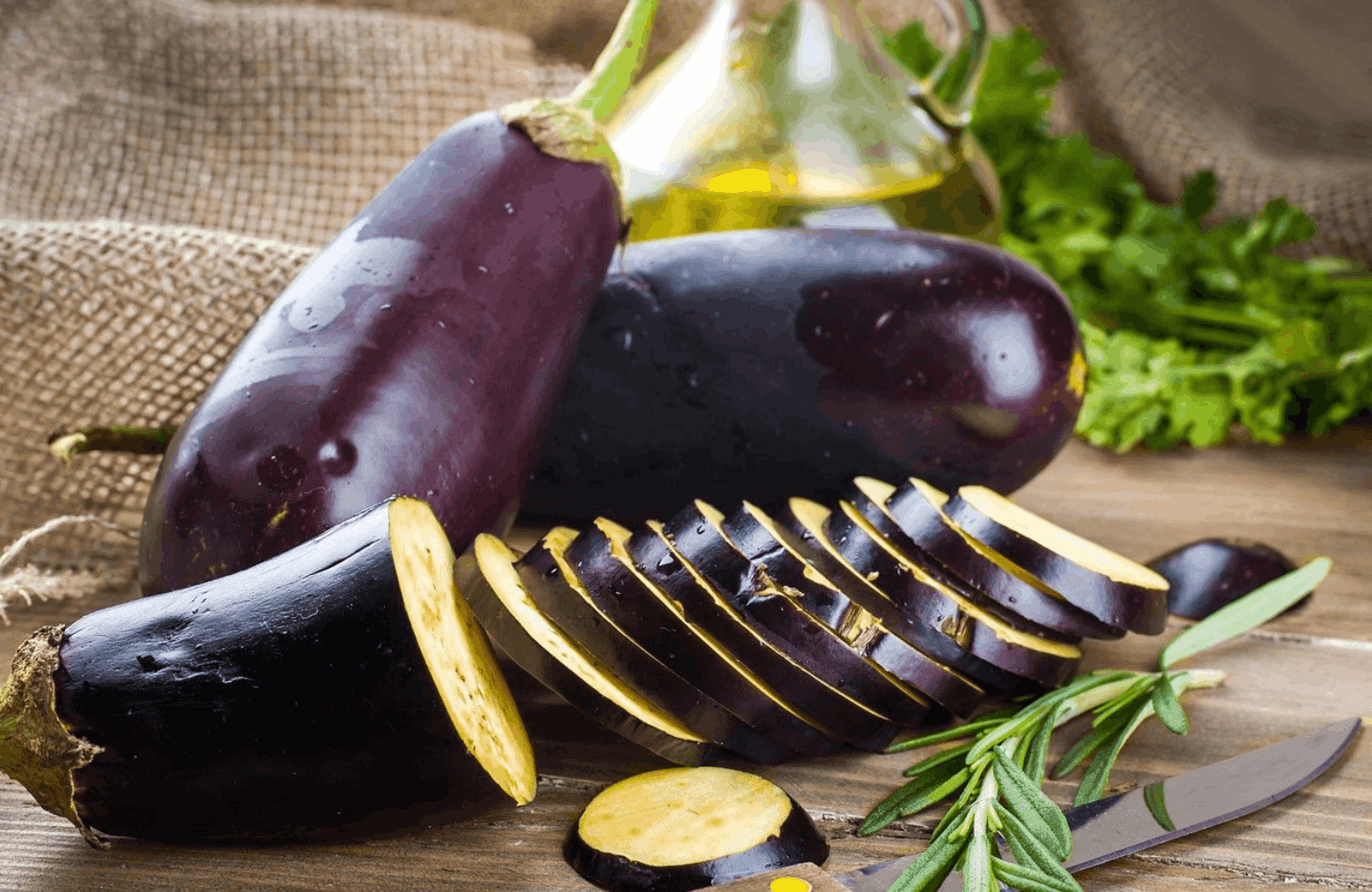
Brinjal, commonly known as Eggplant or aubergine, is a well-known vegetable used extensively in Indian cuisine. In Ayurveda, it is known as Vartaka or Vartaki. Far from being just a common kitchen vegetable, traditional texts describe it as a specific medicinal substance with pungent and bitter properties, useful for stimulating appetite and treating respiratory conditions like asthma and cough.
1. Name of the Herb
- Common Name: Brinjal, Eggplant, Aubergine.
- Scientific Name: Solanum melongena Linn. (related wild species include Solanum indicum known as Bṛhatī and Solanum surattense known as Kaṇṭakārī).
- Sanskrit Names: Vartaka, Vārttākī, Bhanṭākī (specifically for the wild/medicinal variety Solanum anguivi / S. indicum which is often used interchangeably in medicinal contexts).
- Regional Names:
- Hindi: Baingan, Bhanta
- Bengali: Begun
- Tamil: Kathirikai
- Telugu: Vankaya
- Kannada: Badanekai
2. Brief Description
Brinjal is a herbaceous plant bearing large, fleshy fruits that vary in color from purple to green or white. While the cultivated variety (Solanum melongena) is a common food, Ayurveda often utilizes the wilder, more bitter varieties (like Solanum anguivi or Bṛhatī) for medicinal purposes. The fruit is described as light to digest (when properly cooked) and is valued for its ability to reduce Kapha (mucus) and Vata (wind) while stimulating the digestive fire.
3. Source / Part Used
- Plant Source: Herbal / Plant-based (Undershrub).
- Part Used: Fruit (Phala) and Root (Mula).
- Note: In specific formulations like 'Vartaku Guda', the whole fruit is used.
4. Ayurvedic Properties
According to the Ayurvedic Pharmacopoeia of India (specifically regarding the medicinal variety Bṛhatī / Vartaka):
- Rasa (Taste): Katu (Pungent) and Tikta (Bitter).
- Guna (Qualities): Laghu (Light) and Ruksha (Dry).
- Virya (Potency): Ushna (Hot).
- Vipaka (Post-digestive effect): Katu (Pungent).
- Dosha Effect: Kapha-Vata Shamaka (Pacifies Kapha and Vata doshas). It generally aggravates Pitta if taken in excess due to its heating nature.
5. Key Benefits
- Respiratory Support: Highly effective in reducing mucus and managing respiratory congestion.
- Improves Digestion: Acts as a Deepana (appetizer) and stimulates digestive fire.
- Pain Relief: Useful in neuralgic pain and body aches (Angamarda).
- Heart Health: Described as Hridya (beneficial for the heart) and a blood purifier.
- Reduces Swelling: Possesses Shothahara (anti-inflammatory) properties.
6. Uses / Indications
Brinjal (specifically the medicinal variety Vartaka) is indicated in Ayurveda for:
- Respiratory Disorders: Kāsa (Cough) and Śvāsa (Asthma/Dyspnoea). It is a key ingredient in formulations like Vartaku Guda for these conditions.
- Digestive Issues: Aruci (Anorexia/Tastelessness) and Agnimāndya (Low digestive fire).
- Heart Conditions: Hṛdroga (Heart diseases).
- Fever: Jvara (Fever), specifically those associated with Kapha.
- Throat Disorders: Svarabheda (Hoarseness of voice).
7. How It Works
- Mechanism: The pungent (Katu) and bitter (Tikta) tastes, combined with its hot potency (Ushna), help to liquefy and expel sticky mucus (Kapha) from the respiratory tract.
- Digestive Action: It stimulates the secretion of digestive enzymes, clearing the channels (Srotas) and removing blockage caused by cold or stagnation (Vata/Kapha).
- Cardiac Action: It acts as a cardiac stimulant and blood purifier due to its Tikta (bitter) components.
8. Dosage
(General guidance based on Ayurvedic Pharmacopoeia of India and AFI):
- Powder (Churna): 3 to 6 grams.
- Decoction (Kvatha): 20 to 30 grams of the dried drug for decoction.
- Note: As a vegetable, it is consumed in larger food quantities, but for medicinal concentration, these dosages apply.
9. Safety Information
- Safe when cooked: Brinjal is generally safe for consumption when properly cooked.
- Ayurvedic Processing: Medicinal preparations often involve processing the fruit with ghee or jaggery (as in Vartaku Guda) to balance its pungency and enhance its therapeutic effect on the lungs.
10. Side Effects
- Pitta Aggravation: Due to its hot potency (Ushna) and pungent nature, excess consumption may cause burning sensations, acidity, or skin rashes in Pitta-dominant individuals.
- Allergy: Some individuals may experience itching or oral allergy syndrome due to alkaloids found in the Solanaceae family.
11. Precautions
- Skin Diseases: Patients with severe skin conditions (Kustha) or itching (Kandu) should avoid excessive intake as it can sometimes aggravate these conditions due to its sharp nature.
- Bleeding Disorders: Caution is advised in cases of Raktapitta (bleeding disorders) due to its heating property.
- Pregnancy: Safe as a food ingredient, but medicinal concentrates should be taken under supervision.
12. Storage Instructions
- Store dried fruit pieces or powder in a cool, dry place.
- Keep away from moisture to prevent mold growth.
13. References
-
WHO & FAO Joint Meeting on Pesticide Residues (JMPR) – covers safety of pesticide residues in vegetables including brinjal.
Searchable safety evaluations and acceptable limits.
WHO is authoritative for food safety and quality evaluation.https://www.who.int/health-topics/food-safety
-
The Codex sets international safety & quality standards for vegetables (including brinjal) in global trade.
Codex General Standard for Contaminants and Toxins in Food and Feed
Codex Maximum Residue Limits (MRLs) for pesticides
Joint FAO/WHO food standards program:
http://www.fao.org/fao-who-codexalimentarius
-
Noda Y., et al. (2000). Antioxidant activity of nasunin from eggplant peel.
Journal of Agricultural and Food Chemistry.Nasunin is a potent antioxidant found in brinjal peel.
Explores free-radical scavenging activity.
https://pubmed.ncbi.nlm.nih.gov/11073921
-
USDA FoodData Central – Eggplant (raw)
Authoritative nutritional composition for calories, vitamins, minerals, fiber, etc.
Useful for dietary and health research.
-
Niranjana K., et al. (2016). Genetics of resistance in brinjal to shoot-and-fruit borer.
Journal of Applied Horticulture.
Study on breeding disease-resistant brinjal cultivars — important for crop improvement.https://journals.ashs.org/jashs/view/journals/jashs/71/4/article-p341.xml
14. FAQs
** **Q. Can it be taken daily?
As a vegetable, it can be eaten regularly, but Ayurveda recommends rotating vegetables. For medicinal purposes (like treating cough), it is taken for a specific duration.
Q. When should it be taken?
Medicinal preparations like Vartaku Guda (electuary) are often licked or eaten in the morning or evening to manage respiratory issues.
Q. Can it be taken with milk/water?
Medicinal powders are often taken with honey or warm water to enhance the expectorant effect. It is generally not combined with milk in food recipes (incompatible combination), though specific medicinal processing may vary.
Consult a Doctor
- NG5.0Dr Nandini gaur
Ayurveda1 yrs exp
- KC5.0Dr. Kamesh chand sharma
Ayurveda2 yrs exp
- PP4.4Dr prince patel
Ayurveda22 yrs exp
- KH4.4Dr Kowshalya H S
Ayurveda3 yrs exp