Brown rice Benefits and Uses
Reviewed by medical experts · For informational purposes only
Introductory summary
Brown rice often correlated with Rakta Shali or Red Rice in Ayurveda is revered as the superior grain variety. Unlike heavy new rice aged unpolished rice is light unctuous and sweet in taste and post digestive effect. It possesses a cooling potency making it effective in balancing all three doshas particularly Pitta. Therapeutically it acts as a wholesome tonic that enhances strength semen and eyesight. It is indicated for relieving burning sensations excessive thirst and bleeding disorders known as Raktapitta. Additionally specific varieties like Shastika Shali are used in external rejuvenation therapies to strengthen muscles and nerves. Rich in fiber and nutrients it supports digestion without causing lethargy making it a vital dietary staple for maintaining overall health and vitality.
Brown Rice
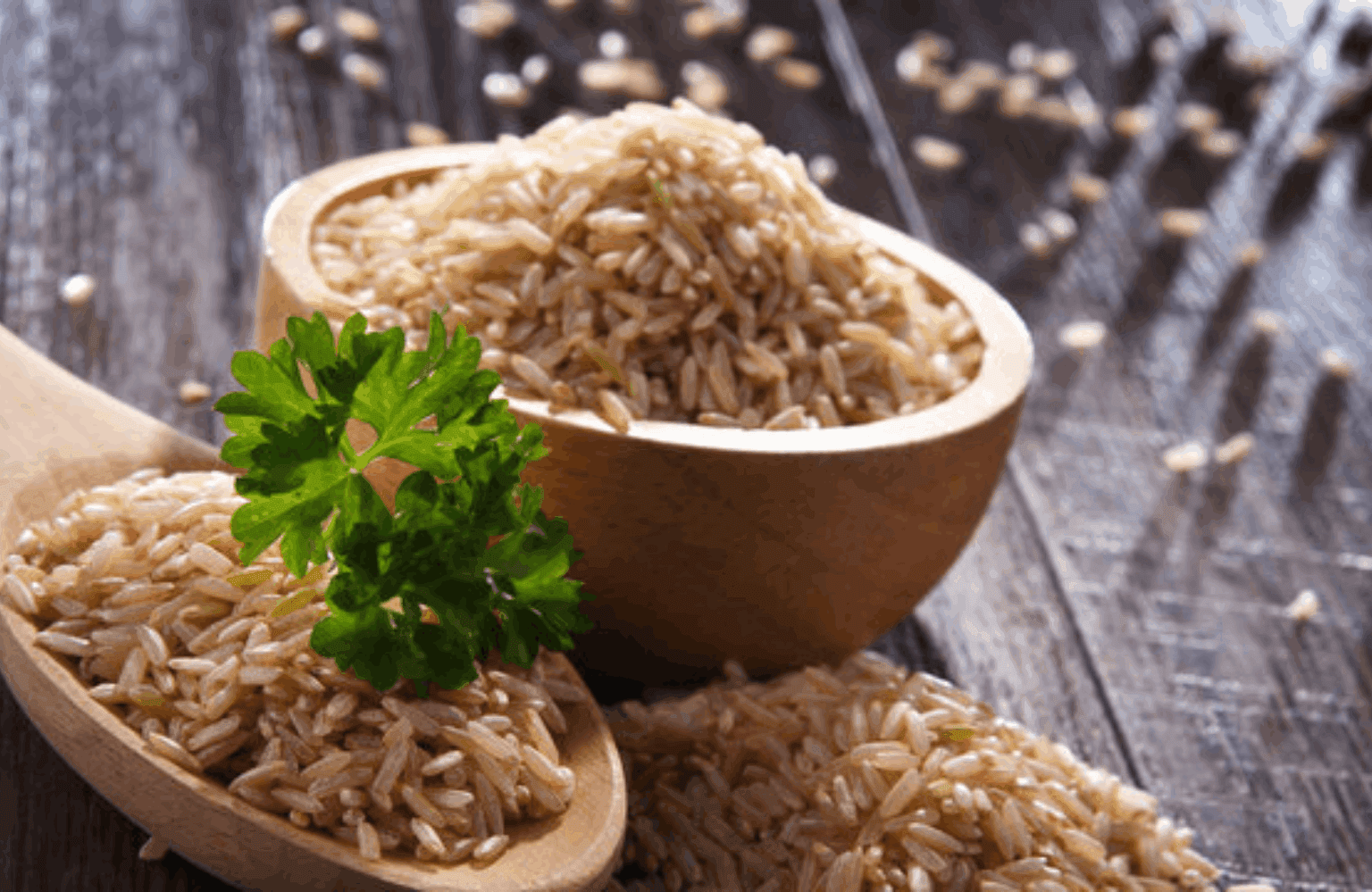
Brown Rice (often correlated with unpolished Śāli or specifically Rakta Śāli in Ayurveda) is a staple cereal grain. Unlike refined white rice, whole grain rice retains its bran layer, making it nutritionally superior. In Ayurveda, specific varieties like Rakta Śāli (Red Rice) and Ṣaṣṭika (60-day rice) are highly prized for their medicinal properties, described as light, cooling, and balancing for the body's energies.
1. Name of the Herb
- Common Name: Rice, Red Rice, Brown Rice.
- Scientific Name: Oryza sativa Linn.
- Sanskrit Names: Śāli, Rakta Śāli (Red Rice), Taṇḍula (Uncooked rice), Ṣaṣṭika (Rice maturing in 60 days).
- Regional Names:
- Hindi: Chawal
- Tamil: Arisi
- Bengali: Chal
2. Brief Description
Rice (Oryza sativa) is an awned grain (Śūkadhānya) considered a vital staple in Ayurveda. While many varieties exist, Ayurveda specifically eulogizes Rakta Śāli (Red Rice) as the superior variety. It is described as unctuous, tonic, and beneficial for the eyes. Unlike heavy, new rice which can be hard to digest, "old" rice (stored for a year) or specific medicinal varieties like Rakta Śāli are considered light and wholesome for daily consumption.
3. Source / Part Used
- Plant Source: Herbal (Grass/Grain).
- Part Used: Fruit/Grain (Phala), Root (Mula).
4. Ayurvedic Properties
According to Charaka Samhita regarding Śāli (specifically Rakta Śāli):
- Rasa (Taste): Madhura (Sweet) and slightly Kaṣāya (Astringent).
- Guna (Qualities): Laghu (Light), Snigdha (Unctuous/Oily).
- Virya (Potency): Śīta (Cold/Cooling).
- Vipaka (Post-digestive effect): Madhura (Sweet).
- Dosha Effect: Tridoṣahara (Balances Vata, Pitta, and Kapha). It particularly alleviates Pitta due to its cooling nature.
5. Key Benefits
- Promotes Strength: Acts as a Balya (tonic), enhancing physical strength and stability.
- Supports Reproductive Health: It is Vṛṣya (aphrodisiac) and Śukrala (increases semen).
- Beneficial for Eyes: Described as Cakṣuṣya, making it good for vision.
- Cooling Action: Helps relieve Dāha (burning sensation) and Tṛṣṇā (excessive thirst).
- Diuretic: Increases the quantity of urine (Mūtrala) while producing very little fecal matter.
6. Uses / Indications
Rice is indicated in Ayurveda for:
- General Nutrition: Wholesome food (Pathya) for daily intake.
- Fever (Jvara): Ṣaṣṭika rice is specifically recommended in fevers and for external fomentation therapies (Pinda Sweda) to strengthen muscles.
- Digestive Disorders: Used in the form of Lājā (parched/popped rice) for vomiting (Chardi), diarrhea (Atisāra), and thirst.
- Bleeding Disorders: Useful in Raktapitta (bleeding from nose/mouth) due to its cooling nature.
- External Therapy: Cooked in milk and herbal decoctions (Navarakizhi), it is used to massage the body for neurological and degenerative neuromuscular disorders like muscle wasting and stiffness.
7. How It Works
- Nourishment: It is Bṛṃhaṇa (bulk-promoting) and Jīvanīya (vitalizing). Its sweet taste and post-digestive effect nourish the body tissues (Dhatus) rapidly.
- Therapeutic Action: The cooling potency (Śīta Virya) pacifies excess heat (Pitta) in the body. When used as old rice (stored for over a year), it becomes lighter and easier to digest, preventing the formation of Ama (toxins).
- Channel Cleansing: Certain preparations like rice water (Tandulodaka) are used as a vehicle (Anupana) for medicines to treat bleeding and burning sensations.
8. Dosage
- As Food: Consumed as a staple diet (Odana) according to one's digestive capacity (Agni).
- Decoction (Root): 50 to 100 ml.
- Powder (Root): 3 to 6 g.
- Note: For therapeutic procedures like Pinda Sweda, 300-500g of rice is used externally.
9. Safety Information
- Rice is generally considered extremely safe and is one of the most hypoallergenic foods.
- It is suitable for all ages, from infants to the elderly.
10. Side Effects
- New Rice: Freshly harvested rice (Nava Śāli) is considered Guru (heavy) and Abhiṣyandi (channel-blocking). It increases mucus (Kapha) and is harder to digest compared to old rice.
- Constipation: Some varieties can be constipating if taken without adequate fiber or liquids.
11. Precautions
- Diabetes: While Rakta Śāli is beneficial, diabetics are generally advised to use Purāṇa Śāli (Old Rice) or barley (Yava) instead of new or polished white rice, as new rice creates heaviness and increases Kapha (associated with high blood sugar).
- Digestion: Individuals with weak digestion (Mandagni) should prefer old rice or processed preparations like gruel (Peya).
12. Storage Instructions
- Store in a cool, dry place.
- Ayurveda specifically recommends using rice that is at least one year old (Purāṇa), as it becomes lighter and more wholesome than fresh rice.
13. References
-
The effect of a brown-rice diet on glycemic control and metabolic parameters in prediabetes and type 2 diabetes mellitus: a meta-analysis
PeerJ (2021) — systematic review of randomized controlled trials assessing brown rice vs white rice on blood sugar, weight, and cholesterol in adults with prediabetes or type 2 diabetes. (PubMed)
-
Brown rice: a missing nutrient-rich health food
Food Science and Human Wellness (2023) — systematic review summarizing brown rice’s effects on cardiovascular disease, diabetes, immune function, neurodegeneration, cancer, and obesity. (sciopen.com)
-
Substituting brown rice for white rice on diabetes risk factors in India: RCT
British Journal of Nutrition — community trial evaluating brown rice replacement effects on glycemic markers in an urban Indian cohort. (Cambridge University Press & Assessment)
14. FAQs
Q. Can it be taken daily?
Yes, Śāli (rice), specifically Rakta Śāli or Ṣaṣṭika, is listed among the foods suitable for daily consumption (Nityasevaniya) in Ayurveda.
Q. When should it be taken?
It is best taken as a meal during the day or evening. Heavy preparations (like rice with curd) should generally be avoided at night.
Q. Can it be taken with milk/water?
Yes, rice cooked with milk (Pāyasa) is a traditional aphrodisiac and tonic. Rice water (Manda or Tandulodaka) is also a respected medicinal drink.
Consult a Doctor
- KC5.0Dr. Kamesh chand sharma
Ayurveda2 yrs exp
- PP4.4Dr prince patel
Ayurveda22 yrs exp
- KH4.4Dr Kowshalya H S
Ayurveda3 yrs exp
- AK4.8Dr. Amalnath K Viswanathan
Ayurveda4 yrs exp