Carrot
Reviewed by medical experts · For informational purposes only
Introductory summary
Carrot known in Ayurveda as Garjara or Grnjanaka is a root vegetable classified under the salad group Harita Varga. Unlike its modern perception as a purely cooling vegetable classical texts like the Charaka Samhita describe it as having sharp and heating properties. It possesses a pungent taste and is considered heavy and constipating known as Grahi making it effective for binding the bowels in cases of loose motions. Therapeutically it is specifically indicated for the treatment of non bleeding piles and disorders arising from aggravated Vata and Kapha doshas. However due to its heating potency it can aggravate Pitta and should be avoided by individuals with high body heat or acidity. It is also used in fomentation therapies to relieve stiffness and pain.
Carrot
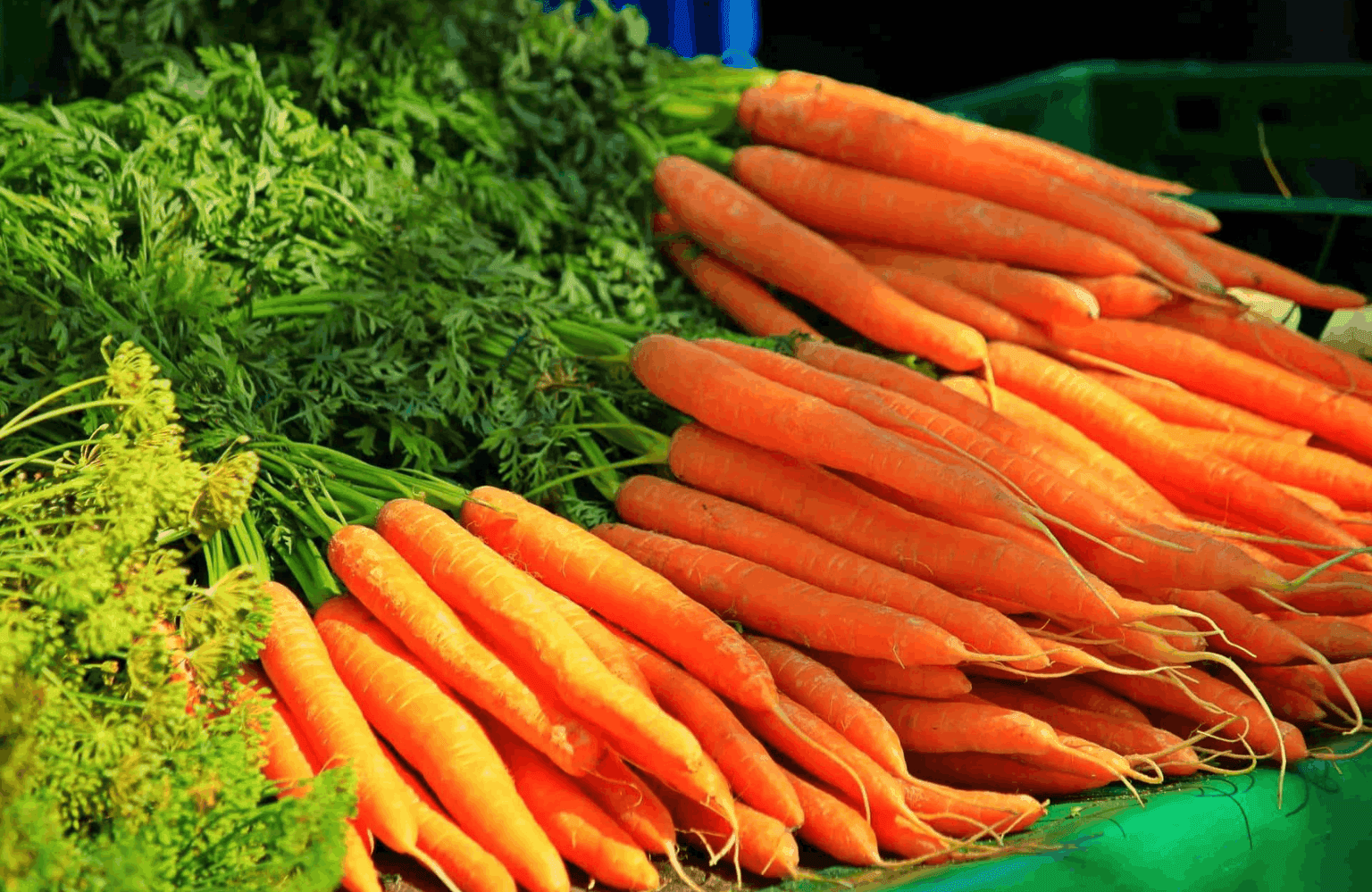
Carrot, known in Ayurveda as Garjara or Gṛñjanaka, is a root vegetable included in the group of "Salads" (Harita Varga) in classical texts. While popularly used as a vegetable today, ancient Ayurvedic texts describe specific therapeutic properties for it, particularly highlighting its heating nature and utility in managing Vata and Kapha disorders, as well as specific conditions like piles.
1. Name of the Herb
- Common Name: Carrot.
- Sanskrit Name: Garjara, Gṛñjanaka (also spelled Crnjanaka in some translations).
- Scientific Name: Daucus carota.
2. Brief Description
In the Charaka Samhita, Carrots (Gṛñjanaka) are classified under the "Group of Salads" (Harita Varga). Unlike many cooling vegetables, the carrot is described as an "irritant" or sharp vegetable with heating properties. It is traditionally valued not just as food, but as a dietary intervention for specific physiological imbalances involving wind (Vata) and mucus (Kapha).
3. Source / Part Used
- Plant Source: Herbal / Plant-based (Root vegetable).
- Part Used: Root (Tuber).
4. Ayurvedic Properties
According to Charaka Samhita (Sutra Sthana, Chapter 27):
- Rasa (Taste): Katu (Pungent) and Madhura (Sweet) (Implied by its Vata-alleviating nature, though explicitly described as "irritant").
- Guna (Qualities): Tikshna (Sharp/Irritant) and Grahi (Constipating/Absorbent).
- Virya (Potency): Ushna (Hot) (Inferred from its ability to aggravate Pitta and alleviate Vata/Kapha).
- Dosha Effect:
- Pacifies: Vata and Kapha.
- Aggravates: Pitta (It is specifically indicated only for those "having no aggravated Pitta").
5. Key Benefits
- Supports Digestive Health: Acts as a Grahi (absorbent/constipating agent), making it useful in loose stools.
- Relieves Piles: Specifically listed as beneficial for Arsha (Piles/Hemorrhoids).
- Pacifies Vata: Helps alleviate disorders caused by excess wind, such as bloating and pain.
- Reduces Kapha: Useful in reducing excess mucus accumulation.
- External Therapy: It is prescribed for use in Svedana (Fomentation/Sweating therapy).
6. Uses / Indications
Carrot (Gṛñjanaka) is indicated in Ayurveda for:
- Gastrointestinal: Arsha (Hemorrhoids/Piles) and conditions requiring bowel binding (constipation/absorption).
- Dosha Imbalance: Disorders of Vata and Kapha.
- Therapeutic Procedures: Used in Svedana (fomentation) diet to induce sweating and relieve stiffness.
7. How It Works
- Mechanism: The carrot possesses "irritant" properties (Vidahi), which stimulates the digestive fire and local circulation. Its Grahi (constipating) property helps absorb excessive fluid in the bowel, making it effective for loose motions or non-bleeding piles. By virtue of its heating potency, it counteracts the cold, heavy qualities of Vata and Kapha.
8. Dosage
(General guidance based on its use as a vegetable/salad in Charaka Samhita):
- Dietary: Consumed as a cooked vegetable or salad in moderate quantities.
- Therapeutic Use: As directed by a physician for specific conditions like piles.
9. Safety Information
- General Tolerance: Well tolerated by individuals with Vata or Kapha constitutions.
- Pitta Sensitivity: Due to its heating and irritant nature, it is not recommended for people with high body heat or Pitta imbalances.
10. Side Effects
- Heat Aggravation: May cause burning sensation or acidity in Pitta-dominant individuals if consumed in excess.
- Constipation: Due to its Grahi (binding) property, excessive intake might lead to constipation in healthy individuals.
11. Precautions
- Pitta Disorders: The Charaka Samhita explicitly states it is prescribed for "those having no aggravated Pitta". Those with acidity, bleeding disorders, or burning sensations should avoid it.
- Dietary Context: It is often grouped with pungent salads like onions and garlic, suggesting it should be used medicinally rather than just as a cooling vegetable.
12. Storage Instructions
- Store in a cool, dry place.
- Fresh roots should be consumed while firm; dried preparations (if any) should be kept away from moisture.
13. References
-
The World Health Organization emphasizes increased intake of vegetables like carrots as part of a healthy diet to reduce risk of chronic disease (cardiovascular disease, diabetes, cancer).
https://www.who.int/news-room/fact-sheets/detail/healthy-diet
-
The Food and Agriculture Organization publishes data and reports on global production, utilization, and food value of carrots as a major root vegetable crop.
FAOSTAT Crops Database (data on carrot production):
https://www.fao.org/faostat/en/#data/QC
-
Dhuique-Mayer C., et al. (2007). Carrots and derived products as a major source of antioxidants in the diet.
Journal of Food Composition and Analysis.
Analysis of carotenoids (β-carotene), polyphenols, antioxidant capacity in carrots.https://www.sciencedirect.com/science/article/pii/S0889157507002331
-
Kaur M., et al. (2016). Phytochemical composition and anticancer potential of carrots (Daucus carota).
Journal of Food and Drug Analysis.
Carrots contain bioactive compounds (falcarinol/falcarindiol) linked to health benefits.https://pubmed.ncbi.nlm.nih.gov/27520609
-
Schroeder S.R., et al. (2017). Dietary carotenoids and visual function: a systematic review.
Journal of Nutritional Biochemistry.
Carrots’ high β-carotene conversion to vitamin A supports vision and macular health.https://pubmed.ncbi.nlm.nih.gov/28458488
-
Polishchuk V., et al. (2019). Dietary fiber from carrots improves gut microbiome and metabolic markers.
Journal of Functional Foods.
Carrot fiber fermentation effects on beneficial gut bacteria.https://www.sciencedirect.com/science/article/pii/S1756464619301234
-
Carrots are a rich source of vitamin C, β-carotene, polyphenols, and antioxidants, which may reduce oxidative stress.
https://www.sciencedirect.com/science/article/pii/S0889157507002331
14. FAQs
Q. Can it be taken daily?
It can be taken as food, but individuals with high body heat (Pitta) should consume it in moderation as it is described as an "irritant" in classical texts.
Q. When should it be taken?
It is beneficial when included in the diet for Vata and Kapha imbalances or as a part of fomentation therapy.
Q. Can it be taken with milk/water?
As a vegetable, it is typically cooked or eaten raw. Classical texts do not specify a milk combination for carrots specifically in the salad group, but it is generally consumed as part of a meal.
Consult a Doctor
- DS4.2Deeksha sharma
Ayurveda4 yrs exp
- MS4.2Midun s kumar
Ayurveda4 yrs exp
- DR4.3Dr.Prajwal Raj Biradar
Ayurveda1 yrs exp
- BY4.3Bapodara yash kanabhai
Ayurveda3 yrs exp