Coconut
Reviewed by medical experts · For informational purposes only
Introductory summary
Coconut known as Narikela in Ayurveda is a cooling and nourishing fruit from the palm Cocos nucifera. It possesses a sweet taste with heavy and unctuous qualities and a cold potency making it effective in pacifying Vata and Pitta doshas. Therapeutically it acts as a natural aphrodisiac strength promoter and diuretic used to treat hyperacidity known as Amlapitta burning sensations and excessive thirst. The fruit pulp and water are specific remedies for urinary disorders like dysuria and bleeding conditions called Raktapitta. Important formulations include Narikela Khanda beneficial for acid gastritis and Narikela Lavana which treats colic. Its unctuous nature supports deep tissue nourishment while its cooling effect balances body heat making it a vital tonic for debility and pitta aggravations.
Coconut
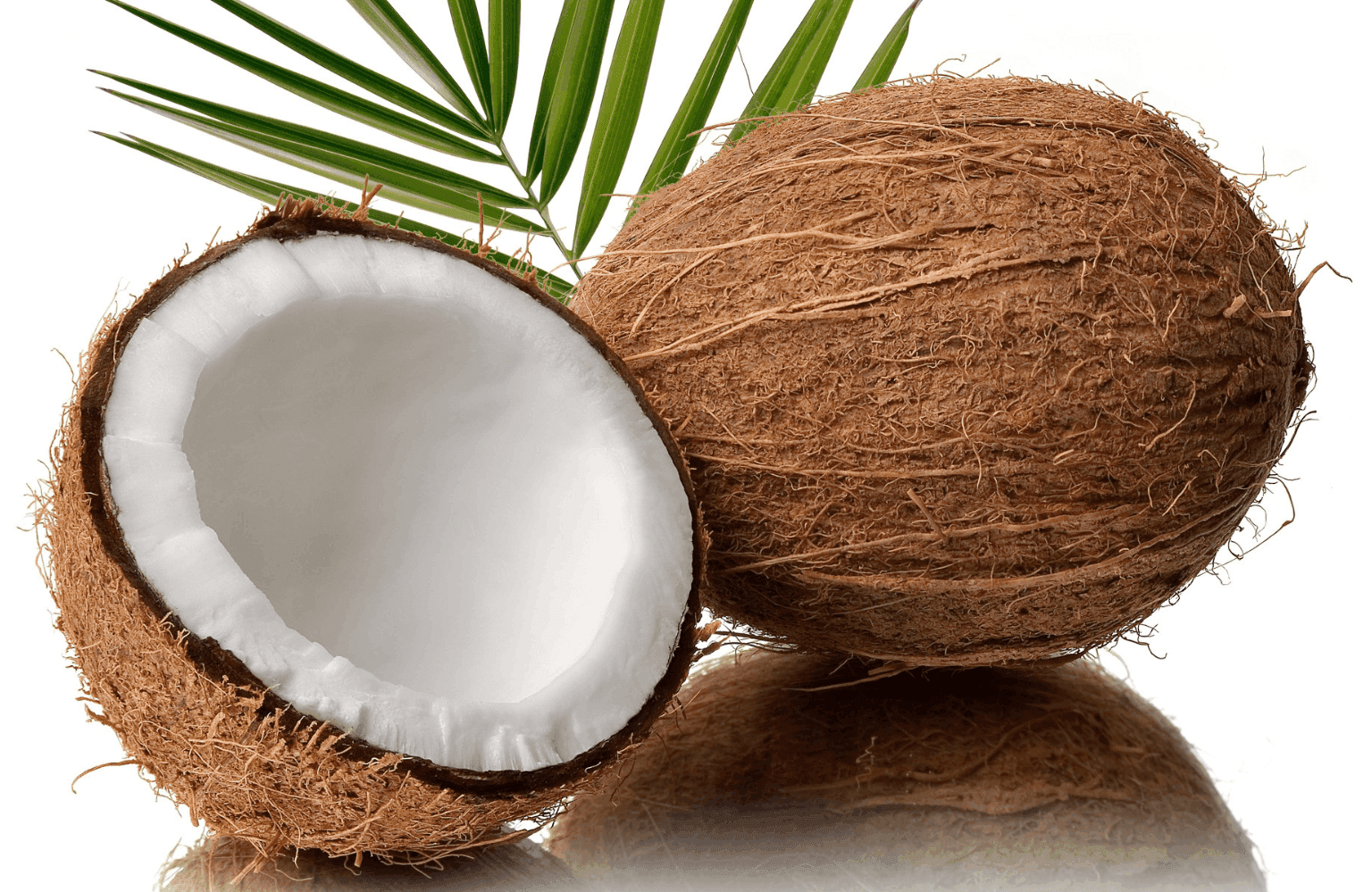
Coconut, known scientifically as Cocos nucifera, is a versatile palm extensively used in Ayurveda for both its nutritional and medicinal value. In Sanskrit, it is called Nārikela. It is revered for its cooling and nurturing properties, making it a staple in treatments for heat-related conditions (Pitta disorders), dehydration, and digestive acidity. It serves as a wholesome tonic (Rasayana) that promotes strength and bulk.
1. Name of the Herb
- Common Name: Coconut.
- Scientific Name: Cocos nucifera Linn.
- Sanskrit Name: Nārikela,,.
- Synonyms: Drdhaphala (implied in some contexts), Tunga (Tall tree).
2. Brief Description
The Coconut palm is a tall tree found in coastal regions. In Ayurveda, various parts of the fruit are used: the water (Jala), the kernel/endosperm (Endo.), and the oil. It is described as Brimhana (nourishing/bulk-promoting), Balya (strength-promoting), and Vrishya (aphrodisiac). It is a sweet, cooling substance that instantly relieves thirst and burning sensations. Special preparations like Narikela Lavana (Coconut Salt) are famous for treating chronic gastric ulcers and colic.
3. Source / Part Used
- Plant Source: Herbal / Plant-based (Palm Tree).
- Part Used:
- Endosperm/Kernel (Narikela - Endo.).
- Fruit Water (Phalambu / Jala).
- Flower (Pushpa): Used in specific formulations like Narikela Khanda.
- Shell/Fruit: The whole fruit with shell is used to make Narikela Lavana.
4. Ayurvedic Properties
- Rasa (Taste): Madhura (Sweet).
- Guna (Qualities): Guru (Heavy) and Snigdha (Unctuous/Oily).
- Virya (Potency): Śīta (Cold).
- Vipaka (Post-digestive effect): Madhura (Sweet) (Inferred from its anabolic action).
- Dosha Effect: Vata-Pitta Shamaka (Pacifies Vata and Pitta). It effectively reduces excess heat (Pitta) and dryness (Vata) but can increase Kapha if taken in excess due to its heaviness and sweetness,.
5. Key Benefits
- Relieves Hyperacidity: Excellent for Amlapitta (Acid gastritis) and heartburn.
- Soothes Burning Sensation: Alleviates Daha (burning sensation in the body).
- Treats Colic/Ulcers: The Narikela Lavana preparation is a specific cure for Parinama Shula (Duodenal ulcer/colic).
- Nutritive Tonic: Acts as a Rasayana, promoting muscle mass (Mamsa), strength (Bala), and body weight.
- Aphrodisiac: Increases Shukra (semen/reproductive tissue).
6. Uses / Indications
Coconut is clinically indicated in Ayurveda for the following conditions:
- Digestive: Amlapitta (Hyperacidity), Shula (Colic/Abdominal pain), Vibandha (Constipation),.
- General Health: Kshaya (Wasting/Phthisis), Daurbalya (Weakness).
- Thermoregulation: Daha (Burning sensation), Trishna (Excessive thirst), Pitta-Jvara (Fever due to Pitta),.
- Respiratory: Hikka (Hiccup).
- Blood Disorders: Raktapitta (Bleeding disorders).
7. How It Works
- Cooling Action: The Shita virya (cold potency) of coconut water and kernel directly counteracts the heat of Pitta, making it effective in fevers, bleeding disorders, and acidity.
- Acid Neutralization: In the form of Narikela Lavana, the coconut is burned with salt. This unique carbonized alkaline preparation neutralizes excess stomach acid and heals ulcerations in the digestive tract.
- Nourishment: The kernel is rich in unctuous properties (Snigdha), which lubricate the tissues, combatting the dryness of Vata and nourishing the reproductive system (Vrishya).
8. Dosage
(General guidance based on formulations):
- Narikela Khanda (Confection): 10 to 20 grams (approx. 1-2 tolas).
- Narikela Lavana (Powder): 1 to 2 grams.
- Coconut Water: 50 to 100 ml or as needed for thirst.
9. Safety Information
- Coconut is a natural food item and is generally safe for consumption.
- Medicinal preparations like Narikela Lavana involve salt and heating; they should be taken under guidance for specific therapeutic effects.
10. Side Effects
- Heaviness: Due to its Guru (heavy) quality, excessive consumption of the kernel (meat) may cause heaviness in the stomach or indigestion in people with weak digestive fire (Agnimandya).
- Kapha Aggravation: Overconsumption may increase mucus or weight.
11. Precautions
- Cholesterol/Weight: Individuals with obesity or high cholesterol should consume the mature kernel (copra) in moderation due to its high oil content.
- Hypertension: Narikela Lavana contains Saindhava Lavana (Rock salt), so patients with high blood pressure should use it cautiously.
- Kidney Disease: Coconut water is high in potassium and should be restricted in patients with renal failure.
12. Storage Instructions
- Fresh Fruit: Store in a cool place.
- Medicinal Powders: Store Narikela Lavana or Khanda in airtight containers to prevent moisture absorption.
13. References
-
The Codex Alimentarius Commission sets international standards for edible fats and oils, including coconut oil quality and safety.
Includes categories, labeling, contaminants, and nutritional claims.http://www.fao.org/fao-who-codexalimentarius
-
WHO discussions on dietary fats & oils, addressing saturated fats in public health nutrition context — includes commentary on coconut oil’s health implications.
https://www.who.int/health-topics/nutrition
-
Eyres L., Eyres M.F., et al. (2016). Coconut oil consumption and cardiovascular risk factors in humans.
Food and Nutrition Research.
Systematic review of coconut oil’s effects on blood lipids and cardiovascular risk.https://pubmed.ncbi.nlm.nih.gov/28042333/
-
Martins V.J.B., et al. (2020). Comparative effects of coconut oil, olive oil, and butter on lipid profile and cardiovascular markers.
Journal of Nutrition & Metabolism.
Evaluates different fats’ effects on LDL/HDL cholesterol, inflammation, and metabolic risk.https://www.hindawi.com/journals/jnme/2020/3831569/
-
Songwood E., Abohashrh M.A., et al. (2018). Coconut water isotonic beverage: electrolyte composition & hydration effects.
Journal of Food Composition and Analysis.
Coconut water as natural electrolyte replacement — sodium, potassium, and hydration clinical implications.https://www.sciencedirect.com/science/article/pii/S0889157517302898
-
Preedy V.R., et al. (2015). Coconut: Chemistry, production and utilization.
Academic Press (Elsevier).
Comprehensive book on coconut composition, functional properties, processing and human health roles.https://www.sciencedirect.com/book/9780128039681/coconut
-
Arun N., et al. (2020). Bioactive compounds from coconut with antimicrobial activities.
Journal of Functional Foods.
Coconut components (medium-chain fatty acids, lauric acid) show antimicrobial action in lab studies.https://www.sciencedirect.com/science/article/pii/S1756464620301480
14. FAQs
** **Q. Can it be taken daily?
Yes, fresh coconut water or small amounts of the kernel can be part of a daily diet for hydration and nutrition. Medicinal forms like Narikela Lavana are taken for specific treatment periods.
Q. When should it be taken?
Coconut water is best taken in the morning or afternoon. Narikela Khanda is often recommended to be taken with food or as a tonic. Narikela Lavana is typically taken with Pippali Churna or water.
Q. Can it be taken with milk/water?
Yes, Narikela Khanda (a sweet medicinal preparation) is often taken with milk or water.
Consult a Doctor
- MS4.2Midun s kumar
Ayurveda4 yrs exp
- SP4.5Dr Sreelekha P Nair
Ayurveda6 yrs exp
- VR4.2Vaidya Rohit Kumar
Ayurveda3 yrs exp
- V4.1Vairamuthu
Ayurveda8 yrs exp