Coriander
Reviewed by medical experts · For informational purposes only
Introductory summary
Coriander known as Dhanyaka or Kustumburu in Ayurveda consists of the dried ripe fruits of Coriandrum sativum. It possesses Pungent Bitter Sweet and Astringent tastes with Light and Unctuous qualities. Despite its Hot potency or Ushna Virya it acts as a Tridoshahara balancing Vata Pitta and Kapha. It is a potent digestive stimulant Dipana and digestive agent Pachana that uniquely alleviates burning sensations Daha and excessive thirst Trishna making it useful in fever Jvara. It acts as an absorbent Grahi for diarrhea Atisara and a diuretic Mutrala. Clinical indications include indigestion respiratory disorders and worm infestations. The Ayurvedic Pharmacopoeia of India recommends a dosage of 1 to 3 grams of the powder often taken as a cold infusion.
Coriander
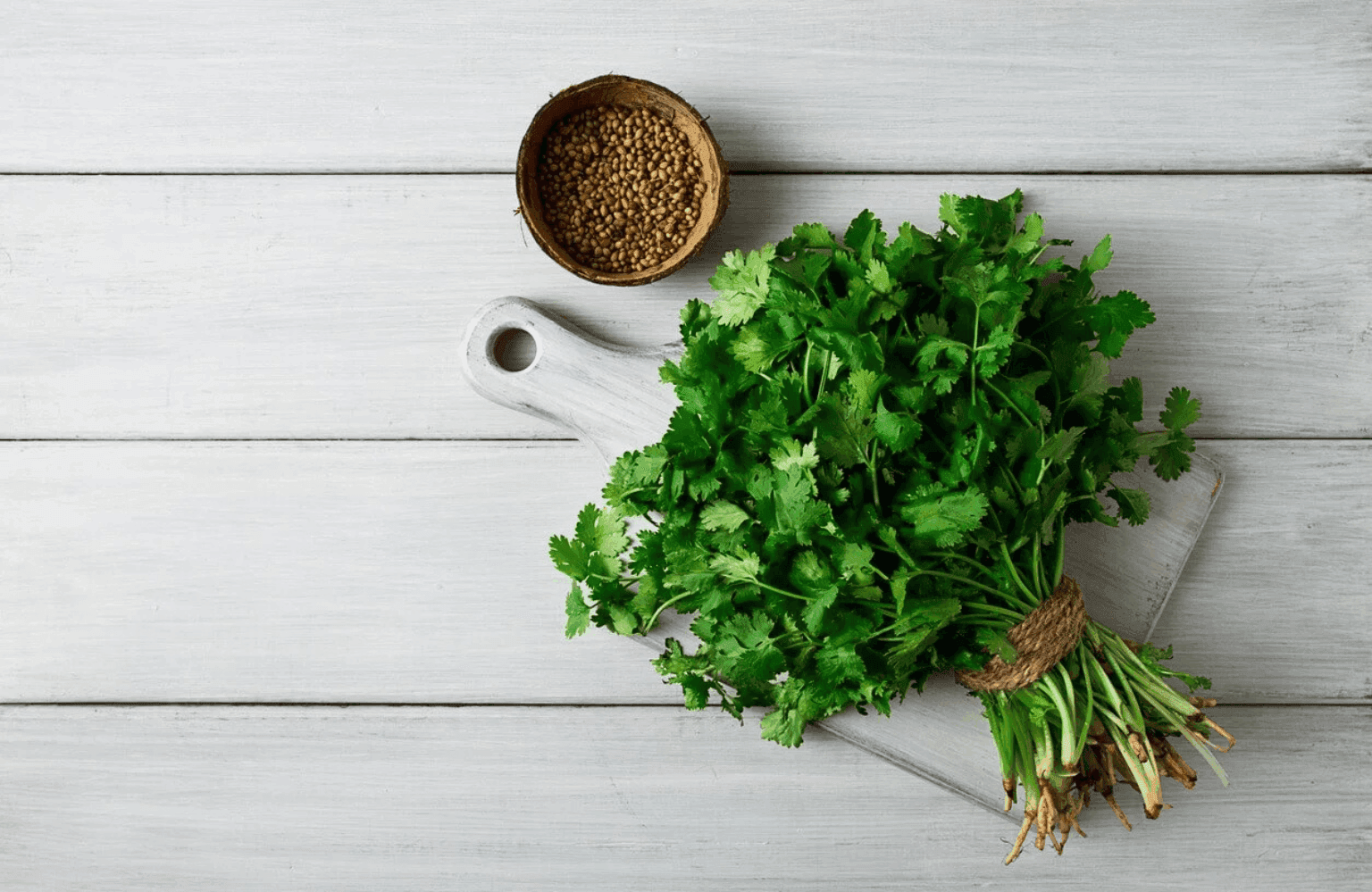
Coriander, known in Ayurveda as Dhanyaka, consists of the dried ripe fruits of Coriandrum sativum. It is a staple spice in Indian cuisine and a potent medicinal herb used to treat digestive disorders, fever, and excessive thirst. It is unique because it balances all three doshas (Vata, Pitta, and Kapha) and acts as both a digestive stimulant and a cooling agent for burning sensations.
1. Name of the Herb
- Common Name: Coriander.
- Scientific Name: Coriandrum sativum Linn.
- Sanskrit Names: Dhānyaka, Dhanika, Vitunnaka, Kustumburu.
- Other Names: Dhaniya (Hindi/Bengali/Punjabi), Kothimbir (Marathi), Malli (Malayalam), Kothamalli (Tamil), Dhaniyalu (Telugu).
2. Brief Description
Coriander is a slender, branched, annual herb that grows 30-90 cm high. The entire plant gives off a characteristic aroma when rubbed. While the fresh leaves are used as a garnish, the dried fruits (seeds) are the primary part used in Ayurvedic medicine. It is highly valued for its ability to digest toxins (Ama) while not being overly heating, making it suitable for delicate digestion.
3. Source / Part Used
- Plant Source: Herbal / Plant-based.
- Part Used: Dried Fruit (Seeds).
4. Ayurvedic Properties
According to the Ayurvedic Pharmacopoeia of India, Coriander possesses the following qualities:
- Rasa (Taste): Katu (Pungent), Tikta (Bitter), Madhura (Sweet), and Kashaya (Astringent).
- Guna (Qualities): Laghu (Light) and Snigdha (Unctuous/Oily).
- Virya (Potency): Ushna (Hot). Note: While the potency is defined as hot, its post-digestive effect and specific actions allow it to relieve burning sensations.
- Vipaka (Post-digestive effect): Madhura (Sweet).
- Dosha Effect: Tridoshahara (Balances Vata, Pitta, and Kapha).
5. Key Benefits
- Improves Digestion: Acts as a Dipana (appetizer) and Pachana (digestive), helping to metabolize food and toxins.
- Relieves Thirst: It is Trishna-nigrahana, highly effective in quenching excessive thirst.
- Reduces Burning: Acts as Dahaprasamana, relieving burning sensations in the body.
- Controls Diarrhea: As a Grahi (absorbent) agent, it helps in binding stools and treating diarrhea.
- Respiratory Support: Beneficial for cough (Kasa) and asthma (Shwasa).
6. Uses / Indications
Coriander is indicated in Ayurveda for the following conditions:
- Jvara: Fever (it digests the Ama or toxins causing fever).
- Atisara & Pravahika: Diarrhea and Dysentery.
- Trishna & Daha: Excessive thirst and burning sensation.
- Ajirna: Indigestion.
- Adhmana: Flatulence/Bloating.
- Krimi: Worm infestation.
- Arsha: Piles (Hemorrhoids).
7. How It Works
- Digestive & Metabolic: Coriander stimulates the digestive fire (Agni) due to its light (Laghu) quality and hot potency (Ushna). However, unlike other spices, its sweet post-digestive effect (Madhura Vipaka) prevents it from aggravating acidity or heat (Pitta) excessively.
- Absorbent: It absorbs excess moisture in the intestines, making it effective for loose stools.
- Diuretic: It acts as Mutrala, helping to cleanse the urinary tract.
8. Dosage
The recommended dosage according to the Ayurvedic Pharmacopoeia of India is:
- Powder (Churna): 1 to 3 grams.
- Cold Infusion (Hima): It is often soaked in water overnight and the water is drunk in the morning for Pitta disorders (burning/thirst).
9. Safety Information
Coriander is generally considered safe and is a common dietary ingredient. It is well-tolerated by people of all constitutions (Prakriti).
10. Side Effects
- No significant side effects are reported in the texts when taken in recommended doses.
- Due to its Snigdha (unctuous) quality, it is not drying like other spices.
11. Precautions
- While safe for most, therapeutic doses should be taken under guidance if one has specific severe medical conditions.
12. Storage Instructions
- Store in a cool, dry place.
- Keep in an air-tight container to preserve its volatile oils and aroma.
13. References
• WHO Monographs on Selected Medicinal Plants – Includes therapeutic uses, safety, and pharmacology of Coriandrum sativum
https://apps.who.int/iris/handle/10665/42052
• Ayurvedic Pharmacopoeia of India (API), Government of India – Official monograph of Dhanyaka
https://www.ayush.gov.in/site/Page/388
• Ayurvedic Formulary of India (AFI), Government of India – Classical formulations containing Dhanyaka
https://www.ayush.gov.in/site/Page/389
• ICMR – Quality Standards of Indian Medicinal Plants (Coriandrum sativum monograph)
https://main.icmr.nic.in/content/quality-standards-indian-medicinal-plants
• Laribi B. et al. Coriander (Coriandrum sativum L.) and its bioactive constituents. Fitoterapia.
https://pubmed.ncbi.nlm.nih.gov/23395783/
• Asgarpanah J., Kazemivash N. Phytochemistry and pharmacological properties of Coriandrum sativum. Avicenna Journal of Phytomedicine.
https://www.ncbi.nlm.nih.gov/pmc/articles/PMC3746564/
• Sahib N.G. et al. Coriander (Coriandrum sativum L.): A potential source of high-value components for functional foods and nutraceuticals. Phytotherapy Research.
https://pubmed.ncbi.nlm.nih.gov/22416028/
14. FAQs
** **Q. Can it be taken daily?
Yes, it is a standard spice used daily in Indian cooking to aid digestion.
Q. When should it be taken?
Powdered coriander can be taken with food. For therapeutic use (like for thirst or fever), it is often boiled in water or soaked overnight and taken in the morning.
Q. Can it be taken with milk/water?
Yes. It is commonly taken with warm water for digestion or as a cold infusion for burning sensations. It can also be taken with buttermilk (Takra) for digestive issues.
Consult a Doctor
- NG5.0Dr Nandini gaur
Ayurveda1 yrs exp
- AG4.5Dr Anshuman Gupta
Ayurveda8 yrs exp
- BY4.3Bapodara yash kanabhai
Ayurveda3 yrs exp
- VR4.2Vaidya Rohit Kumar
Ayurveda3 yrs exp