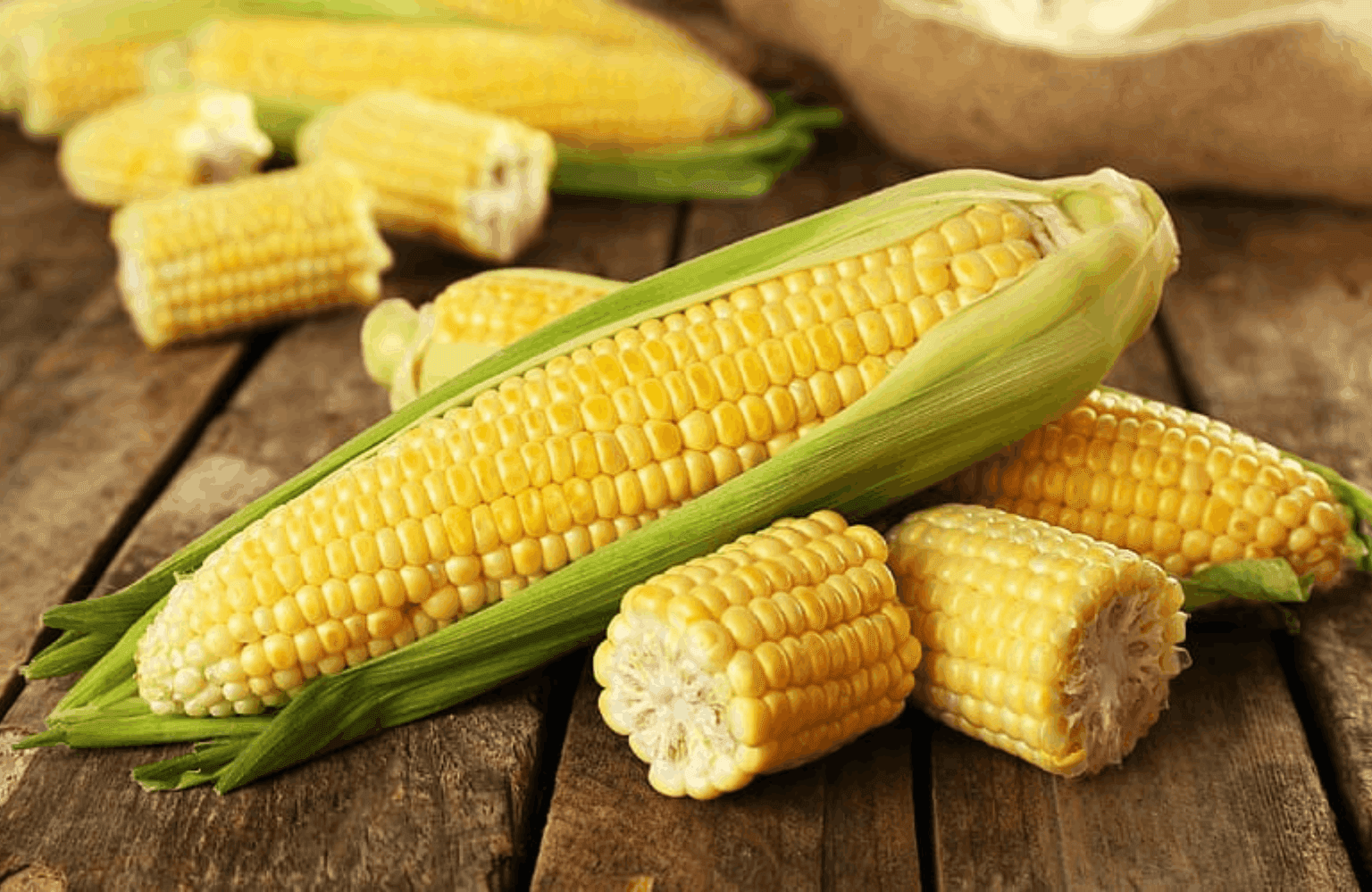
Corn
Reviewed by medical experts · For informational purposes only
Introductory summary
The Ayurvedic Formulary of India discusses Yavanala or Sorghum which is a closely related millet often used as a proxy. In Ayurveda Yavanala is primarily used to prepare a medicinal ash known as Yavanala Bhasma. This alkaline preparation possesses hot and penetrating qualities making it a potent remedy for breaking down kidney stones and treating painful urination. It is therapeutically indicated for urinary calculi abdominal lumps known as Gulma and disorders caused by Vata aggravation. By clearing obstructions in the urinary tract and pacifying Vata and Kapha doshas Yavanala Bhasma serves as an effective lithotriptic agent and digestive aid when taken under medical supervision.
Corn
Yavanala is a coarse grain belonging to the grass family. In classical Ayurveda, it is recognized not just as a food source but as a medicinal ingredient when processed into an alkaline ash (Bhasma). It is particularly valued for its ability to break down calculi (stones) and clear obstructions in the urinary tract.
1. Name of the Herb
- Common Name: Yavanala, Jowar, Great Millet (closely related to Corn/Maize).
- Sanskrit Name: Yavanāla.
- Scientific Name: Sorghum bicolor (Classically). Note: The specific American Corn (Zea mays) is a later introduction, but Yavanala is the Ayurvedic equivalent in the millet category.
2. Brief Description
Yavanala is a tall, grass-like plant cultivated for its grain. While used as a staple food in many parts of India, its medicinal importance in the Ayurvedic Formulary of India lies in the preparation of Yavanāla Bhasma (ash). This preparation is a potent alkali used to treat stubborn urinary and abdominal disorders.
3. Source / Part Used
- Plant Source: Herbal / Plant-based (Grass/Grain).
- Part Used: Whole Plant (specifically used to prepare Bhasma or ash).
4. Ayurvedic Properties
(Based on its indications and alkali preparation):
- Rasa (Taste): Kashaya (Astringent) and Madhura (Sweet) in grain form; Kshhariya (Alkaline) in ash form.
- Guna (Qualities): Ruksha (Dry) and Laghu (Light).
- Virya (Potency): Ushna (Hot) (as Bhasma).
- Dosha Effect: Kapha-Vata Shamaka (Pacifies Kapha and Vata).
5. Key Benefits
- Dissolves Urinary Stones: Acts as a lithotriptic agent to break down calculi.
- Relieves Difficult Urination: Helps in clearing urinary obstruction.
- Reduces Abdominal Lumps: Useful in treating Gulma (gaseous or cystic lumps).
- Balances Vata: Alleviates disorders caused by aggravated Vata dosha.
6. Uses / Indications
According to the Ayurvedic Formulary of India, Yavanala (specifically Yavanala Bhasma) is indicated for:
- Urinary Disorders: Mūtrakṛcchra (Dysuria/Painful urination).
- Calculus: Aśmarī (Kidney stones/Calculus).
- Abdominal Disorders: Gulma (Abdominal lump/tumor).
- Neurological/Pain Disorders: Vātavikāra (Disorders due to Vata dosha).
7. How It Works
- Alkaline Action: The Bhasma prepared from Yavanala acts as a Kshara (alkali). It possesses cutting (Chedana) and splitting (Bhedana) properties, which help disintegrate stones (Ashmari) and clear blockage in the urinary channels.
- Vata-Anulomana: It helps regulate the downward movement of Vata, relieving retention of urine and gas.
8. Dosage
(General guidance for Yavanala Bhasma as per Ayurvedic Formulary of India):
- Bhasma (Ash): 1 gram.
- Note: This is a specific medicinal preparation and should be taken with water.
9. Safety Information
- Medical Supervision: As this is often used as a Bhasma (alkaline ash), it should be taken under strict medical supervision.
- Duration: Long-term continuous use of alkalis (Kshara) is generally restricted in Ayurveda as it may affect virility or vision if overused.
10. Side Effects
- Irritation: Excessive dosage may cause burning sensation in the stomach or urethra due to alkaline nature.
- Dryness: May cause excessive dryness in the body.
11. Precautions
- Pregnancy: Consult an Ayurvedic physician.
- Kidney Conditions: While used for stones, specific renal failure conditions require caution.
- Hydration: Adequate water intake is essential when taking stone-dissolving remedies.
12. Storage Instructions
- Store the formulation in a cool, dry place.
- Keep the bottle tightly closed to prevent moisture absorption, as alkalis are hygroscopic.
13. References
-
The World Health Organization provides frameworks on food safety, nutrition, and chronic disease prevention relevant to staple grains like corn.
Dietary guidelines
Whole grain recommendations
https://www.who.int/health-topics/nutrition
-
The Food and Agriculture Organization publishes global data and research on maize production, food security, and crop utilization worldwide.
https://www.fao.org/maize
-
Whole grains, including maize (corn), and health outcomes: a systematic review and meta-analysis
Journal: British Journal of Nutrition (2016)
Looks at whole grain intake (including corn) and cardiometabolic riskhttps://pubmed.ncbi.nlm.nih.gov/27806585
-
Nutritional and phytochemical analysis of maize: health benefits and applications
Journal: Food Chemistry (2017)
Highlights carotenoids (lutein, zeaxanthin), fiber, vitamins, antioxidantshttps://www.sciencedirect.com/science/article/pii/S0308814617314235
-
Lutein and Zeaxanthin in corn: effects on macular pigment and visual performance
Journal: Journal of Nutrition (2013)
Corn as a dietary source of carotenoids beneficial to eye healthhttps://pubmed.ncbi.nlm.nih.gov/23343632
-
Glycemic responses to maize-based foods (maize meal, corn flakes) in humans
Journal: European Journal of Clinical Nutrition
Corn’s carbohydrate impact on blood glucose compared to refined carbshttps://pubmed.ncbi.nlm.nih.gov/20407411
-
Maize bran and resistant starch: fermentation and gut microbiota modulation
Journal: Journal of Agricultural and Food Chemistry (2018)
Explores maize fiber’s influence on gut health
14. FAQs
** **Q. Can it be taken daily?
The medicinal ash (Bhasma) is taken for a specific therapeutic period to treat stones or dysuria, not as a daily nutritional supplement.
Q. When should it be taken?
It is typically taken with water, often recommended before or after meals depending on the specific Vata disorder.
Q. Can it be taken with milk/water?
The Ayurvedic Formulary of India specifies Water (Jala) as the vehicle (Anupana) for Yavanala Bhasma.
Consult a Doctor
- SP4.5Dr Sreelekha P Nair
Ayurveda6 yrs exp
- SJ3.9SUMEDH JOSHI
Ayurveda7 yrs exp
- VH3.9Vaidya Harsh
Ayurveda9 yrs exp
- GG3.0Dr GN Govinda
Ayurveda1 yrs exp