Cumin
Reviewed by medical experts · For informational purposes only
Introductory summary
Cumin known as Svetajiraka or Ajaji in Ayurveda consists of the dried ripe fruits of Cuminum cyminum. It possesses a Pungent taste and post digestive effect with Hot potency and Light Dry and Sharp qualities. It acts as a powerful digestive stimulant Dipana and digestive agent Pachana that pacifies Kapha and Vata doshas. It is a specific remedy for Agnimandya or digestive impairment Atisara or diarrhea and Krmiroga or worm infestations. It acts as an absorbent Grahi useful for malabsorption. It is the main ingredient in Jirakadyarista used for postpartum disorders Sutika Roga to cleanse the uterus and improve lactation. The Ayurvedic Pharmacopoeia of India recommends a dosage of 1 to 3 grams of the powder often taken to aid digestion.
Cumin
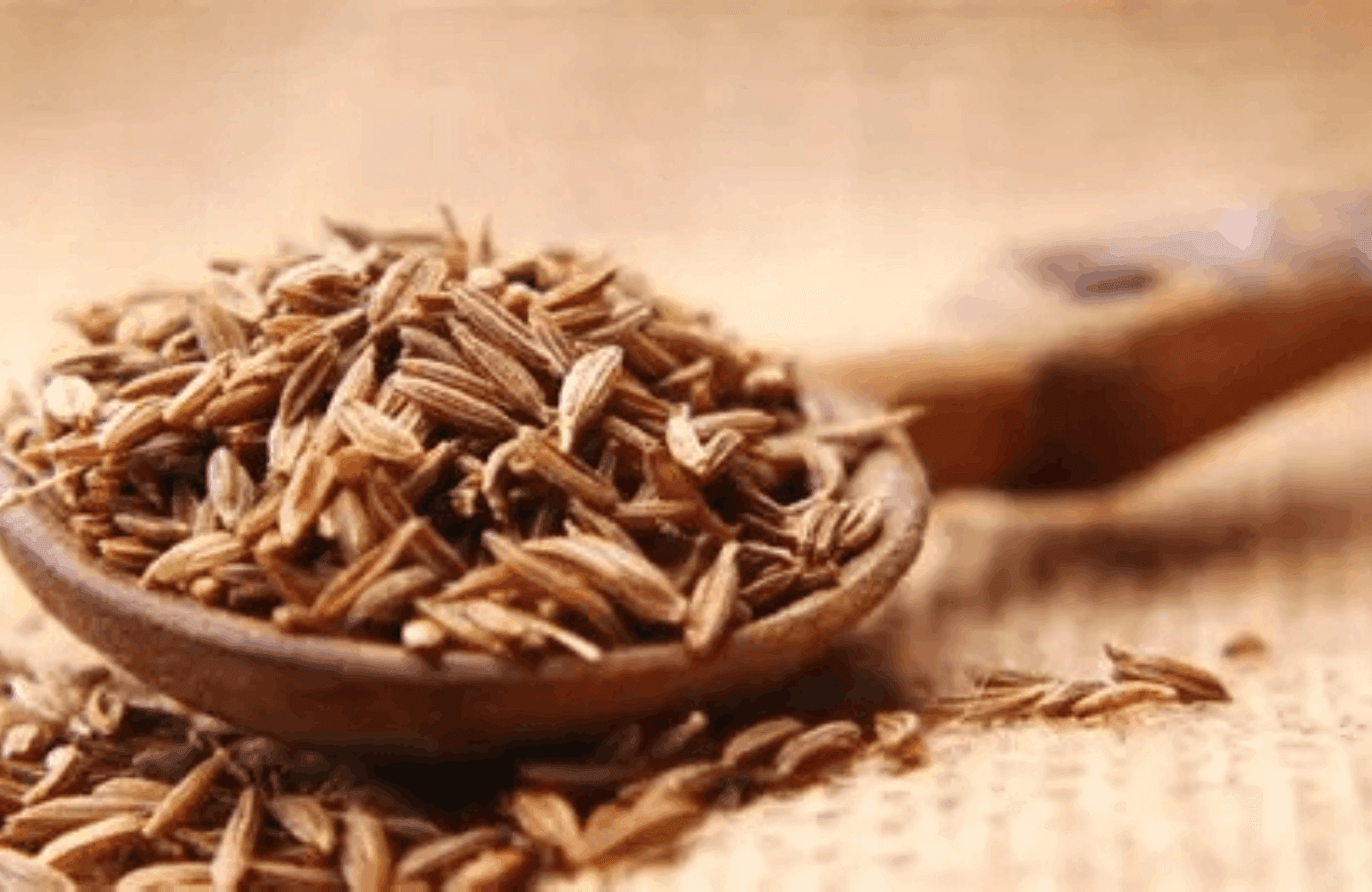
Cumin, known in Ayurveda as Śvetajīraka (White Cumin) or Ajājī, consists of the dried ripe fruits of Cuminum cyminum. It is one of the most widely used spices in the Indian kitchen and a crucial medicinal herb in Ayurveda. It is highly valued for its ability to kindle the digestive fire (Agni), purify the uterus after delivery, and manage digestive disorders like diarrhea and bloating.
1. Name of the Herb
- Common Name: Cumin, White Cumin, Jeera.
- Scientific Name: Cuminum cyminum Linn.
- Sanskrit Names: Śvetajīraka, Ajājī, Jīraka, Ajājikā.
- Regional Names: Safed jira (Hindi), Jilakarra (Telugu), Jeerakam (Malayalam), Jirage (Kannada).
2. Brief Description
Cumin is a glabrous, annual herb that grows 30–90 cm high. It is extensively cultivated in the plains of India. The medicinal part is the fruit (often called the seed), which is brown with light-coloured ridges. In Ayurveda, it is considered a primary herb for digestive health (Dīpana and Pācana) and is a key ingredient in postpartum care formulations to cleanse the uterus and improve lactation.
3. Source / Part Used
- Plant Source: Herbal / Plant-based.
- Part Used: Dried Ripe Fruit (Seeds).
4. Ayurvedic Properties
According to the Ayurvedic Pharmacopoeia of India, White Cumin possesses the following qualities:
- Rasa (Taste): Katu (Pungent).
- Guna (Qualities): Laghu (Light), Rūkṣa (Rough/Dry), and Tīkṣṇa (Sharp).
- Virya (Potency): Uṣṇa (Hot).
- Vipaka (Post-digestive effect): Katu (Pungent).
- Dosha Effect: Kaphavātahara (Pacifies Kapha and Vata doshas). Due to its hot potency and pungent taste, it increases the digestive fire.
5. Key Benefits
- Improves Digestion: Acts as a powerful Dīpana (appetizer) and Pācana (digestive), helping to metabolize food.
- Controls Diarrhea: Acts as a Grāhī (absorbent) agent, making it useful in stopping loose stools and malabsorption.
- Anthelmintic: Possesses Kṛmighna properties, helping to destroy intestinal worms.
- Postpartum Care: Used to treat Sūtikā Roga (puerperal/post-delivery disorders) and cleanse the female reproductive tract.
- Relieves Bloating: Effective in treating Ādhmāna (flatulence) and abdominal pain.
6. Uses / Indications
Cumin is indicated in Ayurveda for the following conditions:
- Agnimāndya: Digestive impairment or weak digestion.
- Atisāra: Diarrhea.
- Kṛmiroga: Worm infestation.
- Grahaṇī: Malabsorption syndrome.
- Sūtikā Roga: Disorders affecting women after childbirth (used in Jīrakādyariṣṭa).
- Vātarakta: Gout (used in specific oil formulations).
7. How It Works
- Digestive Action: Its Uṣṇa (hot) potency and Tīkṣṇa (sharp) quality stimulate the release of digestive enzymes, burning away metabolic toxins (Ama).
- Absorbent: As a Grāhī agent, it dries up excessive moisture in the intestines, which is beneficial for diarrhea and dysentery.
- Carminative: It regulates the movement of Vata dosha, expelling gas and relieving bloating.
8. Dosage
The recommended dosage according to the Ayurvedic Pharmacopoeia of India is:
- Powder (Churna): 1 to 3 grams.
- Fermented Tonic (Jīrakādyariṣṭa): 12 to 24 ml.
9. Safety Information
Cumin is generally safe and is a staple dietary ingredient. It is a key component of many safe and widely used formulations like Hingvādi Cūrṇa and Jīrakādyariṣṭa.
10. Side Effects
- Heat Aggravation: Due to its Uṣṇa (Hot) potency, excessive intake may cause heartburn or acidity in individuals with high Pitta.
- Constipation: In excess, its drying (Rūkṣa) and absorbent (Grāhī) nature might aggravate constipation in some individuals.
11. Precautions
- Pitta Disorders: People suffering from severe hyperacidity or burning sensations should use Cumin in moderation.
- Medical Conditions: Used effectively for Prameha (urinary disorders) and Kṣaya (emaciation) in compound formulations, but professional advice is recommended for therapeutic doses.
12. Storage Instructions
- Store in a cool, dry place.
- Keep in an air-tight container to protect it from moisture and insects.
13. References
• WHO Monographs on Selected Medicinal Plants – Safety and medicinal plant standards
https://apps.who.int/iris
• ICMR – Quality Standards of Indian Medicinal Plants
https://main.icmr.nic.in/content/quality-standards-indian-medicinal-plants
• Bettaieb I. et al. Cumin (Cuminum cyminum L.): A comprehensive review of its traditional uses, phytochemistry, and pharmacology.
https://pubmed.ncbi.nlm.nih.gov/22654419/
• Allahghadri T. et al. Antimicrobial property, antioxidant capacity, and cytotoxicity of essential oil from cumin. Food and Chemical Toxicology.
https://pubmed.ncbi.nlm.nih.gov/21130865/
• Srinivasan K. Cumin and its bioactive components: Role in digestive and metabolic health. Food Reviews International.
https://pubmed.ncbi.nlm.nih.gov/22868109/
• Jafari S. et al. The effect of cumin supplementation on metabolic parameters: A systematic review and meta-analysis.
https://pubmed.ncbi.nlm.nih.gov/28688537/
14. FAQs
** **Q. Can it be taken daily?
Yes, it is commonly used as a spice in daily cooking to aid digestion and prevent gas.
Q. When should it be taken?
It is often taken with food or buttermilk to treat digestive issues. Roasted cumin powder (Bhṛṣṭa Jīraka Cūrṇa) is frequently used as a vehicle (Anupāna) for other medicines to treat diarrhea and malabsorption.
Q. Can it be taken with milk/water?
Yes. Powdered cumin can be taken with warm water. It is also famously taken with Buttermilk (Takra) for digestive disorders like piles and diarrhea.
Consult a Doctor
- MS4.2Midun s kumar
Ayurveda4 yrs exp
- SP4.5Dr Sreelekha P Nair
Ayurveda6 yrs exp
- VR4.2Vaidya Rohit Kumar
Ayurveda3 yrs exp
- V4.1Vairamuthu
Ayurveda8 yrs exp
Buy Medicine
 Prescribed to you4.2₹17 cashback
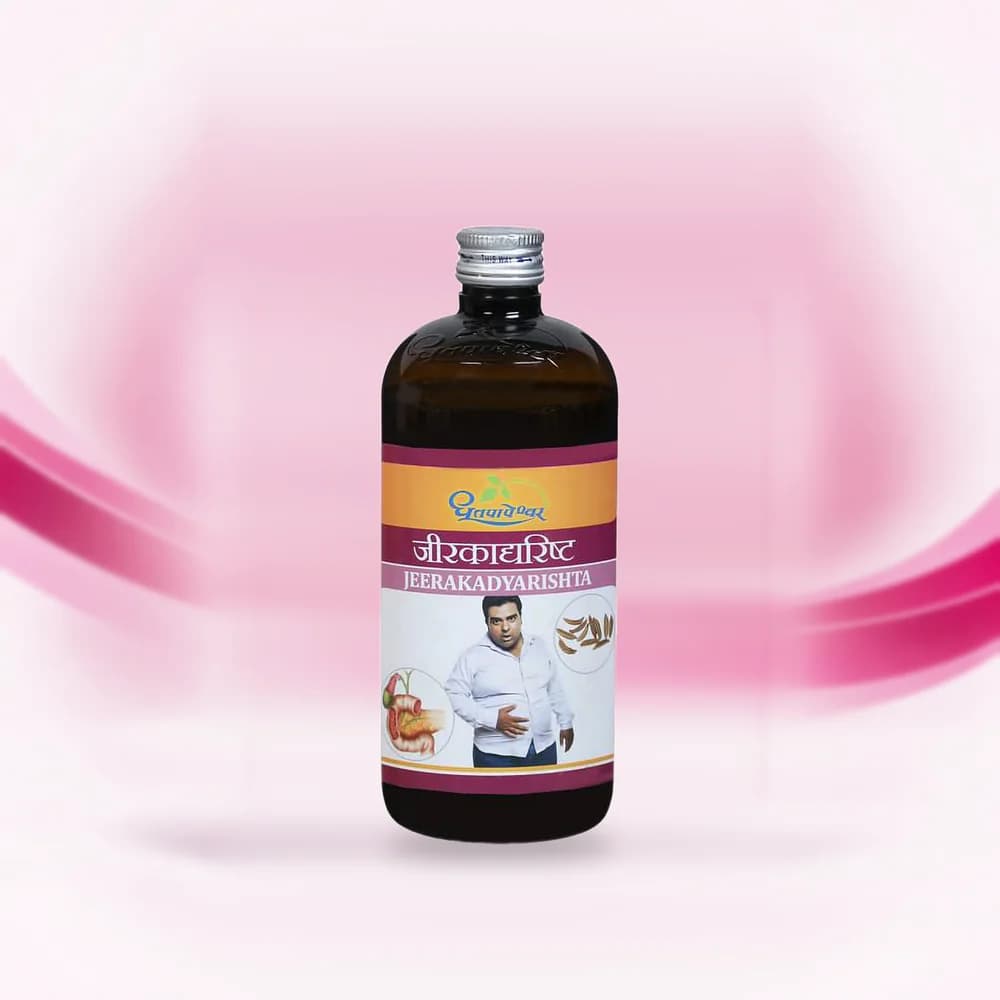
Jeerakadyarishta (Dhootapapeshwar) SDL
SDLSupports digestive health
Bottle of 200 ml
4.2
₹175Get ₹17 Cashback