Curry Leaves Benefits and Uses
Reviewed by medical experts · For informational purposes only
Introductory summary
Curry Leaves known as Saurabhanimba consist of the dried leaves of Murraya koenigii. According to the Ayurvedic Pharmacopoeia of India it possesses Sweet Bitter and Astringent tastes with Light and Unctuous qualities. Uniquely it has a Cold potency and Pungent post digestive effect making it effective in pacifying Kapha and Pitta doshas. It acts as a digestive stimulant appetizer and complexion promoter known as Varnya. Clinically it is indicated for vomiting burning sensations diarrhea dysentery and skin disorders like Kushtha and itching. It is also used for metabolic conditions like Prameha or diabetes non healing ulcers and edema. The recommended dosage is 3 to 6 grams of powder or 10 to 20 ml of fresh juice,,.
Curry Leaves
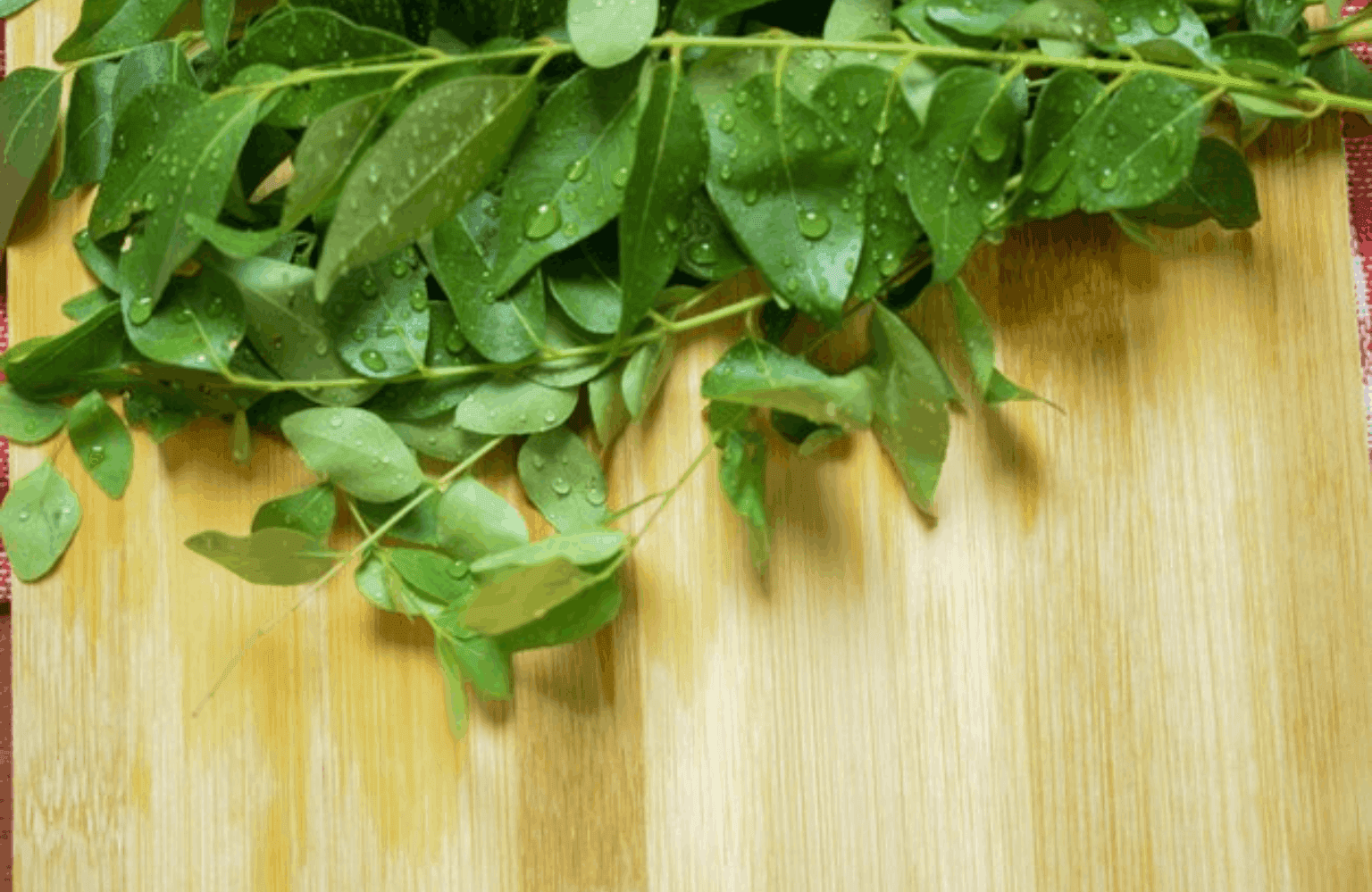
Curry Leaves, known in Sanskrit as Saurabhanimba (Fragrant Neem), are derived from the tree Murraya koenigii. While globally recognized as a culinary flavoring agent, Ayurveda identifies it as a potent medicinal herb. Unlike many spices that are heating, Curry Leaves possess a "Cold" (Shita) potency, making them unique in their ability to soothe burning sensations while simultaneously improving digestion. They are extensively used to treat digestive disorders, skin conditions, and metabolic imbalances.
1. Name of the Herb
-
Common Name: Curry Leaf.
-
Scientific Name: Murraya koenigii (L.) Spreng..
-
Sanskrit Names: Saurabhanimba, Surabhinimba, Kaiḍarya, Kaiṭarya.
-
Regional Names: Kadhi Patta / Mitha neem (Hindi), Kariveppilei (Tamil), Karivepaku (Telugu), Karibaevu (Kannada), Kariveppu (Malayalam).
2. Brief Description
The Curry Leaf tree is a small, aromatic tree reaching up to 6 meters in height, with dark grey bark. It is found and cultivated throughout India and the Andaman Islands. The leaves are compound and imparipinnate, known for their distinct, strong aroma and acrid taste. In Ayurveda, it is highly valued not just for flavor, but for its ability to check vomiting (Chardi) and pacify the Pitta and Kapha doshas.
3. Source / Part Used
-
Plant Source: Herbal / Tree-based.
-
Part Used: Dried Leaf (Patra).
4. Ayurvedic Properties
According to the Ayurvedic Pharmacopoeia of India, Curry Leaves possess the following qualities:
-
Rasa (Taste): Tikta (Bitter), Kashaya (Astringent), and Madhura (Sweet).
-
Guna (Qualities): Laghu (Light) and Snigdha (Unctuous/Oily).
-
Virya (Potency): Shita (Cold).
-
Vipaka (Post-digestive effect): Katu (Pungent).
-
Dosha Effect: Kaphapittahara (Pacifies Kapha and Pitta doshas).
5. Key Benefits
-
Improves Appetite & Digestion: Acts as Rucya (appetizer), Dipana (digestive stimulant), and Pacana (digestive), helping to process food and toxins.
-
Relieves Burning Sensations: Due to its Shita (cold) potency, it is effective for Daha (burning sensation).
-
Skin Health: Acts as Vishaghna (anti-poison) and improves complexion (Varnya); useful for itching and skin diseases.
-
Stops Vomiting: Highly effective in treating nausea and emesis (Chardi).
-
Metabolic Support: Beneficial in managing Prameha (metabolic disorders/diabetes).
6. Uses / Indications
Curry Leaves are indicated in Ayurveda for the following conditions:
-
Digestive Disorders: Aruchi (Tastelessness), Chardi (Vomiting), Atisara (Diarrhea), Pravahika (Dysentery), and Shula (Colic/Abdominal pain).
-
Skin Disorders: Kushtha (Skin diseases), Kandu (Itching), Shvitra (Leucoderma/Vitiligo), and Dushta Vrana (Non-healing ulcers).
-
Metabolic & General: Prameha (Urinary disorders/Diabetes), Shotha (Inflammation/Oedema), and Shosha (Emaciation).
-
Infections: Krimi (Worm infestation).
7. How It Works
-
Cooling Digestive: Unlike hot spices (like ginger or pepper), Curry Leaves stimulate digestion (Dipana) without increasing body heat, thanks to their Cold (Shita) potency. This makes them ideal for Pitta-related digestive issues like acidity or burning sensations.
-
Anti-microbial & Detoxifying: The leaves possess Vishaghna properties, helping to neutralize toxins and treat infections (worms) and non-healing ulcers (Dushta vrana).
-
Astringent Action: The astringent (Kashaya) taste helps in binding stools, making it effective for diarrhea and dysentery.
8. Dosage
The recommended dosage according to the Ayurvedic Pharmacopoeia of India is:
-
Powder (Churna): 3 to 6 grams.
-
Fresh Juice (Svarasa): 10 to 20 ml.
9. Safety Information
Curry leaves are considered very safe and are a staple in Indian cuisine. They are suitable for regular use in moderate culinary quantities.
10. Side Effects
-
No specific side effects are reported in the texts when used in the recommended dosage.
-
Excessive intake of the raw medicinal juice might cause slight constipation in some due to its astringent nature, but this is rare.
11. Precautions
-
Source: Ensure leaves are clean and free from pests, as they are often susceptible to insect attacks.
-
Medical Conditions: While beneficial for diabetes (Prameha), patients on medication should monitor blood sugar levels when taking therapeutic doses (svarasa) to avoid hypoglycemia.
12. Storage Instructions
-
Fresh Leaves: Should be used quickly or stored in a refrigerator.
-
Dried Powder: Store in a cool, dry place in an air-tight container to preserve the volatile essential oils and aroma.
13. References
Ayurvedic Pharmacopoeia of India (API) – Murraya koenigii monograph
• Ayurvedic Pharmacopoeia of India – Volume VI (Official monograph for Murraya koenigii, contains botanical and pharmacopeial standards) — includes Hindi and Sanskrit synonyms such as कड़ी पत्ता and मीठा नीम in Ayurveda. Ayurvedic Pharmacopoeia Monograph (API Vol VI – Murraya koenigii)
• Srivastava G et al., A Review of Curry Leaves (Murraya koenigii): A Multifunctional Medicinal Plant with Diverse Potentials — highlights traditional uses and phytochemicals like carbazole alkaloids. A Review of Curry Leaves – International Journal of Environmental Sciences 2025
• Tiwari S & Talreja S, A Pharmaceutical Importance of Murraya Koenigii — overview of phytochemicals, nutrients, and pharmacological actions. Pharmaceutical Importance of Murraya Koenigii (Indian Journal of Public Health Research & Development)
• Verma S, Overview Study on Murraya koenigii (Mitha Neem): Rutaceae — traditional uses and regional medicinal context. Overview of Murraya koenigii – Journal of Drug Delivery and Therapeutics
• Vidhya Rekha U et al., Anti-Diabetic Activity of Murraya koenigii — comprehensive review focusing on anti-diabetic mechanisms and phytochemicals. Anti‑Diabetic Activity of Murraya koenigii – Journal of Pharmaceutical Research International
• Asha Jyothi V et al., Pharmacognosy, Phytochemistry, Pharmacology of Curry Leaf — detailed study on bioactive compounds and mechanisms. Pharmacognosy & Pharmacology of Curry Leaf (IJPBCS)
• Xie J-T et al., Curry leaf reduces blood cholesterol and glucose levels in ob/ob mice — experimental evidence of metabolic effects in animals. Curry Leaf Effects on Cholesterol & Glucose – PubMed
• Curry tree (Murraya koenigii) — general uses in cuisine and traditional medicine (plant description, culinary use, and traditional beliefs). Curry tree entry – Britannica
14. FAQs
Q. Can it be taken daily?
Yes, it is commonly used daily in cooking as a flavoring agent and digestive aid.
Q. When should it be taken?
For therapeutic purposes (like for morning sickness or digestion), the fresh juice or powder is often taken on an empty stomach or with buttermilk/water.
Q. Can it be taken with milk/water?
Yes. The powder can be taken with warm water. Fresh leaves are often consumed in buttermilk (Takra) to treat digestive disorders.
Consult a Doctor
- KC5.0Dr. Kamesh chand sharma
Ayurveda2 yrs exp
- PP4.4Dr prince patel
Ayurveda22 yrs exp
- KH4.4Dr Kowshalya H S
Ayurveda3 yrs exp
- AK4.8Dr. Amalnath K Viswanathan
Ayurveda4 yrs exp