Fennel
Reviewed by medical experts · For informational purposes only
Introductory summary
Fennel known as Mishreya in Ayurveda consists of the dried ripe fruits of Foeniculum vulgare. It possesses Sweet Pungent and Bitter tastes with Light and Dry qualities. Uniquely it acts as a digestive stimulant and carminative known as Anulomana while maintaining a Cold potency and Sweet post digestive effect allowing it to pacify Vata and Pitta doshas without increasing heat. It is clinically indicated for digestive disorders like colic flatulence dyspepsia and dysentery as well as respiratory conditions like cough. It also functions as a general tonic and promotes vision. Common formulations include Mishreyarka and the Ayurvedic Pharmacopoeia of India recommends a dosage of 3 to 6 grams of the powder,,.
Fennel
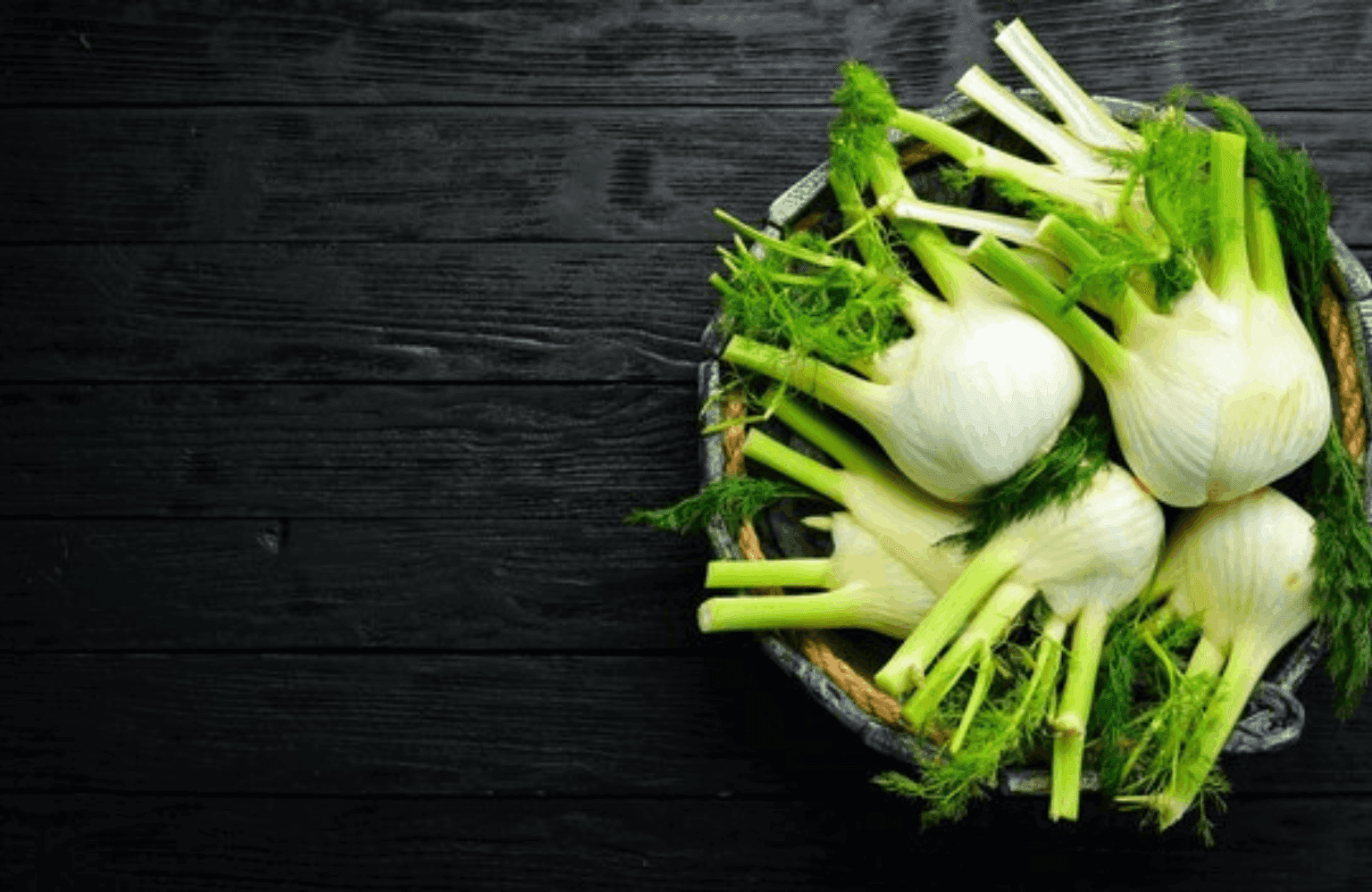
Fennel, scientifically known as Foeniculum vulgare, is a common aromatic herb used culinary and medicinally. In Ayurveda, it is known as Mishreya or Madhurika. Unlike many other digestive spices which are heating, Fennel is unique because it promotes digestion while possessing a "Cold" (Shita) potency. It is highly valued for its ability to balance Vata and Pitta doshas, improve vision, and act as a carminative.
1. Name of the Herb
- Common Name: Fennel.
- Scientific Name: Foeniculum vulgare Mill.
- Sanskrit Names: Miśreyā, Miśi, Madhurikā, Misi.
- Regional Names: Saunf (Hindi), Variyali (Gujarati), Perunjeerakam (Malayalam), Sopu (Telugu), Shombu (Tamil).
2. Brief Description
Fennel is an erect, glabrous, aromatic herb that grows 1–2 meters high. It is cultivated extensively throughout India. The useful part is the fruit (often referred to as the seed), which is greenish-brown to yellowish-brown with prominent ridges. In Ayurveda, it is classified as Balya (tonic/strength-promoting) and Cakṣuṣya (beneficial for the eyes). It is a primary ingredient in digestive powders and is often consumed after meals to freshen breath and aid digestion.
3. Source / Part Used
- Plant Source: Herbal / Plant-based.
- Part Used: Dried Ripe Fruit (Phala).
4. Ayurvedic Properties
According to the Ayurvedic Pharmacopoeia of India, Fennel possesses the following qualities:
- Rasa (Taste): Madhura (Sweet), Kaṭu (Pungent), and Tikta (Bitter).
- Guna (Qualities): Laghu (Light) and Rūkṣa (Rough/Dry). (Note: Some contexts describe it as Snigdha/Unctuous depending on processing).
- Virya (Potency): Śīta (Cold).
- Vipaka (Post-digestive effect): Madhura (Sweet).
- Dosha Effect: Vātapittahara (Balances Vata and Pitta doshas).
5. Key Benefits
- Improves Digestion: Acts as Dīpana (appetizer) and Pācana (digestive), helping to metabolize food without increasing acidity.
- Relieves Gas and Bloating: It is a strong Anulomana agent, meaning it guides Vata downwards, effectively relieving gas and bloating.
- Supports Vision: It is described as Cakṣuṣya, beneficial for eyesight.
- Respiratory Support: It acts as Kāsahara, helping to relieve cough and congestion.
- General Tonic: It is considered Balya, promoting strength and immunity.
6. Uses / Indications
Fennel (Mishreya) is indicated in Ayurveda for the following conditions:
- Digestive Disorders: Agnimāndya (Impaired digestive fire/dyspepsia), Śūla (Colic/Abdominal pain), Ādhmāna (Flatulence), and Pravāhikā (Dysentery).
- Respiratory Issues: Kāsa (Cough) and Śvāsa (Dyspnoea/Asthma).
- Excretory Disorders: Arśa (Hemorrhoids/Piles) and Baddhavit (Constipation).
- Blood Disorders: Raktadoṣa (Vitiation of blood).
- General: Aruci (Anorexia/Tastelessness) and Dāha (Burning sensation).
7. How It Works
- Carminative Action: Contains essential oils (like anethole) that relax the smooth muscles of the intestines, helping to release trapped gas (Vātānulomana).
- Cooling Digestive: Unlike Cumin or Ajwain which are hot, Fennel's cold potency (Śīta Vīrya) and sweet post-digestive effect (Madhura Vipaka) allow it to stimulate appetite (Dīpana) without aggravating heat or acidity (Pitta) in the body.
- Expectorant: It helps liquefy and expel Kapha (mucus) from the respiratory tract.
8. Dosage
The recommended dosage according to the Ayurvedic Pharmacopoeia of India is:
- Powder (Churna): 3 to 6 grams.
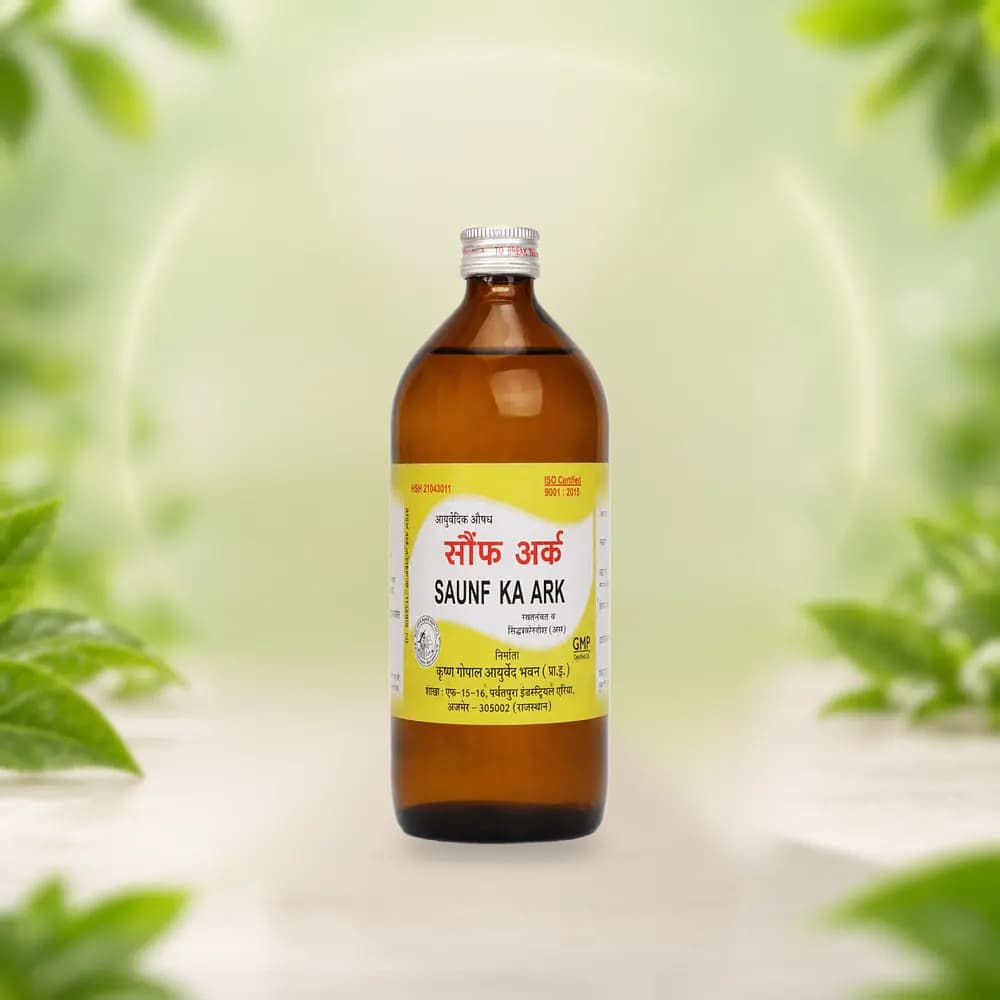
- Distillate (Arka): 20 to 40 ml (e.g., Miśreyārka).
9. Safety Information
Fennel is generally considered very safe and is widely used as a culinary spice and in pediatric formulations (like "Gripe Water" derivatives) to treat colic in infants.
10. Side Effects
- No specific side effects are reported in the texts when taken in the recommended dosage.
- Excessive intake might cause slight dryness (Rūkṣa quality) in rare cases, but its sweet post-digestive effect generally balances this.
11. Precautions
- Storage: Volatile oils can evaporate if not stored properly, reducing efficacy.
- Adulteration: It is often confused with Anise (Illicium verum or Pimpinella anisum), though their properties are similar.
12. Storage Instructions
- Store in a cool, dry place.
- Keep in an air-tight container to preserve the essential oils and aroma.
13. References
-
WHO Monographs on Selected Medicinal Plants – Foeniculum vulgare
World Health Organization (WHO)
https://apps.who.int/iris/handle/10665/42052
-
WHO Global Report on Traditional and Complementary Medicine
https://www.who.int/publications/i/item/9789241515436
-
Ayurvedic Pharmacopoeia of India (API)
Ministry of AYUSH, Government of India
https://www.ayush.gov.in
-
National Medicinal Plants Board (NMPB) – Foeniculum vulgare
https://nmpb.nic.in
-
Indian Pharmacopoeia Commission
https://ipc.gov.in
-
PubMed – Foeniculum vulgare Research Articles
U.S. National Library of Medicine
https://pubmed.ncbi.nlm.nih.gov/?term=Foeniculum+vulgare
-
Kew Science – Plants of the World Online (Foeniculum vulgare)
https://powo.science.kew.org
-
Charaka Samhita – Sutra Sthana (Deepaniya & Pachaniya Dravyas context)
(Available via Government e-text portals)
https://niimh.nic.in/ebooks/echaraka
14. FAQs
** **Q. Can it be taken daily?
Yes, it is commonly chewed after meals as a mouth freshener (Mukhwas) and digestive aid.
Q. When should it be taken?
It is most beneficial when taken after food to aid digestion, or processed into water (Fennel water) for thirst and burning sensations.
Q. Can it be taken with milk/water?
Yes. The powder is often taken with warm water. It can also be boiled in milk or water.
Consult a Doctor
- MS4.2Midun s kumar
Ayurveda4 yrs exp
- SP4.5Dr Sreelekha P Nair
Ayurveda6 yrs exp
- D4.3Dr Divya
Ayurveda2 yrs exp
- BY4.3Bapodara yash kanabhai
Ayurveda3 yrs exp