Fenugreek
Reviewed by medical experts · For informational purposes only
Introductory summary
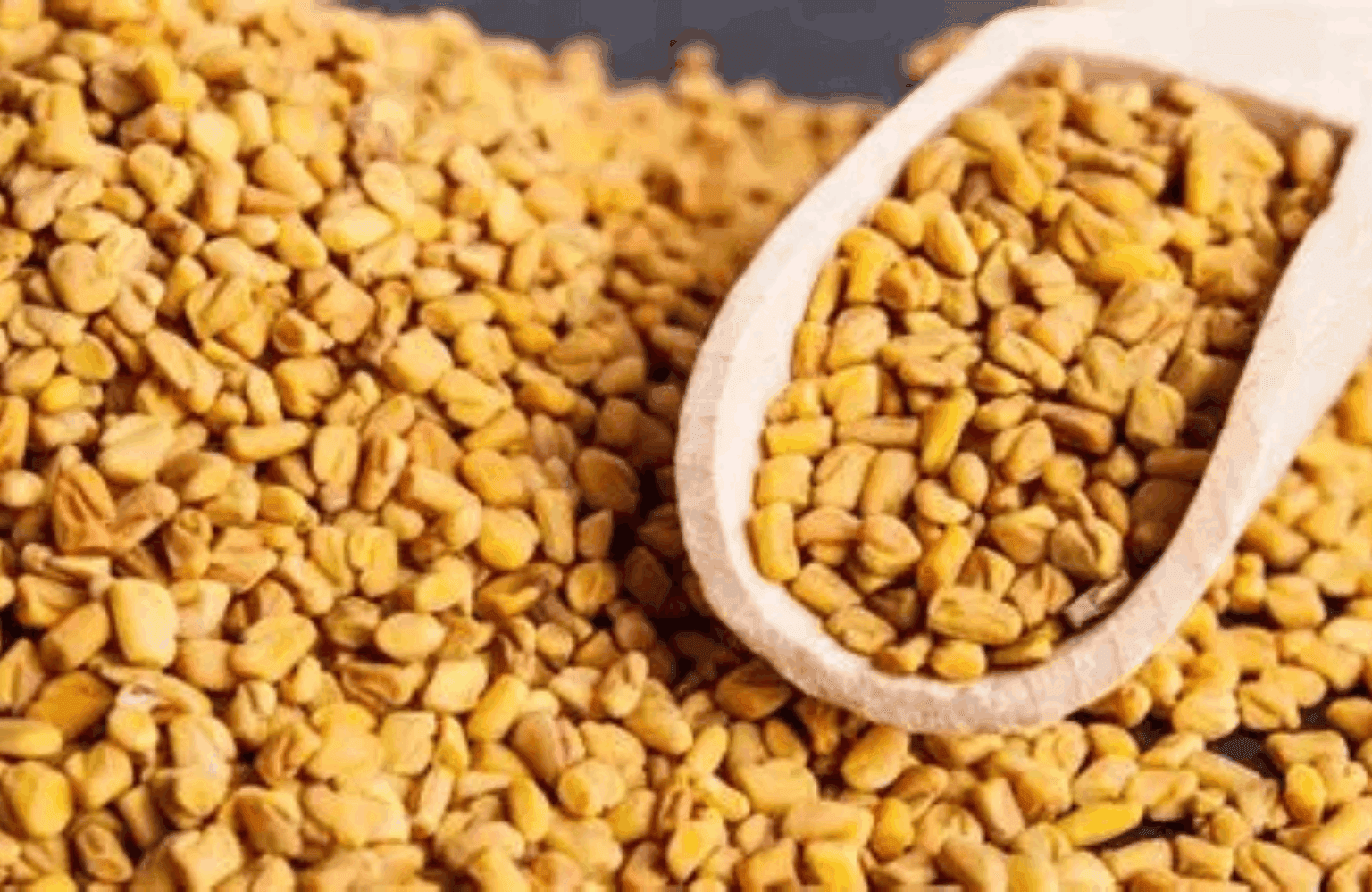
Fenugreek known as Methika or Methi in Ayurveda consists of the dried seeds of Trigonella foenum graecum. It acts as a potent digestive stimulant and metabolic regulator that effectively pacifies Vata and Kapha doshas. Characterized by Bitter and Pungent tastes it is widely used to treat digestive disorders including abdominal colic digestive impairment and malabsorption syndrome known as Grahani. It is particularly valued for its hypoglycemic properties in managing Prameha or diabetes and acts as an aphrodisiac tonic. Key Ayurvedic formulations containing Fenugreek include Hingvadi Churna for gas and Takrarishta. It helps alleviate conditions like abdominal lumps or Gulma. The recommended dosage for the seed powder is typically 1 to 3 grams often consumed to support metabolic and digestive health.
Fenugreek
Fenugreek, known in Ayurveda as Methikā or Methi, consists of the dried seeds of Trigonella foenum-graecum. It is a well-known herb used both as a culinary spice and a medicinal agent. In Ayurveda, it is recognized for its ability to regulate blood sugar, aid digestion, and support reproductive health as an aphrodisiac (Vrishya). It is commonly included in formulations to treat abdominal colic, digestive impairment, and metabolic disorders.
1. Name of the Herb
- Common Name: Fenugreek.
- Scientific Name: Trigonella foenum-graecum Linn.,.
- Sanskrit Name: Methi, Methikā.
- Family: Fabaceae.
2. Brief Description
Fenugreek is an annual herb extensively used in Indian cooking and traditional medicine. It is acknowledged in various traditional systems, including Tibbe Nabawi (Prophet's Medicine). In Ayurveda, the seeds are valued for their heating and penetrating qualities, making them effective for breaking down metabolic toxins and managing blood sugar levels. It is often grouped with restorative and aphrodisiac herbs.
3. Source / Part Used
- Plant Source: Herbal / Plant-based.
- Part Used: Dried Seed (Bija).
4. Ayurvedic Properties
Based on its inclusion in specific formulation groups in Ayurveda Prakasha and Chakradatta:
- Rasa (Taste): Tikta (Bitter) and Katu (Pungent) (Inferred from its use in Hingvadi Churna and Takrarishta for Kapha-Vata conditions),.
- Dosha Effect: Vata-Kaphahara (Pacifies Vata and Kapha). Its inclusion in Hingvadi Churna (used for gas and colic) suggests it balances Vata, while its hypoglycemic action suggests it manages Kapha/Medas (fat),.
5. Key Benefits
- Regulates Blood Sugar: Possesses hypoglycemic properties, aiding in the management of glucose levels.
- Supports Digestion: Acts as a digestive aid, helping to treat colic (Shula) and abdominal lumps (Gulma).
- Reproductive Tonic: Classified under Vrishya Gana (group of aphrodisiacs), supporting sexual health and vigor.
- Metabolic Support: Contains diosgenin, which aids in metabolic regulation.
6. Uses / Indications
Fenugreek is indicated in Ayurveda for the following conditions:
- Prameha / Madhumeha: Metabolic disorders and Diabetes mellitus.
- Udara Shula: Abdominal colic and pain (Used in Hingvadi Churna).
- Grahani: Malabsorption syndrome (Used in Takrarishta).
- Gulma: Abdominal tumors or lumps caused by Vata imbalance.
- Agnimandya: Digestive impairment.
7. How It Works
- Hypoglycemic Action: Fenugreek contains phytochemicals like diosgenin. It exerts a hypoglycemic effect, making it beneficial for lowering blood sugar levels in diabetic conditions.
- Carminative & Digestive: When used in formulations like Hingvadi Churna, it works by normalizing the movement of Vata in the abdomen, thereby relieving gas, bloating, and colic pain.
- Nutritional & Restorative: It acts as a Vrishya (aphrodisiac/tonic), nourishing the reproductive tissues.
8. Dosage
- Powder (Churna): The general dosage for seeds in this category is 1 to 3 grams.
- Formulations:
- Hingvadi Churna (containing Methi): 2 to 4 grams,.
- Takrarishta (fermented buttermilk preparation containing Methi): As directed by a physician.
9. Safety Information
Fenugreek is generally considered safe and is a common food ingredient used in daily cooking. It is well-tolerated when taken in dietary amounts.
10. Side Effects
- No specific severe side effects are mentioned in the texts when used in culinary or standard therapeutic doses.
- However, due to its heating nature, it should be used with discretion in conditions of high Pitta (excess heat or acidity).
11. Precautions
- Hypoglycemia: Since it has known hypoglycemic (blood sugar lowering) properties, patients on anti-diabetic medication should monitor their blood sugar levels to avoid dropping too low.
- Pregnancy: As a uterine stimulant (often used post-partum in folk medicine), therapeutic doses should be avoided during pregnancy unless under physician guidance.
12. Storage Instructions
- Store the seeds in a cool, dry place.
- Keep in an air-tight container to protect from moisture and pests.
13. References
-
WHO Monographs on Selected Medicinal Plants – Fenugreek (Trigonella foenum-graecum)
World Health Organization
https://apps.who.int/iris/handle/10665/42052
-
WHO Global Report on Traditional and Complementary Medicine
https://www.who.int/publications/i/item/9789241515436
-
FAO Ecocrop Database – Trigonella foenum-graecum
https://ecocrop.fao.org
-
Ayurvedic Pharmacopoeia of India (API)
https://www.ayush.gov.in
-
ScienceDirect – Fenugreek Phytochemistry & Pharmacology
https://www.sciencedirect.com/topics/pharmacology-toxicology-and-pharmaceutical-science/trigonella-foenum-graecum
-
SpringerLink – Medicinal and Nutritional Studies on Fenugreek
https://link.springer.com
-
Wiley Online Library – Fenugreek Research Articles
https://onlinelibrary.wiley.com
14. FAQs
Q. Can it be taken daily?
Yes, it is commonly used as a spice in daily cooking to aid digestion and metabolism.
Q. When should it be taken?
For diabetes management, it is often taken in the morning (soaked seeds or powder). For digestive issues, it is taken with food or buttermilk (Takra).
Q. Can it be taken with milk/water?
Yes. Powdered seeds can be taken with warm water. In formulations like Takrarishta, it is processed with buttermilk.
Consult a Doctor
- AK4.8Dr. Amalnath K Viswanathan
Ayurveda4 yrs exp
- AI4.9Dr. Aayush Ishwar
Ayurveda2 yrs exp
- KJ4.6Dr Kruti Jaxesh Bhavsar
Ayurveda1 yrs exp
- MS4.2Midun s kumar
Ayurveda4 yrs exp