Garlic
Reviewed by medical experts · For informational purposes only
Introductory summary
Garlic known as Rasona or Lasuna in Ayurveda consists of the bulb of Allium sativum. Unlike most herbs it possesses five tastes excluding sour with Pungent being predominant. Characterized by Heavy and Unctuous qualities with Hot potency it is a premier substance for pacifying Vata and Kapha doshas. It is highly effective for deep seated Vata disorders including paralysis sciatica facial palsy and stiffness. Therapeutically it acts as a digestive stimulant and carminative useful for abdominal tumors known as Gulma colic and constipation. It is also indicated for heart disease respiratory conditions like cough and asthma and skin disorders. Common formulations include Lasunadi Vati and Rasona Pinda often administered with milk or oil to mitigate its intense sharpness.
Garlic
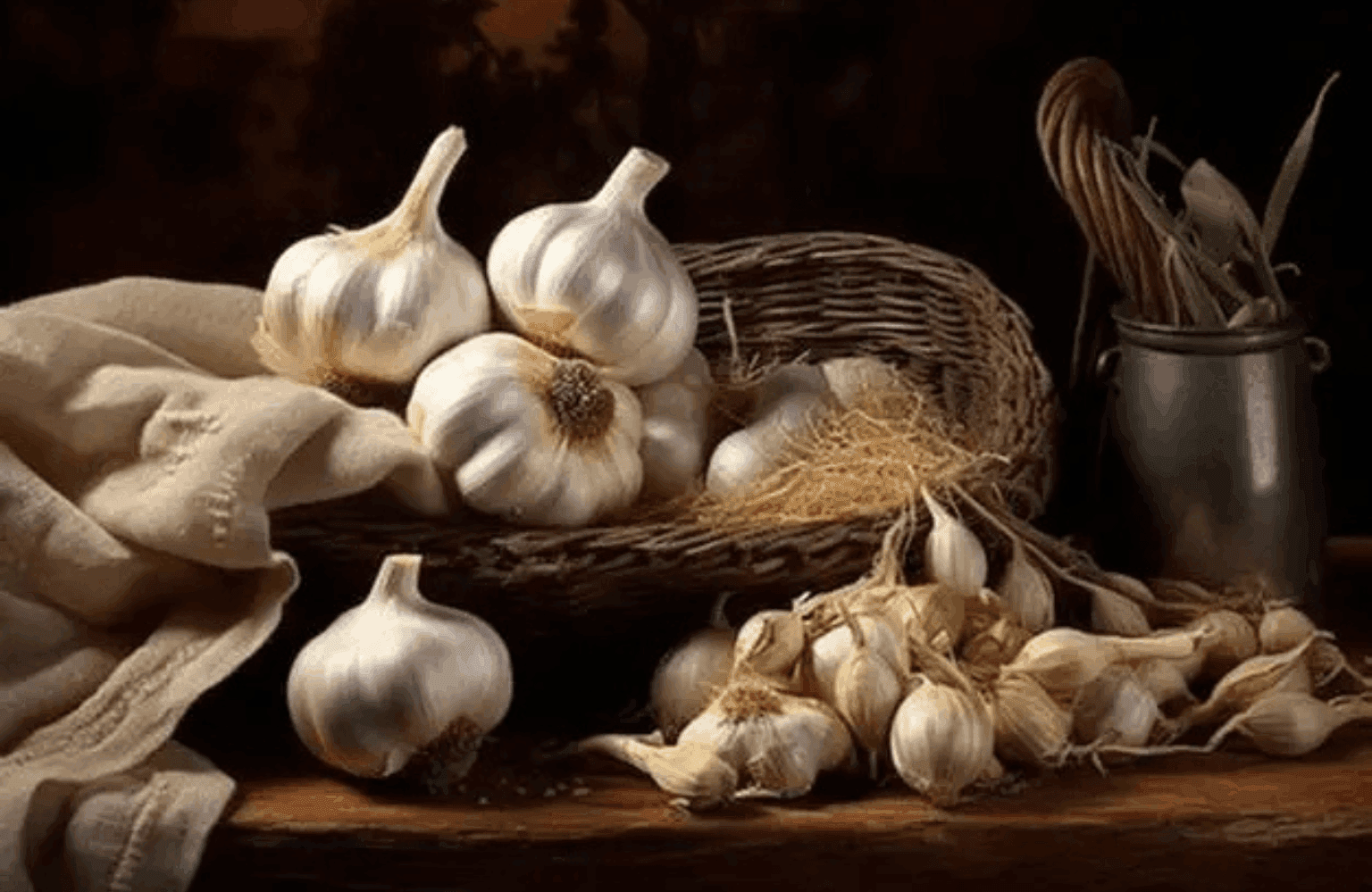
Garlic, known in Ayurveda as Rasona or Lasuna, consists of the bulb of Allium sativum. It is one of the most potent herbs in traditional Indian medicine, revered for its ability to pacify Vata (wind) disorders and treat deep-seated neurological and digestive conditions. Unlike many herbs that have a single taste, Garlic is unique in Ayurveda for possessing five different tastes (Rasas), with pungency being the most dominant.
1. Name of the Herb
- Common Name: Garlic.
- Scientific Name: Allium sativum Linn..
- Sanskrit Names: Rasona, Lasuna.
- Regional Names: Lasun (Hindi), Vellulli (Telugu).
2. Brief Description
Garlic is a bulbous plant cultivated throughout India. In Ayurveda, the bulb is the primary part used. It is classified as a strong, heating substance that is Guru (heavy) and Snigdha (unctuous/oily) in nature. It is considered a powerful Rasayana (rejuvenator) particularly for conditions related to the nervous system and bones.
3. Source / Part Used
- Plant Source: Herbal / Plant-based.
- Part Used: Bulb (Kanda).
4. Ayurvedic Properties
According to Ayurvedic Pharmacopoeia and Charaka Samhita:
- Rasa (Taste): Possesses five tastes (Salt, Pungent, Bitter, Sweet, Astringent). However, Katu (Pungent) is the predominant taste.
- Guna (Qualities): Guru (Heavy) and Snigdha (Unctuous/Oily).
- Virya (Potency): Ushna (Hot).
- Vipaka (Post-digestive effect): Katu (Pungent) (Inferred from general properties of pungent herbs).
- Dosha Effect: Vatakaphahara (Pacifies Vata and Kapha doshas). It acts as a specific remedy for Vata diseases (Vatavyadhi).
5. Key Benefits
- Combats Parasites: Acts as Krimighna, effectively destroying worms and infestations.
- Neurological Support: Highly effective for paralysis, sciatica, and facial palsy due to its Vata-pacifying nature.
- Skin Health: Used to treat Kustha (skin diseases/leprosy) and Leucoderma.
- Digestive Aid: Relieves colic (Shula), bloating, and abdominal tumors (Gulma).
- Strength & Virility: Acts as an aphrodisiac (Vrishya) and promotes physical strength.
6. Uses / Indications
Garlic is indicated in Ayurveda for the following conditions:
- Digestive Disorders: Ajirna (Indigestion), Visuchika (Gastro-enteritis), Atisara (Diarrhea), and Udavarta (upward movement of gases).
- Vata Disorders (Neurological): Ardita (Facial palsy), Pakshaghata (Paralysis/Hemiplegia), Gridhrasi (Sciatica), and Apatantraka (Tetany/Convulsions).
- Surgical/Skin Conditions: Vrana (Ulcers/Abscesses), Nadi (Sinus), and Visarpa (Erysipelas).
- General: Krimi (Worm infestation) and Hridroga (Heart disease).
7. How It Works
- Vata Alleviation: Garlic's Ushna (hot) potency and Snigdha (oily) quality directly counteract the cold and dry nature of Vata dosha. This makes it exceptional for treating stiffness, pain, and paralysis.
- Deep Penetration: It helps in breaking down abdominal lumps (Gulma) and clearing obstructions in the channels (Srotas).
- Antimicrobial: It is described as Krimighna, meaning it kills parasitic worms and infectious agents.
8. Dosage
- Vati (Tablet): 1 gram (approx.) is the reference dose for formulations like Lasunadi Vati.
- Paste (Kalka): In specific heavy therapies (Svalparasonapinda), dosages up to 6 tolas (approx. 72g) were historically described for severe Vata diseases, but this requires strict medical supervision.
- Juice: Used as an ingredient in medicated oils.
9. Safety Information
Garlic is generally safe for most people when consumed in culinary amounts. For medicinal purposes, it is often processed with oil, ghee, or milk to mitigate its intense sharpness and heat.
10. Side Effects
- Heat Aggravation: Due to its Ushna (hot) potency and pungent taste, excessive intake can increase body heat.
- Pitta Aggravation: It is not recommended for conditions involving high Pitta (heat), such as bleeding disorders (Raktapitta), unless specifically formulated.
11. Precautions
- Dietary Restrictions: When taking potent Garlic therapies (like Rasona Pinda), one should avoid sour and salty foods, physical exertion, and sunlight to prevent aggravating Pitta.
- Medical Conditions: Caution is advised in patients with bleeding disorders or hyperacidity.
12. Storage Instructions
- Store bulbs in a cool, dry, well-ventilated place to prevent mold and sprouting.
- Medicinal formulations (pills/oils) should be kept in airtight containers away from direct sunlight.
13. References
-
WHO Monographs on Selected Medicinal Plants – Allium sativum
World Health Organization
https://apps.who.int/iris/handle/10665/42052
-
WHO Benchmarks for Training in Traditional / Complementary Medicine
https://www.who.int/publications/i/item/9789240018099
-
European Medicines Agency (EMA) – Allii sativi bulbus (Garlic)
https://www.ema.europa.eu/en/medicines/herbal/allii-sativi-bulbus
-
U.S. FoodData Central – Garlic (Nutritional Data)
https://fdc.nal.usda.gov
-
ScienceDirect – Garlic Phytochemistry & Pharmacology
https://www.sciencedirect.com/topics/pharmacology-toxicology-and-pharmaceutical-science/allium-sativum
-
SpringerLink – Clinical & Experimental Studies on Garlic
https://link.springer.com
-
Wiley Online Library – Garlic Medicinal Research
https://onlinelibrary.wiley.com
14. FAQs
Q. Can it be taken daily?
Yes, in small culinary amounts. For therapeutic doses (Rasayana), it is taken daily for a specific period (e.g., one month) to cure deep-seated Vata diseases.
Q. When should it be taken?
For therapeutic effects, it is often recommended to be taken in the morning.
Q. Can it be taken with milk/water?
Yes. Traditional texts recommend taking garlic preparations with milk (Dugdha), wine (Madya), or Takra (buttermilk) depending on the disease condition.
Consult a Doctor
- KH4.4Dr Kowshalya H S
Ayurveda3 yrs exp
- NG5.0Dr Nandini gaur
Ayurveda1 yrs exp
- VS4.4Vaidya Shubham mangal
Ayurveda2 yrs exp
- MS4.2Midun s kumar
Ayurveda4 yrs exp