Ginger
Reviewed by medical experts · For informational purposes only
Introductory summary
Ginger scientifically known as Zingiber officinale is a revered Ayurvedic herb used as fresh Ardraka or dried Shunthi. While fresh ginger is a strong digestive stimulant dried ginger is unique for possessing Pungent taste but a Sweet post digestive effect and Unctuous quality. This combination allows it to pacify Vata and Kapha doshas effectively without causing excessive dryness. It acts as a potent carminative known as Anulomana and digestive known as Pachana making it a premier remedy for indigestion flatulence and abdominal colic. Clinically it is indicated for respiratory disorders like asthma and cough rheumatism known as Amavata and heart disease. It is also considered an aphrodisiac. The Ayurvedic Pharmacopoeia of India recommends a dosage of 1 to 2 grams of the rhizome powder.
Ginger
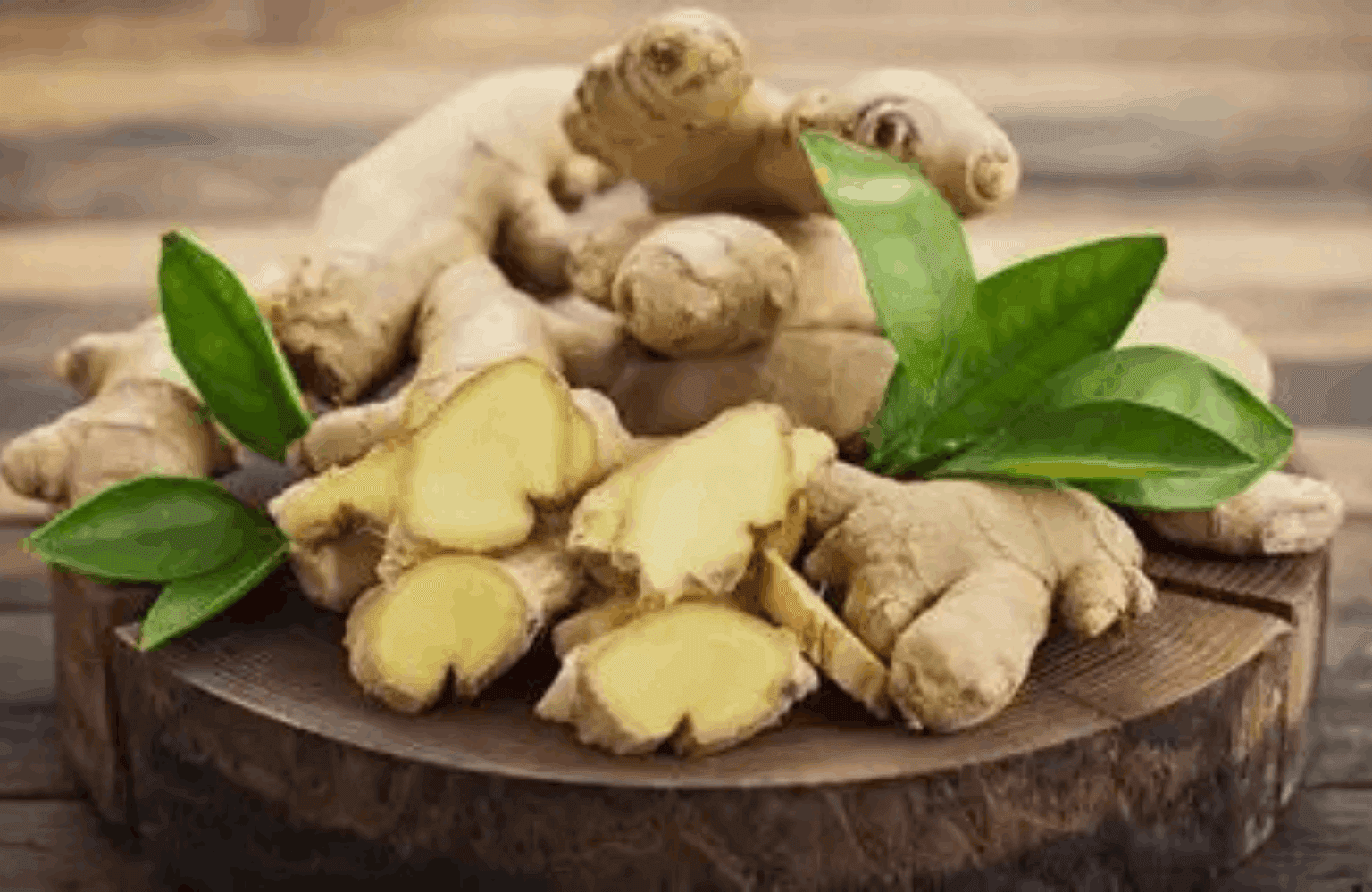
Ginger, scientifically known as Zingiber officinale, is one of the most widely used herbs in Ayurveda, revered as Maha-aushadhi (Great Medicine) or Vishvabheshaja (Universal Medicine). It is used in two primary forms: fresh ginger (Ardraka) and dried ginger (Shunthi). While both forms improve digestion, dried ginger is considered unique because it aids digestion and pacifies Vata dosha without causing as much irritation as other pungent spices, thanks to its "unctuous" (oily) quality and sweet post-digestive effect.
1. Name of the Herb
- Common Name: Ginger, Dry Ginger.
- Scientific Name: Zingiber officinale Roxb..
- Sanskrit Names:
- Fresh: Ārdraka, Śṛṅgavera.
- Dried: Śuṇṭhī, Nāgara, Viśva, Viśvabheṣaja (Universal Medicine), Auṣadha.
- Regional Names: Adrak/Sonth (Hindi), Ada/Sunth (Bengali), Shonti (Telugu), Chukku (Malayalam/Tamil), Suntha (Marathi).
2. Brief Description
Ginger is a perennial herb with a laterally compressed rhizome (underground stem). The rhizomes are dug up in January-February, cleaned, and either used fresh or dried to produce Shunthi. In Ayurveda, Ginger is highly valued for its ability to kindle the digestive fire (Agni) and digest toxins (Ama). It is considered a cardiac tonic (Hridya) and an aphrodisiac (Vrishya), particularly in its dried form.
3. Source / Part Used
- Plant Source: Herbal / Plant-based.
- Part Used: Rhizome (Rz.).
4. Ayurvedic Properties
According to the Ayurvedic Pharmacopoeia of India and Charaka Samhita, the properties of Dried Ginger (Shunthi) are:
- Rasa (Taste): Katu (Pungent).
- Guna (Qualities): Laghu (Light) and Snigdha (Unctuous/Oily).
- Note: This is unique; most pungent spices are dry, but dry ginger has an unctuous quality.
- Virya (Potency): Ushna (Hot).
- Vipaka (Post-digestive effect): Madhura (Sweet).
- Note: Fresh ginger (Ardraka) is Katu (Pungent) in Vipaka, while Dry Ginger transforms into Sweet, making it nourishing and aphrodisiac,.
- Dosha Effect: Vatakaphapaha (Pacifies Vata and Kapha doshas).
5. Key Benefits
- Digestive Powerhouse: It kindles digestive fire (Deepana) and helps digest metabolic toxins (Pachana).
- Respiratory Support: Effective in managing asthma (Shvasa) and cough (Kasa).
- Heart Health: Acts as Hridya (beneficial for the heart/cordial),.
- Relieves Pain: Useful in Amavata (Rheumatism) and joint pain due to its ability to digest toxic buildup.
- Reproductive Health: Dried ginger acts as an aphrodisiac (Vrishya).
6. Uses / Indications
Ginger is indicated in Ayurveda for the following conditions:
- Digestive Disorders: Agnimandya (Loss of appetite/Impaired digestion), Adhmana (Bloating/Flatulence), and Udararoga (Abdominal diseases).
- Respiratory Issues: Shvasa (Dyspnoea/Asthma) and Kasa (Cough).
- Joint Disorders: Amavata (Rheumatism).
- Blood Health: Pandu (Anemia).
- Nausea & Vomiting: Fresh ginger juice (Ardraka svarasa) is frequently used as a vehicle (Anupana) for medicines treating vomiting and nausea.
7. How It Works
- Anulomana (Carminative): It directs Vata dosha downwards, relieving gas, bloating, and constipation.
- Amapachana (Detoxification): Its hot potency and pungent taste help break down Ama (undigested food/metabolic toxins) which is the root cause of many diseases like Rheumatism and fever.
- Bio-enhancer: Honey is often added to Ginger formulations to act as a potentiating agent, liquefying Kapha (mucus).
- Chemical Constituents: Contains essential oils, pungent constituents like gingerol and shogaol, resins, and starch.
8. Dosage
The recommended dosage according to the Ayurvedic Pharmacopoeia of India is:
- Powder (Churna): 1 to 2 grams.
- Fresh Juice (Svarasa): Often used as an adjuvant (Anupana) in doses of 5-10 ml (inferred from formulations like Ardrakasvarasa).
9. Safety Information
Ginger is generally considered safe when taken in recommended culinary and therapeutic doses. It is a common ingredient in daily diet and therapeutic gruels (Yavagu) used to stimulate appetite and relieve colic.
10. Side Effects
- Sensory Irritation: As a pungent substance, it may cause a burning sensation in the mouth or throat if taken alone in large quantities.
- Pitta Aggravation: In excess, it can increase body heat due to its Ushna (Hot) virya.
11. Precautions
- High Pitta: People with bleeding disorders (Raktapitta), burning sensations, or ulcers should use it with caution or under guidance, as it is heating.
- Kidney Disorders: In specific texts, dry ginger is noted to be effective but should be used cautiously in certain urinary conditions unless formulated with balancing herbs.
12. Storage Instructions
- Store dried ginger (whole or powder) in a cool, dry place.
- Keep in an air-tight container to protect from moisture and pests.
13. References
-
WHO Monographs on Selected Medicinal Plants – Zingiber officinale
World Health Organization
https://apps.who.int/iris/handle/10665/42052
-
WHO Global Report on Traditional and Complementary Medicine
https://www.who.int/publications/i/item/9789241515436
-
European Medicines Agency (EMA) – Zingiberis rhizoma (Ginger)
https://www.ema.europa.eu/en/medicines/herbal/zingiberis-rhizoma
-
U.S. FDA – FoodData Central (Ginger Nutritional Data)
https://fdc.nal.usda.gov
-
Ayurvedic Pharmacopoeia of India (API) – Shunthi
https://www.ayush.gov.in
-
PubMed – Zingiber officinale Research Articles
https://pubmed.ncbi.nlm.nih.gov/?term=Zingiber+officinale
-
ScienceDirect – Ginger Phytochemistry & Pharmacology
https://www.sciencedirect.com/topics/pharmacology-toxicology-and-pharmaceutical-science/zingiber-officinale
-
SpringerLink – Clinical & Experimental Studies on Ginger
https://link.springer.com
-
Wiley Online Library – Ginger Medicinal Research
https://onlinelibrary.wiley.com
-
Bhavaprakasha Nighantu – Shunthi Description (Haritakyadi Varga)
https://niimh.nic.in/ebooks
-
Dhanvantari Nighantu – Shunthi Reference
https://niimh.nic.in/ebooks
14. FAQs
** **Q. Can it be taken daily?
Yes, in small quantities (like in tea or food), it is beneficial for digestion. Dry ginger (Shunthi) is considered better for daily use than fresh ginger in some contexts because it is more nourishing (unctuous).
Q. When should it be taken?
It is often taken before meals (with rock salt) to stimulate appetite, or processed into water/tea for digestion.
Q.Can it be taken with milk/water?
Yes. It can be boiled with water (Shunthi water) or taken with warm water. It is also compatible with milk in certain restorative preparations. Fresh ginger juice is often taken with honey.
Consult a Doctor
- DS4.2Deeksha sharma
Ayurveda4 yrs exp
- MS4.2Midun s kumar
Ayurveda4 yrs exp
- DR4.3Dr.Prajwal Raj Biradar
Ayurveda1 yrs exp
- BY4.3Bapodara yash kanabhai
Ayurveda3 yrs exp