Guggul Benefits and Uses
Reviewed by medical experts · For informational purposes only
Introductory summary
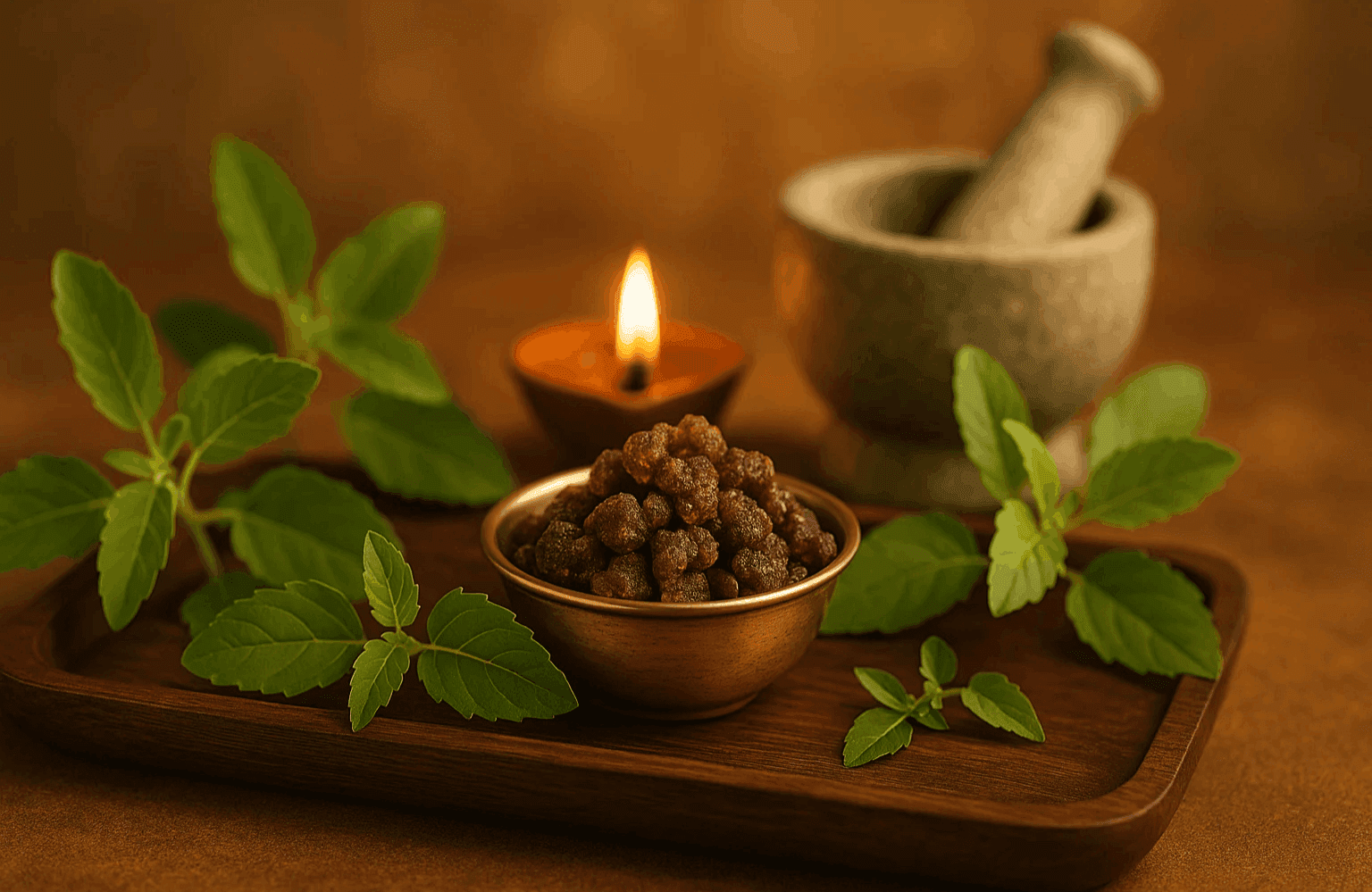
Guggul known as Guggulu in Ayurveda is the oleo gum resin exudate obtained from Commiphora wightii. It possesses Bitter Pungent and Astringent tastes with Light Penetrating and Unctuous qualities. Due to its Hot potency and Pungent post digestive effect it effectively balances all three doshas particularly Vata and Kapha. It is revered as the premier remedy for obesity and lipid disorders due to its fat scraping properties. Clinically it is extensively used to treat rheumatism osteoarthritis skin diseases and for healing bone fractures. It also treats tumors and cysts. Guggul requires purification before use to remove impurities and enhance efficacy. Common formulations include Yogaraja Guggulu and Kanchanara Guggulu with a typical dosage of 2 to 4 grams.
Guggul
Guggul, known scientifically as Commiphora wightii (or Commiphora mukul), is an oleo-gum-resin obtained from the bark of the Guggul tree. It is one of the most vital drugs in Ayurveda, revered for its binding properties and its ability to scrape away fat and toxins from the body. It is considered the primary treatment for Vata diseases and obesity.
1. Name of the Herb
- Common Name: Guggul, Indian Bdellium.
- Scientific Name: Commiphora wightii (Arn.) Bhand. (Syn. Balsamodendron mukul, Commiphora mukul Engl.).
- Sanskrit Names: Guggulu, Purā, Mahiṣākṣa (dark greenish-brown variety), Kauśika, Palaṅkaṣā, Devadhūpa.
- Regional Names: Guggul (Hindi/Bengali), Gugal (Gujarati), Guggilam (Telugu), Guggala (Kannada).
2. Brief Description
The Guggul plant is a small perennial tree or shrub, typically 1.2 to 1.8 meters high, found in the rocky tracts of Rajasthan, Gujarat, and Karnataka. The medicinal part is the exudate (gum resin) collected during winter or summer. In Ayurveda, Guggul is unique because while it is a potent medicine for specific diseases, it is also a Rasayana (rejuvenator) that promotes longevity and strength. It is rarely used raw; it usually undergoes a specific purification process (Śodhana) to remove impurities and enhance efficacy.
3. Source / Part Used
- Plant Source: Herbal / Plant-based (Resin).
- Part Used: Oleo-Gum-Resin (Exudate) known as Niryāsa.
4. Ayurvedic Properties
According to the Ayurvedic Pharmacopoeia of India:
- Rasa (Taste): Tikta (Bitter), Kaṭu (Pungent), and Kaṣāya (Astringent).
- Guna (Qualities): Laghu (Light), Sara (Flowing/Mobile), Viśada (Clear/Non-slimy), Sūkṣma (Subtle/Penetrating), and Snigdha (Unctuous/Oily).
- Virya (Potency): Uṣṇa (Hot).
- Vipaka (Post-digestive effect): Kaṭu (Pungent).
- Dosha Effect: Tridoṣahara (Balances all three doshas). It specifically pacifies Vata and Kapha (Vātabalāsajit).
5. Key Benefits
- Weight Management: It is a premier Medohara agent, effectively reducing obesity and adipose tissue.
- Joint Health: Highly effective for Amavata (Rheumatism) and Sandhigata Vata (Osteoarthritis) by relieving pain and inflammation.
- Skin Health: Used extensively for Kustha (skin diseases) and healing non-healing ulcers (Duṣṭa Vraṇa).
- Bone Healing: Acts as Bhagnasandhānakṛt, helping to join fractured bones.
- Rejuvenation: Acts as a Rasayana, slowing down the aging process (Jarā).
6. Uses / Indications
Guggul is indicated in Ayurveda for the following conditions:
- Metabolic Disorders: Medoroga (Obesity) and Prameha (Diabetes/Urinary disorders).
- Musculoskeletal: Vātarakta (Gout), Sciatica (Gṛdhrasī), and Arthritis.
- Growths: Granthi (Cysts), Apacī (Scrofula/Lymphadenitis), and Arbuda (Tumors).
- Digestive/Excretory: Arśa (Hemorrhoids/Piles), Bhagandara (Fistula-in-ano), and Agnimāndya (Low digestion).
- Heart Health: Hṛdroga (Heart disease) associated with high cholesterol/lipids.
7. How It Works
- Fat Scraping (Lekhana): Due to its Tikta (bitter) taste and Lekhana (scraping) property, it breaks down fat tissues and removes obstruction in the channels (Srotas).
- Anti-inflammatory: It reduces Śotha (swelling) and pain by pacifying Vata and drying up excess Kapha fluids.
- Penetrating Action: Its Sūkṣma (subtle) and Sara (flowing) qualities allow it to penetrate deep into the tissues (joints, bones) to deliver therapeutic effects.
- Chemical Action: It contains steroids (guggulsterones), gum, and essential oils that contribute to its lipid-lowering and anti-inflammatory activity.
8. Dosage
According to the Ayurvedic Pharmacopoeia of India and Formulary:
- Purified Guggul (Single drug): 2 to 4 grams.
- Formulations (Pills/Vati): Generally 3 grams (divided doses) for compound formulations like Yogarāja Guggulu or Triphalā Guggulu.
9. Safety Information
Guggul is generally safe when used after proper purification (Śodhana). Raw Guggul may contain impurities like sand or glass and can be irritating. It is always processed with cow's urine, Triphala decoction, or milk before medicinal use to remove toxicity and enhance efficacy.
10. Side Effects
- Gastric Irritation: In excess, it may cause burning sensation or acidity due to its Uṣṇa (hot) potency.
- Skin Reaction: Raw or improperly purified Guggul can cause skin rashes or eruptions.
- Excessive Dryness: Long-term use without vehicles like milk or ghee might cause dryness in the body.
11. Precautions
- Dietary Restrictions: While taking Guggul, one should avoid sour (Amla) foods, pungent (spicy) foods, alcohol (Madya), physical exertion (Vyāyāma), and exposure to strong sunlight (Ātapa).
- Pregnancy: It stimulates the uterus (Garbhāśayottejaka) and is generally avoided or used with extreme caution during pregnancy.
- Liver conditions: As it is a potent drug metabolized by the liver, use with caution in severe liver disorders unless prescribed.
12. Storage Instructions
- Store in glass or porcelain jars.
- Keep free from moisture and store in a cool place.
- Properly prepared Guggul maintains its potency for up to two years.
13. References
-
WHO Monographs on Selected Medicinal Plants (Standards for Herbal Substances)
World Health Organization
https://apps.who.int/iris/handle/10665/42052
-
WHO Global Report on Traditional and Complementary Medicine
https://www.who.int/publications/i/item/9789241515436
-
Kew Science – Plants of the World Online (Commiphora wightii)
https://powo.science.kew.org
-
Ayurvedic Pharmacopoeia of India (API) – Guggulu
https://www.ayush.gov.in
-
PubMed – Commiphora wightii Research Articles
https://pubmed.ncbi.nlm.nih.gov/?term=Commiphora+wightii
-
ScienceDirect – Guggul Phytochemistry & Pharmacology
https://www.sciencedirect.com/topics/pharmacology-toxicology-and-pharmaceutical-science/commiphora-wightii
-
SpringerLink – Clinical Studies on Guggul & Guggulsterone
https://link.springer.com
-
Wiley Online Library – Commiphora mukul Research
https://onlinelibrary.wiley.com
-
Ashtanga Hridaya – Guggulu in Vata-Kapha Disorders
https://niimh.nic.in/ebooks
-
Bhavaprakasha Nighantu – Guggulu Description
https://niimh.nic.in/ebooks
-
Dhanvantari Nighantu – Guggulu Reference
https://niimh.nic.in/ebooks
14. FAQs
** **Q. Can it be taken daily?
Yes, in therapeutic doses (Rasayana) for specific periods, but dietary restrictions (avoiding sour/spicy food) must be followed for the best results.
Q. When should it be taken?
It is usually taken after food to prevent gastric irritation, often with warm water or milk.
Q. Can it be taken with milk/water?
Yes. Warm water is the most common vehicle (Anupana). For rheumatic or nerve conditions, it is often taken with milk or Dashamula Kvatha. For obesity, it may be taken with hot water or honey.
Consult a Doctor
- NG5.0Dr Nandini gaur
Ayurveda1 yrs exp
- KC5.0Dr. Kamesh chand sharma
Ayurveda2 yrs exp
- PP4.4Dr prince patel
Ayurveda22 yrs exp
- KH4.4Dr Kowshalya H S
Ayurveda3 yrs exp
Buy Medicine
 Prescribed to you4.3₹6 cashback
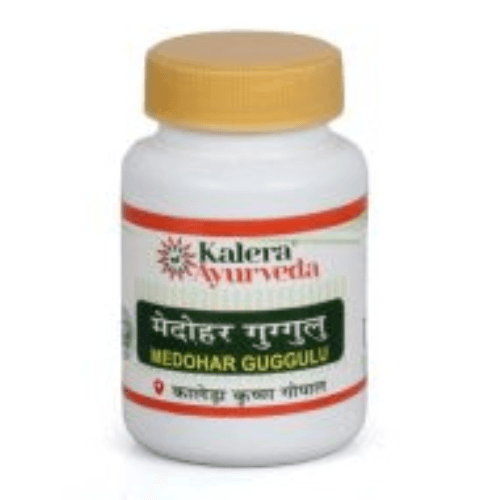
Medohar Guggul (Kalera) Kalera
Daily support for weight management
Strip of 30 Tablets
4.3
₹66Get ₹6 Cashback
₹7613% off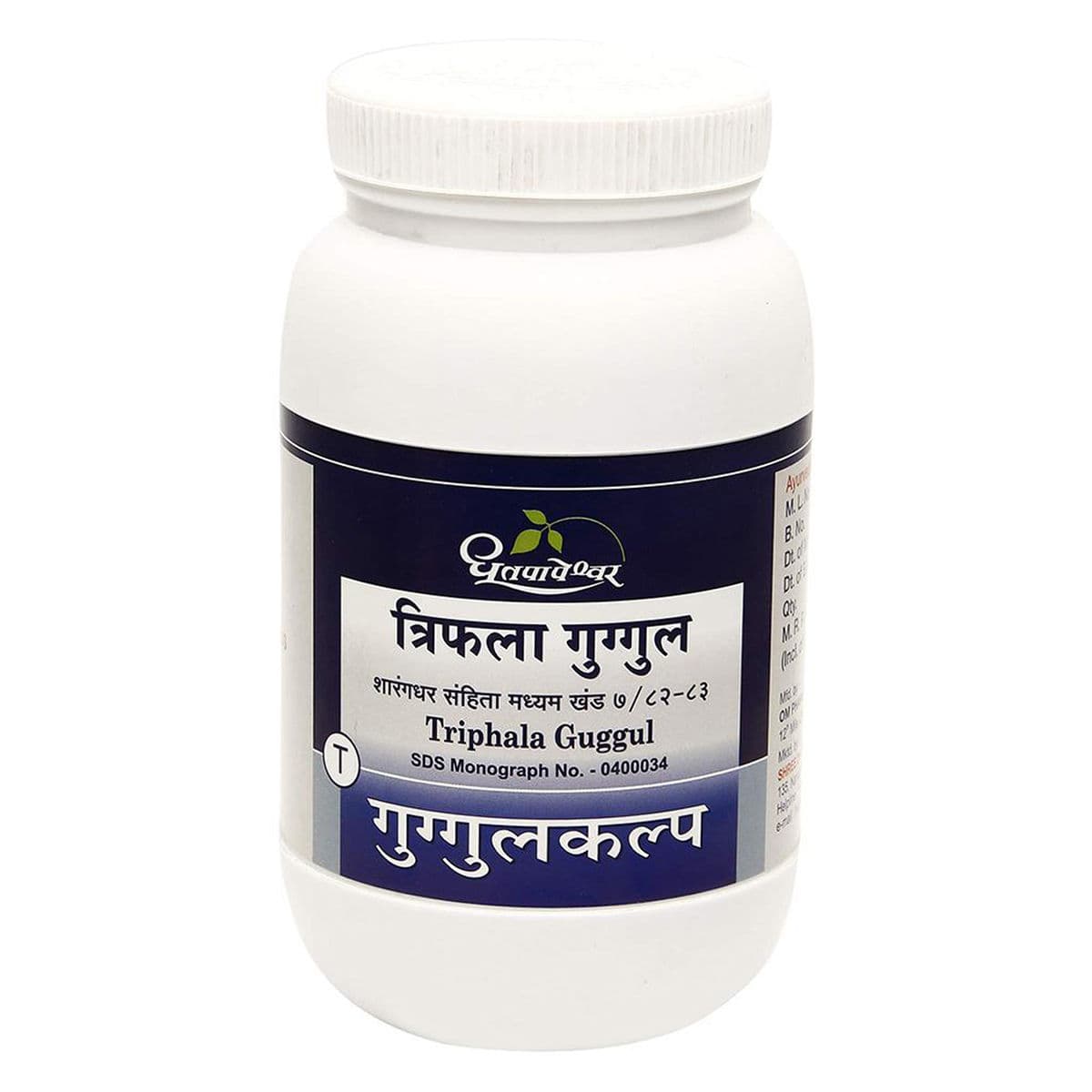 Prescribed to you4.8₹16 cashback
Triphala Guggul (Dhootapapeshwar) SDL
SDLDigestive comfort and regularity support
Strip of 60 Tablets
4.8
₹167Get ₹16 Cashback
₹19012% off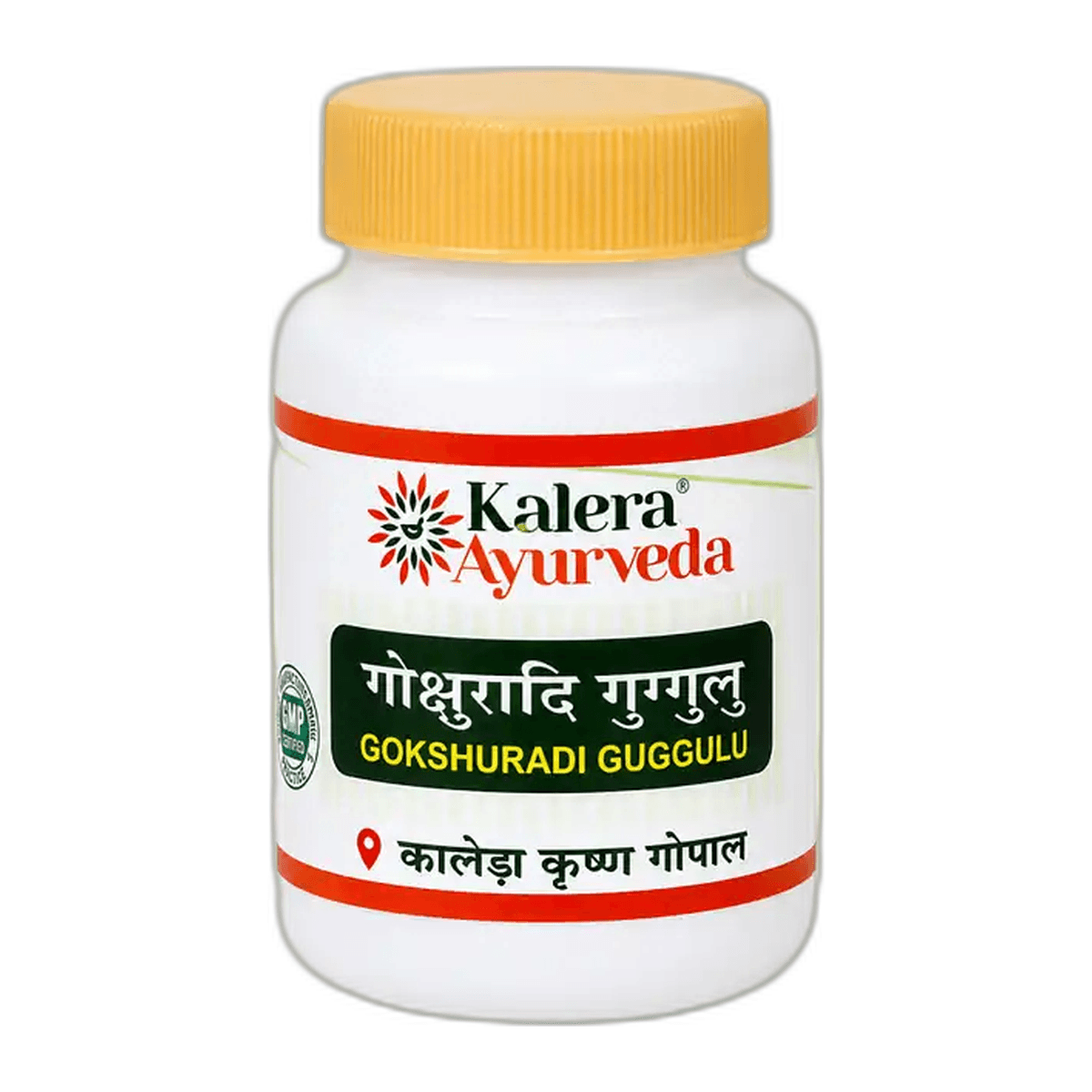 Prescribed to you4.6₹8 cashback
Gokshuradi Guggul (Kalera)KaleraKidney & urinary health
Strip of 30 Tablets
4.6
₹85Get ₹8 Cashback
₹9611% off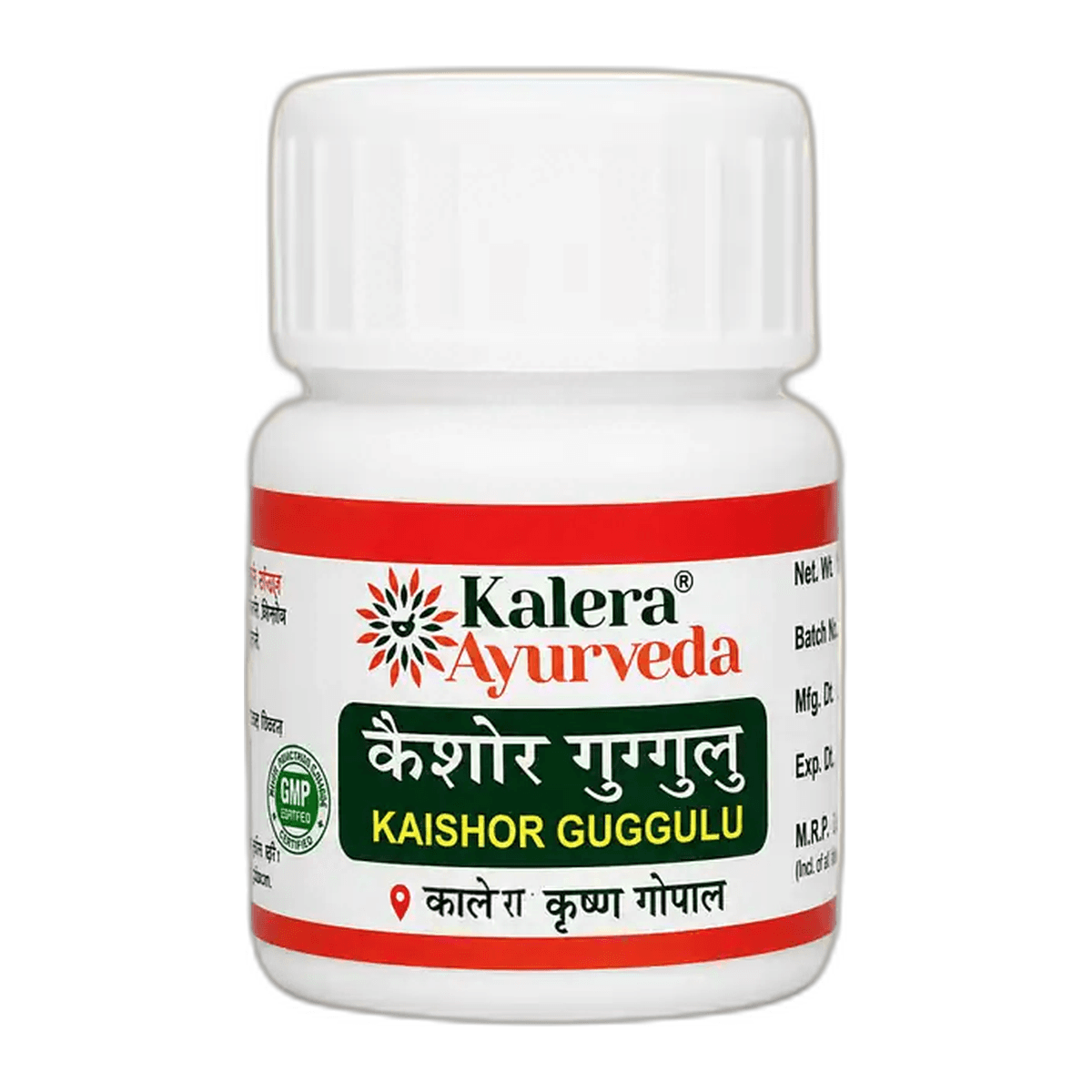 Prescribed to you4.6₹9 cashback
Kaishor Guggul (Kalera)KaleraSupports gout and blood purification
Strip of 30 Tablets
4.6
₹95Get ₹9 Cashback
₹10711% off