Haritaki
Reviewed by medical experts · For informational purposes only
Introductory summary
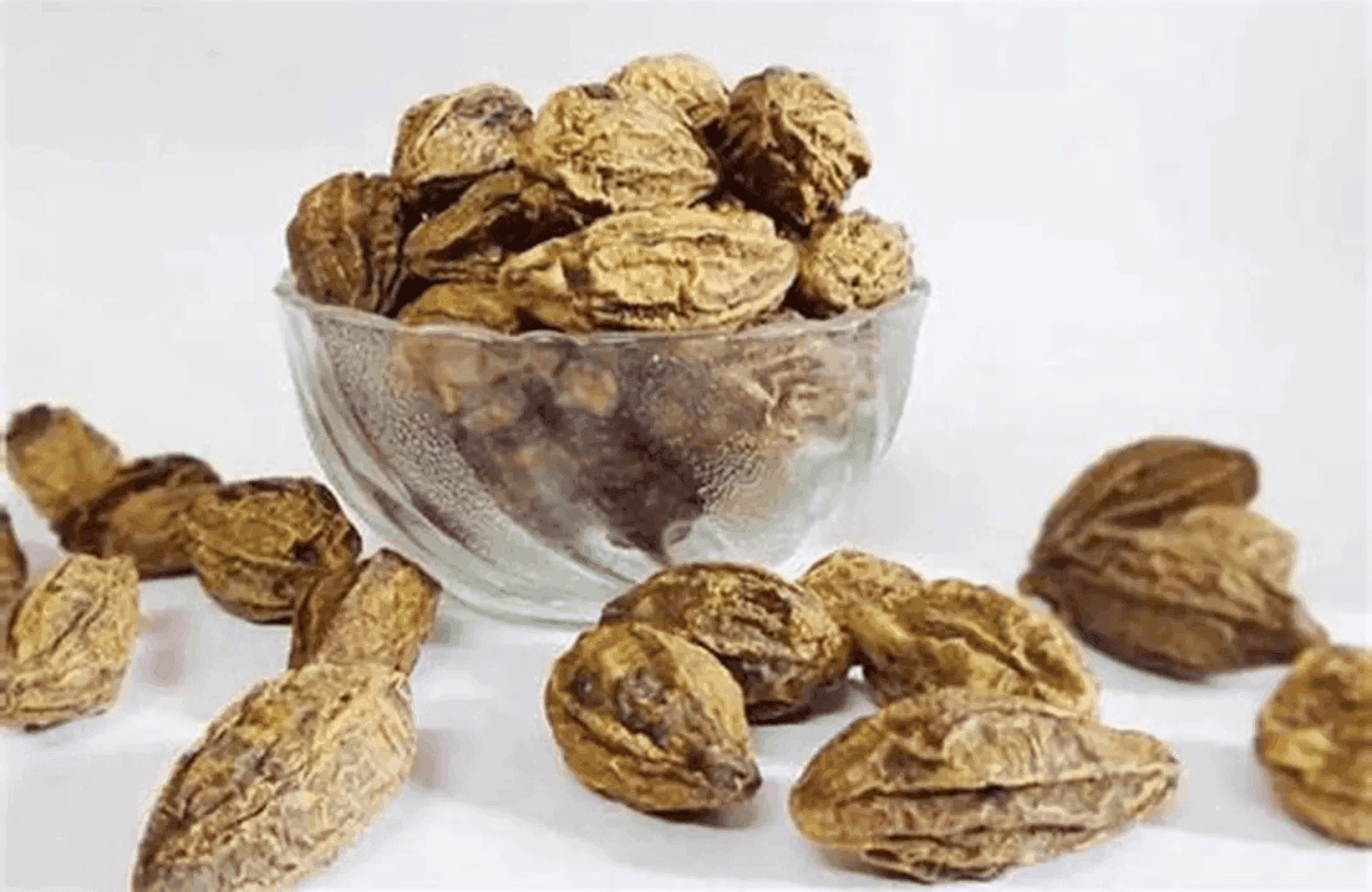
Haritaki scientifically known as Terminalia chebula is a revered Ayurvedic fruit often called Abhaya or Pathya. It is unique for possessing five of the six tastes lacking only saltiness with Astringent being predominant. According to the Ayurvedic Pharmacopoeia of India it acts as a powerful rejuvenator known as Rasayana and mild laxative known as Anulomana. Despite its Astringent taste it possesses a Hot potency and Sweet post digestive effect allowing it to balance all three doshas. It is clinically indicated for digestive disorders like constipation and piles respiratory conditions like cough and asthma and for improving vision. Common formulations include Triphala Churna and Abhayarishta and the recommended dosage is typically 3 to 6 grams of the fruit pericarp powder.
Haritaki
Haritaki, scientifically known as Terminalia chebula, is one of the most revered herbs in Ayurveda, often exalted as "Mother" because it nurtures the body and is believed never to harm the user. It is a key ingredient in the famous formulation Triphala. In Ayurveda, it is classified as a prime Rasayana (rejuvenator) that destroys disease and sustains youthful age.
1. Name of the Herb
- Common Name: Chebulic Myrobalan, Haritaki.
- Scientific Name: Terminalia chebula Retz..
- Sanskrit Names: Harītakī, Abhayā (Fearless/Discards fear of disease), Pathyā (Wholesome for channels), Śivā (Auspicious), Kāyasthā (Stabilizes the body), Vijayā.
- Regional Names: Harre/Harad (Hindi), Kadukkai (Tamil), Karakkaya (Telugu), Hirda (Marathi).
2. Brief Description
Haritaki is a moderate to large deciduous tree found throughout India, particularly in deciduous forests. The medicinal part is the fruit, specifically the pericarp (outer rind). In Ayurveda, it is compared to Amrita (Nectar) and is considered the best herb for clearing the channels of the body (Srotas) and replenishing the tissues. It is unique because it possesses five of the six tastes (all except salty),.
3. Source / Part Used
- Plant Source: Herbal / Tree-based.
- Part Used: Fruit Pericarp (Mature fruit rind).
4. Ayurvedic Properties
According to the Ayurvedic Pharmacopoeia of India and Charaka Samhita:
- Rasa (Taste): Possesses five tastes: Madhura (Sweet), Amla (Sour), Katu (Pungent), Tikta (Bitter), and Kasaya (Astringent). It lacks only Lavana (Salty) taste. Astringent is often considered the dominant taste,.
- Guna (Qualities): Laghu (Light) and Ruksha (Dry).
- Virya (Potency): Ushna (Hot),.
- Note: This is an exception; usually astringent herbs are cold, but Haritaki is hot.
- Vipaka (Post-digestive effect): Madhura (Sweet).
- Dosha Effect: Tridoshajit (Balances Vata, Pitta, and Kapha).
- It pacifies Kapha due to its hot, dry, and astringent nature.
- It pacifies Vata due to its sweet post-digestive effect and hot potency.
- It pacifies Pitta due to its sweet and astringent tastes.
5. Key Benefits
- Digestive Tonic: Increases digestive fire (Agni) and clears constipation (Vibandha).
- Rejuvenator (Rasayana): Promotes longevity, strength, and sustains youthful age.
- Cleanses Channels: It is described as Pathya, meaning it removes obstructions in the body's channels (Sroto-vibandha).
- Supports Eye Health: Acts as Cakṣuṣya (beneficial for eyes/vision).
- Intellect Booster: Promotes memory and intellect (Medhya).
6. Uses / Indications
Haritaki is indicated in Ayurveda for a vast range of conditions:
- Digestive Disorders: Agnimandya (Loss of appetite), Arsha (Piles/Hemorrhoids), Grahani (Malabsorption), Udavarta (Upward movement of gas), and Gulma (Abdominal tumors),.
- Respiratory: Kasa (Cough), Shvasa (Asthma/Dyspnea), and Svarabheda (Hoarseness).
- Skin: Kustha (Skin diseases/Leprosy), Visarpa (Erysipelas), and Kandu (Itching),.
- General: Pandu (Anemia), Hridroga (Heart disease), Prameha (Diabetes/Urinary disorders), Shotha (Edema/Swelling), and Jvara (Fever).
7. How It Works
- Anulomana (Mild Laxative): Due to its hot potency and specific action, it directs Vata downwards, helping to evacuate bowels and gas easily without causing diarrhea (when taken in proper dose).
- Agni Dipana: It stimulates the digestive fire, aiding in the digestion of metabolic toxins (Ama).
- Rasayana Action: By clearing the channels (Srotas) of waste, it allows nutrients to reach the tissues (Dhatus) effectively, thereby nourishing the body and delaying aging.
8. Dosage
The recommended dosage according to the Ayurvedic Pharmacopoeia of India is:
- Powder (Churna): 3 to 6 grams.
- Decoction: Used as an ingredient in various decoctions (e.g., Pathyadi Kvatha).
9. Safety Information
Haritaki is generally considered safe and beneficial ("like nectar") for most people when used appropriately. It is a non-habit-forming laxative and tonic.
10. Side Effects
- Excessive Dryness: Due to its Ruksha (Dry) quality, excessive intake without lubricating vehicles (like ghee) might cause dryness.
- Heat: Since it is Ushna (Hot), it might not be suitable in very high Pitta conditions without balancing herbs.
11. Precautions
According to Charaka Samhita, Haritaki should NOT be used by:
- Indigestion: Those suffering from acute indigestion (Ajirna).
- Debility: Those emaciated by excessive sexual activity, alcohol, or starvation.
- Acute Conditions: Those afflicted with severe thirst, hunger, or heat exposure.
- Pregnancy: Caution is advised due to its laxative and hot nature (general Ayurvedic rule for Anulomana drugs).
12. Storage Instructions
- Store the dried fruit or powder in a cool, dry place.
- Keep away from moisture to prevent mold.
13. References
-
WHO Monographs on Selected Medicinal Plants – Terminalia chebula
World Health Organization
https://apps.who.int/iris/handle/10665/42052
-
WHO Global Report on Traditional and Complementary Medicine
https://www.who.int/publications/i/item/9789241515436
-
Ayurvedic Pharmacopoeia of India (API) – Haritaki
https://www.ayush.gov.in
-
PubMed – Terminalia chebula Research Articles
https://pubmed.ncbi.nlm.nih.gov/?term=Terminalia+chebula
-
ScienceDirect – Terminalia chebula Phytochemistry & Pharmacology
https://www.sciencedirect.com/topics/pharmacology-toxicology-and-pharmaceutical-science/terminalia-chebula
-
SpringerLink – Clinical & Experimental Studies on Haritaki
https://link.springer.com
-
Wiley Online Library – Terminalia chebula Research
https://onlinelibrary.wiley.com
-
Kew Science – Plants of the World Online (Terminalia chebula)
https://powo.science.kew.org
-
World Flora Online – Terminalia chebula
https://www.worldfloraonline.org
14. FAQs
** **Q. Can it be taken daily?
Yes, it is a Rasayana (rejuvenator) and can be taken daily to maintain health, but the vehicle (anupana) may change based on the season (e.g., with jaggery in summer, salt in monsoon) to balance its effects.
Q. When should it be taken?
It is often taken at night for mild laxative action or in the morning for rejuvenating effects.
Q. Can it be taken with milk/water?
Yes. For rejuvenation, it is often taken with ghee and honey. For digestion/laxative purposes, it is taken with warm water.
Consult a Doctor
- AK4.8Dr. Amalnath K Viswanathan
Ayurveda4 yrs exp
- AI4.9Dr. Aayush Ishwar
Ayurveda2 yrs exp
- KJ4.6Dr Kruti Jaxesh Bhavsar
Ayurveda1 yrs exp
- MS4.2Midun s kumar
Ayurveda4 yrs exp
Buy Medicine
 Prescribed to you4.5₹11 cashback
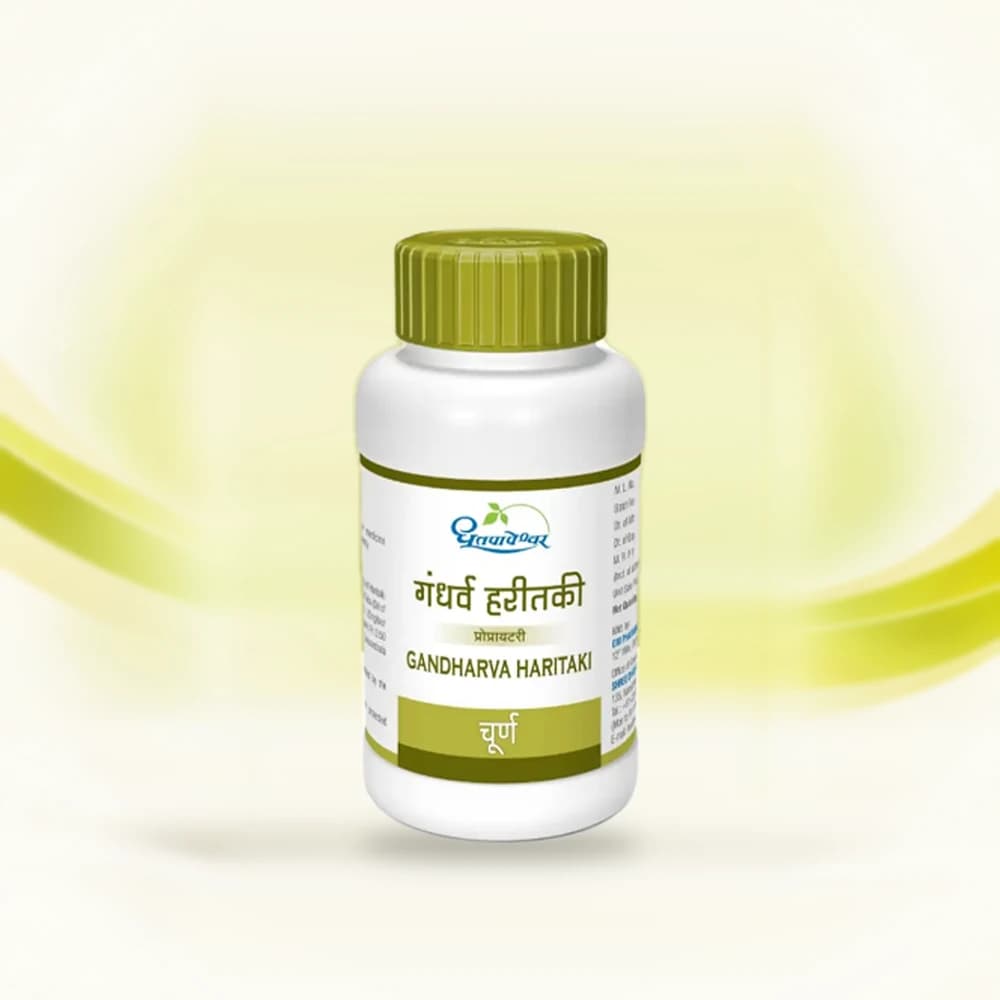
Gandharva Haritaki (Dhootapapeshwar) SDL
SDLSupports bowel regularity
Container of 60 g
4.5
₹114Get ₹11 Cashback
 Prescribed to you4.5₹8 cashback
Gandharva Haritaki Choorna Vati (Dhootapapeshwar)SDLSupports bowel regularity
Strip of 60 Tablets
4.5
₹87Get ₹8 Cashback