Hibiscus Benefits and Uses
Reviewed by medical experts · For informational purposes only
Introductory summary
Ayurveda recognizes specific species of Hibiscus for therapeutic use distinct from the common ornamental variety. The Ayurvedic Pharmacopoeia of India identifies Ambasthaki scientifically known as Hibiscus sabdariffa and Bharadwaji known as Hibiscus cancellatus as key medicinal plants. Ambasthaki primarily utilizing the root is classified under Sandhaniya or union promoting herbs indicating its effectiveness in healing fractures and uniting tissues. Bharadwaji is noted for its Brimhaniya or bulk promoting properties helping to restore body mass and vigor. Another variety Kasturilatika or Hibiscus abelmoschus utilizes the seeds for medicinal purposes. These herbs are generally valued for their restorative capabilities treating conditions like debility emaciation and tissue injury. The recommended usage and dosage depend on the specific variety and formulation prescribed by a physician.
Hibiscus
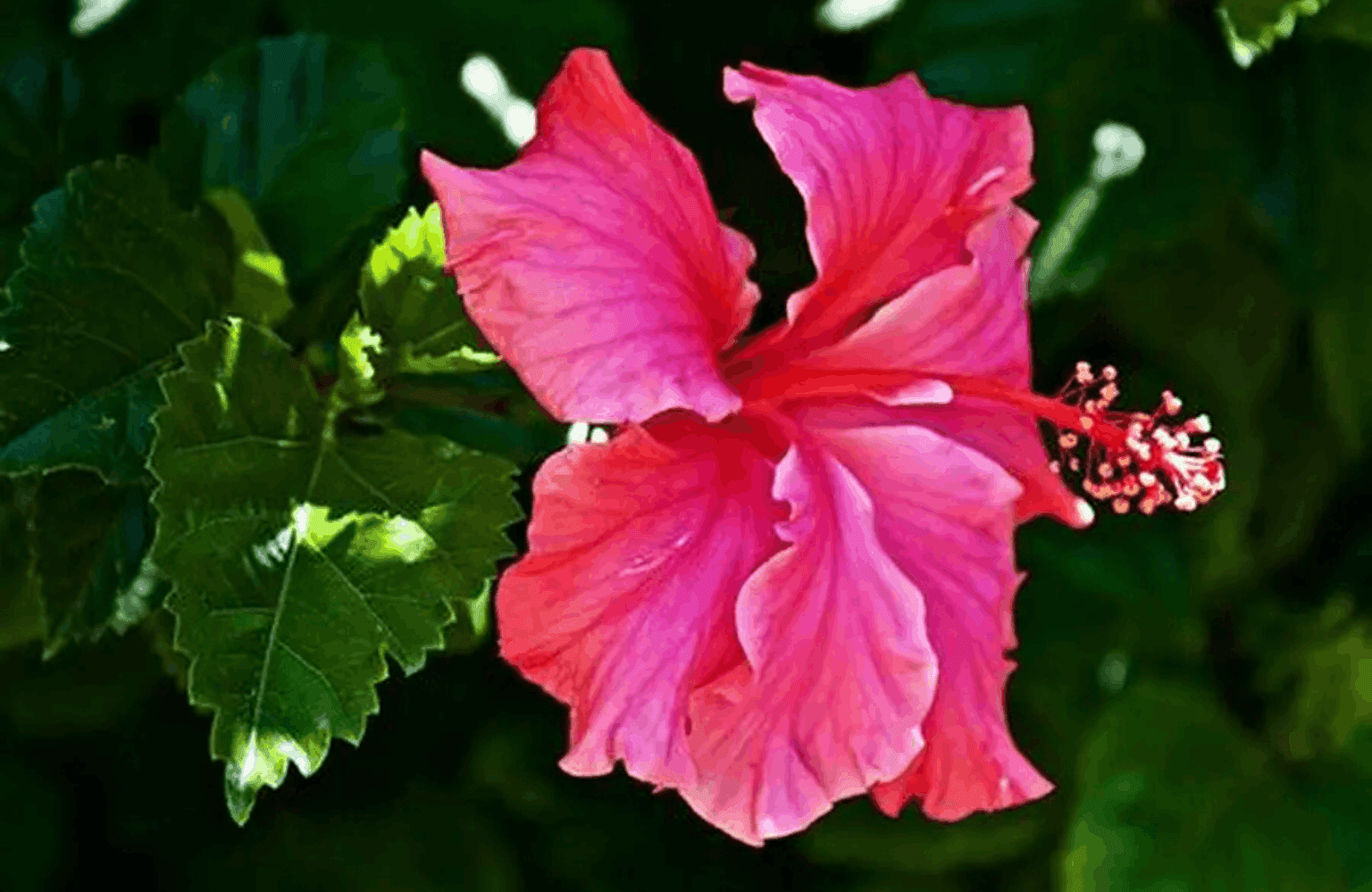
Hibiscus is a genus of flowering plants used in various traditional medical systems, including Ayurveda and Tibbe Nabawi (Prophet's Medicine). While commonly known for the ornamental Hibiscus rosa-sinensis, the authoritative Ayurvedic Pharmacopoeia of India specifically lists Ambasthakī (Hibiscus sabdariffa) and Bharadwājī (Hibiscus cancellatus) as medicinal species. These are valued for their restorative, bulk-promoting, and healing properties.
1. Name of the Herb
- Common Name: Hibiscus, Roselle.
- Scientific Name:
- Hibiscus sabdariffa Linn. (identified as Ambasthakī).
- Hibiscus cancellatus Roxb. (identified as Bharadwājī).
- Sanskrit Names: Ambasthakī, Bharadwājī.
- Other Systems: It is also utilized in Tibbe Nabawi (Prophet's Medicine) alongside other herbs like ginger and fenugreek.
2. Brief Description
Hibiscus species in Ayurveda are primarily recognized for their role in nourishment and structural support of the body. Unlike the common garden hibiscus often used for hair, the species Hibiscus cancellatus (Bharadwājī) is categorized as a Brimhaniya drug, meaning it promotes body bulk and acts as a tonic. Hibiscus sabdariffa (Ambasthakī) is recognized for its Sandhaniya (union-promoting/healing) properties.
3. Source / Part Used
- Plant Source: Herbal / Plant-based.
- Part Used:
- Root (Rt.): Specifically listed for Hibiscus sabdariffa (Ambasthakī).
- Whole Plant/Root: Generally used in bulk-promoting groups.
4. Ayurvedic Properties
While specific Rasa (taste) and Guna (qualities) monographs for Hibiscus are not detailed in the provided snippets, its properties are inferred from its classification in the Great Extractives (Mahakashaya) groups:
- Karma (Action):
- Bṛiṃhaṇīya: Bulk-promoting and nourishing (attributed to Bharadwājī).
- Sandhānīya: Union-promoting, helping in the healing of fractured or divided body parts (attributed to Ambasthakī).
5. Key Benefits
- Promotes Body Mass: Acts as a Brimhaniya agent, helping to increase body bulk and nourishment.
- Supports Healing: Acts as Sandhaniya, aiding in the union of tissues and healing.
- Restorative Tonic: Used in groups of herbs that provide vitality and strength,.
- General Health: Recognized in traditional systems for maintaining health and managing lifestyle issues.
6. Uses / Indications
Hibiscus species are indicated in Ayurveda for the following:
- Debility and Emaciation: Used to treat weakness and loss of body tissue due to its bulk-promoting action.
- Tissue Healing: Indicated for conditions requiring tissue union or structural repair (Sandhaniya).
- Preventative Care: Utilized in traditional regimens to prevent health issues through lifestyle management.
7. How It Works
- Nourishing Action: As a Brimhaniya herb, it works by adding substance to the body tissues (Dhatus), likely through high nutritional content or anabolic activity, helping to restore weight and strength in emaciated individuals.
- Regenerative Action: As a Sandhaniya agent, it promotes the granulation and union of tissues, facilitating the healing process.
8. Dosage
- Powder (Churna): General Ayurvedic dosage for similar root/herbal powders is typically 3 to 6 grams.
- Note: Specific dosage depends on the formulation and physician's direction.
9. Safety Information
Hibiscus (Ambasthakī and Bharadwājī) is included in standard Ayurvedic pharmacological groups, suggesting it is generally safe when used as part of traditional formulations. It is considered a restorative tonic.
10. Side Effects
- No specific side effects are reported in the provided texts. However, as with all bulk-promoting herbs, excessive use might lead to heaviness if digestion is weak.
11. Precautions
- Identification: One must distinguish between the medicinal roots of H. sabdariffa / H. cancellatus and the common ornamental flower (H. rosa-sinensis), as their therapeutic indications differ.
- Medical Advice: Consult an Ayurvedic physician before use, especially for specific conditions like emaciation or tissue injury.
12. Storage Instructions
- Store in a cool, dry place.
- Keep protected from moisture and direct sunlight to preserve potency.
13. References
-
WHO Monographs on Selected Medicinal Plants
World Health Organization
https://apps.who.int/iris/handle/10665/42052
-
WHO Global Report on Traditional and Complementary Medicine
https://www.who.int/publications/i/item/9789241515436
-
European Medicines Agency (EMA) – Hibiscus sabdariffa (Herbal Substances Overview)
https://www.ema.europa.eu/en/medicines/herbal
-
FAO Ecocrop Database – Hibiscus sabdariffa
https://ecocrop.fao.org
-
PubMed – Hibiscus rosa-sinensis Research Articles
https://pubmed.ncbi.nlm.nih.gov/?term=Hibiscus+rosa-sinensis
-
PubMed – Hibiscus sabdariffa Research Articles
https://pubmed.ncbi.nlm.nih.gov/?term=Hibiscus+sabdariffa
-
ScienceDirect – Hibiscus Phytochemistry & Pharmacology
https://www.sciencedirect.com/topics/pharmacology-toxicology-and-pharmaceutical-science/hibiscus
-
SpringerLink – Clinical & Experimental Studies on Hibiscus
https://link.springer.com
-
Wiley Online Library – Hibiscus Medicinal Research
https://onlinelibrary.wiley.com
-
Kew Science – Plants of the World Online (Hibiscus rosa-sinensis)
https://powo.science.kew.org
-
World Flora Online – Hibiscus Species
https://www.worldfloraonline.org
14. FAQs
Q. Can it be taken daily?
As a Brimhaniya (tonic) herb, it is generally designed for restorative use over a period, but should be taken under guidance.
Q. When should it be taken?
Tonics are often taken with milk or nutritive carriers to enhance their bulk-promoting effects.
Q. Can it be taken with milk/water?
Yes, milk is a common vehicle (Anupana) for nourishing and bulk-promoting herbs in Ayurveda.
Consult a Doctor
- NG5.0Dr Nandini gaur
Ayurveda1 yrs exp
- KC5.0Dr. Kamesh chand sharma
Ayurveda2 yrs exp
- PP4.4Dr prince patel
Ayurveda22 yrs exp
- KH4.4Dr Kowshalya H S
Ayurveda3 yrs exp