Honey
Reviewed by medical experts · For informational purposes only
Introductory summary
Honey known as Madhu in Ayurveda is a sweet fluid produced by Apis species. Unlike other sweets it possesses Astringent secondary taste with Dry qualities. While Sweet in taste it has a Pungent post digestive effect and Cold potency allowing it to pacify Kapha and Pitta doshas effectively. It acts as a Yogavahi or bio enhancer penetrating tissues to deliver medicines. Therapeutically it is a premier scraping agent known as Lekhana used for obesity and diabetes known as Prameha. It also heals wounds and treats respiratory disorders like cough and asthma. Ayurveda strictly warns that honey becomes toxic known as Visa if heated or mixed with hot substances or equal quantities of ghee.
Honey
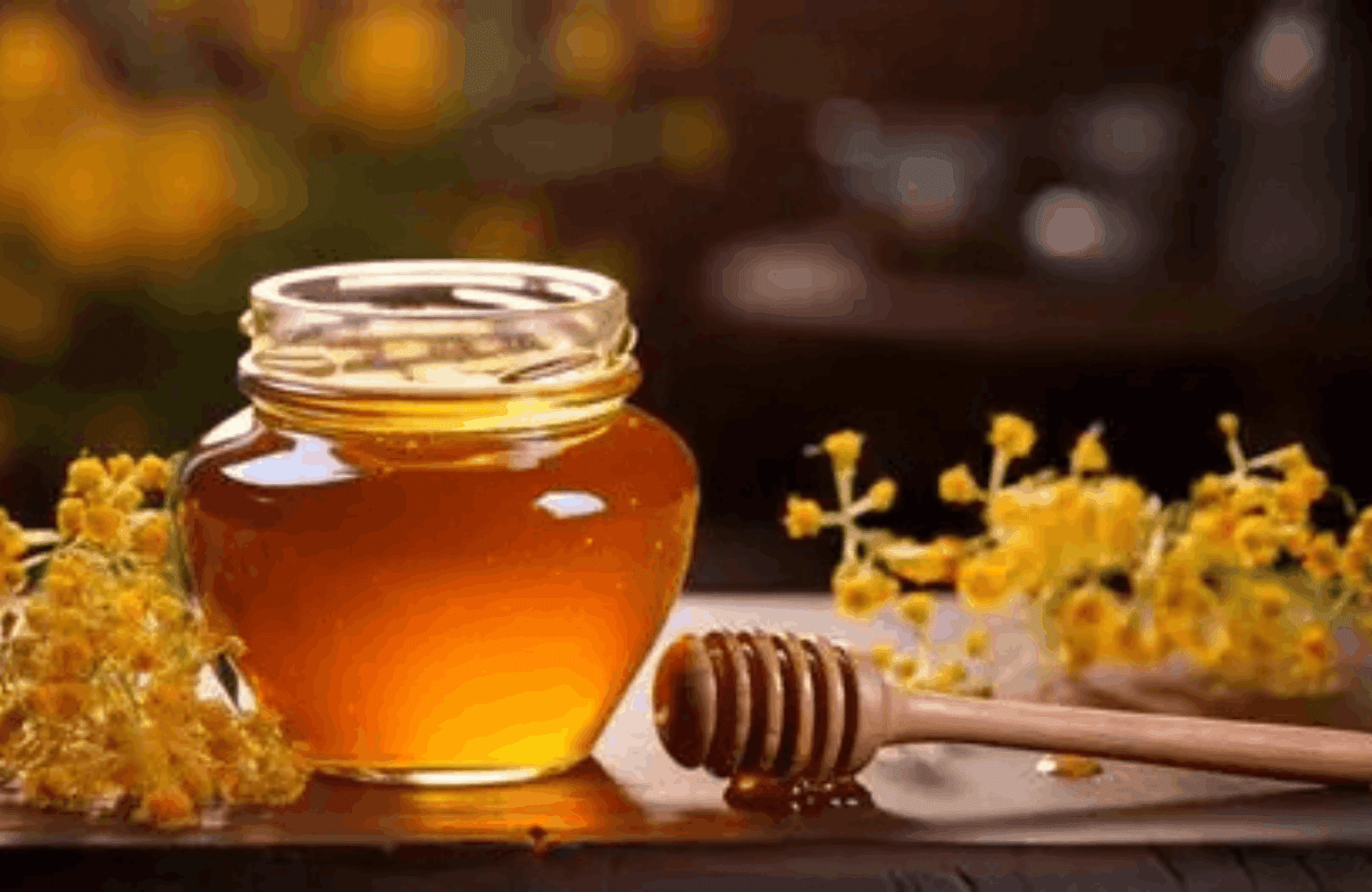
Honey, known in Ayurveda as Madhu, is a naturally occurring sweet fluid produced by honeybees by the enzymatic transformation of floral nectar. In Ayurveda, it is far more than just a sweetener; it is considered a powerful therapeutic agent and a Yogavāhī—a substance that penetrates deep into the tissues and potentiates the action of other medicines mixed with it. Unlike sugar, which increases Kapha, Honey is unique for its ability to balance Kapha dosha due to its astringent sub-taste and scraping qualities.
1. Name of the Herb
- Common Name: Honey.
- Scientific Name: Apis species (e.g., Apis indica, Apis dorsata, Apis florea).
- Sanskrit Names: Madhu, Puṣpāsava (Nectar of flowers), Puṣparasa, Kṣaudra, Mādhvīka.
- Regional Names: Shahad (Hindi/Urdu), Madhu (Marathi/Bengali), Ten (Telugu/Tamil).
2. Brief Description
Honey is a thick, syrupy, translucent fluid, varying from yellow to yellowish-brown. In Ayurveda, it is classified under Jangama Dravya (animal origin products). It is highly valued for its ability to unite fractured tissues (Sandhana) and heal wounds (Ropana). Charaka Samhita describes four types of honey: Mākṣika (oil-colored, considered the best), Bhrāmara (white and heavy), Kṣaudra (brownish), and Paittika (ghee-colored).
3. Source / Part Used
- Source: Animal-based / Insect-based (Derived from the hive of the Honeybee).
- Part Used: The fluid (Madhu).
4. Ayurvedic Properties
According to the Ayurvedic Pharmacopoeia of India and Charaka Samhita:
- Rasa (Taste): Madhura (Sweet) and Kaṣāya (Astringent).
- Guna (Qualities): Rūkṣa (Dry), Laghu (Light - according to Sushruta), Guru (Heavy - according to Charaka, if taken in large quantity), Picchila (Slimy), and Yogavāhī (Catalytic carrier).
- Virya (Potency): Śīta (Cold).
- Vipaka (Post-digestive effect): Kaṭu (Pungent).
- Dosha Effect: Tridoṣapraśamana (Balances all three doshas), but specifically Kapha-pittaghna (Pacifies Kapha and Pitta). Due to its dryness and astringency, it can aggravate Vata if used alone or in excess.
5. Key Benefits
- Scrapes Fat: It acts as Lekhana (scraping agent) and Medohara, making it excellent for obesity and reducing adipose tissue.
- Enhances Medicine Absorption: As a Yogavāhī, it enhances the properties of drugs it is mixed with and carries them to the finest channels of the body.
- Wound Healing: It is Vraṇaśodhana (cleanses wounds) and Vraṇaropaṇa (heals wounds).
- Respiratory Health: acts as Chedana (expectorant), cutting through mucus.
- Eye Health: Described as Cakṣuṣya, beneficial for vision.
6. Uses / Indications
Honey is indicated in Ayurveda for the following conditions:
- Respiratory Disorders: Kāsa (Cough), Śvāsa (Asthma/Dyspnoea), Hikkā (Hiccup), and Kṣaya (Tuberculosis/Phthisis).
- Metabolic Disorders: Prameha (Diabetes/Urinary disorders) and Medoroga (Obesity).
- Digestive Issues: Agnimāndya (Low digestive fire), Atisāra (Diarrhea), Chardi (Vomiting), and Tṛṣṇā (Excessive Thirst).
- Skin & Wounds: Kuṣṭha (Skin diseases), Vraṇa (Ulcers/Burns), and Dāha (Burning sensation).
- General: Kṛmi (Worm infestation) and Raktapitta (Bleeding disorders).
7. How It Works
- Unique Metabolism: Although it tastes sweet, its post-digestive effect (Vipaka) is Pungent (Katu) and its quality is Dry (Ruksha). This contradiction allows it to reduce Kapha (mucus and fat) unlike sugar, which increases them.
- Yogavahi Action: It acts as a bio-enhancer. When used as an Anupana (vehicle), it boosts the efficacy of the primary drug (e.g., taking Sitopaladi Churna with honey for cough).
- Antimicrobial & Healing: It helps in the granulation and union of tissues (Sandhana) when applied externally to wounds or burns.
8. Dosage
The recommended dosage according to the Ayurvedic Pharmacopoeia of India is:
- Internal Administration: 5 to 30 grams.
9. Safety Information
Honey is considered safe for almost all ages when used correctly. However, Ayurveda issues strict warnings regarding its heating and combination with hot substances, which can render it toxic.
10. Side Effects
- Madhvama: Indigestion caused by the excessive intake of honey is considered very severe and difficult to treat because the treatment for Ama (usually hot therapies) contradicts the treatment for Honey (which should not be heated).
- Vata Aggravation: Excessive consumption may increase Vata dosha due to its drying (Ruksha) nature.
11. Precautions
- Do Not Heat: Honey should never be heated or consumed by a person suffering from heat exhaustion, as it becomes toxic (Viṣa) in these conditions.
- Incompatible Combinations (Viruddha Ahara):
- Do not take Honey and Ghee in equal quantities by weight.
- Do not take Honey with hot water or spicy foods.
- Do not take Honey mixed with Rainwater in equal quantity.
- Diabetes: While indicated for Prameha (due to its astringent/scraping nature), modern diabetic patients should use it cautiously and under medical supervision due to its sugar content.
12. Storage Instructions
- Store in a cool, dry place.
- Keep in a well-closed container to prevent moisture absorption.
- Should be kept away from heat sources.
13. References
-
WHO Monographs on Selected Medicinal Plants – Mel (Honey)
World Health Organization
https://apps.who.int/iris/handle/10665/42052
-
Codex Alimentarius – Standard for Honey (CODEX STAN 12-1981)
FAO/WHO
https://www.fao.org/fao-who-codexalimentarius
-
Ayurvedic Pharmacopoeia of India (API) – Madhu
https://www.ayush.gov.in
-
Food Safety and Standards Authority of India (FSSAI) – Honey Standards
https://www.fssai.gov.in
-
PubMed – Honey Medicinal Research Articles
https://pubmed.ncbi.nlm.nih.gov/?term=honey+medicinal+properties
-
ScienceDirect – Honey Pharmacology & Therapeutic Uses
https://www.sciencedirect.com/topics/agricultural-and-biological-sciences/honey
-
SpringerLink – Clinical Studies on Honey
https://link.springer.com
-
Wiley Online Library – Honey Research Articles
https://onlinelibrary.wiley.com
-
USDA – Honey Nutritional Profile (FoodData Central)
https://fdc.nal.usda.gov
-
National Honey Board (USA)
https://www.honey.com
14. FAQs
** **Q. Can it be taken daily?
Yes, in small quantities (e.g., 1 tsp) it can be taken daily to scrape fat and maintain health, provided it is not heated.
Q. When should it be taken?
It is often taken in the morning with room-temperature water for weight management, or as a vehicle with medicines.
Q. Can it be taken with milk/water?
- Water: It can be taken with cold or lukewarm water. Never with boiling hot water.
- Milk: It can be taken with milk (which must be cooled down to a warm/tepid temperature) to manage Vata and Pitta conditions.
Consult a Doctor
- MS4.2Midun s kumar
Ayurveda4 yrs exp
- SP4.5Dr Sreelekha P Nair
Ayurveda6 yrs exp
- VR4.2Vaidya Rohit Kumar
Ayurveda3 yrs exp
- V4.1Vairamuthu
Ayurveda8 yrs exp