Indigo Uses and Properties
Reviewed by medical experts · For informational purposes only
Introductory summary
Indigo known as Nili or Nilini in Ayurveda primarily consists of the dried leaf or root of Indigofera tinctoria. Characterized by Bitter and Pungent tastes with Hot potency it acts as a strong purgative and liver tonic. It is highly revered as a Keshya herb significantly promoting hair growth and treating premature graying and alopecia especially in formulations like Nilibhringadi Taila. Internally it is indicated for severe digestive disorders including constipation and ascites as well as liver and spleen enlargements and poisoning. While safe for external application internal consumption requires medical supervision due to its potent purgative action which helps eliminate accumulated toxins and pacify Kapha and Vata doshas.
Indigo
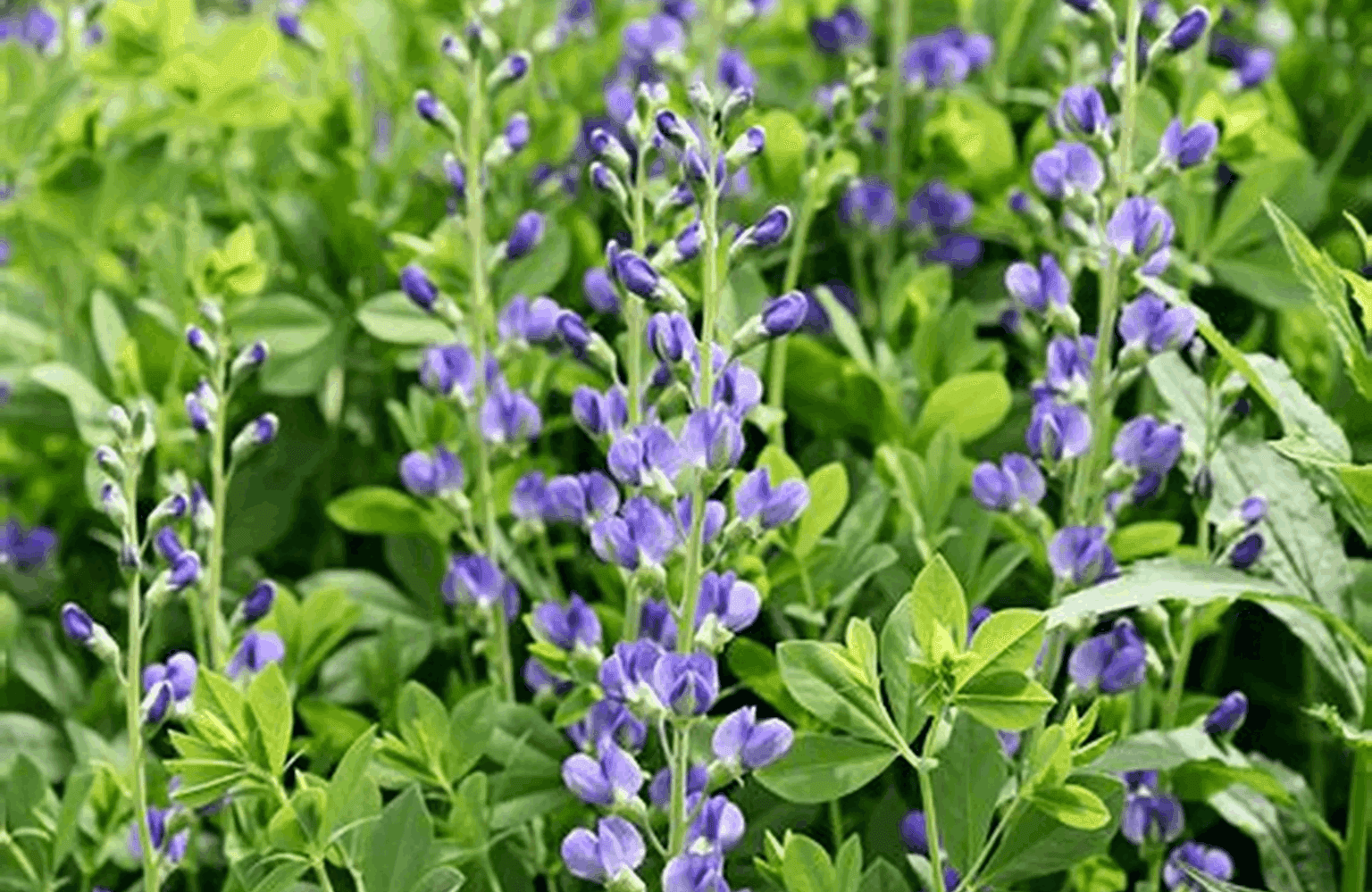
Indigo, known in Ayurveda as Nīlī or Nīlinī, consists of the dried leaf or root of Indigofera tinctoria. While globally famous as a source of the rich blue dye "Indigo," in Ayurveda, it is a potent medicinal herb. It is highly valued for its ability to treat hair disorders (such as graying and hair loss), severe digestive issues like constipation and ascites (abdominal fluid accumulation), and liver or spleen enlargements. It acts as a strong purgative and a liver tonic.
1. Name of the Herb
- Common Name: Indigo, Indian Indigo.
- Scientific Name: Indigofera tinctoria Linn. (Also Indigofera aspalathoides Vahl ex DC is used as Śiva-nīlī).
- Sanskrit Names: Nīlī, Nīlinī, Rañjanī (The colorer), Nīlikā, Kālā, Aklāri, Grāmiṇa.
- Regional Names: Neel (Hindi/Bengali/Marathi), Avuri (Tamil), Neeli (Kannada/Malayalam), Kondanili (Telugu), Gali (Gujarati).
2. Brief Description
The Indigo plant is a shrub found throughout India. The leaves and roots are the primary parts used in medicine. In Ayurveda, it is categorized as Keśya (good for hair) and Recanī (purgative). It is a key ingredient in the famous hair oil Nīlibhṛṅgādi Taila. Another variety, Śivanīlī (Indigofera aspalathoides), is a stiff, silvery undershrub used specifically for skin diseases and rheumatism.
3. Source / Part Used
- Plant Source: Herbal / Plant-based.
- Part Used:
- Leaf (Patra).
- Root (Mūla).
- Whole Plant (Pañcāṅga) - specially for Śivanīlī.
4. Ayurvedic Properties
According to the Ayurvedic Pharmacopoeia of India:
- Rasa (Taste): Tikta (Bitter) and Kaṭu (Pungent). Śivanīlī also has Kaṣāya (Astringent) taste.
- Guna (Qualities): Laghu (Light) and Rūkṣa (Dry). The leaf is also described as Sara (flowing/laxative).
- Virya (Potency): Uṣṇa (Hot).
- Vipaka (Post-digestive effect): Kaṭu (Pungent).
- Dosha Effect: Kapha-Vātahara (Pacifies Kapha and Vata doshas).
5. Key Benefits
- Promotes Hair Health: It is a premier herb for treating Pālitya (premature graying) and Keśaśāta (hair loss). It restores color and strength to the hair.
- Liver & Spleen Health: Effective in reducing enlargement of the liver (Yakṛt) and spleen (Plīhā).
- Potent Purgative: Acts as Recanī, helping to clear severe constipation and expel accumulated toxins (Ama) and gas (Vata) downwards.
- Treats Abdominal Dropsy: Specific remedy for Udara (ascites/abdominal enlargement) due to its purgative and restorative action.
- Anti-Toxic: Acts as Viṣaghna, useful in treating poisons, including scorpion and snake bites.
6. Uses / Indications
Indigo is indicated in Ayurveda for the following conditions:
- Hair Problems: Pālitya (Graying of hair), Khālitya (Alopecia/Baldness), and Keśapāta (Falling of hair).
- Digestive Disorders: Vibandha (Constipation), Udāvarta (Upward movement of gas), Gulma (Abdominal lump), and Kṛmi (Worm infestation).
- Abdominal Diseases: Udararoga (Ascites/Enlargement of abdomen) and Plīhodara (Splenomegaly).
- Respiratory: Kāsa (Cough), Śvāsa (Asthma/Dyspnoea), and Hikkā (Hiccup).
- Joints & Muscles: Vātarakta (Gout) and Āmavāta (Rheumatism).
- General: Bhrama (Giddiness), Mada (Intoxication), Unmāda (Mania), and Jvara (Fever).
7. How It Works
- Purgation (Rechana): Its bitter and pungent properties, combined with a hot potency, stimulate the bowels to evacuate forcibly. This helps eliminate water accumulation in conditions like ascites (Udara).
- Hair Coloring (Ranjano): The natural dye content (indigotin) works to darken the hair, treating graying (Palita), while its medicinal properties nourish the scalp to prevent hair fall.
- Decongestion: By pacifying Kapha and Vata, it relieves obstruction in the respiratory and digestive tracts, helping with asthma and bloating.
8. Dosage
The recommended dosage according to the Ayurvedic Pharmacopoeia of India is:
- Powder (Churna) - Root/Leaf: 1 to 3 grams.
- Juice (Svarasa): 10 to 20 ml (often used in oil preparations).
- Note: For purgative purposes, it is often taken with hot water or milk.
9. Safety Information
Indigo is generally safe for external use (hair oils). Internal use requires caution because it is a strong purgative and has a "hot" potency.
10. Side Effects
- Diarrhea: Excess dosage can cause severe purgation or loose stools due to its Sara (laxative) quality.
- Gastric Irritation: May cause discomfort in those with sensitive stomachs or ulcers due to its hot and pungent nature.
11. Precautions
- Pregnancy: Due to its hot potency (Uṣṇa) and purgative action, it should be avoided during pregnancy.
- Dehydration: When using it for purgation in conditions like ascites, hydration must be monitored.
- Medical Supervision: Internal consumption should be strictly under the guidance of an Ayurvedic physician.
12. Storage Instructions
- Store the dried leaf or root powder in a cool, dry place.
- Keep away from moisture to prevent mold.
13. References
-
WHO Monographs on Selected Medicinal Plants
World Health Organization
https://apps.who.int/iris/handle/10665/42052
-
WHO Global Report on Traditional and Complementary Medicine
https://www.who.int/publications/i/item/9789241515436
-
Food and Agriculture Organization (FAO) – Ecocrop Database (Indigofera tinctoria)
https://ecocrop.fao.org
-
PubMed – Indigofera tinctoria Research Articles
https://pubmed.ncbi.nlm.nih.gov/?term=Indigofera+tinctoria
-
ScienceDirect – Indigofera tinctoria Phytochemistry & Pharmacology
https://www.sciencedirect.com/topics/agricultural-and-biological-sciences/indigofera-tinctoria
-
SpringerLink – Medicinal Studies on Indigofera Species
https://link.springer.com
-
Wiley Online Library – Indigofera Research
https://onlinelibrary.wiley.com
-
Kew Science – Plants of the World Online (Indigofera tinctoria)
https://powo.science.kew.org
-
World Flora Online – Indigofera tinctoria
https://www.worldfloraonline.org
14. FAQs
Q. Can it be taken daily?
Internally, no. It is a strong medicine used for specific conditions like constipation or ascites. Externally (as hair oil), it can be used daily.
Q. When should it be taken?
For digestive or respiratory issues, it is usually taken with honey or warm water. For hair, it is applied as an oil (Taila) before a bath or left overnight.
Q. Can it be taken with milk/water?
Yes. Powder can be taken with warm water. In hair oil formulations (Nīlibhṛṅgādi), the juice of Indigo is processed with milk (cow, goat, buffalo, and coconut milk).
Consult a Doctor
- PP4.4Dr prince patel
Ayurveda22 yrs exp
- AG4.6Dr. Abhishek Gupta
Ayurveda1 yrs exp
- AB4.5Dr. Atul Bharadava
Ayurveda4 yrs exp
- AK4.8Dr. Amalnath K Viswanathan
Ayurveda4 yrs exp