Jasmine Uses and Properties
Reviewed by medical experts · For informational purposes only
Introductory summary
Jasmine known as Jati or Malati in Ayurveda refers primarily to Jasminum officinale or grandiflorum. It is highly valued for its wound healing capabilities specifically utilizing the leaves in the famous formulations Jatyadi Taila and Jatyadi Ghrta. These preparations are topically applied to cleanse and cure deep seated ulcers fistulas burns and traumatic injuries caused by sharp weapons or teeth. Internally Jasmine flowers are used in potent formulations like Kalyanaka Ghrta and Draksadi Kvatha to treat psychological conditions including mania and epilepsy as well as high fever thirst and bleeding disorders. Its therapeutic profile balances Pitta and Kapha doshas making it effective for both cooling the body and purifying wounds of necrotic tissue.
Jasmine
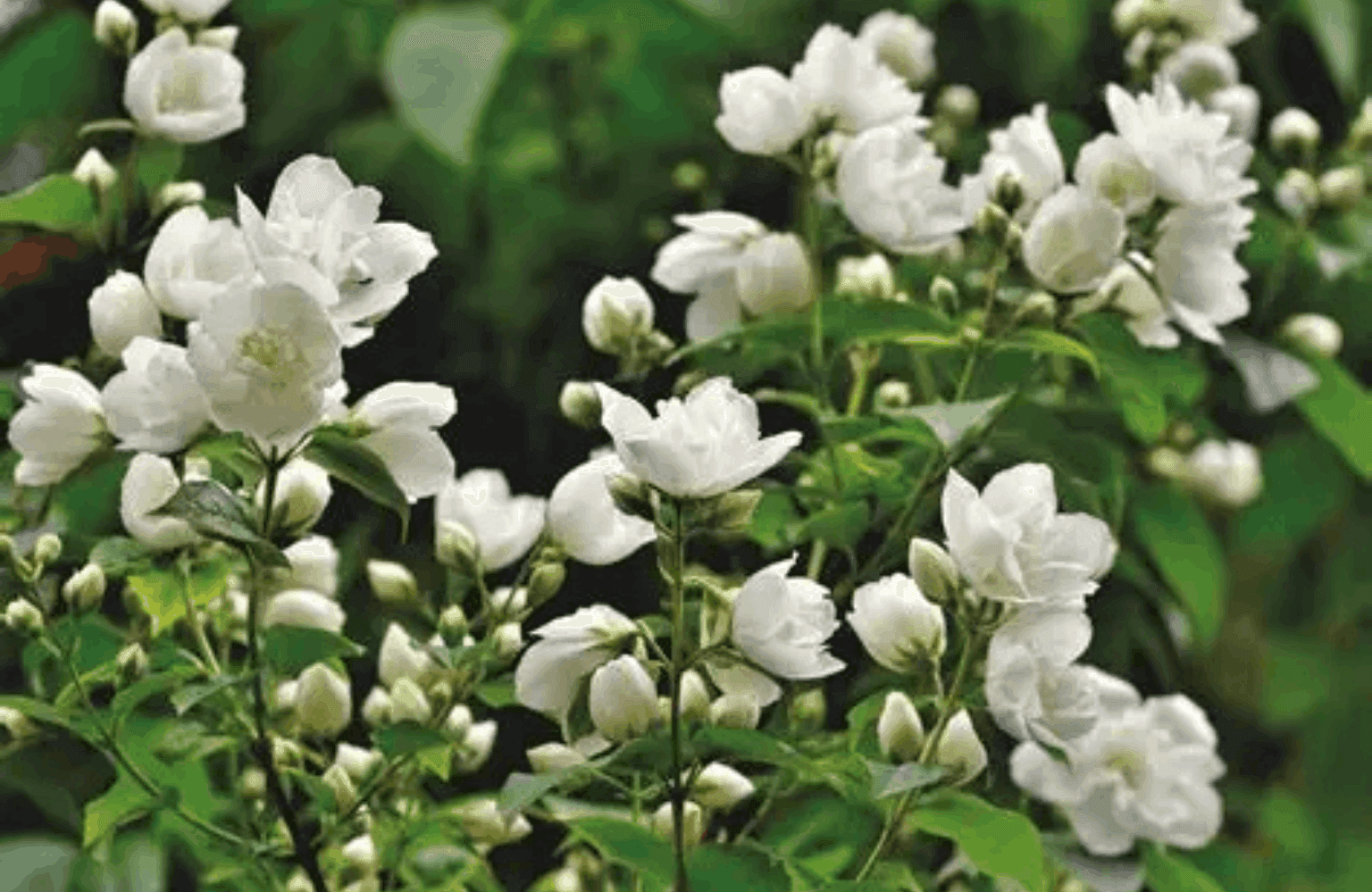
Jasmine, known in Ayurveda as Jātī or Mālatī, refers to the plant Jasminum grandiflorum (and related species like Jasminum officinale). While widely recognized for its fragrant flowers used in perfumes and garlands, Ayurveda utilizes its leaves and flowers as potent medicines. It is highly regarded for its wound-healing capabilities and is the primary ingredient in the famous Ayurvedic formulation Jātyādi Taila, used for treating non-healing ulcers and burns.
1. Name of the Herb
- Common Name: Jasmine, Spanish Jasmine.
- Scientific Name: Jasminum grandiflorum Linn. / Jasminum officinale Linn.,.
- Sanskrit Names: Jātī, Mālatī, Sumanā.
- Regional Names: Chameli (Hindi), Jati (Marathi/Bengali), Pichchi (Tamil).
2. Brief Description
Jasmine is a climbing shrub known for its pleasant fragrance. In Ayurveda, it is not merely ornamental but is categorized under the Kuṣṭhaghna group (herbs that destroy skin diseases). It is considered a powerful Vraṇa Ropana (wound healer) and Vraṇa Śodhana (wound cleanser). It is used to purify the blood and treat diseases of the mouth and eyes,.
3. Source / Part Used
- Plant Source: Herbal / Plant-based.
- Part Used:
- Leaf (Patra): Extensively used in medicated oils for wounds,.
- Flower (Puṣpa / Mukula): Used in ghritas (medicated ghees) for mental disorders and eye conditions,.
4. Ayurvedic Properties
While specific Rasa (taste) tables for Jasmine are not explicitly detailed in the provided snippets, its properties are inferred from its therapeutic indications and classifications in Charaka Samhita and AFI:
- Rasa (Taste): Tikta (Bitter) and Kaṣāya (Astringent) (Inferred from its use in skin diseases and ulcers).
- Dosha Effect: Kaphapittahara (Pacifies Kapha and Pitta doshas). It is used in conditions involving heat (burns/Pitta) and itching/oozing (Kapha),.
5. Key Benefits
- Heals Non-Healing Wounds: It is the premier herb for cleaning and healing deep-seated ulcers and fistulas.
- Treats Skin Diseases: Effective against itching (Kacchu) and boils (Sphotaka).
- Oral Health: Beneficial for tooth diseases and oral ulcers.
- Eye Health: Used in formulations to treat vision disorders (Timira).
- Mental Well-being: The flowers are used in formulations for psychiatric conditions like mania (Unmada).
6. Uses / Indications
Jasmine is indicated in Ayurveda for the following conditions:
- Wounds & Ulcers: Vraṇa (Ulcers), Duṣṭa Vraṇa (Non-healing/infected ulcers), Nāḍī Vraṇa (Sinus/Fistula), and Dagdha Vraṇa (Burn wounds).
- Skin Disorders: Kuṣṭha (Skin diseases), Visarpa (Erysipelas), Sphoṭaka (Boils), and Kacchu (Itching),.
- Oral & ENT: Mukharoga (Mouth diseases), Dantaroga (Tooth diseases), and Karṇaroga (Ear diseases),.
- Mental Disorders: Unmāda (Mania/Psychosis) and Apasmāra (Epilepsy) (used as Mālatī in Kalyāṇaka Ghṛta),.
- Trauma: Śastra Prahāra (Injury by sharp weapons) and Nakha Danta Kṣata (Injury by nails and teeth).
7. How It Works
- Vrana Shodhana (Wound Cleansing): The leaves possess properties that clean the wound of necrotic tissue and infection.
- Vrana Ropana (Healing): It promotes granulation and closure of wounds, even in difficult cases like fistulas (Bhagandara).
- Antimicrobial: Included in the Kusthaghna (anti-dermatosis) group, indicating its ability to fight pathogens causing skin infections.
- Psychotropic Action: In formulations like Kalyāṇaka Ghṛta, the flowers contribute to balancing the mind and treating psychosomatic disorders.
8. Dosage
Dosage depends on the formulation:
- Medicated Oil (Jatyadi Taila): For external application on wounds and skin.
- Powder/Paste: Used as an ingredient in oral applications (like Svalpanāyikā Cūrṇa) or pastes.
- Note: General dosage for Ayurvedic powders is 3-6 grams, but Jati is predominantly used in compound formulations or externally.
9. Safety Information
Jasmine is generally safe when used externally as an oil or paste. It is a standard ingredient in wound care management in Ayurveda.
10. Side Effects
- No specific severe side effects are reported in the texts for external use.
- Internal consumption should be done only under the guidance of a physician, as it is often part of complex formulations.
11. Precautions
- Surgery/Open Wounds: While effective for wounds, deep sinuses or fistulas (Nadi Vrana) often require professional medical assessment along with the application of Jasmine oil (Jatyadi Taila).
- Purity: Ensure the oil formulation (Jatyadi) is prepared according to authentic Ayurvedic texts to ensure sterility and efficacy.
12. Storage Instructions
- Store medicated oils and ghees containing Jasmine in air-tight containers away from direct sunlight and moisture.
- Dried leaves or powders should be kept in a cool, dry place.
13. References
-
WHO Monographs on Selected Medicinal Plants
World Health Organization
https://apps.who.int/iris/handle/10665/42052
-
WHO Global Report on Traditional and Complementary Medicine
https://www.who.int/publications/i/item/9789241515436
-
Food and Agriculture Organization (FAO) – Ecocrop Database (Jasminum spp.)
https://ecocrop.fao.org
-
PubMed – Jasminum officinale Research Articles
https://pubmed.ncbi.nlm.nih.gov/?term=Jasminum+officinale
-
PubMed – Jasminum sambac Research Articles
https://pubmed.ncbi.nlm.nih.gov/?term=Jasminum+sambac
-
ScienceDirect – Jasminum Phytochemistry & Pharmacology
https://www.sciencedirect.com/topics/pharmacology-toxicology-and-pharmaceutical-science/jasminum
-
SpringerLink – Medicinal & Aromatherapy Studies on Jasmine
https://link.springer.com
-
Wiley Online Library – Jasmine Research Articles
https://onlinelibrary.wiley.com
-
Kew Science – Plants of the World Online (Jasminum officinale)
https://powo.science.kew.org
-
World Flora Online – Jasminum Species
https://www.worldfloraonline.org
14. FAQs
** **Q. Can it be taken daily?
Internally, it is usually taken as a medicine (Ghrita) for specific durations. Externally (Taila), it can be applied daily until the wound or skin infection heals.
Q. When should it be taken?
For mental health (Kalyāṇaka Ghṛta), it is generally taken with warm milk or water. For wounds, the oil is applied topically.
Q. Can it be taken with milk/water?
Yes, formulations containing Jasmine flowers (like Kalyāṇaka Ghṛta) are often taken with warm milk or warm water. Formulation for oral diseases (Svalpanāyikā Cūrṇa) is taken with honey or lemon juice.
Consult a Doctor
- KC5.0Dr. Kamesh chand sharma
Ayurveda2 yrs exp
- PP4.4Dr prince patel
Ayurveda22 yrs exp
- KH4.4Dr Kowshalya H S
Ayurveda3 yrs exp
- AK4.8Dr. Amalnath K Viswanathan
Ayurveda4 yrs exp