Kalonji Benefits and Uses
Reviewed by medical experts · For informational purposes only
Introductory summary
Kalonji scientifically known as Nigella sativa and referred to in Ayurveda as Upakunchika or Sthulajiraka is a small black seed valued for its digestive and carminative properties. It possesses Pungent and Bitter tastes with Light and Dry qualities. Due to its Hot potency and Pungent post digestive effect it effectively pacifies Vata and Kapha doshas though it can aggravate Pitta. It acts as a powerful appetizer known as Dipana and digestive known as Pacana making it effective for bloating and indigestion. It is also a potent Krimighna or anti parasitic agent used against intestinal worms. Uniquely it is described as Medhya promoting intellect and Garbhasayavisodhana cleansing the uterus particularly postpartum. The Ayurvedic Pharmacopoeia of India recommends a dosage of 1 to 3 grams of the seed powder.
Kalonji
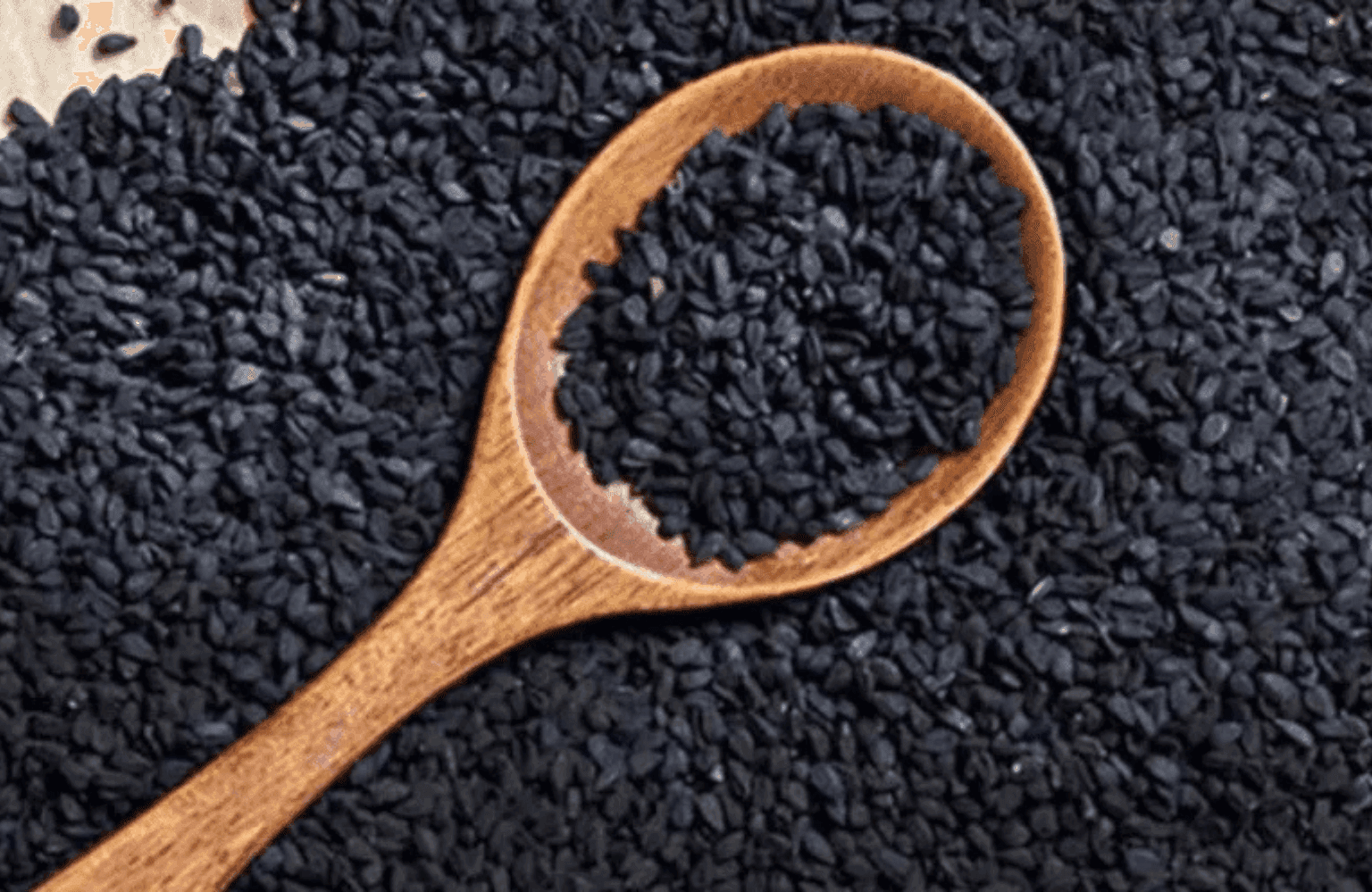
Kalonji, scientifically known as Nigella sativa, is a widely used medicinal herb and spice. In Ayurveda, it is known as Upakunchika or Sthulajiraka (Big Cumin). While often confused with Black Cumin (Carum carvi / Krishna Jiraka), Kalonji consists of small, black, angular seeds that are valued for their digestive, carminative, and uterine-cleansing properties. It is considered a powerful Krimighna (killer of worms/parasites) and Dipana (digestive stimulant).
1. Name of the Herb
- Common Name: Kalonji, Black Seed, Small Fennel, Nigella Seed.
- Scientific Name: Nigella sativa Linn.
- Sanskrit Names: Upakuñcik¡, Sth£laj¢raka, SuÀav¢, Upakuµc¢.
- Regional Names: Mangaraila/Kalaunji (Hindi), Mota Kalajira (Bengali), Kalonji jeeru (Gujarati), Karijirige (Kannada), Karinjirakam (Malayalam), Kalejire (Marathi), Karunjeerakam (Tamil), Peddajila karra (Telugu).
2. Brief Description
Kalonji comes from a small herb (45–60 cm high) cultivated mostly in Punjab, Himachal Pradesh, and Bihar. The medicinal part is the seed, which is flattened, oblong, angular, and rugged (tubercular). The seeds are black, funnel-shaped, and possess a slightly aromatic odor with a bitter taste. In Ayurveda, it is highly valued for normalizing Vata and Kapha doshas and is traditionally used to improve intellect (Medhya) and eyesight (Caksusya), alongside its primary role in digestion.
3. Source / Part Used
- Plant Source: Herbal / Plant-based.
- Part Used: Seeds (Dried).
4. Ayurvedic Properties
According to the Ayurvedic Pharmacopoeia of India:
- Rasa (Taste): Katu (Pungent) and Tikta (Bitter).
- Guna (Qualities): Laghu (Light) and Ruksha (Dry).
- Virya (Potency): Ushna (Hot).
- Vipaka (Post-digestive effect): Katu (Pungent).
- Dosha Effect: Vatakaphapaha (Pacifies Vata and Kapha doshas). However, it is Pittala (Aggravates Pitta) due to its hot potency.
5. Key Benefits
- Stimulates Digestion: Acts as Dipana (appetizer) and Pacana (digestive), aiding in processing food.
- Combats Worms: It is a potent Krimighna, useful against intestinal worms.
- Women's Health: Acts as Garbhasayavisodhana, helping to cleanse the uterus (often used postpartum).
- Brain Tonic: Described as Medhya, promoting intellect and memory.
- Eye Health: Acts as Caksusya, beneficial for vision.
6. Uses / Indications
Kalonji is indicated in Ayurveda for the following conditions:
- Digestive Disorders: Atisara (Diarrhea), Adhmana (Flatulence/Bloating), and Gulma (Abdominal lumps/Tumors).
- Parasites: Krimiroga (Worm infestations).
- Gynecological: Used for uterine cleansing and menstrual irregularities (implied by Garbhasayavisodhana).
- General: Used in formulations for fever, cough, and skin diseases (Kustha).
7. How It Works
- Digestive Fire: Its Katu (Pungent) taste and Ushna (Hot) potency stimulate Agni (digestive fire), removing gas and bloating (Adhmana).
- Antimicrobial: The essential oils and resins found in the seeds provide its Krimighna (anti-parasitic) action.
- Binding: It has a Sangrahi action, meaning it helps bind the stool, making it useful in diarrhea (Atisara) despite being pungent.
- Chemical Constituents: Contains essential oil, fixed oil, resin, saponin, and tannin.
8. Dosage
The recommended dosage according to the Ayurvedic Pharmacopoeia of India is:
- Powder (Churna): 1 to 3 grams.
9. Safety Information
Kalonji is generally considered safe when consumed in culinary amounts or recommended therapeutic doses. However, due to its Ushna (hot) nature, it increases body heat.
10. Side Effects
- Pitta Aggravation: Excessive intake can cause acidity, burning sensation, or heat in the body because it is classified as Pittala (Pitta increasing).
- Dryness: Due to its Ruksha (Dry) quality, it may cause dryness in the mouth or throat if taken alone in large quantities.
11. Precautions
- Pregnancy: Caution is advised. Since it acts as Garbhasayavisodhana (uterus cleanser), high doses should likely be avoided during pregnancy to prevent uterine contractions, though it is beneficial postpartum.
- High Pitta: People suffering from gastritis, burning sensation, or heat intolerance should use it cautiously.
12. Storage Instructions
- Store in a cool, dry place.
- Keep in an air-tight container to preserve the volatile essential oils.
13. References
-
WHO Monographs on Selected Medicinal Plants – Nigella sativa
https://apps.who.int/iris/handle/10665/42052
-
WHO Traditional Medicine Strategy
https://www.who.int/publications/i/item/9789241506090
-
PubMed – Nigella sativa Research Articles
https://pubmed.ncbi.nlm.nih.gov/?term=Nigella+sativa
-
ScienceDirect – Nigella sativa Phytochemistry & Pharmacology
https://www.sciencedirect.com/topics/pharmacology-toxicology-and-pharmaceutical-science/nigella-sativa
-
SpringerLink – Clinical Studies on Black Seed
https://link.springer.com
-
Wiley Online Library – Nigella sativa Research
https://onlinelibrary.wiley.com
-
Kew Science – Plants of the World Online (Nigella sativa)
https://powo.science.kew.org
-
World Flora Online – Nigella sativa
https://www.worldfloraonline.org
14. FAQs
** **Q. Can it be taken daily?
In small culinary amounts (like a pinch in food), yes. For therapeutic doses (1-3g), it should be taken for a specific period to treat conditions like bloating or worms.
Q. When should it be taken?
It is often taken before or with meals to aid digestion, or postpartum to cleanse the uterus.
Q. Can it be taken with milk/water?
Yes, the powder can be taken with warm water. It is also sometimes processed with ghee or oils in traditional formulations.
Consult a Doctor
- NG5.0Dr Nandini gaur
Ayurveda1 yrs exp
- KC5.0Dr. Kamesh chand sharma
Ayurveda2 yrs exp
- PP4.4Dr prince patel
Ayurveda22 yrs exp
- KH4.4Dr Kowshalya H S
Ayurveda3 yrs exp