Lavender Uses and Properties
Reviewed by medical experts · For informational purposes only
Introductory summary
Lavender refers to aromatic plants like Lavendula officinalis Lavendula stoechas and Lavendula latifolia belonging to the Lamiaceae family. India specifically imports the flowers and leaves of Lavendula stoechas for medicinal use. The plant contains active principles such as lavendin and camphene found in the leaves and flowers. In the context of medicinal plants Lavender is highly valued as a sedative and anxiolytic agent. It provides calming and sleep inducing effects similar to synthetic sedatives like valium but without the risk of addiction. Lavender oil is extensively used in aromatherapy to effectively relieve stress. Additionally it is listed among important aromatic plants cultivated for their volatile oils used in perfumery and therapeutic treatments.
Lavender
Lavender refers to a genus of aromatic plants belonging to the family Lamiaceae. While native to the Mediterranean region, various species are utilized in India, often imported for their therapeutic and aromatic values. In the context of medicinal plants, it is highlighted for its sedative properties and use in aromatherapy as a safe alternative to synthetic anxiolytics.
1. Name of the Herb
- Common Name: Lavender.
- Scientific Name:
- Lavandula officinalis (often referred to as Lavender Oil source).
- Lavandula stoechas.
- Lavandula latifolia.
- Family: Lamiaceae.
2. Brief Description
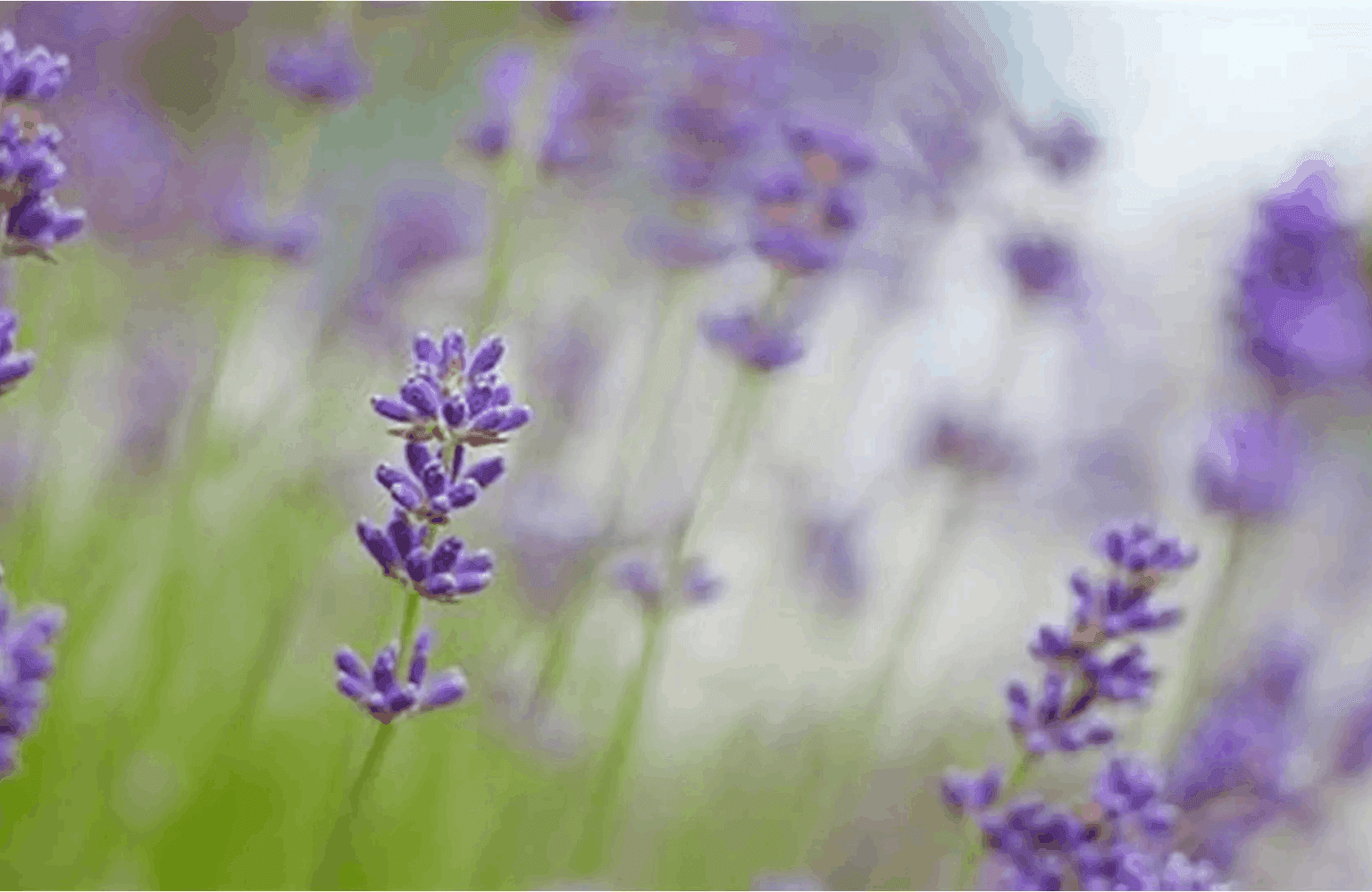
Lavender is an aromatic plant widely recognized for its distinct and pleasant scent. It belongs to a group of plants rich in volatile aromatic oils found in leaves, flowers, and glands. While extensively cultivated globally for perfumery and medicine, India specifically imports Lavandula stoechas and Lavandula latifolia to meet pharmaceutical and industrial demands. It is categorized as a Sedative Plant due to its calming effects on the nervous system.
3. Source / Part Used
- Plant Source: Herbal / Plant-based.
- Part Used:
- Flowers and Leaves: Used for Lavandula stoechas and Lavandula latifolia.
- Whole Plant: Sometimes processed for essential oils.
4. Bio-Chemical Properties
- Active Principles: The essential oil of Lavandula latifolia contains Lavendin and Camphene.
- Ayurvedic Classification: Specific Ayurvedic parameters (Rasa, Guna, Virya, Vipaka) are not defined in the provided classical extracts. However, it is classified functionally among sedative plants (anxiolytics) which induce sleep and calm the mind.
5. Key Benefits
- Induces Sleep: Acts as a powerful sleep aid, helpful for sleeplessness.
- Relieves Stress: Lavender oil aromatherapy is effective in relieving stress.
- Calming Effect: Possesses relaxing and calming properties similar to other sedatives but without the risk of addiction.
- Aromatic: Highly valued for its fragrance in perfumery and therapeutics.
6. Uses / Indications
- Mental Health: Used to alleviate stress and insomnia.
- Aromatherapy: Lavender oil is a popular agent in aromatherapy for relaxation.
- Pharmaceuticals: Used as a raw material in the pharmaceutical industry for its therapeutic properties.
7. How It Works
- Sedative Action: Lavender functions as an anxiolytic agent. Unlike synthetic sedatives (such as valium), medicinal plants like Lavender are considered safe substitutes that exert a calming and sleep-inducing effect without leading to addiction.
- Volatile Oils: The therapeutic action is attributed to complex volatile oils (like Lavendin) present in the glands and hairs of the leaves and flowers.
8. Dosage
- Specific dosage guidance (in grams or milliliters) for internal consumption is not detailed in the provided source materials.
- Aromatherapy: Used externally as an oil for inhalation or massage.
9. Safety Information
- Non-Addictive: Lavender is highlighted as a safe substitute for synthetic sedatives because it does not lead to addiction, unlike millions of cases associated with drugs like diazepam.
10. Side Effects
- No specific side effects are reported in the provided text.
11. Precautions
- As with all aromatic and medicinal plants, the collection and processing require adherence to standards to ensure quality, although specific contraindications are not listed in the text.
12. Storage Instructions
- While specific instructions are not provided for Lavender, general guidelines for aromatic plants suggest they should be harvested and handled carefully to preserve the volatile oils.
13. References
-
WHO Monographs on Selected Medicinal Plants – Lavandulae flos
https://apps.who.int/iris/handle/10665/42052
-
WHO Global Report on Traditional and Complementary Medicine
https://www.who.int/publications/i/item/9789241515436
-
European Medicines Agency (EMA) – Lavandula angustifolia
https://www.ema.europa.eu/en/medicines/herbal/lavandulae-flos
-
European Scientific Cooperative on Phytotherapy (ESCOP) – Lavender
https://escop.com
-
Commission E Monographs – Lavender Flower
https://www.herbal-ahp.org
-
British Pharmacopoeia – Lavandulae aetheroleum
https://www.pharmacopoeia.com
-
United States Pharmacopeia (USP) – Lavender Oil
https://www.usp.org
-
PubMed – Lavandula angustifolia Research
https://pubmed.ncbi.nlm.nih.gov/?term=Lavandula+angustifolia
-
NCBI Taxonomy Database – Lavandula angustifolia
https://www.ncbi.nlm.nih.gov
-
ScienceDirect – Lavender Essential Oil Studies
https://www.sciencedirect.com/topics/pharmacology-toxicology-and-pharmaceutical-science/lavandula-angustifolia
-
SpringerLink – Clinical Studies on Lavender
https://link.springer.com
-
Wiley Online Library – Lavender Pharmacology Research
https://onlinelibrary.wiley.com
-
Kew Science – Plants of the World Online (Lavandula angustifolia)
https://powo.science.kew.org
-
World Flora Online – Lavandula angustifolia
https://www.worldfloraonline.org
14. FAQs
** **Q. Can it be taken daily?
The text describes it as a safe substitute for addictive sedatives, implying it can be used for stress and sleep management, but specific daily internal dosage is not provided.
Q. When should it be taken?
It is indicated for use to induce sleep and relax the mind, suggesting usage during times of stress or before sleep.
Q. Can it be taken with milk/water?
The text primarily mentions its use in aromatherapy and as an essential oil source.
Consult a Doctor
- NG5.0Dr Nandini gaur
Ayurveda1 yrs exp
- KC5.0Dr. Kamesh chand sharma
Ayurveda2 yrs exp
- PP4.4Dr prince patel
Ayurveda22 yrs exp
- KH4.4Dr Kowshalya H S
Ayurveda3 yrs exp