Lemongrass Benefits and Uses
Reviewed by medical experts · For informational purposes only
Introductory summary
Lemongrass known as Kattrna in Ayurveda refers to the aromatic plant Cymbopogon citratus. It is recognized for its Pungent and Bitter tastes combined with Light Sharp and Hot qualities which allow it to effectively pacify Kapha and Vata doshas. It acts as a powerful Agnidipana stimulating digestive fire to treat conditions like anorexia indigestion and metabolic disorders. Uniquely it is valued as a Mukhasodhana for cleansing the mouth and eliminating bad breath known as Mukha Daurgandhya. Clinically it is used in formulations like Sarasvatarishta to treat heart disease obesity and respiratory ailments. Additionally it is classified as a galactogogue supporting lactation in nursing mothers. The recommended dosage is typically 3 to 6 grams of powder or used as a distillate,.
Lemongrass
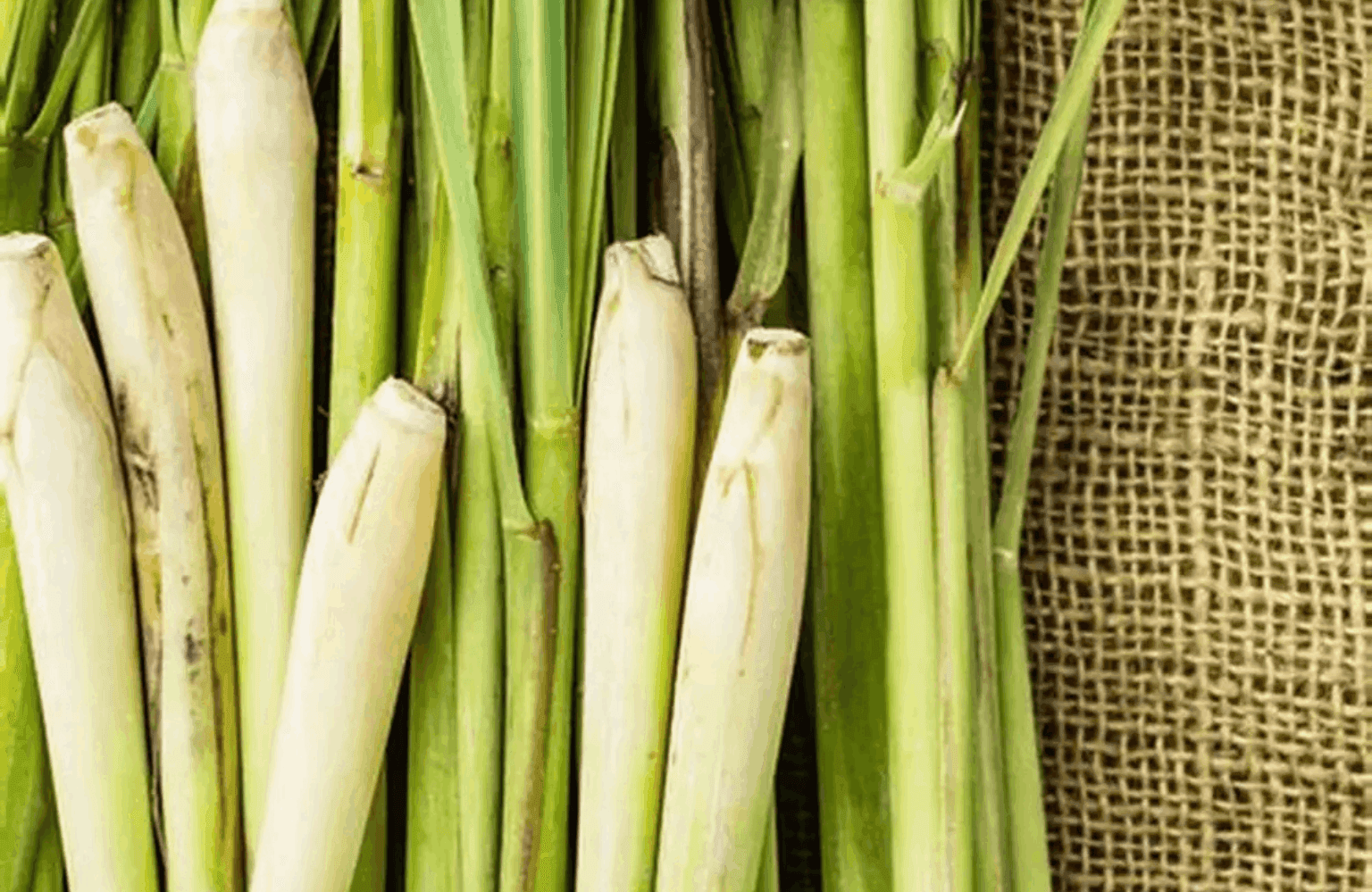
Lemongrass, known in Ayurveda as Kattrna, refers to the aromatic plant Cymbopogon citratus. It is a tall, perennial grass valued for its distinct lemon-like scent and therapeutic properties. In Ayurvedic medicine, it is classified among the aromatic grasses and is frequently used in formulations to treat digestive disorders, oral hygiene issues, and metabolic conditions. It is notably distinct from Rohisa (Cymbopogon martinii), though both are often used in similar contexts for their volatile oils.
1. Name of the Herb
- Common Name: Lemongrass.
- Scientific Name: Cymbopogon citratus (DC.) Stapf,.
- Sanskrit Names: Kattrna, Katt¨´a.
- Regional Names: Gandhatrna (Generic for aromatic grasses), Lili-cha (Gujarati), Gandhabena (Bengali).
2. Brief Description
Lemongrass is a coarse, tufted plant with linear leaves that grows in thick clumps. It is highly aromatic, yielding a volatile oil with a citrus scent. In Ayurveda, it is recognized for its ability to clear channels (Srotas) and stimulate appetite. It is included in the Stanyajanana (galactogogue) group of herbs, indicating its traditional importance in promoting lactation in nursing mothers.
3. Source / Part Used
- Plant Source: Herbal / Plant-based (Grass).
- Part Used:
- Whole Plant (Panchanga),.
- Root (Mula): Specifically listed in the galactogogue group.
4. Ayurvedic Properties
While specific individual monographs for Kattrna are not detailed in the provided snippets, its properties are inferred from its inclusion in specific formulations like Karp£r¡dyarka and Kushavaleha:
- Rasa (Taste): Katu (Pungent) and Tikta (Bitter) (Typical of aromatic grasses like Bhustrna and Rohisa),.
- Guna (Qualities): Laghu (Light) and Tiksna (Sharp/Penetrating).
- Virya (Potency): Ushna (Hot).
- Dosha Effect: Kapha-Vatahara (Pacifies Kapha and Vata doshas).
5. Key Benefits
- Promotes Digestion: It acts as an Agnidipana (ignites digestive fire), helping to treat weak digestion and tastelessness.
- Oral Health: Effective in treating Mukha Daurgandhya (bad breath/halitosis) due to its aromatic and cleansing nature.
- Heart Health: Indicated for Hrdroga (heart diseases) in compound formulations.
- Metabolic Support: Used in managing Medoroga (obesity) and lipid disorders.
- Lactation Support: Classified as Stanyajanana, helping to increase breast milk production.
6. Uses / Indications
Lemongrass is indicated in Ayurveda for the following conditions:
- Digestive Disorders: Arocaka (Anorexia/Tastelessness), Agnim¡ndya (Digestive impairment), and Ajirna (Indigestion),.
- Oral Hygiene: Mukha Daurgandhya (Halitosis/Bad breath).
- Urinary & Metabolic: Prameha (Diabetes/Urinary disorders) and Asmari (Calculus) (as an ingredient in Kushavaleha).
- Respiratory: Used in formulations for Kasa (Cough) and Svasa (Asthma).
- General: Cholera (Visucika) and parasitic infections (Krimi).
7. How It Works
- Aromatic Action: The essential oils present in Lemongrass act as a Mukhasodhana (mouth cleanser), neutralizing bad breath and refreshing the oral cavity.
- Deepana/Pacana: Its pungent and sharp qualities stimulate the secretion of digestive enzymes (Agni), helping to digest toxins (Ama) and clear blockages in the digestive tract.
- Diuretic & Cleansing: In formulations like Kushavaleha, it supports the urinary system, helping to flush out gravel and manage urinary disorders (Prameha).
8. Dosage
As part of compound formulations or decoctions:
- Arka (Distillate): 6 to 12 ml (e.g., Karp£r¡dyarka).
- Powder (Churna): 3 to 6 grams (General dosage for whole plant powders).
- Confection (Avaleha): 6 to 12 grams (e.g., Kushavaleha).
9. Safety Information
Lemongrass is generally safe when consumed in culinary amounts or prescribed medicinal doses. It is a standard ingredient in safe, widely used formulations for digestion and oral health.
10. Side Effects
- Heat Sensation: Due to its potential hot potency (Ushna Virya), excessive intake might cause a burning sensation in those with high Pitta or acid gastritis (Amlapitta).
- Sexual Potency: Related aromatic grasses like Bhustrna are described as destroying sexual potency (Avrsya) if used in excess.
11. Precautions
- Pregnancy: While used for lactation (Stanya), caution is advised during pregnancy due to its hot and penetrating nature.
- Pitta Prakriti: Individuals with heat-dominant constitutions should use it moderately.
12. Storage Instructions
- Store dried grass or powder in a cool, dry place.
- Keep in an air-tight container to prevent the loss of volatile aromatic oils which are responsible for its therapeutic efficacy.
13. References
-
WHO Monographs on Selected Medicinal Plants – Cymbopogon citratus
https://apps.who.int/iris/handle/10665/42052
-
WHO Global Report on Traditional and Complementary Medicine
https://www.who.int/publications/i/item/9789241515436
-
PubMed – Cymbopogon citratus Research Articles
https://pubmed.ncbi.nlm.nih.gov/?term=Cymbopogon+citratus
-
ScienceDirect – Lemongrass Phytochemistry & Essential Oil Studies
https://www.sciencedirect.com/topics/agricultural-and-biological-sciences/cymbopogon-citratus
-
Wiley Online Library – Lemongrass Pharmacology Research
https://onlinelibrary.wiley.com
-
Kew Science – Plants of the World Online (Cymbopogon citratus)
https://powo.science.kew.org
14. FAQs
Q. Can it be taken daily?
Yes, in small amounts as tea or spice, it supports digestion and oral hygiene. Medicinal doses should be taken as prescribed.
Q. When should it be taken?
It is beneficial when taken before meals to stimulate appetite or after meals to aid digestion and cleanse the mouth.
Q. Can it be taken with milk/water?
Yes, it can be boiled with water to make a decoction (Arka) or taken with warm water. In galactogogue preparations, it may be associated with milk.
Consult a Doctor
- KC5.0Dr. Kamesh chand sharma
Ayurveda2 yrs exp
- PP4.4Dr prince patel
Ayurveda22 yrs exp
- KH4.4Dr Kowshalya H S
Ayurveda3 yrs exp
- AK4.8Dr. Amalnath K Viswanathan
Ayurveda4 yrs exp