Moringa
Reviewed by medical experts · For informational purposes only
Introductory summary
Moringa known as Sigru or Shobhanjana in Ayurveda refers to Moringa oleifera. It is a potent medicinal tree where the root bark stem bark seeds and leaves are utilized. Possessing Pungent and Bitter tastes with Light Dry and Sharp qualities it acts as a powerful Kapha and Vata pacifier though potentially aggravating Pitta due to its Hot potency. It is highly valued as Sothahara or anti inflammatory agent effectively treating edema goiter and deep seated swellings. Additionally it acts as Krimighna destroying intestinal worms and aids digestion. Clinically it is indicated for skin diseases obesity eye disorders and respiratory ailments like cough and asthma. The Ayurvedic Pharmacopoeia of India recommends a dosage of 2 to 5 grams for root bark and 1 to 3 grams for seed powder.
Moringa
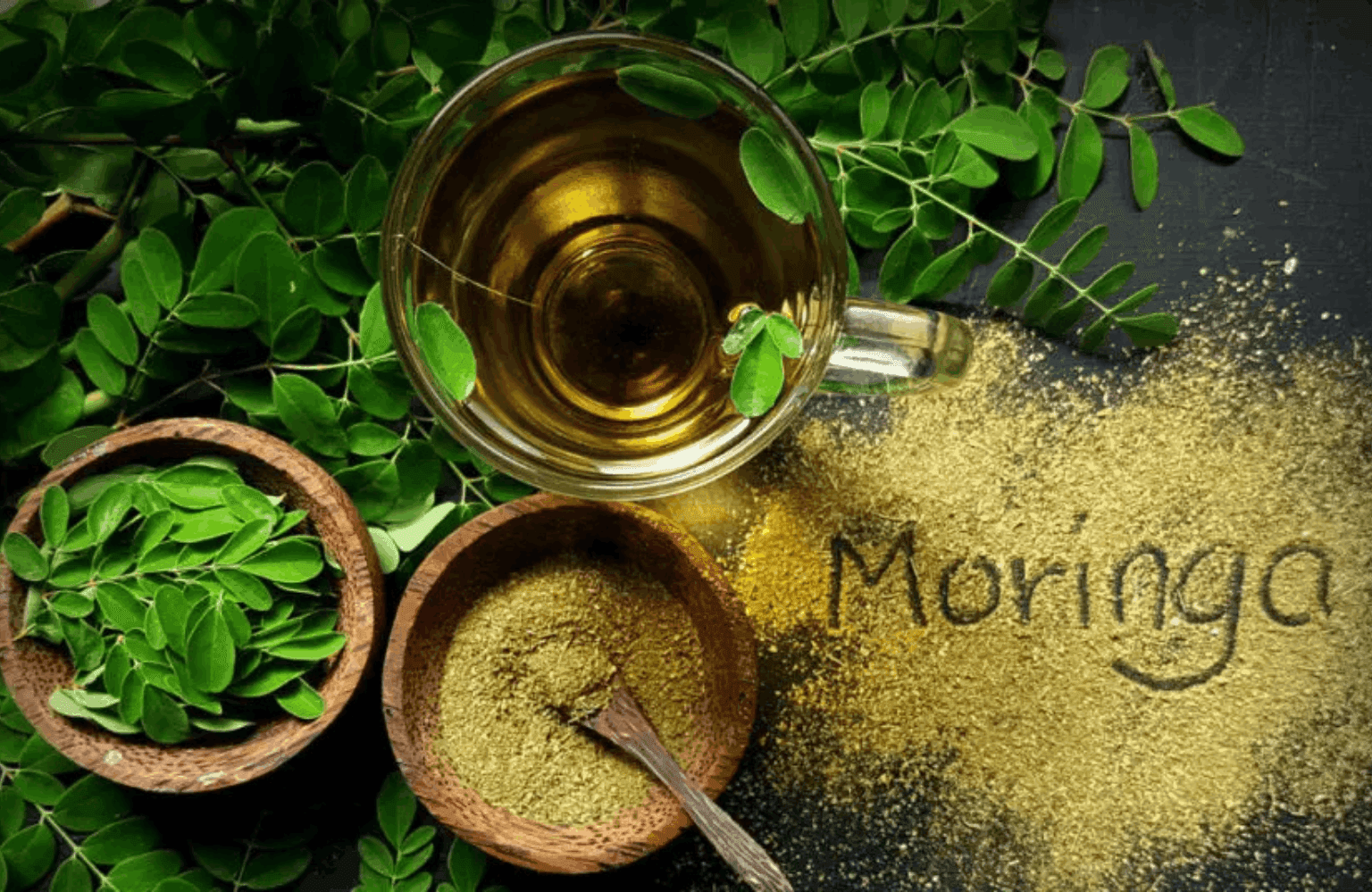
Moringa, scientifically known as Moringa oleifera, is a well-known medicinal tree in Ayurveda, revered for its ability to treat deep-seated inflammation and digestive disorders. It is commonly known as the Drumstick tree. In traditional texts, it is referred to as Sigru or Shobhanjana. While its fruits (drumsticks) are popular vegetables, Ayurveda extensively utilizes its root bark, stem bark, seeds, and leaves for therapeutic purposes, particularly for treating swellings (Sotha) and parasitic infections (Krimi).
1. Name of the Herb
- Common Name: Drumstick tree, Horse radish tree.
- Scientific Name: Moringa oleifera Lam. (Syn. Moringa pterygosperma Gaertn.).
- Sanskrit Names: Śigru, Śobhāñjana, Bahala, Tīkṣṇagandhā, Akṣīva, Mocaka.
- Regional Names: Sahijan (Hindi), Nugge (Kannada), Murungai (Tamil), Munaga (Telugu), Shevga (Marathi).
2. Brief Description
Moringa is a small or medium-sized tree found wild in the sub-Himalayan tracts and cultivated all over India. It is fast-growing and drought-resistant. In Ayurveda, it is highly valued as a Sothahara (anti-inflammatory) and Krimighna (anthelmintic) agent. It is often used in "sweating" therapies (Svedana) and externally as a paste (Lepa) to reduce pain and swelling.
3. Source / Part Used
- Plant Source: Herbal / Plant-based.
- Part Used:
- Root Bark (Mūlatvak).
- Stem Bark (Twak).
- Seeds (Bīja).
- Leaf (Patra).
4. Ayurvedic Properties
According to the Ayurvedic Pharmacopoeia of India, Moringa (specifically the root bark and seeds) possesses the following properties:
- Rasa (Taste): Kaṭu (Pungent) and Tikta (Bitter).
- Guna (Qualities): Laghu (Light), Rūkṣa (Dry), and Tīkṣṇa (Sharp/Penetrating).
- Virya (Potency): Uṣṇa (Hot).
- Vipaka (Post-digestive effect): Kaṭu (Pungent).
- Dosha Effect: Kaphavātahara (Pacifies Kapha and Vata doshas). However, it aggravates Pitta due to its hot and pungent nature.
5. Key Benefits
- Reduces Inflammation: It is a premier Śothahara herb, effectively reducing edema and swelling.
- Combats Worms: The seeds and bark are Krimighna, useful against intestinal worms.
- Relieves Pain: Acts as Śūlahara, relieving colic and joint pain.
- Supports Heart Health: Described as Hṛdya, beneficial for cardiac function.
- Eye Health: The seeds are classified as Cakṣuṣya, beneficial for vision.
6. Uses / Indications
Moringa is indicated in Ayurveda for the following conditions:
- Inflammatory Disorders: Śotha (Inflammation/Oedema), Galagaṇḍa (Goiter), and Gaṇḍamālā (Cervical lymphadenitis).
- Digestive Issues: Agnimāndya (Digestive impairment), Śūla (Colic), and Krimi (Worm infestation).
- Respiratory: Kāsa (Cough) and Śvāsa (Asthma) (implied by Sigru in salad groups relieving Kapha/Vata).
- Skin & Abscesses: Kuṣṭha (Skin diseases), Vraṇa (Ulcers), and Vidradhi (Abscess).
- Metabolic: Medoroga (Obesity)—due to its scraping (Lekhana) and sharp qualities.
- ENT: Netraroga (Eye diseases) and Śiroroga (Headaches).
7. How It Works
- Anti-inflammatory Action: Due to its Uṣṇa (Hot) potency and Kapha-Vata pacifying properties, it reduces obstruction in channels, improves circulation, and reduces fluid accumulation (edema).
- Deepana/Pacana: Its Kaṭu (Pungent) taste stimulates the digestive fire (Agni), helping to digest toxins (Ama) and clear intestinal parasites.
- Analgesic: Used externally as a poultice (Upanaha) or paste (Pralepa), it generates heat to relieve pain in conditions like abscesses and enlarged lymph nodes.
8. Dosage
The recommended dosage according to the Ayurvedic Pharmacopoeia of India:
- Root Bark Powder: 2 to 5 grams.
- Seed Powder: 1 to 3 grams.
- Stem Bark Decoction: 20 to 50 grams of the drug used for decoction.
9. Safety Information
Moringa is generally safe when used in recommended therapeutic doses. However, the root bark and seeds are potent and sharp (Tikshna), and should be used with discretion.
10. Side Effects
- Burning Sensation: Due to its Uṣṇa (Hot) and Kaṭu (Pungent) nature, it may cause a burning sensation in the stomach or throat if taken in excess.
- Pitta Aggravation: It can aggravate Pitta dosha, potentially worsening conditions like hyperacidity or bleeding disorders if not used correctly.
11. Precautions
- Pitta Prakriti: Individuals with a constitution prone to heat (Pitta) should use Moringa leaves and bark cautiously, as Ayurvedic texts note that Sigru (as a vegetable) aggravates Pitta.
- Pregnancy: Due to its hot potency and "sharp" qualities, therapeutic doses of the root bark are generally avoided or used with extreme caution during pregnancy.
12. Storage Instructions
- Store the dried bark, root, or seed powder in air-tight containers.
- Keep in a cool, dry place protected from light and moisture.
13. References
-
WHO Monographs on Selected Medicinal Plants
https://apps.who.int/iris/handle/10665/42052
-
WHO Global Report on Traditional and Complementary Medicine
https://www.who.int/publications/i/item/9789241515436
-
FAO – Moringa oleifera (Ecocrop Database)
https://ecocrop.fao.org
-
Ayurvedic Pharmacopoeia of India (API) – Shigru
https://www.ayush.gov.in
-
National Medicinal Plants Board (NMPB) – Moringa oleifera
https://nmpb.nic.in
-
PubMed – Moringa oleifera Research Articles
https://pubmed.ncbi.nlm.nih.gov/?term=Moringa+oleifera
-
NCBI Taxonomy Database – Moringa oleifera
https://www.ncbi.nlm.nih.gov
-
ScienceDirect – Moringa Phytochemistry & Pharmacology
https://www.sciencedirect.com/topics/agricultural-and-biological-sciences/moringa-oleifera
-
SpringerLink – Clinical & Experimental Studies on Moringa
https://link.springer.com
-
Wiley Online Library – Moringa Research Articles
https://onlinelibrary.wiley.com
-
Kew Science – Plants of the World Online (Moringa oleifera)
https://powo.science.kew.org
-
World Flora Online – Moringa oleifera
https://www.worldfloraonline.org
14. FAQs
** **Q. Can it be taken daily?
The fruit (drumstick) can be eaten as a vegetable. However, the medicinal parts like root bark or concentrated seed powder are "sharp" and "hot" and are best taken for specific therapeutic durations under guidance, rather than as a daily long-term supplement for everyone.
Q. When should it be taken?
It is often prescribed to be taken with honey or warm water to treat inflammation or digestive issues.
Q. Can it be taken with milk/water?
Yes, powders are often taken with warm water. In some external applications (lepa), it is mixed with sour liquids (like Kanji) to treat swelling.
Consult a Doctor
- AG4.5Dr Anshuman Gupta
Ayurveda8 yrs exp
- MS4.2Midun s kumar
Ayurveda4 yrs exp
- SP4.5Dr Sreelekha P Nair
Ayurveda6 yrs exp
- D4.3Dr Divya
Ayurveda2 yrs exp
Buy Medicine
 Prescribed to you4.6₹21 cashback
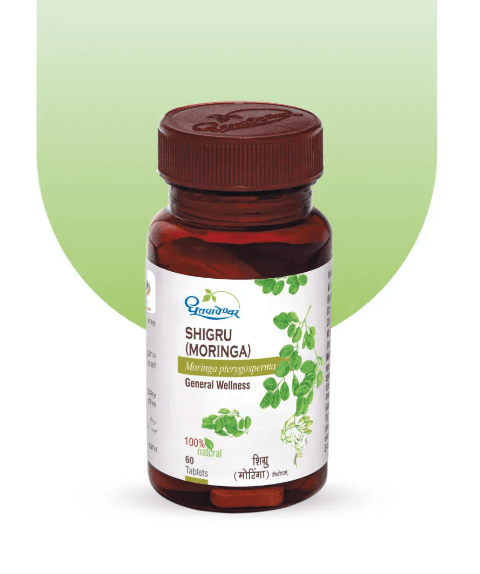
Moringa (Shigru) Tab (Dhootapapeshwar) SDL
SDLSupports appetite and digestion
Strip of 60 Tablets
4.6
₹210Get ₹21 Cashback