Neem
Reviewed by medical experts · For informational purposes only
Introductory summary
Neem known as Nimba in Ayurveda refers to Azadirachta indica and is a key ingredient in potent formulations like Nimbadi Curna and Pancatikta Ghrita,,. Possessing Bitter and Astringent tastes it acts as a powerful cooling agent that pacifies Kapha and Pitta doshas,. It is highly valued as a blood purifier and detoxifier specifically indicated for treating obstinate skin diseases including leprosy erysipelas and itching,,. Additionally it is effective against fever particularly Kapha fever and intestinal worms,. It is also used to manage diabetes and metabolic disorders,. The bark and leaves are the primary parts utilized often processed into decoctions or medicated ghee,.
Neem
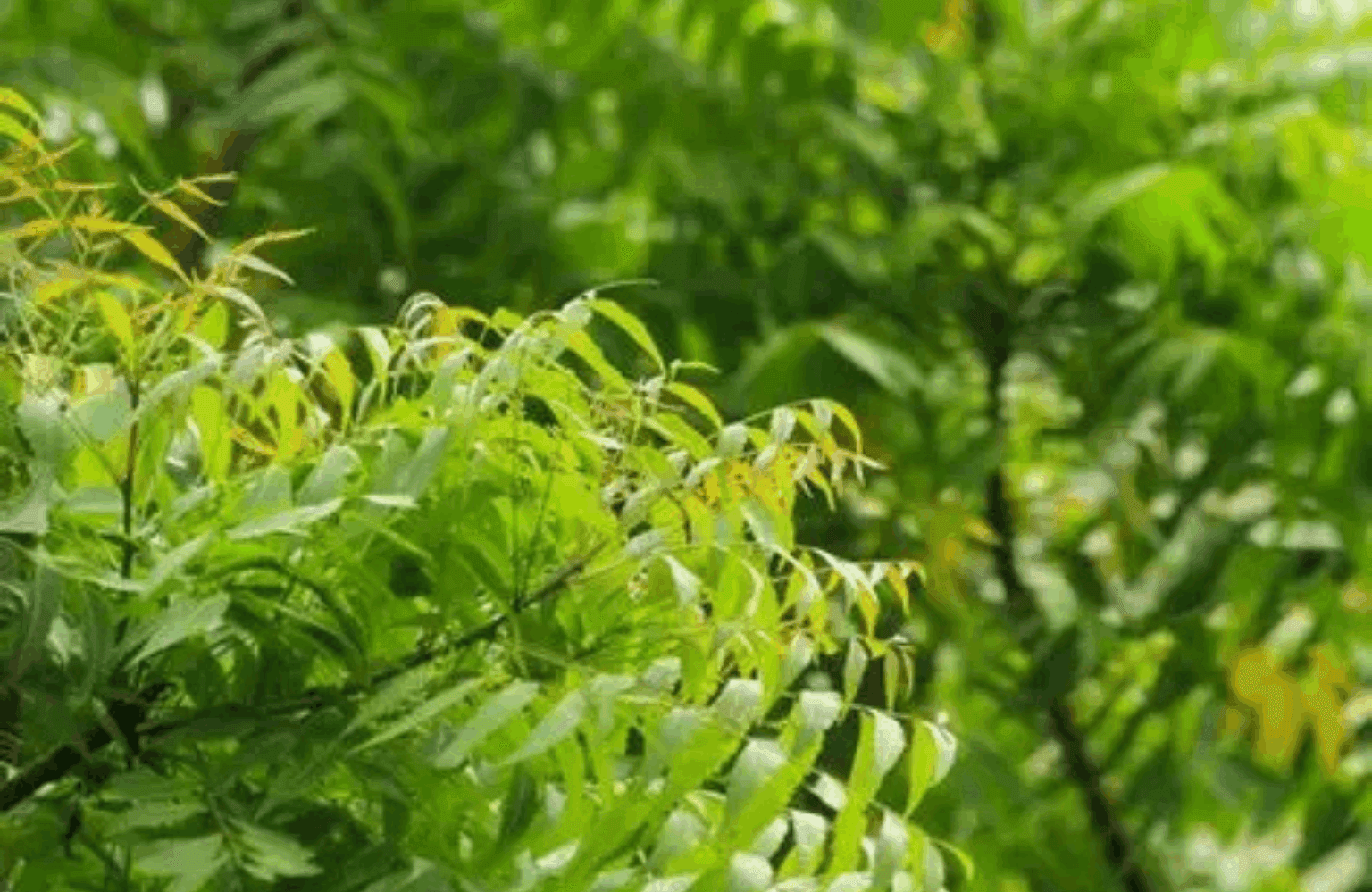
Neem, scientifically known as Azadirachta indica, is one of the most celebrated herbs in Ayurveda, often referred to as the "Village Pharmacy" due to its versatility in treating a wide range of ailments. In Sanskrit, it is called Nimba or Arishta, which means "reliever of sickness" or "imperishable." It is famously known as Sarva Roga Nibarini (the curer of all ailments) in traditional texts. It is primarily valued for its potent blood-purifying, anti-microbial, and skin-healing properties.
1. Name of the Herb
- Common Name: Neem, Margosa Tree.
- Scientific Name: Azadirachta indica A. Juss..
- Sanskrit Names: Nimba, Ari˦a, Picumarda.
- Regional Names: Nim (Hindi/Bengali), Vepu (Malayalam), Vepa (Telugu), Vembu (Tamil), Limba (Marathi/Gujarati).
2. Brief Description
Neem is a large, evergreen tree found abundantly throughout India. It is highly revered in Ayurveda for its bitter taste and cooling energy. It acts as a powerful detoxifier and is extensively used to treat skin disorders, metabolic diseases like diabetes, and infections. It is a key ingredient in many classical formulations like Pancatikta Ghrita (Five Bitters Ghee) and Arogyavardhini Vati,.
3. Source / Part Used
- Plant Source: Herbal / Plant-based (Tree).
- Part Used: Almost every part of the tree is used in medicine:
- Leaf (Patra),
- Stem Bark (Twak),
- Root Bark (Mula Twak),
- Flower (Pushpa),
- Fruit (Phala),
- Seed/Oil (Bija/Taila),.
4. Ayurvedic Properties
According to the Ayurvedic Pharmacopoeia of India and other classical texts:
- Rasa (Taste): Tikta (Bitter) and Kashaya (Astringent).
- Guna (Qualities): Laghu (Light) and Ruksha (Dry).
- Virya (Potency): Sheeta (Cold) (Inferred from its use in Pitta disorders and burning sensations like Daha),.
- Vipaka (Post-digestive effect): Katu (Pungent).
- Dosha Effect: Kaphapittahara (Pacifies Kapha and Pitta doshas). It balances the heat of Pitta and the heaviness of Kapha.
5. Key Benefits
- Purifies Blood: Acts as a powerful Raktashodhaka, removing toxins from the blood.
- Supports Skin Health: It is a premier Kushthaghna (destroyer of skin diseases) and Kandughna (relieves itching), effective against eczema, psoriasis, and acne,.
- Manages Diabetes: Effective in Meha and Prameha (metabolic disorders/diabetes), helping to regulate blood sugar levels,.
- Joint & Bone Health: Used in formulations for Sandhigata Vata (Osteoarthritis) and Asthigata Vata (pain in bones) due to its purifying nature,.
- Fights Infection: Acts as Krimighna, destroying intestinal worms and parasitic infections,.
6. Uses / Indications
Neem is indicated in Ayurveda for the following conditions:
- Skin Disorders: Kushtha (Leprosy/Skin diseases), Visarpa (Erysipelas), Kandu (Itching), Vrana (Ulcers), and Pidaka (Carbuncles/Boils),.
- Metabolic: Prameha (Diabetes/Urinary disorders) and Medoroga (Obesity).
- Infections: Krimi (Worm infestation) and Jvara (Fever), specifically Kapha Jvara,.
- Respiratory: Kasa (Cough) and Svasa (Asthma) (often in compound formulations like Pancatikta Ghrita),.
- Digestive: Aruci (Loss of taste) and Chardi (Vomiting).
7. How It Works
- Detoxification: Neem's Tikta (bitter) taste stimulates the liver and clears Ama (toxins) from the blood and tissues.
- Anti-inflammatory: It reduces Pitta (heat/inflammation) in the body, treating conditions like ulcers, burning sensations (Daha), and fever.
- Antimicrobial: It possesses strong antimicrobial and anthelmintic properties, making it effective against bacterial infections and intestinal worms (Krimi),.
- Blood Sugar Regulation: It helps metabolize sugar and fat, making it beneficial for diabetes (Prameha) and obesity (Medoroga).
8. Dosage
General dosage guidance based on Ayurvedic texts:
- Powder (Churna): 1 to 3 grams.
- Decoction (Kwatha): 50 to 100 ml (prepared from 10-20g of dried bark/leaves).
- Juice (Svarasa): 10 to 20 ml (fresh leaf juice).
- Oil: External application or 5-10 drops internally as directed.
9. Safety Information
Neem is generally safe when taken in recommended doses. It is widely used in formulations for both children and adults. However, due to its cooling and drying nature, it should be used with specific vehicles (Anupana) like ghee or warm water to prevent aggravation of Vata in susceptible individuals.
10. Side Effects
- Vata Aggravation: Excessive consumption may increase Vata, leading to dryness or fatigue, due to its Ruksha (Dry) and Sheeta (Cold) qualities.
- Gastric Upset: The intense bitter taste may cause nausea or vomiting (Vamana) in some individuals if taken in large quantities on an empty stomach.
11. Precautions
- Pregnancy: Caution is advised. Neem is generally avoided or used under strict supervision during pregnancy due to its strong detoxifying and "sharp" nature.
- Hypoglycemia: Diabetics on medication should monitor blood sugar, as Neem lowers blood glucose levels.
- Vata Prakriti: People with a Vata-dominant constitution (dry skin, lean body) should use Neem cautiously or balanced with unctuous substances like Ghee (Ghrita).
12. Storage Instructions
- Store dried leaves or bark powder in a cool, dry place.
- Keep in an air-tight container to prevent moisture absorption.
13. References
-
WHO Monographs on Selected Medicinal Plants – Azadirachta indica
https://apps.who.int/iris/handle/10665/42052
-
WHO Global Report on Traditional and Complementary Medicine
https://www.who.int/publications/i/item/9789241515436
-
Ayurvedic Pharmacopoeia of India (API) – Nimba
https://www.ayush.gov.in
-
National Medicinal Plants Board (NMPB) – Neem
https://nmpb.nic.in
-
ICAR – Indian Council of Agricultural Research (Neem resources)
https://icar.org.in
-
PubMed – Azadirachta indica Research Articles
https://pubmed.ncbi.nlm.nih.gov/?term=Azadirachta+indica
-
ScienceDirect – Neem Phytochemistry & Pharmacology
https://www.sciencedirect.com/topics/pharmacology-toxicology-and-pharmaceutical-science/azadirachta-indica
-
SpringerLink – Clinical & Experimental Studies on Neem
https://link.springer.com
-
Wiley Online Library – Neem Research Articles
https://onlinelibrary.wiley.com
14. FAQs
Q. Can it be taken daily?
While Neem is a powerful detoxifier, long-term daily use (without breaks) is generally not recommended for everyone, especially those with high Vata, unless prescribed in a balanced formulation like Arogyavardhini Vati. Short courses for blood purification are common.
Q. When should it be taken?
It is often taken in the morning on an empty stomach for detoxification or skin health.
Q. Can it be taken with milk/water?
Yes, the powder or juice is commonly taken with water. In specific medical formulations (like Pancatikta Ghrita), it is processed with ghee and milk to balance its drying qualities,.
Consult a Doctor
- SP4.5Dr Sreelekha P Nair
Ayurveda6 yrs exp
- SJ3.9SUMEDH JOSHI
Ayurveda7 yrs exp
- VH3.9Vaidya Harsh
Ayurveda9 yrs exp
- GG3.0Dr GN Govinda
Ayurveda1 yrs exp