Onion Benefits and Uses
Reviewed by medical experts · For informational purposes only
Introductory summary
Onion known as Palandu in Ayurveda is valued as a potent aphrodisiac and tonic. According to Charaka Samhita it possesses heavy and unctuous qualities making it highly effective for alleviating Vata dosha particularly in conditions of pain and nervous instability. It acts as a Balya agent promoting physical strength and Vrishya significantly enhancing sexual potency. While it improves appetite and taste known as Rocana it aggravates Kapha dosha and does not alleviate Pitta making it unsuitable for those with excess mucus or heat. Palandu is chemically distinct from garlic though similar in therapeutic applications for Vata. It is specifically indicated for increasing body bulk and supporting reproductive health due to its nourishing nature.
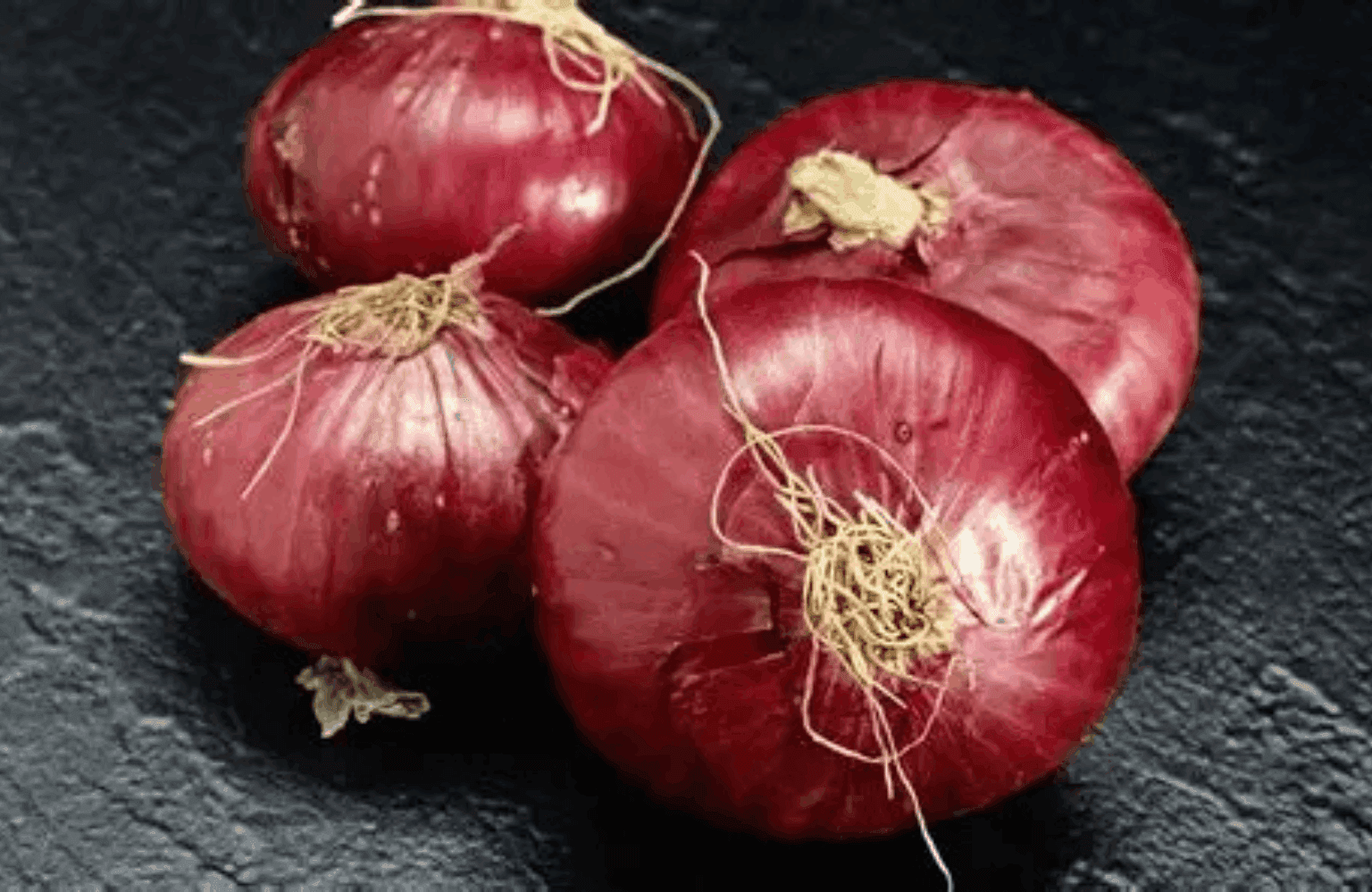
Onion
Onion, known in Ayurveda as Palāṇḍu, is a widely used bulbous vegetable classified under the "Group of Salads" (Harita Varga) in classical texts. While commonly used for culinary purposes to add flavor, Ayurveda recognizes it as a potent substance for improving strength and managing specific Dosha imbalances. It shares some therapeutic similarities with Garlic (Rasona/Lasuna) but has distinct properties, particularly regarding its heavy and cooling nature compared to other pungent vegetables.
1. Name of the Herb
- Common Name: Onion.
- Sanskrit Name: Palāṇḍu.
- Other Names: Piaz (Hindi), Ullipaya (Telugu), Vengayam (Tamil).
2. Brief Description
Onion is a bulbous plant used extensively in diet and medicine. In Ayurveda, it is highly valued for its ability to promote physical strength and sexual vigor. It is described as Balya (tonic/strength-promoting) and Vrishya (aphrodisiac). Unlike many other pungent herbs that deplete the body, Onion is considered Guru (heavy) and nourishing, making it beneficial for stabilizing the body and mind.
3. Source / Part Used
- Plant Source: Vegetable / Salad (Harita) group.
- Part Used: Bulb (Kanda) and sometimes seeds.
4. Ayurvedic Properties
According to the Charaka Samhita and Astanga Hridaya, Palāṇḍu possesses the following properties:
- Rasa (Taste): Primarily Madhura (Sweet) and Katu (Pungent),.
- Guna (Qualities): Guru (Heavy) and Snigdha (Unctuous/Oily),.
- Virya (Potency): Anushna (Not very hot) to Isat Ushna (Slightly hot) (It is noted as Vata-alleviating due to its unctuousness).
- Dosha Effect: Vata-shamaka (Pacifies Vata) and Kapha-vardhaka (Aggravates Kapha). It does not alleviate Pitta (meaning it can maintain or slightly increase Pitta).
5. Key Benefits
- Promotes Strength: It is a strong Balya agent, increasing physical stability and energy.
- Aphrodisiac: It is categorized as Vrishya, powerfully stimulating sexual potency and libido.
- Pacifies Vata: Excellent for calming nervous system disorders caused by Vata, such as pain and tremors.
- Enhances Relish: It is Rocana, meaning it improves taste and appetite.
- Supports Nutrition: Due to its heavy quality, it helps in building body mass (bulk-promoting).
6. Uses / Indications
Onion is indicated in Ayurveda for the following conditions:
- Vata Disorders: Used in conditions of pain, stiffness, and sciatica (Gridhrasi) due to its unctuous and heavy nature.
- Sexual Debility: Used to treat Klaibya (impotence) and low libido.
- Digestive Health: Used as an appetizer to improve the taste of food.
- General Weakness: Beneficial for those needing nourishment and weight gain.
- Skin Conditions: Applied externally (often as a poultice) for certain skin ailments, though less commonly than garlic.
7. How It Works
- Vata Pacification: Its Guru (heavy) and Snigdha (oily) qualities counteract the light, dry, and rough qualities of Vata Dosha. This makes it effective for grounding the nervous system and relieving pain,.
- Anabolic Action: By aggravating (increasing) Kapha, it promotes the buildup of fluids and tissues in the body, which aids in strengthening muscles and reproductive fluids.
- Stimulation: While heavy, its pungent aspect stimulates the senses and digestion, acting as a Rocana (taste enhancer).
8. Dosage
- As a Vegetable/Salad: Can be consumed in moderate quantities as part of a meal.
- Medicinal Dosage: Specific medicinal dosages for extracts or powders should be determined by a physician, but generally, it is used as a dietary adjunct.
- External Use: Poultices or juice applications are used as needed.
9. Safety Information
Onion is generally safe for consumption as a food item. It is considered a heavy food, meaning it takes longer to digest than lighter vegetables.
10. Side Effects
- Kapha Aggravation: Excessive consumption can lead to an increase in mucus, lethargy, or weight gain due to its Kapha-increasing properties.
- Pitta Sensitivity: While not as heating as garlic, it does not alleviate Pitta and may cause discomfort in people with high body heat or acidity if taken in excess.
11. Precautions
- Kapha Constitution: People with a Kapha-dominant body type (prone to obesity, congestion) should consume onions in moderation.
- Pitta Conditions: Those suffering from heat-related disorders should be cautious, as it does not pacify Pitta.
- Dietary Rules: As a member of the "Salad" group, it should be consumed considering one's digestive capacity (Agni) because it is heavy (Guru).
12. Storage Instructions
- Store in a cool, dry, and well-ventilated place to prevent rotting or sprouting.
13. References
-
WHO Monographs on Selected Medicinal Plants
https://apps.who.int/iris/handle/10665/42052
-
WHO Global Report on Traditional and Complementary Medicine
https://www.who.int/publications/i/item/9789241515436
-
Codex Alimentarius (FAO/WHO) – Standards for Onion
https://www.fao.org/fao-who-codexalimentarius
-
Charaka Samhita – Sutra Sthana (Dietary & Medicinal Use of Palandu)
https://www.wisdomlib.org/hinduism/book/charaka-samhita
-
Bhavaprakasha Nighantu – Haritakyadi Varga (Palandu)
https://www.wisdomlib.org/hinduism/book/bhavaprakasha
-
PubMed – Allium cepa Research Articles
https://pubmed.ncbi.nlm.nih.gov/?term=Allium+cepa
-
NCBI Taxonomy Database – Allium cepa
https://www.ncbi.nlm.nih.gov
-
ScienceDirect – Onion Phytochemistry & Pharmacology
https://www.sciencedirect.com/topics/agricultural-and-biological-sciences/allium-cepa
-
SpringerLink – Clinical & Experimental Studies on Onion
https://link.springer.com
-
Wiley Online Library – Allium cepa Research
https://onlinelibrary.wiley.com
-
Kew Science – Plants of the World Online (Allium cepa)
https://powo.science.kew.org
-
World Flora Online – Allium cepa
https://www.worldfloraonline.org
14. FAQs
** **Q. Can it be taken daily?
Yes, it can be taken as part of the diet, especially for those wishing to balance Vata or increase strength. However, those with high Kapha should limit intake.
Q. When should it be taken?
It is best taken with meals to act as an appetizer and nutritive addition.
Q. Can it be taken with milk?
Ayurveda generally advises against combining pungent, heavy vegetables or fish with milk (Viruddha Ahara), as this can vitiate the blood and block channels, although the text specifically highlights this antagonism for garlic and fish. Caution is advised.
Consult a Doctor
- KC5.0Dr. Kamesh chand sharma
Ayurveda2 yrs exp
- PP4.4Dr prince patel
Ayurveda22 yrs exp
- AG4.6Dr. Abhishek Gupta
Ayurveda1 yrs exp
- AB4.5Dr. Atul Bharadava
Ayurveda4 yrs exp