Oregano Benefits and Uses
Reviewed by medical experts · For informational purposes only
Introductory summary
Oregano known as Phanijjhaka in Ayurveda is identified with Origanum majorana or Marjoram an aromatic herb classified under the Harita Varga or salad group. It possesses Pungent and Bitter tastes accompanied by Light Sharp and Dry qualities. Due to its Hot potency and Pungent post digestive effect it effectively pacifies Kapha and Vata doshas. It is highly valued as a digestive stimulant and heart tonic known as Hridya while acting as an appetizer to improve taste perception. Therapeutically it is indicated for respiratory disorders like cough asthma and hiccups due to its decongestant properties. Additionally it treats digestive stagnation anorexia and worm infestations acting as a detoxifier or Vishaghna against poisons.
Oregano
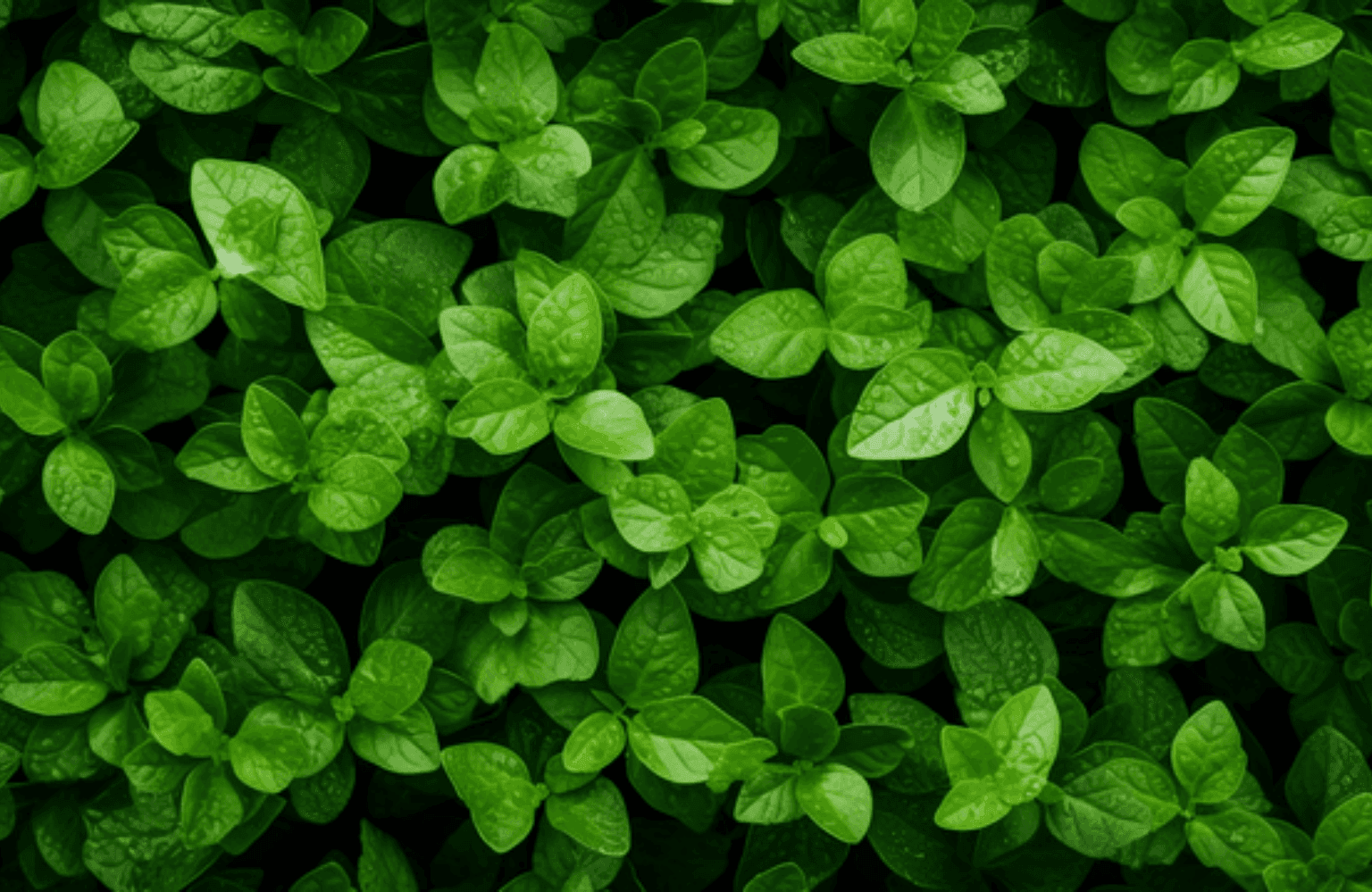
Phanijjhaka, identified botanically as Origanum majorana (Sweet Marjoram) or closely related species of the Origanum genus, is an aromatic herb belonging to the Harita Varga (Group of Salads/Greens) in Ayurveda. It is highly valued for its fragrance and ability to clear the respiratory and digestive channels. It shares the sharp, penetrating qualities of other aromatic mints like Tulsi and is traditionally used to treat poisons, respiratory congestion, and digestive stagnation.
1. Name of the Herb
- Common Name: Oregano, Marjoram, Sweet Marjoram.
- Scientific Name: Origanum majorana Linn. (Syn. Origanum vulgare is often used interchangeably in common parlance, but Phanijjhaka specifically maps to O. majorana in Ayurvedic Pharmacopoeia).
- Sanskrit Name: Phanijjhaka, Marubaka (often considered a synonym or variety).
- Other Names: Marua (Hindi), Marugu (Telugu).
2. Brief Description
Phanijjhaka is an aromatic, perennial herb with small leaves and a strong, camphoraceous scent. In Ayurveda, it is classified as a "heart-friendly" (Hridya) and "appetizing" (Rocana) herb. It is frequently included in the Salad group (Harita Varga) alongside Holy Basil (Surasa) and Ajwain (Yavani), indicating its traditional use as both a culinary spice and a medicine for clearing excess mucus and toxins.
3. Source / Part Used
- Plant Source: Herbal / Plant-based.
- Part Used: Whole Plant (Panchanga), specifically the Leaves (Patra) and Flowers.
4. Ayurvedic Properties
According to Ashtanga Samgraha and Charaka Samhita:
- Rasa (Taste): Katu (Pungent) and Tikta (Bitter).
- Guna (Qualities): Laghu (Light), Tikshna (Sharp), and Ruksha (Dry).
- Virya (Potency): Ushna (Hot).
- Vipaka (Post-digestive effect): Katu (Pungent).
- Dosha Effect: Kapha-Vatahara (Pacifies Kapha and Vata doshas). It can aggravate Pitta if used in excess due to its hot potency.
5. Key Benefits
- Respiratory Relief: Acts as a powerful decongestant for cough and asthma.
- Digestive Stimulant: Ignites the digestive fire (Agni) and removes bloating.
- Heart Health: Described as Hridya, meaning it is beneficial and comforting to the heart.
- Anti-Poison: Possesses Vishaghna properties, effective against natural toxins.
- Aromatic & Palatable: Acts as Rocana, improving taste perception and appetite.
6. Uses / Indications
Phanijjhaka is indicated in Ayurveda for the following conditions:
- Respiratory Disorders: Kasa (Cough), Shvasa (Asthma/Dyspnoea), and Hikka (Hiccups).
- Toxicity: Visha (Poisoning/Toxic conditions).
- Digestive Issues: Arocaka (Anorexia/Tastelessness), Adhmana (Bloating), and indigestion.
- General: Krimi (Worm infestations) and Shula (Colic pain).
7. How It Works
- Decongestion: Its Tikshna (Sharp) and Ushna (Hot) qualities penetrate minute channels, liquefying and expelling thick, sticky mucus (Kapha) from the lungs and throat.
- Antispasmodic: By normalizing the movement of Vata (Vatanulomana), it relieves spasms in the respiratory tract (stopping hiccups and asthma) and intestines (relieving colic).
- Detoxification: Its pungent and bitter nature helps break down Ama (metabolic toxins) and neutralize external poisons (Visha).
8. Dosage
(General guidance for dried herb/powder):
- Powder (Churna): 1 to 3 grams.
- Fresh Juice (Svarasa): 5 to 10 ml.
- Infusion (Phanta): 20 to 40 ml.
- Dosage should be adjusted based on digestive strength and condition.
9. Safety Information
Phanijjhaka is generally safe when used as a culinary herb or in therapeutic doses. It is considered a light (Laghu) herb that is easily digested by the body.
10. Side Effects
- Heat Sensation: Due to its Ushna (Hot) potency, excessive intake may cause a burning sensation in the stomach or heartburn.
- Pitta Aggravation: May cause increased body heat, sweating, or acidity in individuals with a Pitta-dominant constitution.
11. Precautions
- Pitta Prakriti: People with high body heat or acidity should use it sparingly.
- Pregnancy: Large medicinal doses are generally avoided due to its heating and penetrating nature, though culinary use is considered safe.
- Bleeding Disorders: Caution is advised in conditions like Raktapitta (bleeding disorders) as it is hot and sharp.
12. Storage Instructions
- Store dried leaves in an air-tight container to preserve the volatile essential oils responsible for its aroma and efficacy.
- Keep in a cool, dry place away from moisture.
13. References
-
WHO Monographs on Selected Medicinal Plants
https://apps.who.int/iris/handle/10665/42052
-
WHO Global Report on Traditional and Complementary Medicine
https://www.who.int/publications/i/item/9789241515436
-
European Medicines Agency (EMA) – Origanum vulgare
https://www.ema.europa.eu
-
FAO Ecocrop Database – Origanum vulgare
https://ecocrop.fao.org
-
Codex Alimentarius (FAO/WHO) – Oregano Standards
https://www.fao.org/fao-who-codexalimentarius
-
PubMed – Origanum vulgare Research Articles
https://pubmed.ncbi.nlm.nih.gov/?term=Origanum+vulgare
-
NCBI Taxonomy Database – Origanum vulgare
https://www.ncbi.nlm.nih.gov
-
ScienceDirect – Oregano Phytochemistry & Pharmacology
https://www.sciencedirect.com/topics/pharmacology-toxicology-and-pharmaceutical-science/origanum-vulgare
-
SpringerLink – Clinical Studies on Oregano
https://link.springer.com
-
Wiley Online Library – Oregano Research
https://onlinelibrary.wiley.com
-
Kew Science – Plants of the World Online (Origanum vulgare)
https://powo.science.kew.org
14. FAQs
** **Q. Can it be taken daily?
Yes, in small culinary amounts (as a spice or tea), it is beneficial for digestion and respiratory health.
Q. When should it be taken?
It is best taken with meals to aid digestion or as a warm tea during respiratory congestion.
Q. Can it be taken with milk/water?
It is typically taken with warm water or honey. Combining it with milk is less common for aromatic spices of this nature, though not explicitly forbidden in all contexts.
Consult a Doctor
- NG5.0Dr Nandini gaur
Ayurveda1 yrs exp
- KC5.0Dr. Kamesh chand sharma
Ayurveda2 yrs exp
- PP4.4Dr prince patel
Ayurveda22 yrs exp
- KH4.4Dr Kowshalya H S
Ayurveda3 yrs exp