Papaya Leaf Benefits and Uses
Reviewed by medical experts · For informational purposes only
Introductory summary
According to the Ayurvedic Pharmacopoeia of India the provided texts contain monographs for the fruit and root of Erandakarkati or Carica papaya but do not list specific therapeutic properties for the leaf. The fruit pericarp is described as possessing Bitter and Sweet tastes with Light qualities and Hot potency. It acts as a digestive stimulant and heart tonic reducing Kapha and Pitta doshas. The root is noted for its Pungent taste and specific efficacy as a diuretic or Mutrala and stone breaker removing urinary calculus. Both the fruit and root are indicated for worm infestations skin diseases and respiratory conditions like cough and asthma.
Papaya
Papaya, known in Ayurveda as Eraṇḍakarkaṭī or Madhukarkati, is a small, fast-growing tree cultivated throughout India. While it is globally famous for its edible fruit and the enzyme papain, Ayurveda recognizes specific therapeutic values in its dried pericarp (fruit peel/flesh) and its roots. It is used to treat urinary disorders, digestive ailments, and skin conditions.
1. Name of the Herb
- Common Name: Papaya, Melon tree, Pawpaw.
- Scientific Name: Carica papaya L..
- Sanskrit Names: Eraṇḍakarkaṭī, Madhukarkaṭī, Gopālakarkaṭī.
- Regional Names: Papita (Hindi), Papeyaa (Bengali), Boppayi (Telugu), Pappali (Tamil), Papai (Marathi).
2. Brief Description
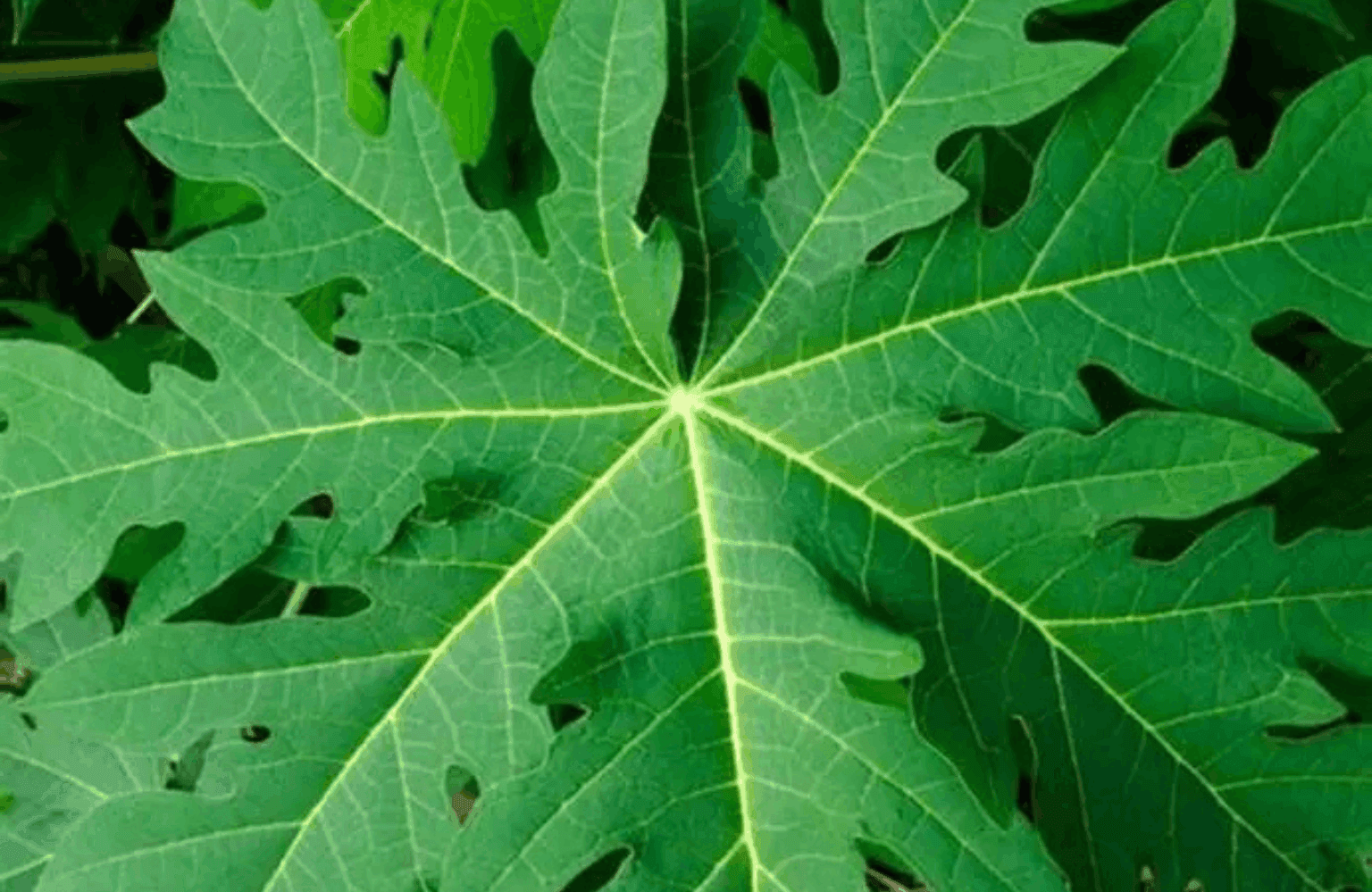
The Papaya is a small tree with a straight stem and a crown of large leaves, cultivated for its fruits and latex. In Ayurveda, the medicinal drug consists of the dried pericarp of mature and unripe fruits, or the dried roots. The fruit pieces are leathery with a bitter and mucilaginous taste, while the roots are fibrous, tough, and woody.
3. Source / Part Used
- Plant Source: Herbal / Plant-based.
- Part Used:
- Fruit (Phala - specifically the dried pericarp).
- Root (Mūla).
4. Ayurvedic Properties
The properties vary slightly between the fruit and the root:
For the Fruit (Pericarp):
- Rasa (Taste): Tikta (Bitter) and Madhura (Sweet).
- Guna (Qualities): Laghu (Light).
- Virya (Potency): Uṣṇa (Hot).
- Vipaka (Post-digestive effect): Madhura (Sweet).
- Dosha Effect: Pittakaphahara (Pacifies Pitta and Kapha) but Vātakara (Aggravates Vata).
For the Root:
- Rasa (Taste): Kaṭu (Pungent) and Tikta (Bitter).
- Guna (Qualities): Laghu (Light), Rūkṣa (Dry), and Tīkṣṇa (Sharp).
- Virya (Potency): Uṣṇa (Hot).
- Vipaka (Post-digestive effect): Kaṭu (Pungent).
- Dosha Effect: Kaphahara (Pacifies Kapha).
5. Key Benefits
- Digestive Support: The fruit acts as Dīpana (appetizer) and aids in digestion.
- Urinary Health: The root is a potent Mūtrala (diuretic) and is effective in breaking down stones (Aśmarī).
- Heart Health: The fruit is described as Hṛdya (beneficial for the heart).
- Worm Removal: Both the fruit and root are Kṛmighna, meaning they destroy parasitic worms.
- Blood & Skin: Useful in treating bleeding disorders (Raktapitta) and skin diseases.
6. Uses / Indications
Papaya plant parts are indicated for the following conditions:
- Urinary Disorders: Aśmarī (Calculus/Stones), Mūtraroga (Urinary diseases), and Mūtrāghāta (Urinary obstruction).
- Digestive Issues: Aruci (Tastelessness), Udaraśūla (Abdominal pain), and Arśa (Hemorrhoids).
- Respiratory: Kāsa (Cough) and Śvāsa (Asthma).
- Joints: Vātarakta (Gout).
- Skin: Tvak roga (Skin diseases) and Vraṇa (Ulcers).
- Gynecological: Raktapradara (Menorrhagia/Metrorrhagia).
7. How It Works
- Enzymatic Action: The plant contains Papain and Carpaine (alkaloid). Papain is known to aid digestion.
- Stone Dissolution: The root possesses sharp (Tikshna) and diuretic (Mutrala) properties that help break down and expel urinary stones (Ashmari).
- Anti-inflammatory: It reduces swelling (Śotha) and treats ulcers (Vraṇa).
8. Dosage
The recommended dosage for the dried powder (Churna):
- Fruit Powder: 10 to 20 grams.
- Root Powder: 2 to 6 grams.
9. Safety Information
- The Pharmacopoeia specifies the use of mature and unripe fruits for medicinal preparation, which may differ in safety profile from fully ripe culinary fruit.
- The root contains carpaine, which is a potent alkaloid.
10. Side Effects
- Vata Aggravation: The fruit is described as Vātakara, meaning it can increase Vata dosha (potentially causing gas or dryness) if used in excess.
- Heat: Due to its Uṣṇa (Hot) potency, it might cause heating effects in the body.
11. Precautions
- Pregnancy: While not explicitly warned in the provided monograph, Papaya (especially unripe) is traditionally avoided in pregnancy due to its "hot" nature and latex content.
- Specific Conditions: The root is indicated for Raktapitta (bleeding disorders), which suggests it has specific action on blood coagulation or heat regulation.
12. Storage Instructions
- Store in a cool, dry place away from direct sunlight to preserve the chemical constituents like papain and alkaloids.
13. References
-
WHO Monographs on Selected Medicinal Plants
https://apps.who.int/iris/handle/10665/42052
-
WHO Global Report on Traditional and Complementary Medicine
https://www.who.int/publications/i/item/9789241515436
-
FAO – Carica papaya (Crop & Nutritional Data)
https://www.fao.org
-
Codex Alimentarius (FAO/WHO) – Standards for Papaya Products
https://www.fao.org/fao-who-codexalimentarius
-
PubMed – Carica papaya Leaf Research Articles
https://pubmed.ncbi.nlm.nih.gov/?term=Carica+papaya+leaf
-
NCBI Taxonomy Database – Carica papaya
https://www.ncbi.nlm.nih.gov
-
ScienceDirect – Papaya Leaf Phytochemistry & Pharmacology
https://www.sciencedirect.com/topics/agricultural-and-biological-sciences/carica-papaya
-
SpringerLink – Clinical Studies on Papaya Leaf Extract
https://link.springer.com
-
Wiley Online Library – Papaya Leaf Research
https://onlinelibrary.wiley.com
-
Kew Science – Plants of the World Online (Carica papaya)
https://powo.science.kew.org
-
World Flora Online – Carica papaya
https://www.worldfloraonline.org
14. FAQs
** **Q. Can it be taken daily?
The fruit (pericarp) powder is prescribed in doses of 10-20g for specific conditions like cough or gout. Long-term use should be monitored by a physician due to its Vata-increasing property.
Q. When should it be taken?
It is typically taken as a powder (Churna), likely with water, to treat urinary or digestive issues.
Q. Can it be taken with milk/water?
While the text does not specify a vehicle (Anupana) for the single drug, powders in Ayurveda are commonly taken with warm water to facilitate digestion.
Consult a Doctor
- KC5.0Dr. Kamesh chand sharma
Ayurveda2 yrs exp
- PP4.4Dr prince patel
Ayurveda22 yrs exp
- KH4.4Dr Kowshalya H S
Ayurveda3 yrs exp
- AK4.8Dr. Amalnath K Viswanathan
Ayurveda4 yrs exp