Shatavari
Reviewed by medical experts · For informational purposes only
Introductory summary
Shatavari scientifically known as Asparagus racemosus is a premier Rasayana or rejuvenative herb in Ayurveda highly valued for female reproductive health. According to the Ayurvedic Pharmacopoeia of India the tuberous root possesses Sweet and Bitter tastes with Heavy and Unctuous qualities. Its Cold potency and Sweet post digestive effect allow it to effectively pacify Vata and Pitta doshas. It acts as a powerful galactagogue known as Stanyajanana increasing breast milk production and is indicated for gynecological disorders like menorrhagia and infertility. Therapeutically it treats hyperacidity bleeding disorders and dysuria. It is a key ingredient in formulations like Shatavari Guda and Phala Ghrita supporting vitality and immunity while acting as a brain tonic and soothing agent for the digestive tract.,,,
Shatavari
Shatavari, scientifically known as Asparagus racemosus, is one of the most important medicinal plants in Ayurveda, often referred to as the "Queen of Herbs." Its name translates to "she who possesses a hundred husbands," implying its historical use as a reproductive tonic. It is primarily used as a Rasayana (rejuvenator) to promote vitality, strength, and longevity. It is highly valued for its cooling properties and its specific ability to support the female reproductive system and promote lactation.
1. Name of the Herb
- Common Name: Shatavari, Satavar.
- Scientific Name: Asparagus racemosus Willd. (Family: Liliaceae).
- Sanskrit Names: Śatāvarī, Nārāyanī, Abhīru (fearless), Atirasā (very juicy), Śatamūlī (having hundred roots).
- Regional Names: Satamuli (Bengali), Satavari (Gujarati/Hindi), Majjige-gadde (Kannada), Satavari (Marathi), Sadavare (Tamil), Pilla-teegalu (Telugu).
2. Brief Description
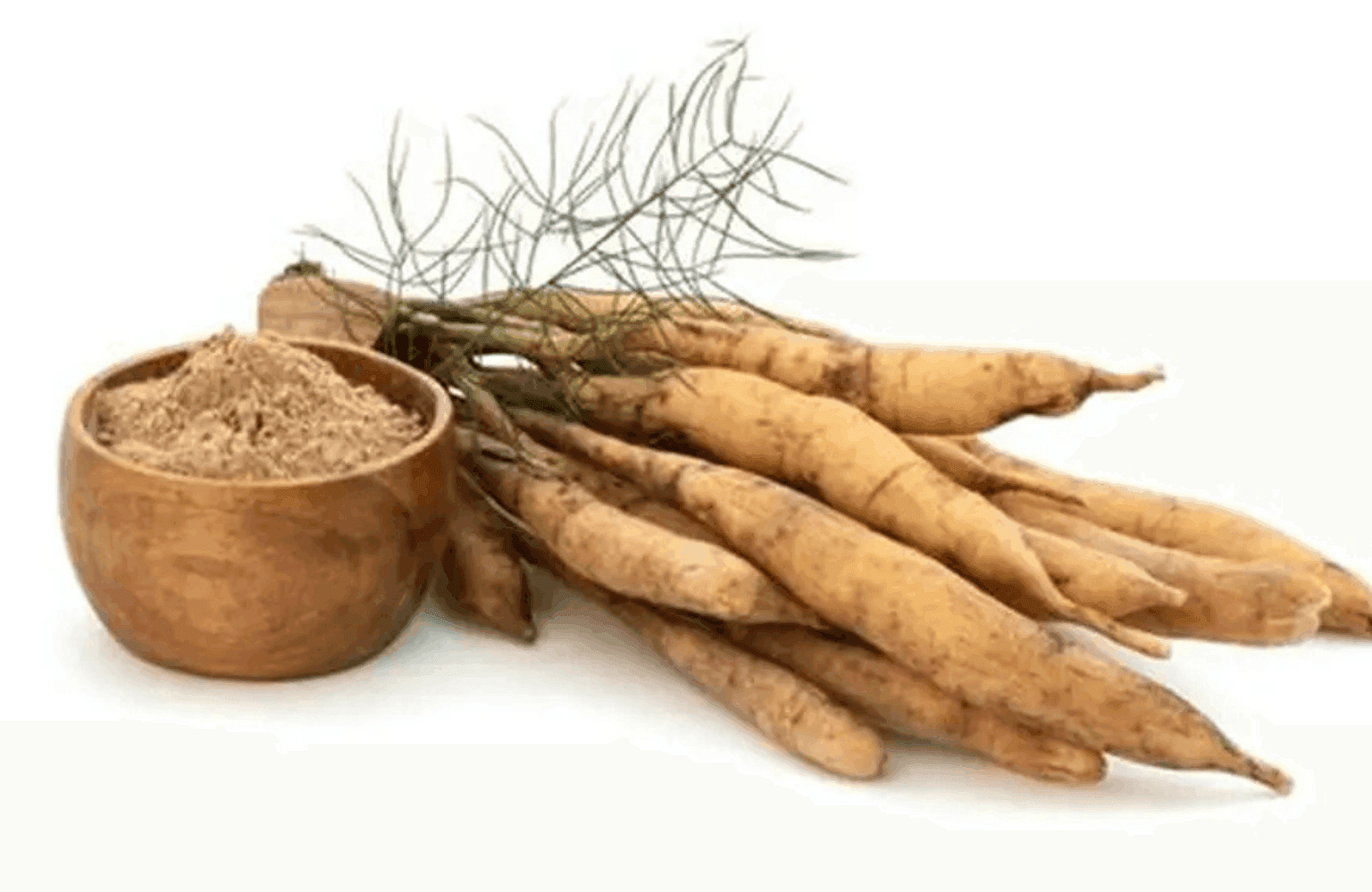
Shatavari is a spinous climbing shrub with woody stems. The medicinally active part consists of the tuberous roots, which are cylindrical, fleshy, and fascicled (bundled). In Ayurveda, it is classified as a powerful Rasayana (rejuvenative tonic) and Balya (strength promoter). It is renowned for its capacity to nourish the body tissues (Dhatus), specifically the reproductive fluids (Shukra) and breast milk (Stanya).
3. Source / Part Used
- Plant Source: Herbal / Plant-based (Climber).
- Part Used: Tuberous Root (Kanda / Mūla).
4. Ayurvedic Properties
According to the Ayurvedic Pharmacopoeia of India:
- Rasa (Taste): Madhura (Sweet) and Tikta (Bitter).
- Guna (Qualities): Guru (Heavy) and Snigdha (Unctuous/Oily).
- Virya (Potency): Śīta (Cold).
- Vipaka (Post-digestive effect): Madhura (Sweet).
- Dosha Effect: Vāta-Pitta Shamaka (Pacifies Vata and Pitta doshas). Due to its heavy and sweet nature, it can slightly increase Kapha.
5. Key Benefits
- Promotes Lactation: It is a premier Stanyajanana herb, meaning it increases the production of breast milk.
- Supports Reproductive Health: Acts as Vrishya (Aphrodisiac) and supports fertility; useful for the female genital tract (Yonidoshahara).
- Rejuvenation: Classified as Rasayana, promoting longevity and immunity.
- Eye Health: It is described as Cakṣuṣya, beneficial for eyesight.
- Mental Health: Used as a Medhya (brain tonic) to improve intellect and memory.
- Digestion: soothing to the digestive tract due to its cooling nature.
6. Uses / Indications
Shatavari is indicated in Ayurveda for the following conditions:
- Women's Health: Stanyakshaya (deficiency of breast milk), Yonidosha (disorders of the female genital tract), and Asrigdara (menorrhagia/heavy bleeding).
- Digestive Disorders: Amlapitta (Hyperacidity/Dyspepsia), Arshas (Piles), Atisara (Diarrhea), and Raktapitta (Bleeding disorders).
- General Health: Kshaya (Pthisis/Emaciation), Daurbalya (Weakness), and Visarpa (Erysipelas).
- Urinary & Joint Issues: Mutrakricchra (Dysuria/painful urination) and Vatarakta (Gout).
- Cardiac: Hridroga (Heart diseases).
7. How It Works
- Nutritive Action: Its Guru (heavy) and Snigdha (oily) qualities provide deep nourishment to the body's tissues, helping to combat emaciation and weakness.
- Cooling Action: Being Sheeta Virya (cold potency), it is highly effective in neutralizing excess heat (Pitta) in the body, making it useful for acidity, bleeding disorders, and burning sensations.
- Hormonal/Reproductive: It acts on the Artava and Stanya vaha srotas (reproductive and lactation channels) to regulate female hormones and milk production.
8. Dosage
(General guidance for the Root Powder as per API):
- Powder (Churna): 3 to 6 grams.
- Svarasa (Juice): 10 to 20 ml (if fresh).
- Note: It is often taken with milk or ghee to enhance its tonic effects.
9. Safety Information
Shatavari is generally considered safe and is used as a food supplement in many parts of India. It is a key ingredient in many pediatric and maternal health formulations like Phala Ghrita.
10. Side Effects
- Heaviness: Due to its Guru (Heavy) quality, excessive intake may cause heaviness in the stomach or indigestion in those with weak digestion (Mandagni).
- Kapha Aggravation: Overuse may lead to slight weight gain or congestion in people with a Kapha-dominant constitution.
11. Precautions
- Kapha Imbalance: Individuals with excessive mucus, congestion, or obesity should use it with caution or under guidance, as it is cooling and heavy.
- Digestion: It should ideally be taken when the digestive fire is strong to ensure proper metabolism of its heavy qualities.
12. Storage Instructions
- Store the dried root powder in a cool, dry place in an air-tight container.
- Protect from moisture to prevent clumping and fungal growth.
13. References
-
Ayurvedic Pharmacopoeia of India (API) – Asparagus racemosus
https://pcimh.gov.in
-
WHO Monographs on Selected Medicinal Plants
https://apps.who.int/iris/handle/10665/42052
-
WHO Global Report on Traditional and Complementary Medicine
https://www.who.int/publications/i/item/9789241515436
-
PubMed – Asparagus racemosus Research Articles
https://pubmed.ncbi.nlm.nih.gov/?term=Asparagus+racemosus
-
NCBI Taxonomy Database – Asparagus racemosus
https://www.ncbi.nlm.nih.gov
-
ScienceDirect – Shatavari Phytochemistry & Pharmacology
https://www.sciencedirect.com/topics/pharmacology-toxicology-and-pharmaceutical-science/asparagus-racemosus
-
Wiley Online Library – Shatavari Research
https://onlinelibrary.wiley.com
-
Kew Science – Plants of the World Online (Asparagus racemosus)
https://powo.science.kew.org
14. FAQs
Q. Can it be taken daily?
Yes, it is classified as a Rasayana (rejuvenator), which is typically suitable for daily use over a period to improve strength and immunity, usually with milk.
Q. When should it be taken?
It is often recommended to be taken twice daily, or as directed by a physician, commonly mixed with milk or ghee.
Q. Can it be taken with milk/water?
Yes, milk is the preferred vehicle (Anupana) for Shatavari to enhance its cooling, nutritive, and aphrodisiac properties. It can also be taken with warm water.
Consult a Doctor
- DS4.2Deeksha sharma
Ayurveda4 yrs exp
- MS4.2Midun s kumar
Ayurveda4 yrs exp
- DR4.3Dr.Prajwal Raj Biradar
Ayurveda1 yrs exp
- BY4.3Bapodara yash kanabhai
Ayurveda3 yrs exp
Buy Medicine
 Prescribed to you4.5₹8 cashback
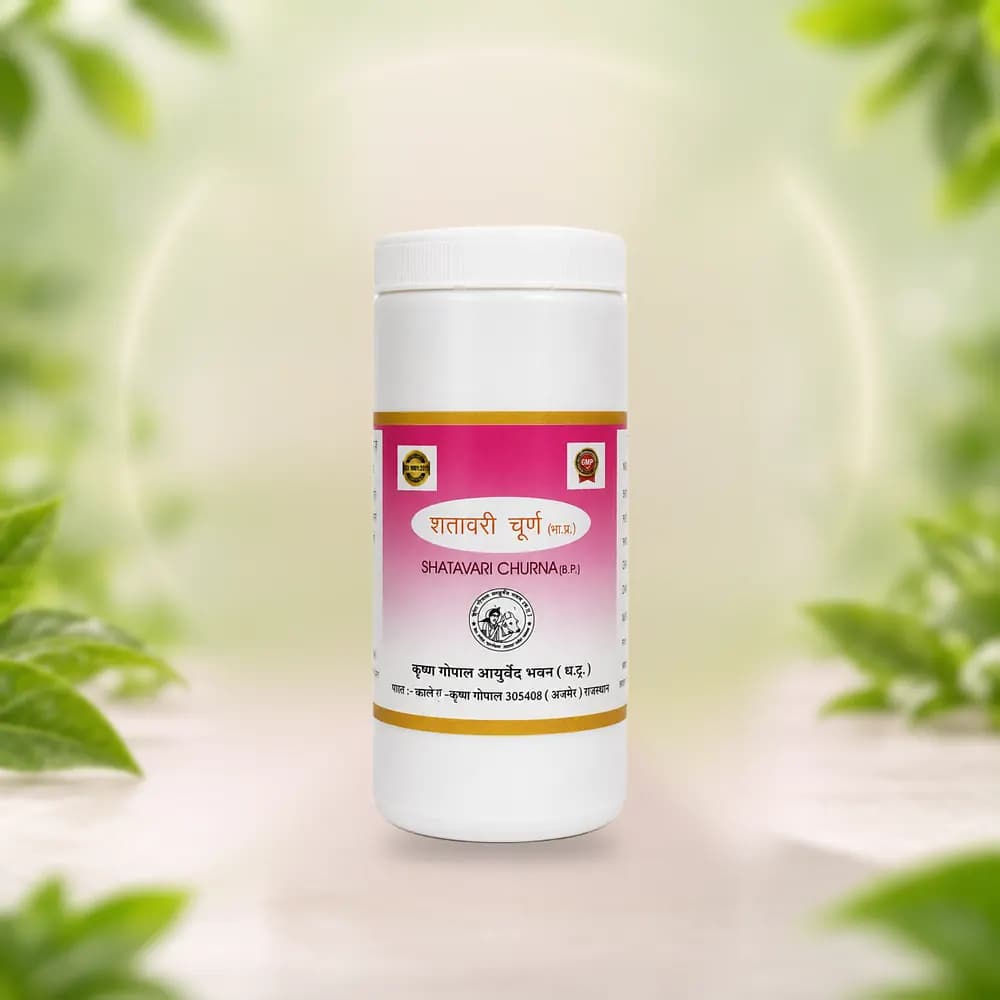
Shatavari Churna (Kalera) Kalera
Female tonic, lactation booster
Container of 50 g
4.5
₹85Get ₹8 Cashback
 Prescribed to you4.5₹15 cashback
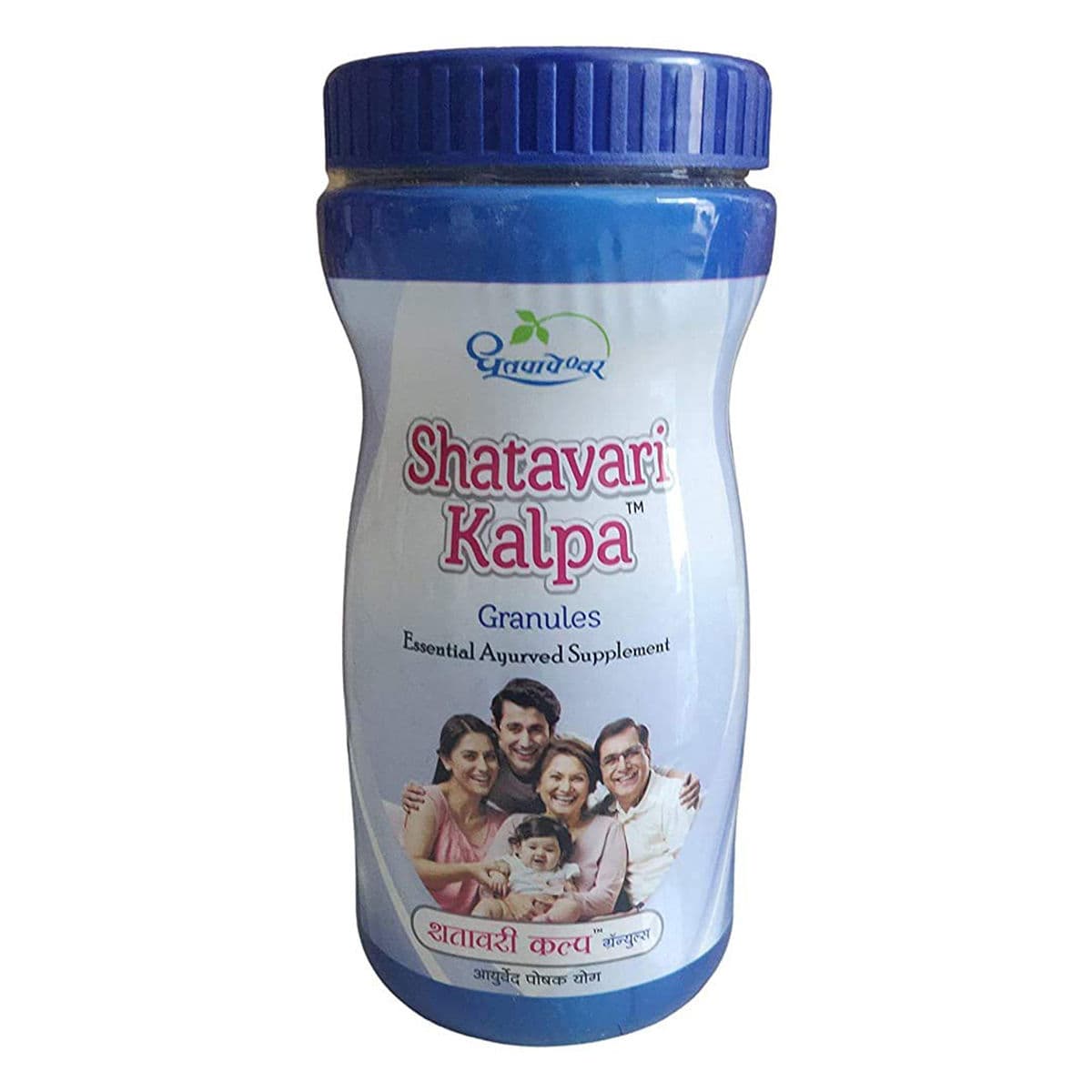
Shatavari Kalpa Granules (Dhootapapeshwar) SDL
SDLSupports women's health, all stages
Container of 125 g
4.5
₹154Get ₹15 Cashback
 Prescribed to you4.5₹20 cashback
Shatavari (Dhootapapeshwar)SDLSupports overall women's health, wellness
Strip of 60 Tablets
4.5
₹209Get ₹20 Cashback