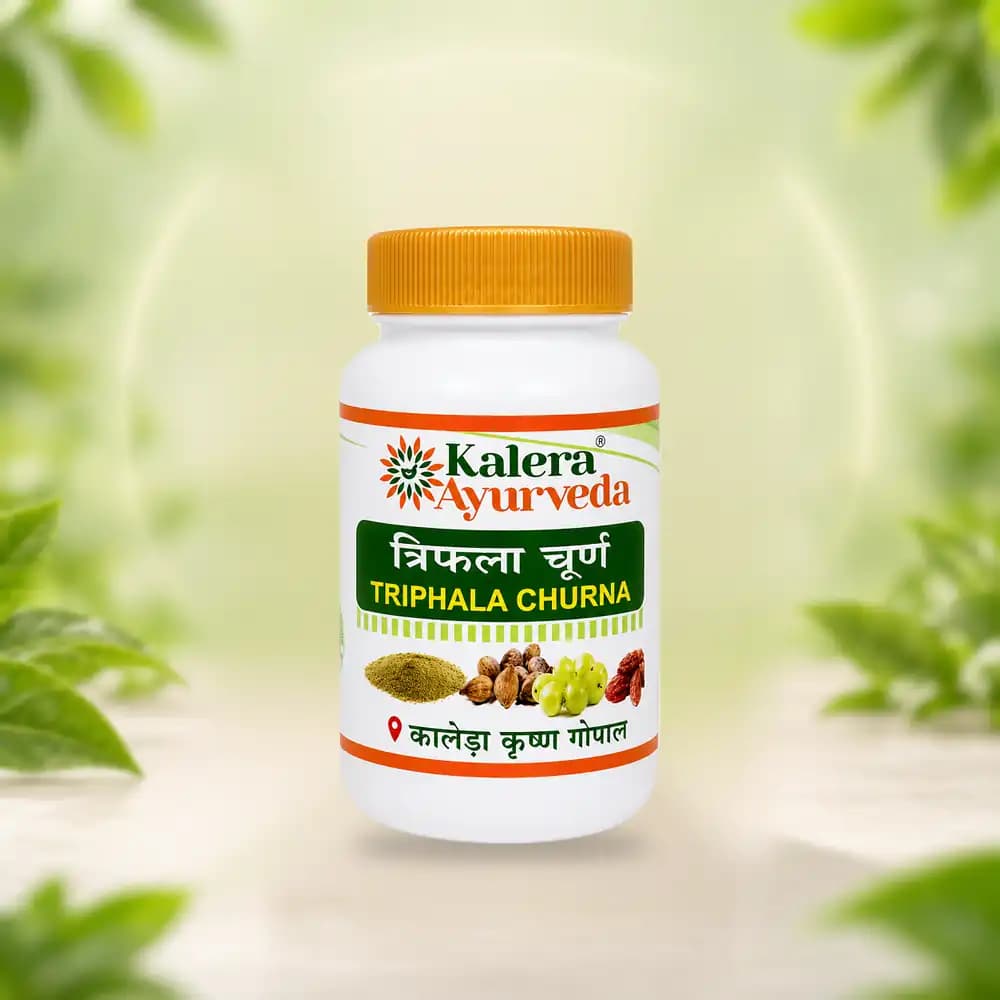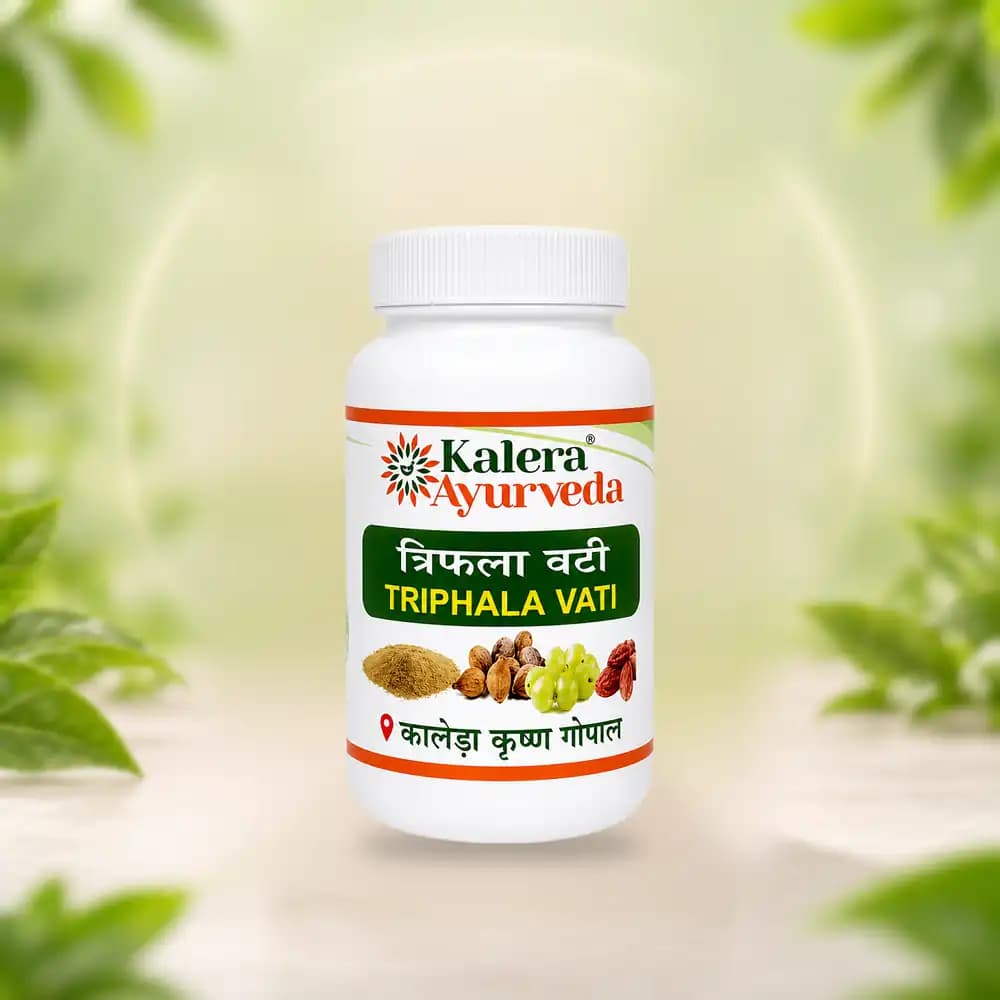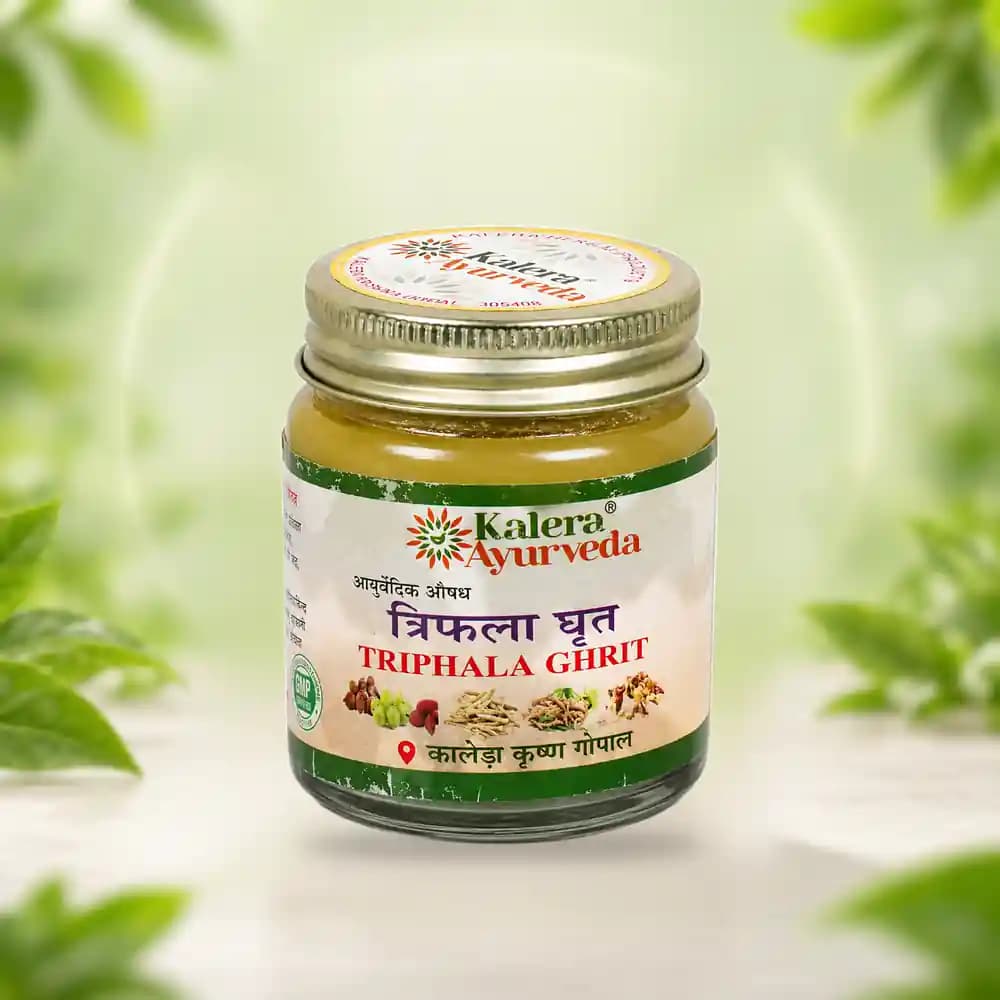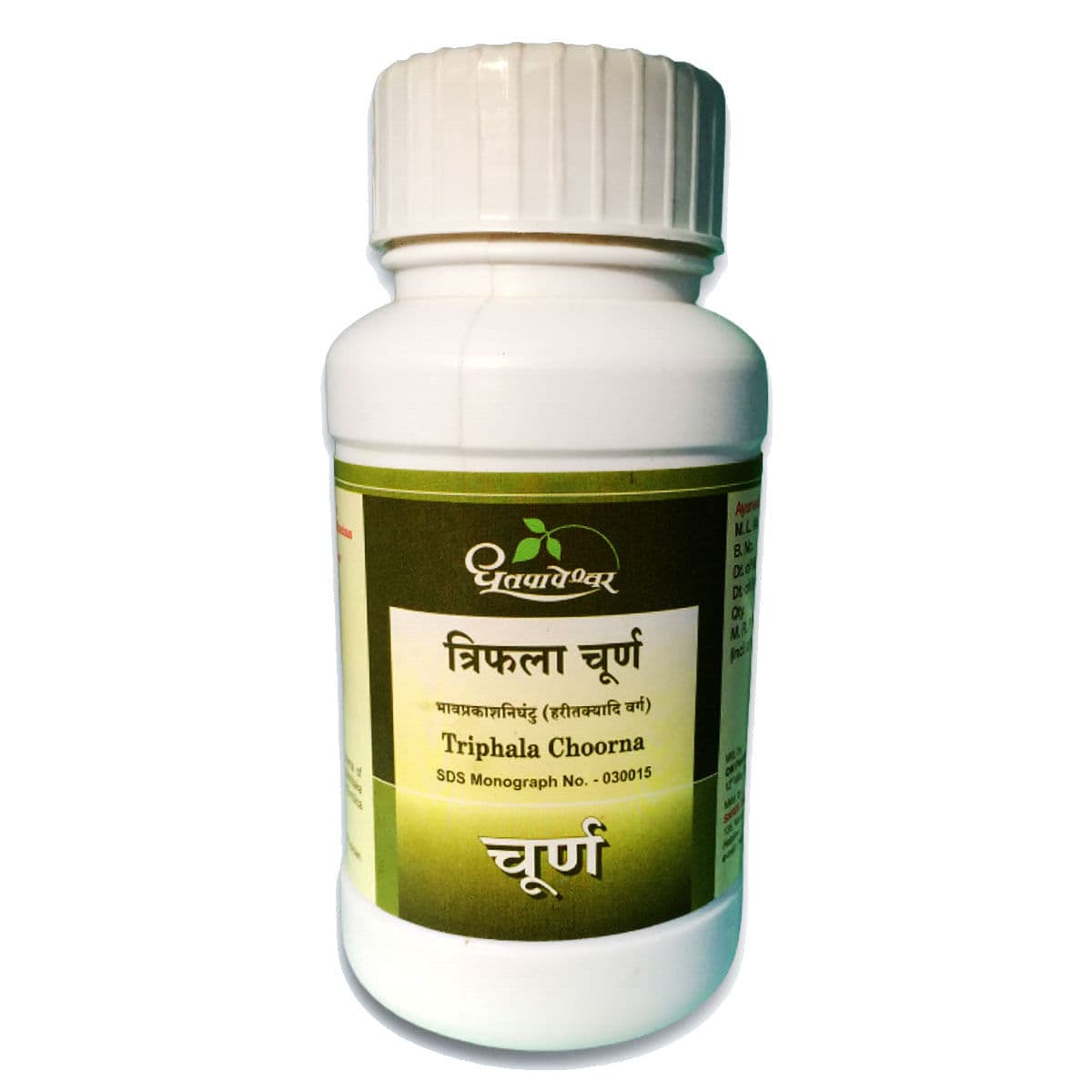
Triphala
Reviewed by medical experts · For informational purposes only
Introductory summary
Triphala is a famous Ayurvedic formulation comprising the fruit pulp of Haritaki, Bibhitaki, and Amalaki. It balances Vata, Pitta, and Kapha doshas and acts as a powerful Rasayana or rejuvenator. Known for its digestive and laxative properties, it effectively treats constipation and stimulates appetite. Therapeutically, it is highly valued for curing eye diseases like cataracts, managing diabetes, and reducing obesity. It also treats skin disorders and purifies the blood. The recommended dosage is 3 to 6 grams, often taken with vehicles like warm water, ghee, or honey to support vision and longevity.
Triphala
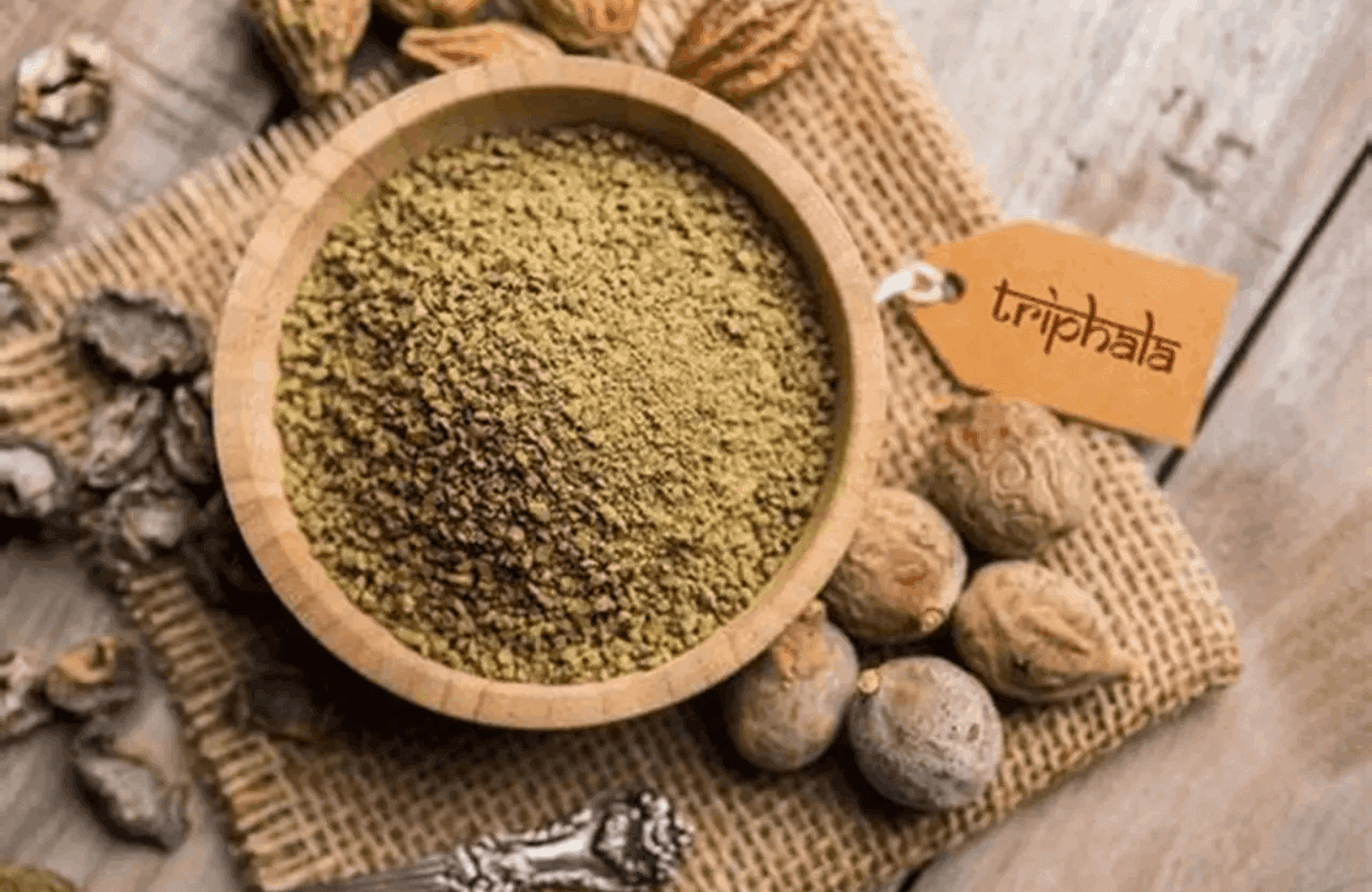
Triphala (Sanskrit: Tri = three, Phala = fruits) is perhaps the most famous and widely used polyherbal formulation in Ayurveda. It is not a single plant but a balanced blend of three specific fruits native to India: Haritaki, Bibhitaki, and Amalaki. In Ayurveda, it is revered as a Tridosha-shamaka (balancer of all three biological energies: Vata, Pitta, and Kapha) and a powerful Rasayana (rejuvenator). It is unique because it cleanses the body (detoxification) while simultaneously strengthening it (nourishment), a dual action rarely found in modern laxatives.
1. Name of the Formulation
- Common Name: Triphala (Three Fruits).
- Sanskrit Name: Triphalā, Varā (The best), Phalatrika.
- Components: A combination of equal parts of the fruit pulp of:
- Haritaki (Terminalia chebula Retz.)
- Bibhitaki (Terminalia belerica Roxb.)
- Amalaki (Emblica officinalis Gaertn.).
2. Brief Description
Triphala is a traditional Ayurvedic herbal formulation consisting of the dried pericarp (fruit rind) of three myrobalans. It is highly valued for its ability to gently cleanse the digestive tract without depleting the body's reserves. In Ayurvedic texts like Charaka Samhita and Sushruta Samhita, it is described as a "scraping" agent (Lekhaniya) that removes toxins (Ama) and fat (Medas), while also acting as a tonic for the eyes (Cakṣuṣya) and hair (Keśya). It is considered safe for long-term use when taken in appropriate dosages.
3. Source / Part Used
- Plant Source: Herbal / Polyherbal formulation.
- Part Used: Fruit Pulp (Pericarp) of Terminalia chebula, Terminalia belerica, and Emblica officinalis (usually in a 1:1:1 ratio).
4. Ayurvedic Properties
According to the Ayurvedic Pharmacopoeia of India and Dravyaguna Vijnana:
- Rasa (Taste): Contains five tastes (Madhura-Sweet, Amla-Sour, Tikta-Bitter, Kaṭu-Pungent, Kaṣāya-Astringent). It lacks only Lavana (Salty).
- Guna (Qualities): Laghu (Light) and Rūkṣa (Dry).
- Virya (Potency): Anuṣṇa (Not very hot/Temperate). While individually Haritaki is heating and Amalaki is cooling, the combination is balanced.
- Vipaka (Post-digestive effect): Madhura (Sweet).
- Dosha Effect: Tridoshahara (Balances Vata, Pitta, and Kapha).
5. Key Benefits
- Improves Digestion: Acts as Dipana (appetizer) and Pacana (digestive).
- Relieves Constipation: Acts as a gentle Sara (laxative/mobility promoter) that cleanses the colon.
- Promotes Eye Health: Famous as Cakṣuṣya, helping to prevent eye diseases like cataract and conjunctivitis.
- Supports Weight Management: Acts as Medohara, helping to scrape away excess fat and treat obesity.
- Skin Health: Useful in treating Kustha (skin diseases) and healing wounds (Vrana).
- Rejuvenation: Acts as a Rasayana (anti-aging tonic), preventing premature greying and wrinkling.
6. Uses / Indications
Triphala is indicated in Ayurveda for a wide range of conditions:
- Digestive Disorders: Vibandha (Constipation), Agnimandya (Dyspepsia/Low digestion), Anaha (Bloating), and Udararoga (Abdominal diseases).
- Metabolic Disorders: Prameha (Diabetes/Urinary disorders) and Sthaulya (Obesity).
- Eye Disorders: Timira (Early cataracts/Vision loss), Netraroga (General eye diseases).
- Intermittent Fevers: Visamajvara (Chronic/Intermittent fevers).
- Skin & Hair: Palitya (Greying of hair), Kandu (Itching), and Vrana (Non-healing ulcers).
7. How It Works
- Gentle Detoxification: Unlike harsh purgatives that irritate the bowel, Triphala tones the intestinal muscles and improves peristalsis (movement) due to the Anulomana property of Haritaki.
- Antioxidant & Rejuvenative: The presence of Amalaki (rich in Vitamin C) makes it a potent antioxidant (Rasayana), protecting cells from damage and nourishing tissues.
- Scraping Action: Its astringent (Kasaya) and dry (Ruksa) qualities help "scrape" (Lekhana) excess fat and mucus (Kapha) from the body channels, aiding in cholesterol and weight management.
- Blood Purification: It clears toxins from the blood (Raktashodhaka), helping to manage skin infections.
8. Dosage
(General guidance based on Ayurvedic Pharmacopoeia of India):
- Powder (Churna): 3 to 6 grams.
- Decoction (Kvatha): 20 to 30 grams of coarse powder boiled in water.
- For Eye Wash: A dilute, filtered decoction is used to wash eyes.
- Anupana (Vehicle): Warm water, Ghee, or Honey.
9. Safety Information
Triphala is generally considered safe for long-term use in adults when taken in recommended doses. It is unique in that it purifies the body without depleting its strength (Balya). However, prolonged use in very high doses without professional advice may cause dryness.
10. Side Effects
- Loose Stools: High doses may cause loose motions or diarrhea due to its laxative action.
- Dryness: Excessive intake over long periods may increase dryness in the body (Vata aggravation) if not taken with unctuous substances like ghee.
- Gastric Upset: Rare cases of gas or abdominal gurgling in sensitive individuals.
11. Precautions
- Pregnancy: Though widely used, pregnant women should consult an Ayurvedic physician before taking any laxative or downward-moving (Anulomana) herbs.
- Diarrhea: Should not be used during acute diarrhea or dysentery.
- Severe Weight Loss: Individuals who are already very emaciated or suffering from Vata imbalance (excess dryness/fear) should use it cautiously, preferably with ghee.
12. Storage Instructions
- Store the powder in an air-tight container to prevent it from absorbing moisture and clumping.
- Keep in a cool, dry place away from direct sunlight.
13. References
-
Ayurvedic Pharmacopoeia of India (API) – Triphala Churna
https://pcimh.gov.in
-
WHO Monographs on Selected Medicinal Plants
https://apps.who.int/iris/handle/10665/42052
-
WHO Global Report on Traditional and Complementary Medicine
https://www.who.int/publications/i/item/9789241515436
-
PubMed – Triphala Research Articles
https://pubmed.ncbi.nlm.nih.gov/?term=Triphala
-
ScienceDirect – Triphala Phytochemistry & Pharmacology
https://www.sciencedirect.com/topics/pharmacology-toxicology-and-pharmaceutical-science/triphala
-
SpringerLink – Clinical Studies on Triphala
https://link.springer.com
-
Wiley Online Library – Triphala Research
https://onlinelibrary.wiley.
14. FAQs
** **Q. Can it be taken daily?
Yes, in appropriate doses, Triphala is traditionally used as a daily Rasayana (tonic) to maintain digestive health and eyesight.
Q. When should it be taken?
For laxative/cleansing purposes, it is best taken at night before bed with warm water. For rejuvenation or eye health, it is often taken in the morning with honey or ghee.
Q. Can it be taken with milk/water?
Yes. Warm water is the most common vehicle for digestion and cleansing. It can also be taken with ghee and honey (in unequal quantities) for general strengthening and eye health.
Consult a Doctor
- MS4.2Midun s kumar
Ayurveda4 yrs exp
- SP4.5Dr Sreelekha P Nair
Ayurveda6 yrs exp
- VR4.2Vaidya Rohit Kumar
Ayurveda3 yrs exp
- V4.1Vairamuthu
Ayurveda8 yrs exp