Tulsi
Reviewed by medical experts · For informational purposes only
Introductory summary
Tulsi scientifically known as Ocimum sanctum is a revered medicinal plant in Ayurveda often referred to as Surasa. It possesses Pungent and Bitter tastes with Light Dry and Sharp qualities which allow it to effectively pacify Kapha and Vata doshas. It is highly valued for its potent antimicrobial and anti-toxic properties known as Krimighna and Vishaghna making it effective against worms and poisons. Therapeutically it is a premier remedy for respiratory disorders including cough asthma and rhinitis while also serving as a powerful febrifuge for various fevers. The fresh leaf juice is frequently used as a medium for processing herbo-mineral formulations like Tribhuvanakirti Rasa to enhance their efficacy in treating acute infections and digestion.
Tulsi
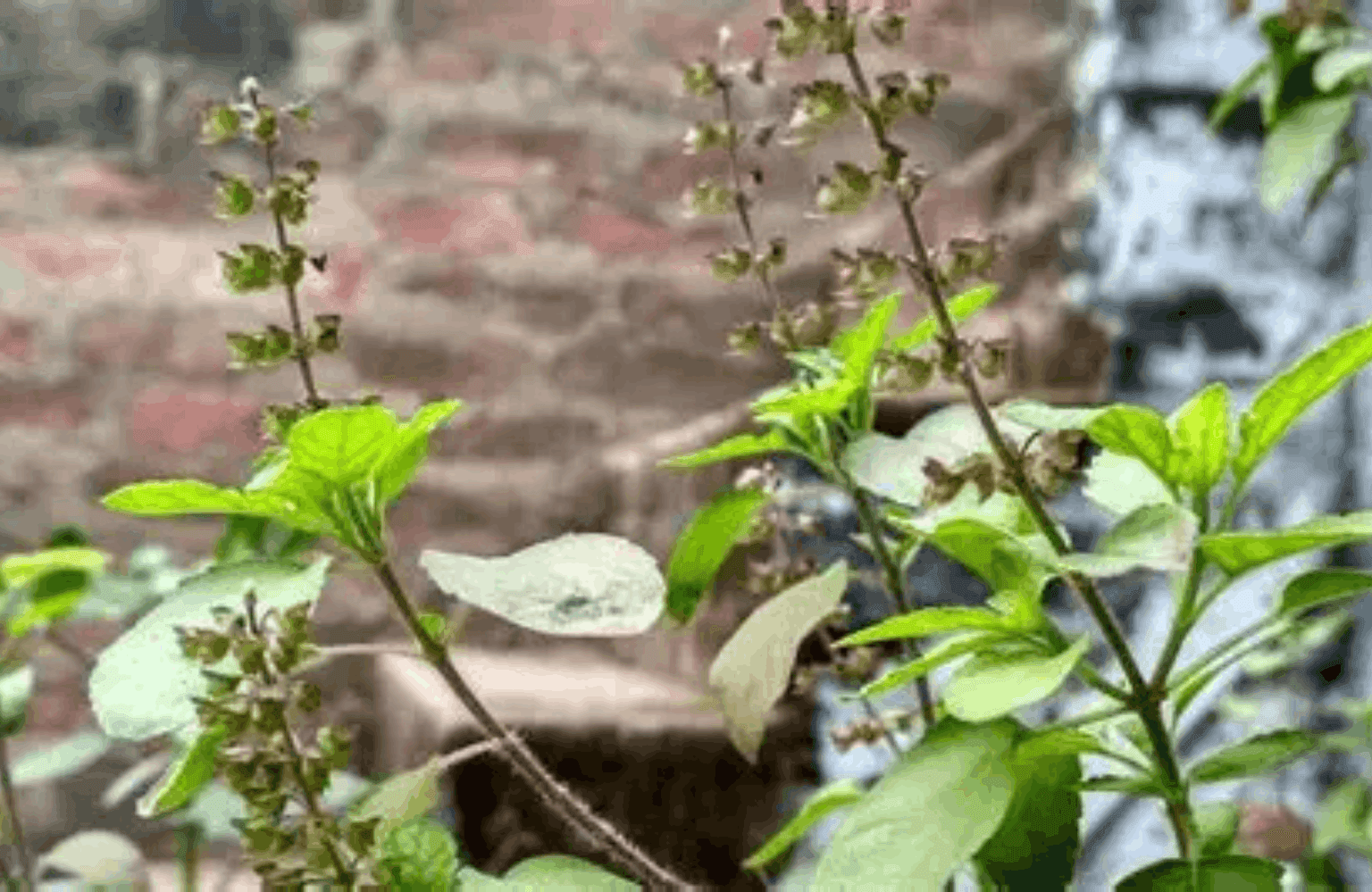
Tulsi, scientifically known as Ocimum sanctum, is one of the most sacred and widely used medicinal plants in India. In Ayurveda, it is revered as "The Incomparable One" and is classified as Surasa. It is a potent Kapha-Vata shamaka (pacifier of Kapha and Vata doshas) known for its ability to treat respiratory diseases, fevers, and poisons. It acts as a powerful antimicrobial (Krimighna) and is considered a tonic for the heart (Hridya).
1. Name of the Herb
- Common Name: Holy Basil, Sacred Basil.
- Scientific Name: Ocimum sanctum Linn. (Family: Lamiaceae).
- Sanskrit Names: Tulasī, Surasā, Surasah, Bhūtaghnī (destroyer of evil spirits/microbes), Apetarākṣasī, Bahu-manjarī, Gaurī, Devadundubhi.
- Regional Names: Tulsi (Hindi/Bengali/Gujarati/Marathi), Tulasi (Kannada/Tamil/Telgu).
2. Brief Description
Tulsi is an erect, much-branched, aromatic undershrub found throughout India. It grows up to 30–60 cm high and is often cultivated in homes and temples. There are two primary varieties mentioned in Ayurveda: Krishna Tulsi (black/purple leaves) and Shukla Tulsi (green/white leaves). It possesses a distinct aromatic odour and a pungent taste. It is highly valued for promoting digestion, clearing the respiratory tract, and countering poisons.
3. Source / Part Used
- Plant Source: Herbal / Plant-based.
- Part Used:
- Leaf (Patra).
- Root (Mula).
- Seed (Bija).
- Whole Plant (Panchanga).
4. Ayurvedic Properties
According to the Ayurvedic Pharmacopoeia of India:
- Rasa (Taste): Kaṭu (Pungent) and Tikta (Bitter).
- Guna (Qualities): Laghu (Light), Rūkṣa (Dry), and Tīkṣṇa (Sharp/Penetrating).
- Virya (Potency): Uṣṇa (Hot).
- Vipaka (Post-digestive effect): Kaṭu (Pungent).
- Dosha Effect: Kapha-Vata hara (Pacifies Kapha and Vata doshas). Due to its heating potency, it can aggravate Pitta if used in excess.
5. Key Benefits
- Respiratory Support: Effective in treating Kasa (Cough), Svasa (Asthma/Dyspnoea), and Hikka (Hiccup).
- Relieves Pain: Useful in Parshva shula (Pain in the flanks/sides of the chest).
- Anti-microbial: Acts as Krimighna (Anthelmintic/Anti-microbial), destroying worms and infections.
- Anti-toxic: Classified as Vishaghna (Anti-poison), useful in treating insect bites and accumulated toxins.
- Skin Health: Treating Kushtha (Skin diseases) and Kandu (Itching).
- Digestive: Acts as Dipana (Appetizer) and Rucya (Improves taste).
6. Uses / Indications
Tulsi is indicated in Ayurveda for the following conditions:
- Respiratory Disorders: Svasa (Asthma), Kasa (Cough), Pratishyaya (Rhinitis/Common Cold), and Hikka (Hiccup).
- Fevers: Vishama Jvara (Intermittent fever) and general fevers.
- Digestive Issues: Aruci (Anorexia/Tastelessness), Agnimandya (Low digestive fire), and Chardi (Vomiting).
- Pain: Parshva shula (Pain in the ribs/flanks), Shiro-arti (Headache), and Karna shula (Earache).
- Skin & Blood: Kushtha (Skin diseases) and Raktavikara (Blood disorders).
- Poison: Kritrima Visha (Artificial poison) and insect bites.
7. How It Works
- Decongestant Action: Its Uṣṇa (Hot) and Tīkṣṇa (Sharp) qualities help liquefy and dry up thick mucus (Kapha) in the lungs and throat, relieving congestion and asthma.
- Carminative: It stimulates the digestive fire (Dipana) and helps break down toxins (Ama) due to its pungent taste (Katu).
- Diaphoretic: It opens the channels (Srotas) and induces sweating, which helps lower fever (Jvaraghna).
- Anti-microbial: It possesses strong volatile oils that kill microbes and intestinal worms (Krimighna).
8. Dosage
(General guidance based on Ayurvedic Pharmacopoeia of India):
- Leaf Juice (Svarasa): 10 to 20 ml.
- Powder (Churna): 1 to 3 grams.
- Decoction: 50 to 100 ml (often prepared fresh).
9. Safety Information
Tulsi is generally considered safe when taken in traditional dietary amounts or therapeutic doses. It is a common household remedy in India.
10. Side Effects
- Burning Sensation: Due to its Uṣṇa (Hot) and Tīkṣṇa (Sharp) nature, excessive intake may cause a burning sensation in the stomach or increase body heat (Pitta).
- Acidity: May aggravate hyperacidity in Pitta-dominant individuals if taken on an empty stomach without a vehicle like milk.
11. Precautions
- Pitta Prakriti: Individuals with high body heat or acid peptic disorders should use it cautiously.
- Pregnancy: While culinary use is safe, high medicinal doses should be used with caution due to its hot potency.
12. Storage Instructions
- Store dried leaves or powder in a cool, dry place.
- Keep in an air-tight container to preserve the volatile oils and aroma.
13. References
-
Ayurvedic Pharmacopoeia of India (API) – Tulasi monograph
https://pcimh.gov.in
-
WHO Monographs on Selected Medicinal Plants
https://apps.who.int/iris/handle/10665/42052
-
WHO Global Report on Traditional and Complementary Medicine
https://www.who.int/publications/i/item/9789241515436
-
PubMed – Tulsi / Ocimum sanctum Research
https://pubmed.ncbi.nlm.nih.gov/?term=Ocimum+sanctum
-
ScienceDirect – Holy Basil Pharmacology
https://www.sciencedirect.com/topics/pharmacology-toxicology-and-pharmaceutical-science/ocimum-sanctum
-
SpringerLink – Tulsi clinical studies
https://link.springer.com
-
Wiley Online Library – Ocimum research
https://onlinelibrary.wiley.com
-
Google Scholar – Tulsi medicinal properties
https://scholar.google.com
14. FAQs
** **Q. Can it be taken daily?
Yes, fresh leaves (1-2) are often consumed daily for immunity.
Q. When should it be taken?
It is often taken in the morning or when symptoms of cold, cough, or indigestion appear.
Q. Can it be taken with milk/water?
Yes. Fresh juice is often taken with honey or warm water. It can also be boiled in water to make a tea. Milk is sometimes used as a vehicle to reduce its heating effect.
Consult a Doctor
- MS4.2Midun s kumar
Ayurveda4 yrs exp
- SP4.5Dr Sreelekha P Nair
Ayurveda6 yrs exp
- VR4.2Vaidya Rohit Kumar
Ayurveda3 yrs exp
- V4.1Vairamuthu
Ayurveda8 yrs exp
Buy Medicine
 Prescribed to you4.4₹15 cashback
Tulasi Tab (Dhootapapeshwar) SDL
SDLDigestion and immunity support
Strip of 60 Tablets
4.4
₹157Get ₹15 Cashback