Turmeric
Reviewed by medical experts · For informational purposes only
Introductory summary
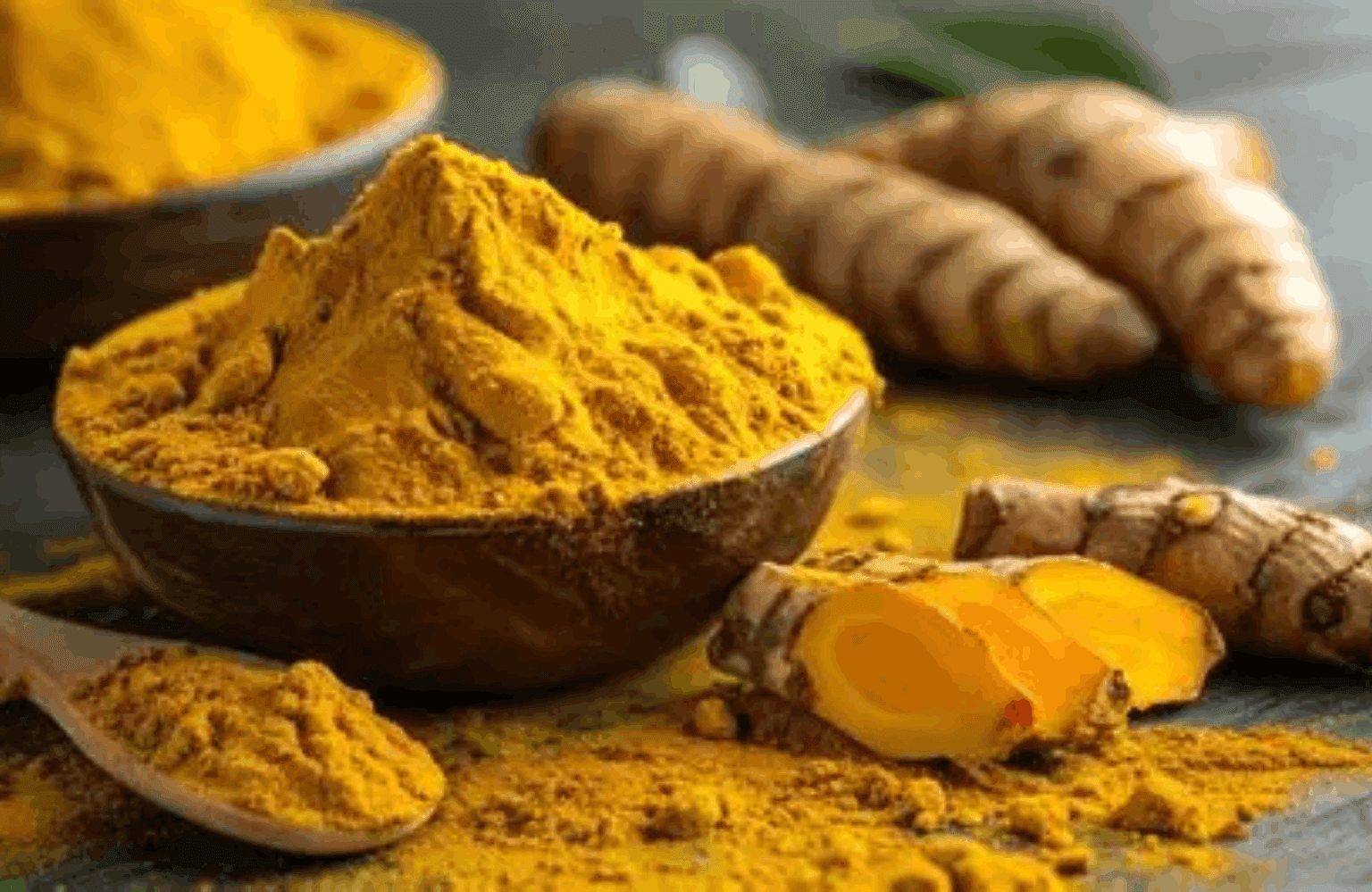
Turmeric known as Haridra or Curcuma longa is a vital Ayurvedic herb with Pungent and Bitter tastes. It possesses Dry and Light qualities with a Hot potency allowing it to pacify Kapha and Vata doshas effectively. It is highly revered as a Varnya herb for improving complexion and a Kushthaghna agent for treating skin disorders like urticaria and itching. Therapeutically it is a premier remedy for Prameha or urinary disorders and diabetes reducing mucus and toxins. It acts as a powerful anti-toxic and wound cleanser known as Vishaghna and Vranashodhana. It is the main ingredient in the formulation Haridrakhanda used for allergies. The recommended dosage of the rhizome powder is 1 to 3 grams for blood purification and immunity.
Turmeric
Turmeric, scientifically known as Curcuma longa, is a rhizomatous herb that is a staple in Indian medicine and cuisine. In Ayurveda, it is known as Haridra and is revered not just as a spice but as a powerful Vishaghna (anti-toxic) and Kushthaghna (remedy for skin diseases) agent. It is extensively used to purify the blood, improve complexion, and manage diabetes (Prameha). It is often combined with Amalaki (Indian Gooseberry) to treat high blood sugar, a combination known as Nishamalaki.
1. Name of the Herb
- Common Name: Turmeric.
- Scientific Name: Curcuma longa Linn. (Family: Zingiberaceae).
- Sanskrit Names: Haridrā, Rajanī, Niśā, Niśī, Rātri, Kṣaṇadā, Doṣā.
- Regional Names: Haldi (Hindi), Manjal (Tamil/Malayalam), Pasupu (Telugu), Arishina (Kannada), Halad (Marathi).
2. Brief Description
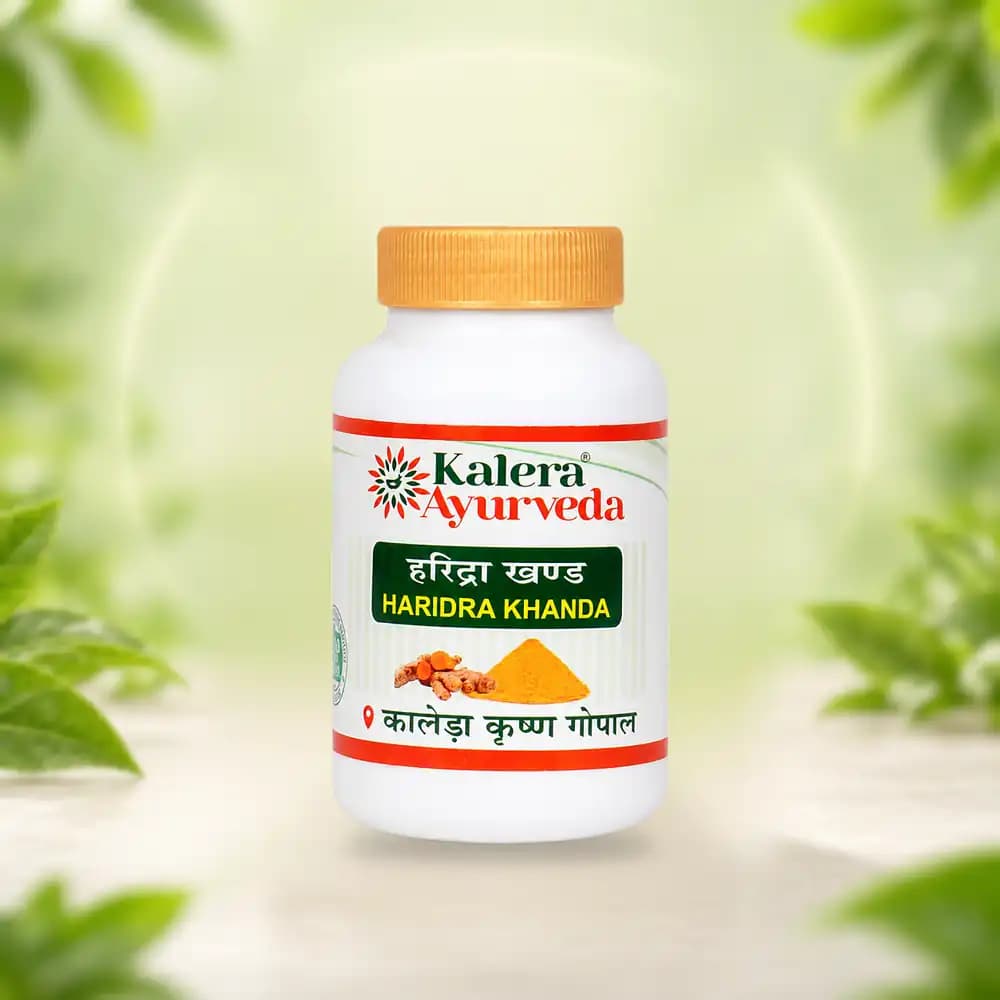
Turmeric is a perennial herb with a short stem and tufted leaves. The medicinal part is the rhizome (underground stem), which is ovate, oblong, or pyriform (round turmeric) or cylindrical (long turmeric). Externally it is yellowish-brown, and the fractured surface is orange to reddish-brown. In Ayurveda, it is highly valued for its ability to improve skin health (Varnya) and scrape away toxins (Lekhana). It is a key ingredient in formulations like Haridra Khanda used for allergies.
3. Source / Part Used
- Plant Source: Herbal / Plant-based.
- Part Used: Rhizome (Kanda / Mūla - dried and cured).
4. Ayurvedic Properties
According to the Ayurvedic Pharmacopoeia of India:
- Rasa (Taste): Kaṭu (Pungent) and Tikta (Bitter).
- Guna (Qualities): Rūkṣa (Dry) and Laghu (Light).
- Virya (Potency): Uṣṇa (Hot).
- Vipaka (Post-digestive effect): Kaṭu (Pungent).
- Dosha Effect: Kapha-Vata jit (Pacifies Kapha and Vata doshas). Due to its bitter taste and specific action, it also purifies Pitta (blood and skin) despite its heating energy.
5. Key Benefits
- Skin Health: Acts as Kushthaghna (treats skin diseases) and Varnya (enhances complexion).
- Anti-Allergic: Highly effective in Sitapitta (Urticaria) and Kandu (Itching).
- Diabetes Management: A premier herb for Prameha (Urinary disorders/Diabetes), often used to reduce turbidity in urine.
- Wound Healing: Acts as Vranaropana (healer of wounds/ulcers) and Vranashodhana (cleanser of wounds).
- Detoxification: Classified as Vishaghna (Anti-poison/Anti-toxic).
- Anti-Parasitic: Acts as Krimighna (kills worms/microbes).
6. Uses / Indications
Turmeric is indicated in Ayurveda for the following conditions:
- Skin Disorders: Kushtha (Leprosy/Skin diseases), Kandu (Itching), Visarpa (Erysipelas), and Sitapitta (Urticaria).
- Metabolic: Prameha (Diabetes) and Pandu (Anemia).
- Respiratory: Pinasa (Chronic rhinitis), Kasa (Cough), and Svasa (Asthma).
- General: Vrana (Ulcers/Wounds), Kamala (Jaundice), and Aruci (Tastelessness).
- Toxic Conditions: Visha (Poisoning/Toxicity).
7. How It Works
- Blood Purification: The Tikta (Bitter) taste and Ruksha (Dry) quality help dry up excess fluids and toxins (Ama) in the blood and skin, making it effective for acne and infections.
- Anti-Diabetic Action: It helps clear the channels (Srotas) and reduce the heaviness and sliminess associated with Kapha-type diabetes (Prameha).
- Anti-Inflammatory: Its Ushna (Hot) potency reduces inflammation (Shotha) and pain.
- Immunity: It acts as a Rasayana (rejuvenator) for the skin and respiratory system.
8. Dosage
(General guidance based on Ayurvedic Pharmacopoeia of India):
- Powder (Churna): 1 to 3 grams.
- Formulations: Haridrakhanda (Granules): 6 g; Haridradi Ghrita: 12 g.
9. Safety Information
Turmeric is considered safe for long-term use in dietary amounts. Medicinal doses are also well-tolerated. It is widely used as a household remedy in India for cuts and colds.
10. Side Effects
- Heat: Excessive intake may increase body heat (Pitta) in sensitive individuals, potentially causing heartburn or dryness.
- Dryness: Due to its Ruksha (Dry) quality, it should be taken with a vehicle like milk or ghee if used for long periods.
11. Precautions
- Jaundice: While indicated for Kamala (Jaundice) in texts, it should be used under supervision in acute liver conditions.
- Pregnancy: Safe in culinary amounts; consult a physician for therapeutic doses.
12. Storage Instructions
- Store the dried rhizome or powder in a cool, dry place.
- Keep in an air-tight container to protect from moisture and insects.
13. References
-
Ayurvedic Pharmacopoeia of India (API) – Curcuma longa Monograph
https://pcimh.gov.in
-
WHO Monographs on Selected Medicinal Plants
https://apps.who.int/iris/handle/10665/42052
-
WHO Global Report on Traditional and Complementary Medicine
https://www.who.int/publications/i/item/9789241515436
-
FAO Ecocrop Database – Curcuma longa
https://ecocrop.fao.org
-
USDA Plants Database – Curcuma longa
https://plants.sc.egov.usda.gov14. FAQs
** **Q. Can it be taken daily?
Yes, it is commonly taken daily in food. As a supplement (e.g., with warm water or milk), it supports immunity and skin health.
Q. When should it be taken?
It can be taken morning or evening. For throat and respiratory issues, it is often taken with warm milk at night.
Q. Can it be taken with milk/water?
Yes. Milk is a classic vehicle to counteract its drying and heating nature, creating "Golden Milk." It can also be taken with warm water or honey (especially for Kapha/weight issues).
Consult a Doctor
- KH4.4Dr Kowshalya H S
Ayurveda3 yrs exp
- NG5.0Dr Nandini gaur
Ayurveda1 yrs exp
- VS4.4Vaidya Shubham mangal
Ayurveda2 yrs exp
- MS4.2Midun s kumar
Ayurveda4 yrs exp
Buy Medicine
 Prescribed to you4.5₹11 cashback
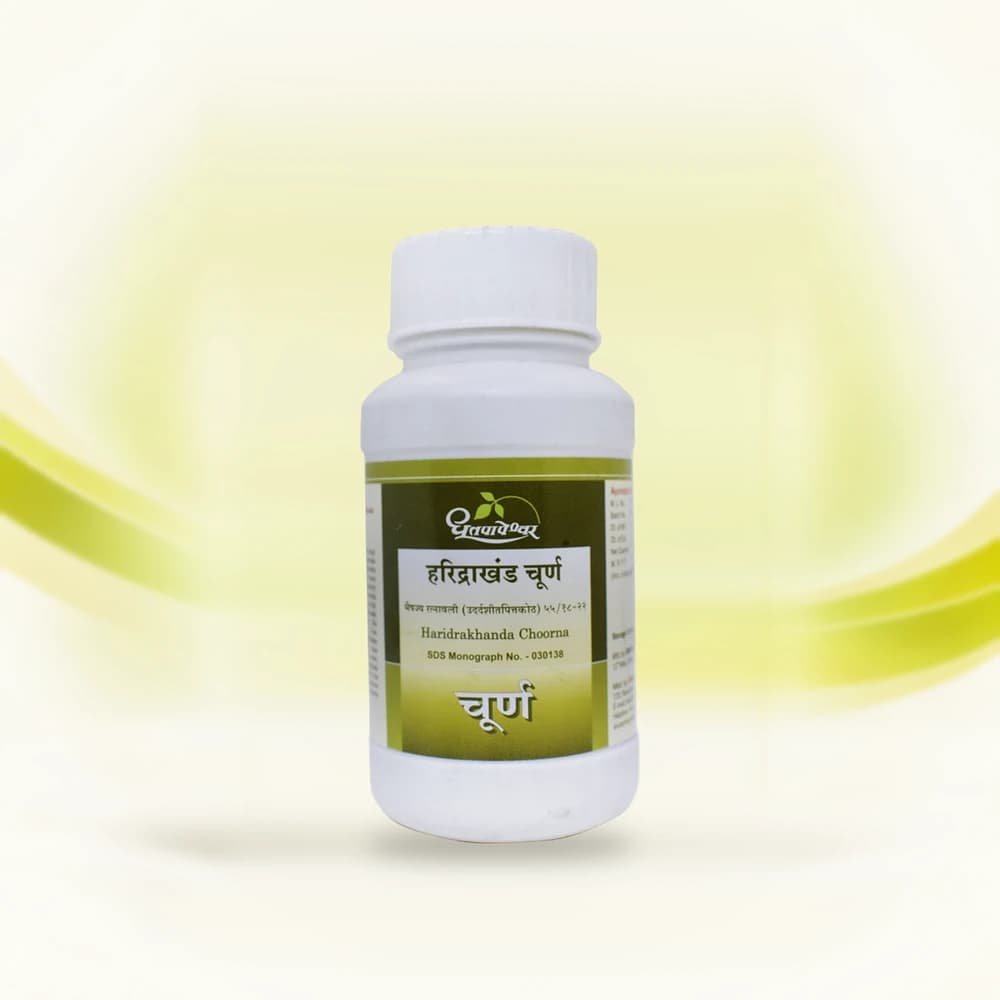
Haridrakhanda Choorna (Dhootapapeshwar) SDL
SDLSupports skin comfort
Container of 60 g
4.5
₹119Get ₹11 Cashback
 Prescribed to you4.4₹19 cashback
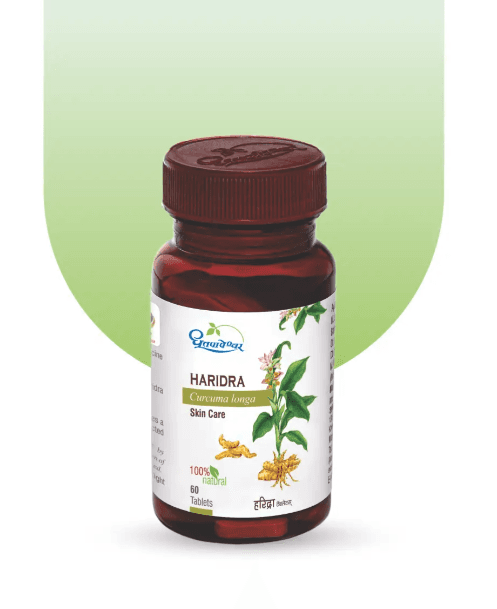
Haridra Tab (Dhootapapeshwar)SDLSkin and respiratory support
Strip of 60 Tablets
4.4
₹190Get ₹19 Cashback
 Prescribed to you4.3₹6 cashback
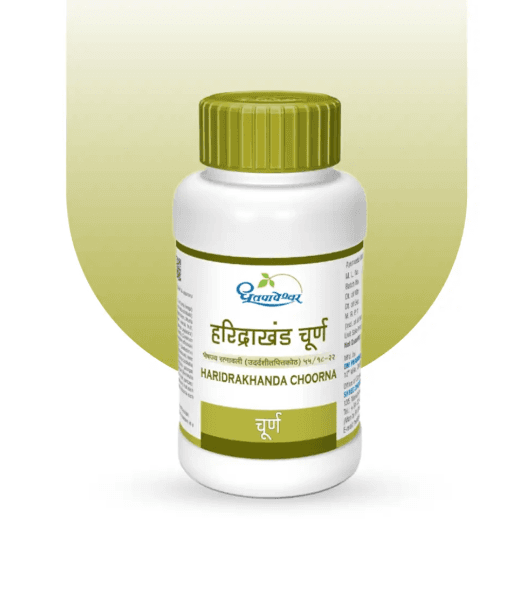
Haridrakhanda Choorna Vati (Dhootapapeshwar)SDLSupports skin comfort
Strip of 60 Tablets
4.3
₹69Get ₹6 Cashback