Urad Dal Benefits and Uses
Reviewed by medical experts · For informational purposes only
Introductory summary
Urad Dal known as Masha or Phaseolus mungo in Ayurveda is a strengthening legume valued for its unctuous and heavy qualities. It possesses a Sweet taste and Hot potency making it the premier food for pacifying Vata dosha though it aggravates Kapha and Pitta. It acts as a powerful aphrodisiac and nutritive tonic increasing muscle bulk and reproductive fluids. Therapeutically it is crucial for treating neuromuscular disorders like paralysis and facial palsy often used in medicated oils like Mahamasha Taila. In Panchakarma its flour creates the dough dams used to retain oil in procedures like Kati Vasti. Due to its heaviness it is contraindicated in skin diseases and for daily intake.
Urad Dal
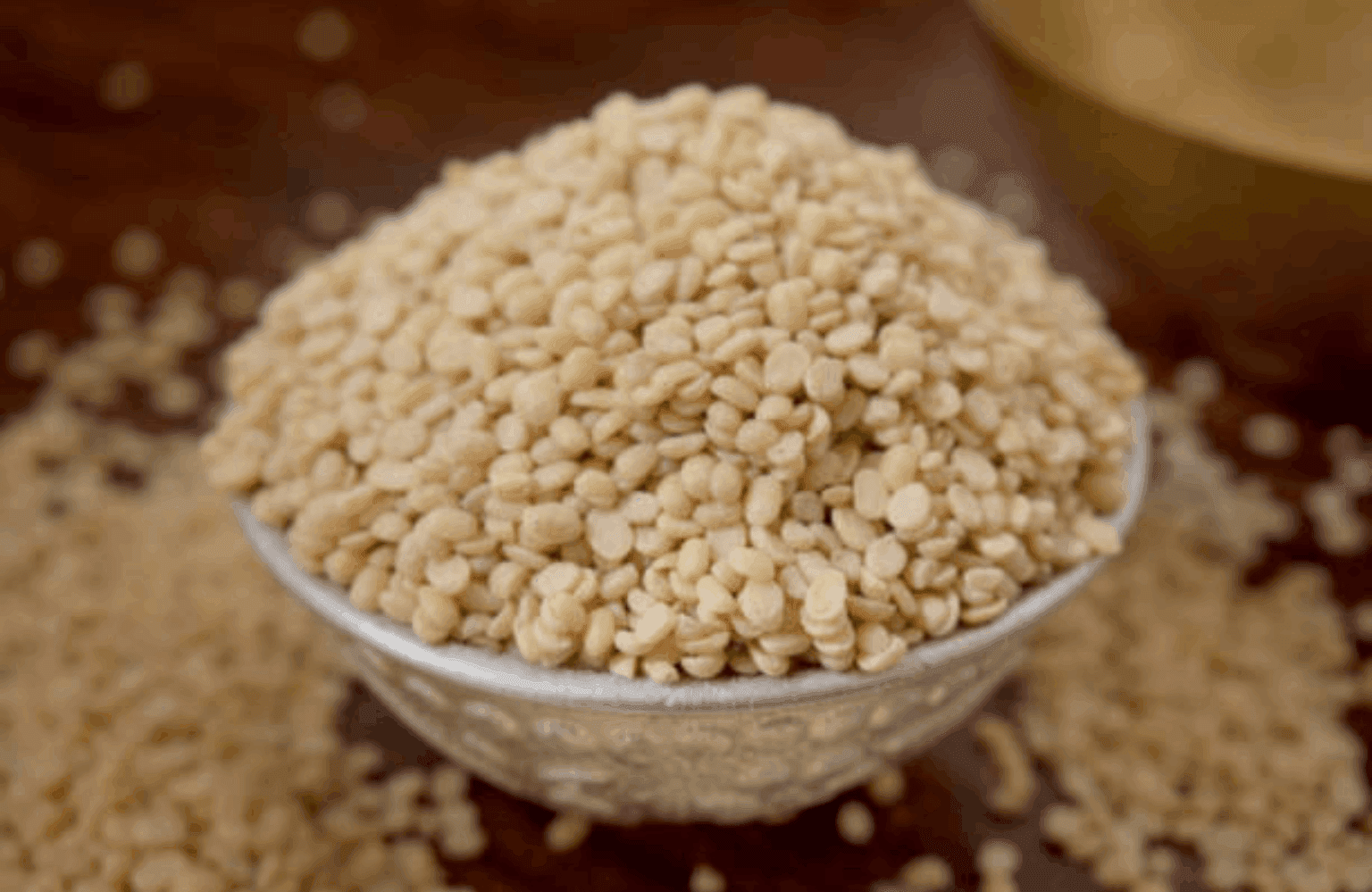
Urad Dal, known in Ayurveda as Masha or Black Gram, is one of the most nutritious and strengthening pulses used in Indian medicine. Unlike Green Gram (Mudga), which is light and easy to digest, Urad Dal is revered for its heaviness, unctuousness, and powerful ability to pacify the Vata dosha (air/ether element). It is considered the premier food for increasing physical strength and sexual potency.
1. Name of the Herb
- Common Name: Urad Dal, Black Gram.
- Scientific Name: Phaseolus mungo L. / Vigna mungo (L.) Hepper.
- Sanskrit Name: Māṣa.
- Other Names: Urad (Hindi), Black lentil.
2. Brief Description
Urad Dal is a leguminous crop widely cultivated in India. In Ayurveda, it is classified as a "Sukha-dhanya" (grain/pulse) but possesses properties distinct from most other legumes. While most pulses are cooling and light, Masha is hot, heavy, and unctuous. It is highly valued as a Vrishya (aphrodisiac) and Balya (strength promoter), making it a key dietary item for those seeking to build muscle mass and vitality.
3. Source / Part Used
- Plant Source: Herbal / Plant-based (Legume).
- Part Used: Seed (Sd.).
- Other Forms: The flour (Black gram powder) is extensively used in Panchakarma procedures to create dough dams for retention therapies like Kati Vasti.
4. Ayurvedic Properties
According to Charaka Samhita:
- Rasa (Taste): Madhura (Sweet).
- Guna (Qualities): Snigdha (Unctuous/Oily) and Guru (Heavy).
- Virya (Potency): Uṣṇa (Hot).
- Vipaka (Post-digestive effect): Madhura (Sweet) (Implied by its anabolic nature).
- Dosha Effect: Vata-Shamaka (Excellent Vata pacifier). It significantly Aggravates Kapha and Pitta.
5. Key Benefits
- Excellent Vata Pacifier: It is considered the best among pulses for alleviating Vata due to its hot and oily nature.
- Powerful Aphrodisiac: Acts as a potent Vrishya, increasing sexual vigor and potency.
- Promotes Strength: Increases physical strength and bulk of the body (Brimhana).
- Supports Elimination: It helps form stools and increases the bulk of feces (Purisha janana), making it useful for those with scant stools.
- Reproductive Health: Beneficial for increasing semen (Shukra) and treating male sexual debility.
6. Uses / Indications
- Neuromuscular Disorders: Used in Vata diseases like paralysis (Pakshaghata), facial palsy (Ardita), and body stiffness.
- Panchakarma Therapies: Black gram powder is used to make the leak-proof dough ring (dam) placed on the body for retaining medicated oils in treatments like:
- Kati Vasti: Oil retention on the lower back.
- Uro Vasti: Oil retention on the chest/heart region.
- Akshi Tarpana: Ghee retention over the eyes.
- Dietary Therapy: Used in preparations like Pancaprasrtiki (a medicated gruel) to unct (oil) the body internally.
- Sexual Debility: Prescribed in aphrodisiac formulations (like Pupalika) combined with ghee, milk, and sugar.
7. How It Works
- Lubrication and Heat: Unlike other dry beans, Urad Dal is Snigdha (oily) and Ushna (hot). These qualities directly counteract the cold, dry, and light qualities of Vata dosha.
- Anabolic Action: It provides dense nutrition that builds tissues (Dhatus), specifically muscle (Mamsa) and reproductive fluid (Shukra).
- Bulking Agent: It adds bulk to the stool, helping to regulate bowel movements in cases of Vata-type constipation where stools are hard and dry.
8. Dosage
(General guidance based on food and formulations):
- Dietary Intake: Consumed as a soup (Yusha) or cooked dal, typically 30–50g dry weight.
- Powder (for external dough): 250g to 500g is mixed with water to form a thick paste for Vasti procedures.
- Medicinal Decoction: 48g to 96g (in specific formulations like Mahamasha taila).
9. Safety Information
- Urad Dal is generally safe but is very hard to digest due to its heavy quality.
- It creates abundant "internal excrement" (feces), which can be beneficial for some but burdensome for others.
10. Side Effects
- Aggravation of Kapha/Pitta: Excess intake can cause weight gain, heat sensation, or mucus buildup.
- Indigestion: Due to its heavy nature, it may cause bloating or indigestion if the digestive fire (Agni) is weak.
11. Precautions
- Kapha-Pitta Constitution: People with high Kapha (obesity, congestion) or Pitta (heat, acidity) should consume it sparingly.
- Skin Diseases: It is generally advised to be avoided or restricted in patients with skin diseases (Kustha) and bleeding disorders (Raktapitta) due to its heating nature.
- Digestion: It should ideally be cooked with spices like ginger, garlic, or hing (asafoetida) to aid digestion.
12. Storage Instructions
- Store dry seeds in a cool, dry place in an air-tight container to prevent insect infestation.
- The flour (for external treatments) should be kept dry to prevent clumping.
13. References
-
Charaka Samhita – Sutra Sthana (Shimbidhanya Varga – Masha description)
https://www.wisdomlib.org/hinduism/book/charaka-samhita
-
Indian Council of Agricultural Research (ICAR) – Pulses Division
https://icar.org.in
-
National Food Security Mission – Pulses
https://nfsm.gov.in14. FAQs
** **Q. Can it be taken daily?
It is not recommended for daily use for everyone, especially those with Kapha constitution or weak digestion, as it is heavy. It is best for Vata types or during winter.
Q. When should it be taken?
It is beneficial when taken in the winter season or when one needs physical strength and nourishment.
Q. Can it be taken with milk/water?
Ayurvedic texts mention preparations where Urad dal is cooked with milk and ghee for aphrodisiac effects. However, general dietary rules often caution against mixing legumes with milk; this specific combination is a therapeutic exception for strength.
Consult a Doctor
- NG5.0Dr Nandini gaur
Ayurveda1 yrs exp
- KC5.0Dr. Kamesh chand sharma
Ayurveda2 yrs exp
- PP4.4Dr prince patel
Ayurveda22 yrs exp
- KH4.4Dr Kowshalya H S
Ayurveda3 yrs exp