Wheatgrass Benefits and Uses
Reviewed by medical experts · For informational purposes only
Introductory summary
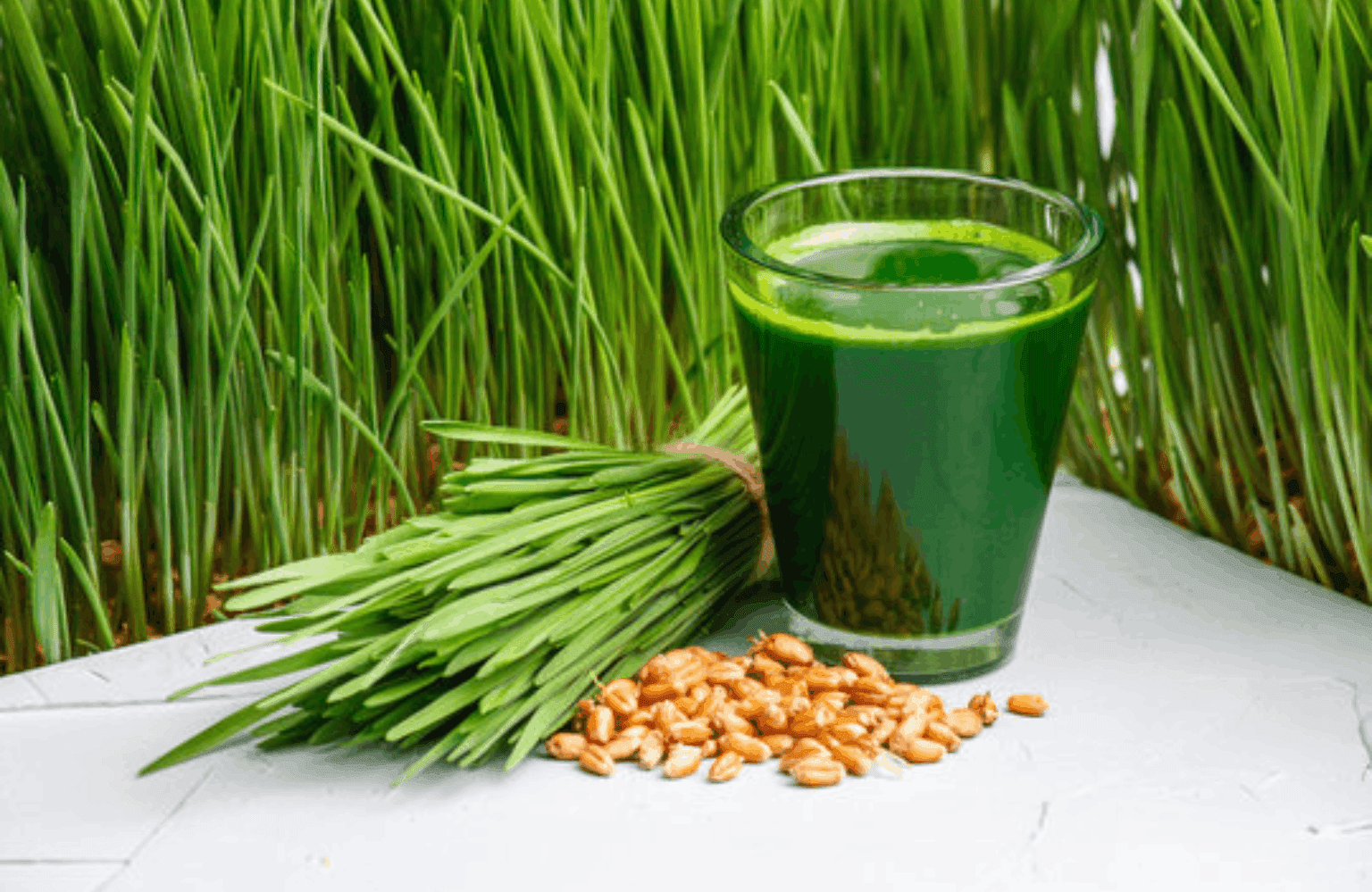
Wheatgrass is derived from the plant Triticum aestivum known in Ayurveda as Godhuma. While classical texts primarily document the properties of the grain, the plant itself is described as having a Sweet taste and Cold potency with Heavy and Unctuous qualities. These attributes allow it to effectively pacify Vata and Pitta doshas. It is classified as a vitalizer and strength promoter known as Jivana and Balya used to enhance physical stability and nourish body tissues. Uniquely it possesses Sandhanakrt properties making it effective for healing fractures and uniting broken tissues. Additionally it acts as a potent aphrodisiac and bulk promoting agent supporting longevity and reproductive health though it may aggravate Kapha if consumed in excess.
Wheat
Wheat, known in Ayurveda as Godhuma, is a staple cereal grain valued not just for nutrition but for its vitalizing and strengthening medicinal properties. In Ayurvedic science, it is classified under Sukha-dhanya (awned grains) and is considered one of the best strengthening foods. It is revered for its ability to unite broken tissues (Sandhana-krt), promote bulk in emaciated persons (Brimhana), and act as a potent aphrodisiac (Vrishya).
1. Name of the Herb
- Common Name: Wheat.
- Scientific Name: Triticum aestivum Linn.
- Sanskrit Name: Godhūma, Sumanā.
- Varieties: Ancient texts mention varieties like Nandimukhī and Madhūlī.
2. Brief Description
Godhuma is a nutritious grain that is sweet, cooling, and heavy to digest. In Ayurveda, it is described as a Jivana (vitalizer) and Balya (strength promoter). Unlike some other grains that may be drying, Wheat is Snigdha (unctuous/oily) and Sthairya-krt (stabilizer of the body). It is extensively used in dietary therapy for those seeking to gain weight, improve sexual potency, or heal fractures.
3. Source / Part Used
- Plant Source: Plant-based (Cereal/Grain).
- Part Used: Fruit/Seed (Grain). (Note: Ancient texts focus on the grain; modern "wheatgrass" utilizes the young blades, but the grain is the primary Ayurvedic source).
4. Ayurvedic Properties
According to Charaka Samhita:
- Rasa (Taste): Madhura (Sweet).
- Guna (Qualities): Guru (Heavy) and Snigdha (Unctuous/Oily).
- Virya (Potency): Śīta (Cold).
- Vipaka (Post-digestive effect): Madhura (Sweet).
- Dosha Effect: Vata-Pitta Shamaka (Pacifies Vata and Pitta). Due to its heavy and sweet nature, it can aggravate Kapha if taken in excess.
5. Key Benefits
- Promotes Strength: Acts as a Balya agent, providing physical strength and stability (Sthairya).
- Heals Fractures: Described as Sandhana-krt, meaning it helps in the union of broken bones and tissues.
- Aphrodisiac: Acts as Vrishya, enhancing sexual potency and reproductive fluids.
- Increases Bulk: Acts as Brimhana, ideal for nourishing the emaciated or weak.
- Vitalizer: Classified as Jivana, promoting longevity and vitality.
6. Uses / Indications
Godhuma is indicated in Ayurveda for the following conditions:
- Vata Disorders: Used to alleviate Vata due to its unctuous and heavy qualities.
- Emaciation: Prescribed in Brimhana (bulk-promoting) therapy to help patients gain weight.
- Trauma: Beneficial for those recovering from injuries or fractures due to its binding properties.
- Sexual Debility: Used in diets to improve reproductive health.
- Dietary Therapy: Recommended as a staple food for healthy individuals to maintain strength and moisture in the body.
7. How It Works
- Nourishing Action: The Madhura (Sweet) taste and Guru (Heavy) quality allow it to nourish the Dhatus (tissues), specifically muscle (Mamsa) and reproductive fluid (Shukra).
- Vata Pacification: Its Snigdha (oily) nature counteracts the dryness and roughness of Vata dosha, making it soothing for the nervous system and joints.
- Cooling Energy: Its Sheeta (Cold) potency helps manage heat and stabilizes the body (Sthairya).
8. Dosage
(General guidance based on dietary usage):
- Dietary Intake: Consumed as a staple food (roti, gruel, or cooked grains) in normal food quantities (Ahara matra), depending on one's digestive power (Agni).
- Medicinal Preparations: Used as an ingredient in formulations like Dhatryadi Ghrita or specific enemas (Basti) where quantities vary (e.g., 80g in specific mixtures).
9. Safety Information
Wheat is generally safe and is a staple food for millions. However, in Ayurveda, "New Wheat" (freshly harvested) is considered heavier and harder to digest than "Old Wheat" (stored for one year).
10. Side Effects
- Kapha Aggravation: Excessive consumption, especially by sedentary individuals, can lead to Sthaulya (Obesity) and increased mucus.
- Heaviness: May cause lethargy or weak digestion if taken in excess or by those with weak Agni (digestive fire).
11. Precautions
- Kapha Constitution: People with a Kapha body type or those suffering from obesity should consume it in moderation or "old" wheat, which is lighter.
- Celiac/Gluten: While ancient texts do not explicitly mention celiac disease, they advise against heavy foods for those with weak digestion (Mandagni).
12. Storage Instructions
- Store the grains in a cool, dry place.
- Ayurveda recommends using Old Wheat (stored for at least one year) as it becomes lighter (Laghu) and easier to digest compared to fresh wheat.
13. References
-
Ayurvedic Pharmacopoeia of India (API) – Official monographs for herbal raw materials.
https://www.ayush.gov.in/site/ayurveda-pharmacopoeia -
Ayurvedic Formulary of India (AFI) – Government of India classical formulations.
https://www.ayush.gov.in/site/ayurveda-formulary
-
World Health Organization – Guidelines on Good Agricultural and Collection Practices (GACP) for medicinal plants.
https://apps.who.int/iris -
National Center for Biotechnology Information (NCBI / PubMed) – Research articles on Triticum aestivum (antioxidant, anti-inflammatory, hematinic, detox potential).
https://pubmed.ncbi.nlm.nih.gov/?term=Triticum+aestivum+wheatgrass
-
Kew Science – Plants of the World Online (Triticum aestivum verification).
https://powo.science.kew.org
14. FAQs
** **Q. Can it be taken daily?
Yes, Godhuma is classified as a Pathya (wholesome) food and is suitable for daily consumption for most people, especially those wishing to maintain strength.
Q. When should it be taken?
It is best taken as a meal during the day when digestion is strongest.
Q. Can it be taken with milk/water?
Yes. Wheat preparations are often made with water. In specific strengthening therapies (Vajikarana), it is cooked with milk, ghee, and sugar to enhance its aphrodisiac and strengthening effects.
Consult a Doctor
- NG5.0Dr Nandini gaur
Ayurveda1 yrs exp
- KC5.0Dr. Kamesh chand sharma
Ayurveda2 yrs exp
- PP4.4Dr prince patel
Ayurveda22 yrs exp
- KH4.4Dr Kowshalya H S
Ayurveda3 yrs exp