Zedoary Benefits and Uses
Reviewed by medical experts · For informational purposes only
Introductory summary
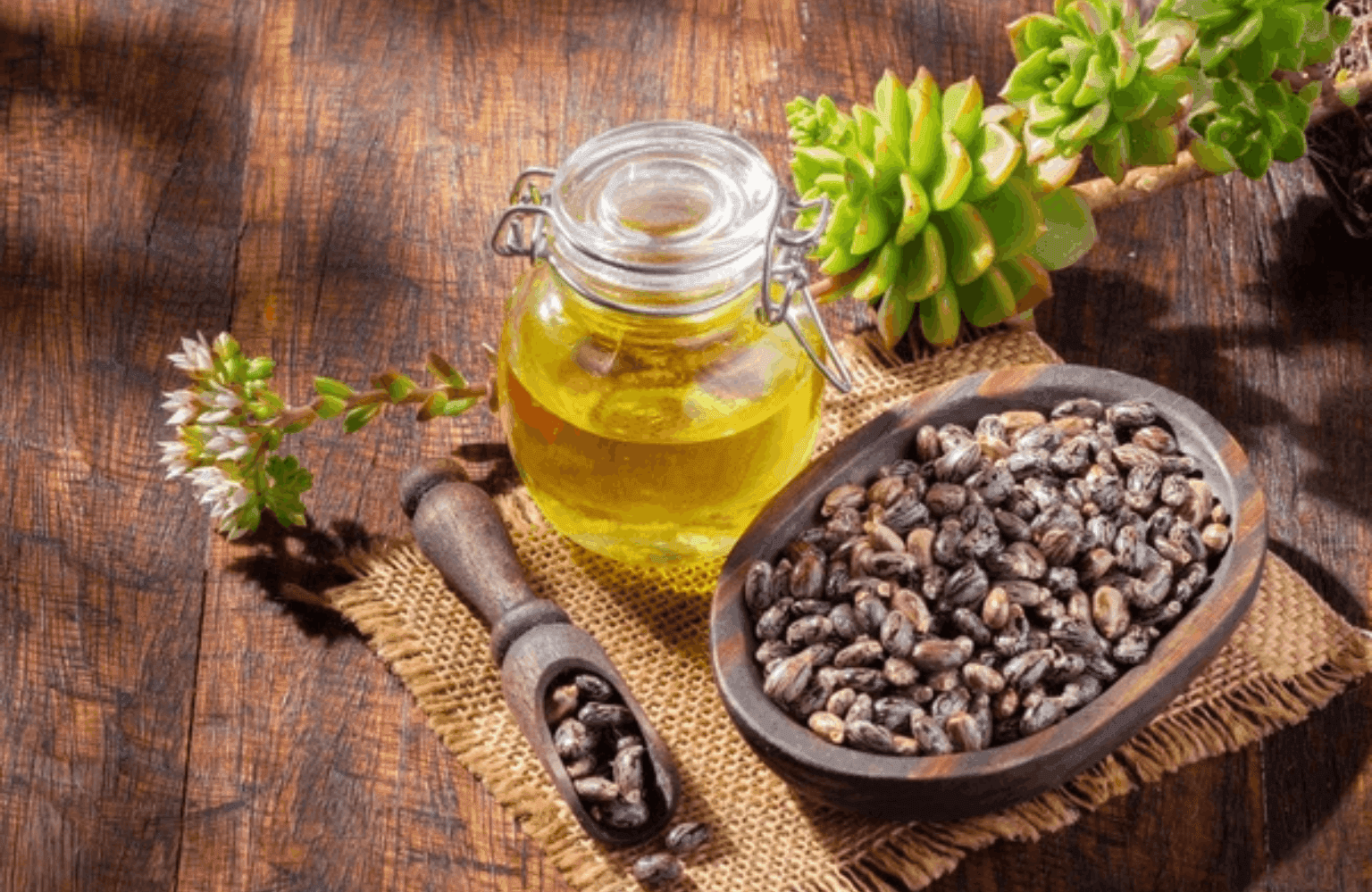
Zedoary scientifically identified as Curcuma zedoaria and known as Karchura in Ayurveda is a rhizome valued for its medicinal properties. It serves as the primary ingredient in the formulation Kaccuradi Curna described in the Ayurvedic Formulary of India. This herbal powder is specifically designed for external application on the head when mixed with vehicles like breast milk castor oil or butter. It is therapeutically used to treat severe headaches caused by Vata and Pitta doshas chronic rhinitis fever and hiccup. Additionally it is indicated for mental confusion known as Buddhi Bhrama and various eye and ear diseases. By balancing Kapha and other doshas in the cranial region it helps relieve burning sensations and congestion.
Zedoary
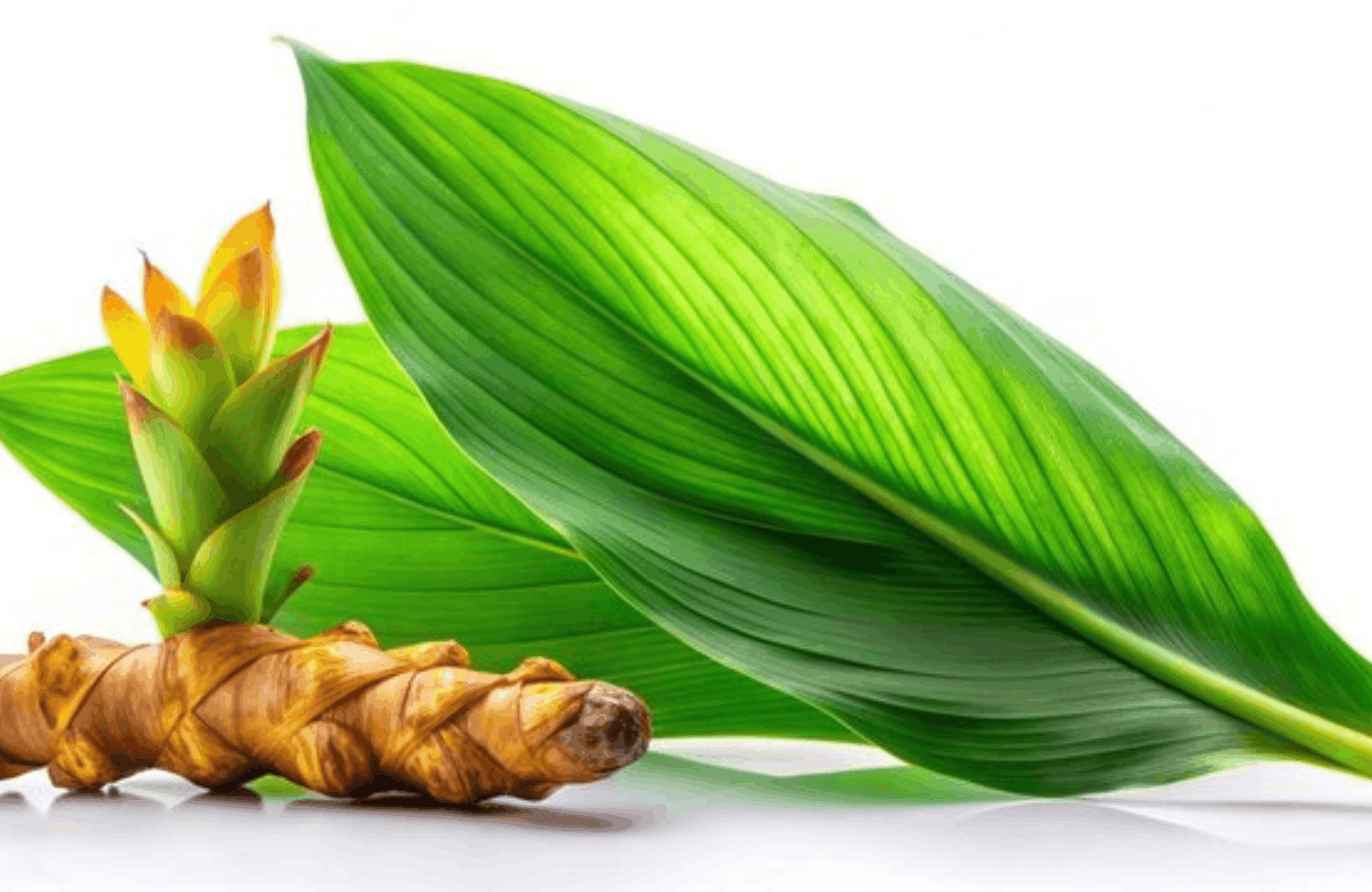
Zedoary, scientifically known as Curcuma zedoaria, is a rhizomatous herb closely related to turmeric. In Ayurveda, it is known as Karchura or Kaccura. It is highly valued for its aromatic properties (Sugandha), its ability to clear bad breath (Mukha Daurgandhya), and its effectiveness in treating digestive and respiratory disorders. It is a key ingredient in formulations used for improving appetite and treating headaches.
1. Name of the Herb
- Common Name: Zedoary, White Turmeric.
- Scientific Name: Curcuma zedoaria Rosc. (Fam. Zingiberaceae).
- Sanskrit Names: Karchura, Kaccūra, Dravida, Kalpaka.
- Other Names: Kachur (Hindi), Kichili Kizongu (Tamil), Kachora (Kannada/Marathi).
2. Brief Description
Zedoary is an aromatic herb with underground tuberous rhizomes. It is known for its camphoraceous, musky scent. In Ayurveda, it is recognized as a Dipana (appetizer) and Pachana (digestive) agent. It is frequently used in oral hygiene formulations to treat bad breath and tooth diseases due to its purifying properties. Externally, it is applied to the head to relieve pain and burning sensations.
3. Source / Part Used
- Plant Source: Herbal / Plant-based.
- Part Used: Rhizome (Rz.),.
4. Ayurvedic Properties
Based on its indications in the Ayurvedic Formulary of India:
- Rasa (Taste): Katu (Pungent) and Tikta (Bitter).
- Guna (Qualities): Laghu (Light) and Tikshna (Sharp/Penetrating).
- Virya (Potency): Ushna (Hot).
- Dosha Effect: Vata-Kapha Shamaka (Pacifies Vata and Kapha doshas).
- Special Quality: Sugandha (Aromatic).
5. Key Benefits
- Improves Digestion: Acts as Dipana (ignites digestive fire) and Pachana (digests toxins).
- Oral Health: Cleanses the mouth and removes Mukha Daurgandhya (halitosis/bad breath).
- Respiratory Support: Helps in managing Kasa (cough) and Shvasa (asthma).
- Relieves Headaches: Used externally to treat Shiroruja (headache) and burning sensation on the head.
- Dental Care: Effective in Danta Roga (tooth diseases) and dental caries.
6. Uses / Indications
Zedoary is indicated in Ayurveda for the following conditions:
- Digestive Disorders: Agnimandya (Digestive impairment), Ajeerna (Indigestion), and Aruchi (Tastelessness),.
- Oral & Throat: Mukha Paka (Stomatitis), Gala Roga (Throat diseases), and Dantasau-shirya (Dental caries).
- Respiratory: Kasa (Cough) and Shvasa (Asthma/Dyspnoea).
- Neurological/Head: Shiroruja (Headache) and Anidra (Insomnia/Sleeplessness) — often used in external pastes like Kaccuradi Curna.
- Parasitic: Krimi (Worm infestation).
7. How It Works
- Aromatic & Cleansing: Its strong aromatic nature (Sugandha) helps mask bad breath and purify the oral cavity.
- Digestive Stimulant: As a Dipana and Pachana herb, it stimulates the secretion of digestive enzymes and helps break down food, relieving bloating and indigestion.
- Cooling External Application: Interestingly, while heating internally, when applied externally (as in Kaccuradi Curna mixed with breast milk or oils), it relieves burning sensations (Daha) and headaches caused by Vata and Pitta.
8. Dosage
(General guidance based on formulations in Ayurvedic Formulary of India):
- Powder (Churna): 1 to 3 grams.
- Liquid (Arka - Distillate): 6 to 12 ml (e.g., in Karpuradyarka).
- External Paste: Mixed with suitable media (like milk or oil) for application on the head.
9. Safety Information
Zedoary is considered safe when used in traditional dosages. It is a common ingredient in oral health pills (Gutika) which are dissolved slowly in the mouth, indicating its safety for mucous membranes.
10. Side Effects
- Heat: Due to its potential heating quality internally, excessive intake might cause a sensation of warmth.
- Gastric Irritation: Large doses on an empty stomach might irritate the gut in sensitive individuals.
11. Precautions
- Pregnancy: Consult a physician before using therapeutic doses.
- Pitta Prakriti: Individuals with high body heat should use it cautiously internally, though it is used externally to relieve burning.
12. Storage Instructions
- Store the dried rhizome or powder in a cool, dry place.
- Keep in an air-tight container to preserve its volatile essential oils and aroma.
13. References
-
Curcuma zedoaria Rosc. (Zingiberaceae): A review of its chemical, pharmacological and biological activities – Future Journal of Pharmaceutical Sciences
https://fjps.springeropen.com/articles/10.1186/s43094-021-00316-1
-
Phytochemistry and pharmacology of Curcuma zedoaria – Journal of Ethnopharmacology (PubMed Indexed)
https://pubmed.ncbi.nlm.nih.gov/19126292/
-
Molecular characterization of antitumor effects of Curcuma zedoaria rhizome extract – International Journal of Oncology
https://www.spandidos-publications.com/ijo/47/6/2255
-
Antimicrobial activity of Curcuma zedoaria rhizomes – Pharmaceutical Biology
https://pubmed.ncbi.nlm.nih.gov/15848035/
-
Analgesic and anti-inflammatory properties of Curcuma zedoaria – Journal of Natural Medicines
https://pubmed.ncbi.nlm.nih.gov/12222663/
-
Essential oil composition and biological activities of Curcuma zedoaria – Industrial Crops & Products (ScienceDirect)
https://www.sciencedirect.com/science/article/pii/S0926669012002403
-
Antioxidant activity of Curcuma zedoaria extract – Food Chemistry
https://pubmed.ncbi.nlm.nih.gov/19765928/
-
Cytotoxic and anticancer properties of Curcuma zedoaria – BMC Complementary Medicine and Therapies
https://bmccomplementmedtherapies.biomedcentral.com/articles/10.1186/1472-6882-13-192
-
Pharmacognostic and phytochemical evaluation of Curcuma zedoaria – Pharmacognosy Research
https://www.ncbi.nlm.nih.gov/pmc/articles/PMC3210016/
-
Comparative phytochemical studies among Curcuma species including Curcuma zedoaria – Journal of Medicinal Plants Research
https://academicjournals.org/journal/JMPR/article-full-text/7B9A7D638507
-
Phytochemical screening and antioxidant evaluation of Curcuma zedoaria – Journal of Applied Pharmaceutical Science
https://japsonline.com/admin/php/uploads/537_pdf.pdf
14. FAQs
** **Q. Can it be taken daily?
It is usually taken therapeutically for specific digestive or respiratory issues. For oral hygiene, it is used in formulations like Khadiradi Gutika which can be used daily to strengthen teeth.
Q. When should it be taken?
Digestive formulations are generally taken before or with meals. Oral pills are kept in the mouth and dissolved slowly.
Q. Can it be taken with milk/water?
Yes. For external application on the head (to treat headache/insomnia), the powder is specifically mixed with breast milk (Stanya) or castor oil. Internally, it is taken with water.
Consult a Doctor
- KC5.0Dr. Kamesh chand sharma
Ayurveda2 yrs exp
- PP4.4Dr prince patel
Ayurveda22 yrs exp
- AG4.6Dr. Abhishek Gupta
Ayurveda1 yrs exp
- AB4.5Dr. Atul Bharadava
Ayurveda4 yrs exp