Ziziphus Benefits and Uses
Reviewed by medical experts · For informational purposes only
Introductory summary
Ziziphus known as Kola or Badara in Ayurveda is derived from Ziziphus jujuba and acts as a nutritive tonic and digestive aid. The ripe fruit is Sweet and Unctuous soothing Vata and Pitta doshas while the dried fruit pacifies Kapha and Vata. It is renowned for alleviating excessive thirst fatigue and burning sensations making it a valuable cardiac tonic. Therapeutically it is a key ingredient in formulations like Eladi Churna and Drakshadi Churna used to treat vomiting nausea and complications of alcoholism known as Madatyaya. The stem bark and dried fruit possess astringent properties useful in managing diarrhea. However the sour unripe fruit is heating and heavy potentially aggravating Kapha and Pitta if consumed in excess.
Ziziphus
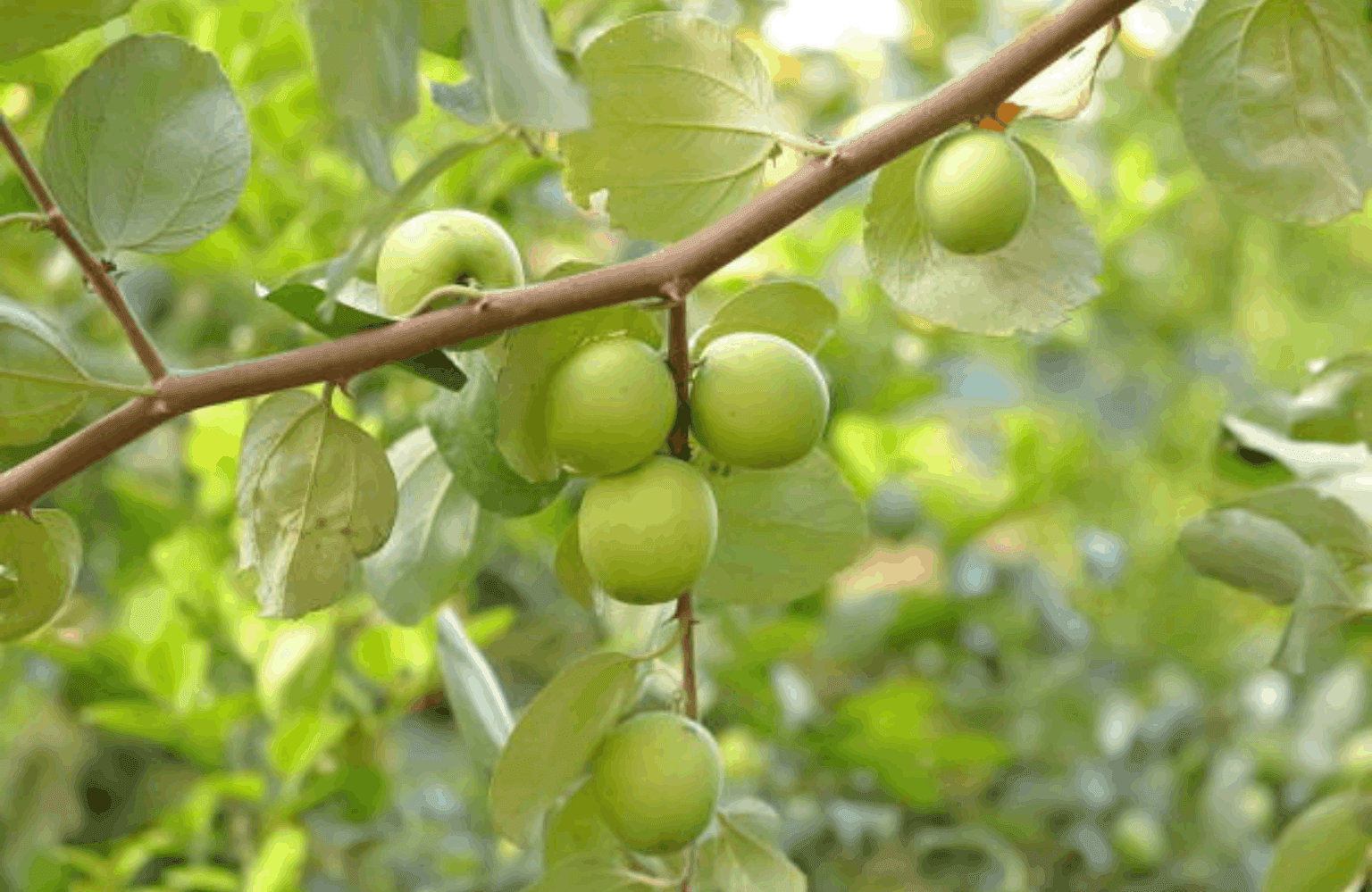
Ziziphus, commonly known as the Jujube or Ber fruit, is a medicinal plant deeply rooted in Ayurvedic tradition. In Sanskrit, it is known as Kola, Badara, or Karkandhu depending on the variety and size of the fruit. While widely enjoyed as a nutritious fruit, Ayurveda classifies it as a therapeutic agent valuable for balancing body humors (Doshas), particularly Vata and Pitta. It is renowned for its ability to soothe the stomach, alleviate vomiting, and provide nourishment to the body.
1. Name of the Herb
- Common Name: Jujube, Ber, Indian Plum.
- Scientific Name: Ziziphus jujuba Lam. (Synonym: Ziziphus mauritiana Lam.) (Family: Rhamnaceae).
- Sanskrit Names: Kola, Badara, Karkandhu, Kuvala, Gopaghonta.
- Regional Names: Ber (Hindi), Bor (Marathi), Ilandai (Tamil), Regu (Telugu), Badari (Kannada).
2. Brief Description
Ziziphus is a branched, spiny tree that grows in dry regions. It produces small, round or oval fruits that turn from green to reddish-brown upon ripening. In Ayurveda, the fruit is highly valued as a Hrdya (cordial/pleasing to the heart) and Rucya (appetizer). While the fresh fruit is sweet and cooling, the dried fruit is specifically used in medicine to treat digestive disorders like vomiting and diarrhea, and respiratory issues like cough.
3. Source / Part Used
- Plant Source: Herbal / Plant-based (Tree/Shrub).
- Part Used:
- Fruit Pulp (Phalamajja) - Most common.
- Stem Bark (Tvak).
- Root Bark - Used in specific decoctions for fever.
4. Ayurvedic Properties
According to Charaka Samhita and Ayurvedic Pharmacopoeia of India:
- Rasa (Taste): Madhura (Sweet) (when ripe); Amla (Sour) and Kashaya (Astringent) (when unripe or dried).
- Guna (Qualities): Snigdha (Unctuous/Oily) and Guru (Heavy).
- Virya (Potency): Shita (Cold) (ripe fruit); Ushna (Hot) (sour variety).
- Vipaka (Post-digestive effect): Madhura (Sweet).
- Dosha Effect:
- Ripe Fruit: Alleviates Vata and Pitta.
- Dried Fruit: Alleviates Kapha and Vata.
- Sour/Unripe: May aggravate Pitta and Kapha.
5. Key Benefits
- Relieves Vomiting: Included in formulations like Eladi Churna specifically to treat nausea and vomiting (Chardi).
- Soothes Thirst & Fatigue: The fruit alleviates excessive thirst (Trishna) and fatigue (Shrama).
- Digestion Support: It acts as an appetizer (Dipana) and helps manage diarrhea due to its astringent nature.
- Calms Vata: Its unctuous (Snigdha) nature helps pacify Vata dosha, reducing pain and dryness.
- Respiratory Health: Beneficial in treating cough (Kasa) and breathlessness (Shvasa) when combined with other herbs.
6. Uses / Indications
Ziziphus is indicated in Ayurveda for the following conditions:
- Digestive Disorders: Chardi (Vomiting), Aruchi (Tastelessness/Anorexia), and Atisara (Diarrhea).
- Alcoholism/Hangover: Used in Drakshadi Churna (and Panakas) to treat Madatyaya (disorders caused by alcohol excess) and thirst.
- Respiratory Issues: Kasa (Cough) and Svarabheda (Hoarseness of voice).
- Pain & Inflammation: Shula (Colic) and Daha (Burning sensation).
- General Health: Used in Karshya (Emaciation) to promote bulk and strength.
7. How It Works
- Anti-emetic: The pulp of the fruit, particularly in the Eladi Churna formulation, soothes the gastric lining and pacifies the upward-moving Vata (Udana Vayu) to stop vomiting.
- Demulcent & Nutritive: Being Snigdha (oily) and Madhura (sweet), it provides lubrication to dry tissues and nourishment to the body, making it effective for fatigue and Vata-related pain.
- Astringent Action: The dried fruit possesses binding properties that help check excessive discharge in diarrhea.
8. Dosage
(General guidance based on Ayurvedic texts):
- Powder (Churna): 3 to 6 grams.
- Decoction (Kvatha): 50 to 100 ml.
- Fresh Fruit: Consumed as a dietary item in moderate quantities.
9. Safety Information
Ziziphus is generally considered safe for consumption as a fruit and in traditional medicinal dosages. It is a common ingredient in safe, commonly used formulations like Drakshadi Churna.
10. Side Effects
- Digestion: The sour or unripe fruit is considered Guru (heavy) and may cause indigestion or bloating if consumed in excess.
- Dosha Aggravation: Excess intake of the sour variety can aggravate Kapha and Pitta, leading to acidity or congestion.
11. Precautions
- Gastritis: Individuals with hyperacidity (Amlapitta) should avoid the sour variety of Ber.
- Quality: Ayurveda explicitly forbids the consumption of fruits that are old, unripe, insect-damaged, or rotten, as they can be harmful.
12. Storage Instructions
- Store dried fruit or powder in a cool, dry place.
- Keep away from direct sunlight and moisture to prevent mold and insect infestation.
13. References
-
Ziziphus mauritiana: A review of its traditional uses, phytochemistry and pharmacology – Journal of Ethnopharmacology
https://pubmed.ncbi.nlm.nih.gov/23376243/
-
Phytochemical and pharmacological properties of Ziziphus jujuba – Phytotherapy Research
https://pubmed.ncbi.nlm.nih.gov/21312272/
-
Antioxidant and anti-inflammatory activities of Ziziphus mauritiana – Food and Chemical Toxicology
https://pubmed.ncbi.nlm.nih.gov/20655921/
-
Immunomodulatory effects of Ziziphus jujuba fruit extract – International Immunopharmacology
https://pubmed.ncbi.nlm.nih.gov/17335942/
-
Hepatoprotective activity of Ziziphus mauritiana leaves – Journal of Ethnopharmacology
https://pubmed.ncbi.nlm.nih.gov/15652285/
-
Antimicrobial activity of Ziziphus mauritiana extracts – African Journal of Biotechnology
https://academicjournals.org/journal/AJB/article-full-text/6F8F30E30956
-
Nutritional composition and health benefits of Ziziphus jujuba fruit – Molecules
https://www.mdpi.com/1420-3049/22/12/2140
-
Pharmacological properties of Ziziphus species – A Review – Frontiers in Pharmacology
https://www.frontiersin.org/articles/10.3389/fphar.2017.00445/full
14. FAQs
** **Q. Can it be taken daily?
Yes, the ripe, sweet fruit can be eaten daily in season. However, medicinal powders should be taken as per a physician's advice.
Q. When should it be taken?
As a medicine for digestive issues, it is often taken with honey or sugar. As a fruit, it is best eaten during the day.
Q. Can it be taken with milk/water?
Medicinal powders (Churnas) containing Ziziphus are often taken with honey or sugar. Ayurveda generally advises caution when combining sour fruits with milk, so sweet varieties are preferred if milk is involved.
Consult a Doctor
- KC5.0Dr. Kamesh chand sharma
Ayurveda2 yrs exp
- PP4.4Dr prince patel
Ayurveda22 yrs exp
- KH4.4Dr Kowshalya H S
Ayurveda3 yrs exp
- AK4.8Dr. Amalnath K Viswanathan
Ayurveda4 yrs exp