

Gallstones Symptoms and Causes
Reviewed by medical experts · For informational purposes only
Introductory summary
Gallstones correlate with the Ayurvedic condition Pittashmari characterized by hardened bile deposits formed when aggravated Vata dosha dries up liquid Pitta and Kapha in the gallbladder. This process resembles the formation of hailstones resulting in solid concretions that cause obstruction. Clinical features include intense burning sensation fever and severe colicky pain often associated with jaundice. Ayurvedic management prioritizes restoring metabolic balance and expelling vitiated Pitta through Virechana or therapeutic purgation. Treatment protocols utilize stone breaking herbs known as Ashmarighna including Pashanabheda Varuna and Gokshura alongside alkaline preparations like Yavakshara to dissolve the mass. Medicated ghees and decoctions such as Varunadi Kwatha are prescribed while avoiding hot dry and spicy foods to prevent recurrence.
Gallstones
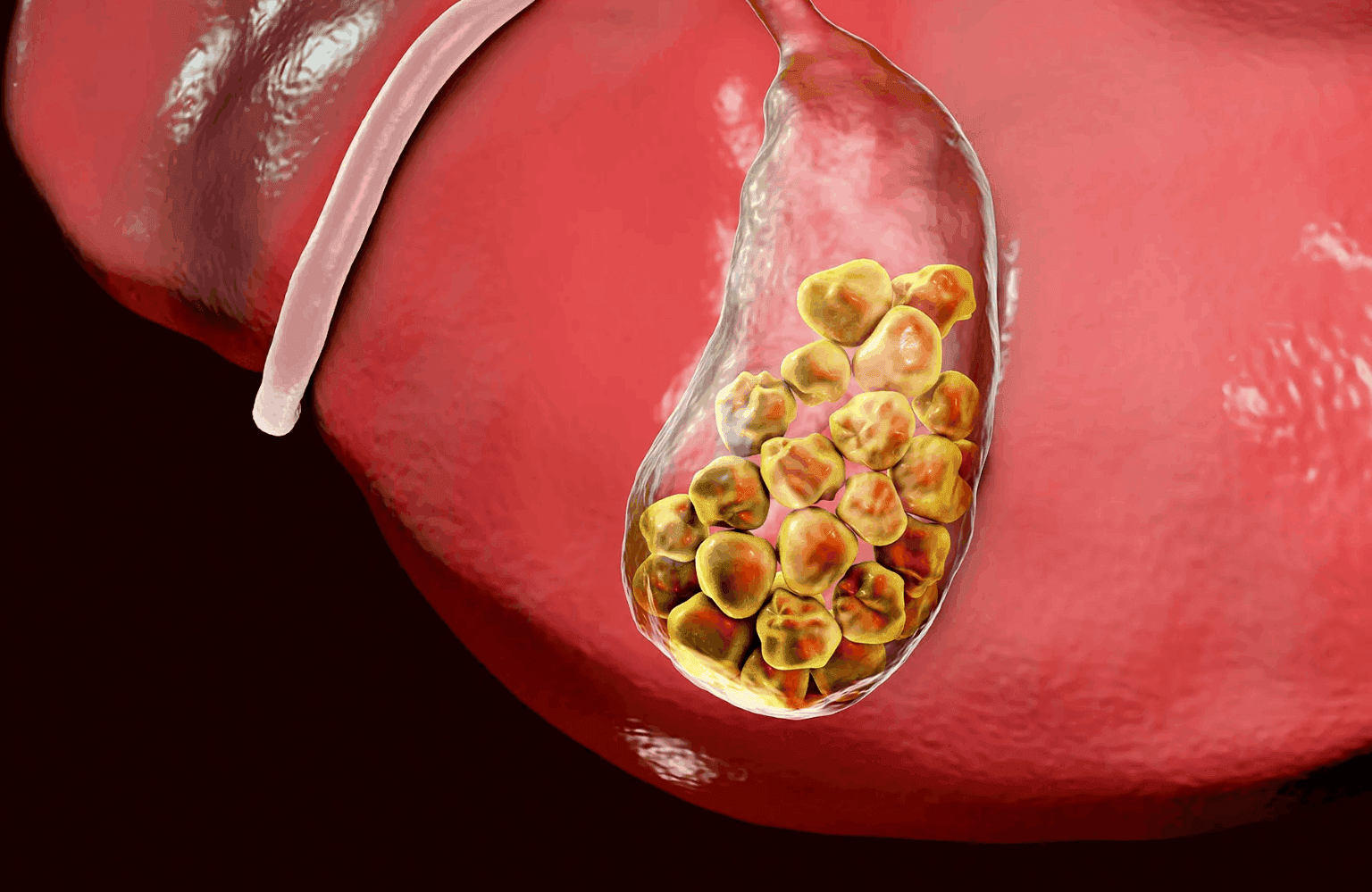
Gallstones are hardened deposits of digestive fluid that can form in the gallbladder. In Ayurveda, the general term for stone formation is Ashmari. While classical texts extensively describe stones in the urinary tract, the principles of Pittaja Ashmari (stones formed by the heat/bile element) are applied to understand gallstones. These are solid masses resulting from the drying up of Pitta (bile) and Kapha (mucus) within the body's channels.
1. Definition
Modern Definition: Gallstones (Cholelithiasis) are hard deposits of fluid (bile) that form inside the gallbladder. They can vary in size and cause severe pain if they block bile ducts.
Ayurvedic Definition: Ashmari refers to a stone-like hard concretion. Pittashmari refers specifically to stones formed by the vitiation of Pitta Dosha. It is a condition where the liquid bio-energies dry up and solidify, behaving like a foreign body that causes obstruction and intense pain.
2. Etymology & Conceptual Meaning
- Literal Meaning:
- Conceptual Interpretation: Ayurveda explains the formation of stones using a meteorological analogy: Just as the wind (Vata) dries up the rain in the atmosphere to form hailstones, the aggravated Vata Dosha enters the receptacle (gallbladder/bladder) and dries up the Pitta and Kapha present there, solidifying them into a hard mass.
3. Causes (Nidana)
The formation of stones is attributed to factors that aggravate Vata (drying) and Kapha (solidifying), along with specific dietary errors.
- Dietary Causes:
- Apathyas (Unwholesome foods): Excessive intake of dry, heating, or incompatible foods.
- Samshodhana negligence: Failure to perform periodic internal cleansing (Panchakarma) leads to the accumulation of Doshas which eventually harden.
- Lifestyle Causes:
- Vega Dharana: Suppression of natural urges.
- Divaswapna: Sleeping during the day increases Kapha, leading to stagnation of fluids.
- Over-exertion: Aggravates Vata, which dries up the fluids.
4. Journey of the Disease (Pathogenesis / Samprapti)
- Samprapti Ghataka:
- Dosha: Kapha, Pitta, Vata
- Dushya: Pitta
- Adhisthana: Pittashaya (Gallbladder)
- Mechanism:
- Aggravated Vata mixes with Pitta and Kapha.
- Vata dries up the liquid portion of the bile.
- Kapha solidifies the residue.
- Over time, this concretion hardens into Ashmari.
5. Symptoms (Lakshana)
- Daha
- Chosha
- Ushnavat
- Paka
- Bhallataka seed–like appearance
- Fever, anorexia, fainting
6. Different Types or Classification (Bheda)
While gallstones are medically classified by composition (cholesterol vs. pigment), Ayurveda classifies stones by the dominant Dosha:
-
Pittaja Ashmari (Bile/Pigment Stones): Red/yellow/black, associated with burning and heat. This is the primary correlation for gallstones.
-
Kaphaja Ashmari: White, slimy, heavy, and large (like a hen's egg). Associated with dull pain.
-
Vataja Ashmari: Rough, dusty, thorny appearance. Causes excruciating pain.
-
Shukraja Ashmari: (Seminal stones - not applicable to gallbladder).
7. Diagnosis
• Ayurvedic Diagnosis (Roga Pariksha):
◦ Darshana (Observation): Checking for yellowish discoloration of skin or eyes (Kamala/Jaundice), which often accompanies gallstones.
◦ Prashna (Questioning): The nature of pain is key. Pitta stones cause burning and fever; Vata stones cause excruciating, colic-like pain.
• Differential Diagnosis: Differentiated from Gulma (abdominal tumor) and Mutrakrichra (difficulty in urination), though symptoms can sometimes overlap in referred pain.
8. Disease Management
Diet (Ahara)
- Yavagu
- Avoid Pitta–Vata aggravating foods
Medicines
- Kshara
- Varunadi Kwatha
- Pashanabheda Ghrita
- Shilajit
Panchakarma
- Virechana
- Avagaha Sweda
- Basti
9. Prognosis
• New/Acute: Recently formed stones are considered Sadhya (curable) with medication and dietary changes.
• Chronic/Large: Long-standing stones or those causing severe obstruction are Krichrasadhya (difficult to cure) or Asadhya (incurable) without surgical intervention.
• Surgical: Ayurveda acknowledges that if medicinal treatment fails, surgical extraction (Shastrakriya) is necessary.
10. Modern Correlations
• Similarities:
◦ Colic: The Shula (pain) described in Ayurveda mirrors Biliary Colic.
◦ Inflammation: Pittaja symptoms (burning, fever) correlate with Cholecystitis.
◦ Obstruction: The concept of Vata drying and blocking flow correlates with duct obstruction.
• Differences: Ayurveda focuses heavily on the metabolic environment (Agni/Dosha) that creates the stone, whereas modern medicine focuses on the physical removal (cholecystectomy).
11. References
-
The National Institute of Diabetes and Digestive and Kidney Diseases (NIDDK) offers detailed, evidence-based information on gallstones, including causes, symptoms, diagnosis, and treatment: https://www.niddk.nih.gov/health-information/digestive-diseases/gallstones.
-
Clinical guidelines on the management of gallstone disease are published by the American College of Gastroenterology (ACG) at https://gi.org/topics/gallstones.
-
A comprehensive review discussing epidemiology, pathophysiology, and complications of gallstones is available in The New England Journal of Medicine: https://www.nejm.org.
-
Population-based and clinical studies on gallstones can be accessed through PubMed at https://pubmed.ncbi.nlm.nih.gov.
-
Additional global perspectives are provided by UpToDate summaries and review articles referenced in journals such as Gut (https://gut.bmj.com).
12. FAQ Section
Q: Can Ayurvedic medicine dissolve gallstones?
A: Ayurveda uses "stone-breaking" herbs (Ashmarighna) like Pashanabheda and Varuna, and alkalis (Kshara) intended to erode or break down stones. While effective for smaller or newer stones, large chronic stones may require surgical evaluation.
Q: What is the best Panchakarma for gallstones?
A: Virechana (Therapeutic Purgation) is the treatment of choice. It clears the biliary tract, removes excess Pitta (bile), and reduces inflammation in the liver and gallbladder.
Q: Is Ghee good for gallstones?
A: Plain ghee might be heavy, but Medicated Ghee (like Varunadi Ghrita or Pashanabheda Ghrita) is prescribed. It balances the drying nature of Vata while delivering herbs that break down the stone.
Q: What foods should be avoided?
A: One should avoid dry, hot, spicy foods, and incompatible food combinations (like milk with fish) as these aggravate the Doshas and lead to stone formation. Avoiding suppression of natural urges is also crucial.
Consult a Doctor
- KC5.0Dr. Kamesh chand sharma
Ayurveda2 yrs exp
- PP4.4Dr prince patel
Ayurveda22 yrs exp
- AK4.8Dr. Amalnath K Viswanathan
Ayurveda4 yrs exp
- NG5.0Dr Nandini gaur
Ayurveda1 yrs exp