Jaundice
Reviewed by medical experts · For informational purposes only
Introductory summary
Jaundice known as Kamala in Ayurveda is a disorder arising from the aggravation of Pitta dosha which vitiates the blood or Rakta dhatu. It often follows neglected anemia or results from the excessive intake of hot sour and salty foods that intensify internal heat burning the blood and flesh tissues. Key symptoms include deep yellow discoloration of the eyes skin and urine accompanied by indigestion and weakness. Advanced stages like Kumbhakamala involve edema and are difficult to treat. Management focuses on mild purgation or Virechana to expel excess bile. Classical remedies include Phalatrikadi Kvatha Punarnava Mandura and Arogyavardhini Vati. The diet requires cooling foods like grapes and old rice while strictly avoiding alcohol and spicy substances.
Jaundice
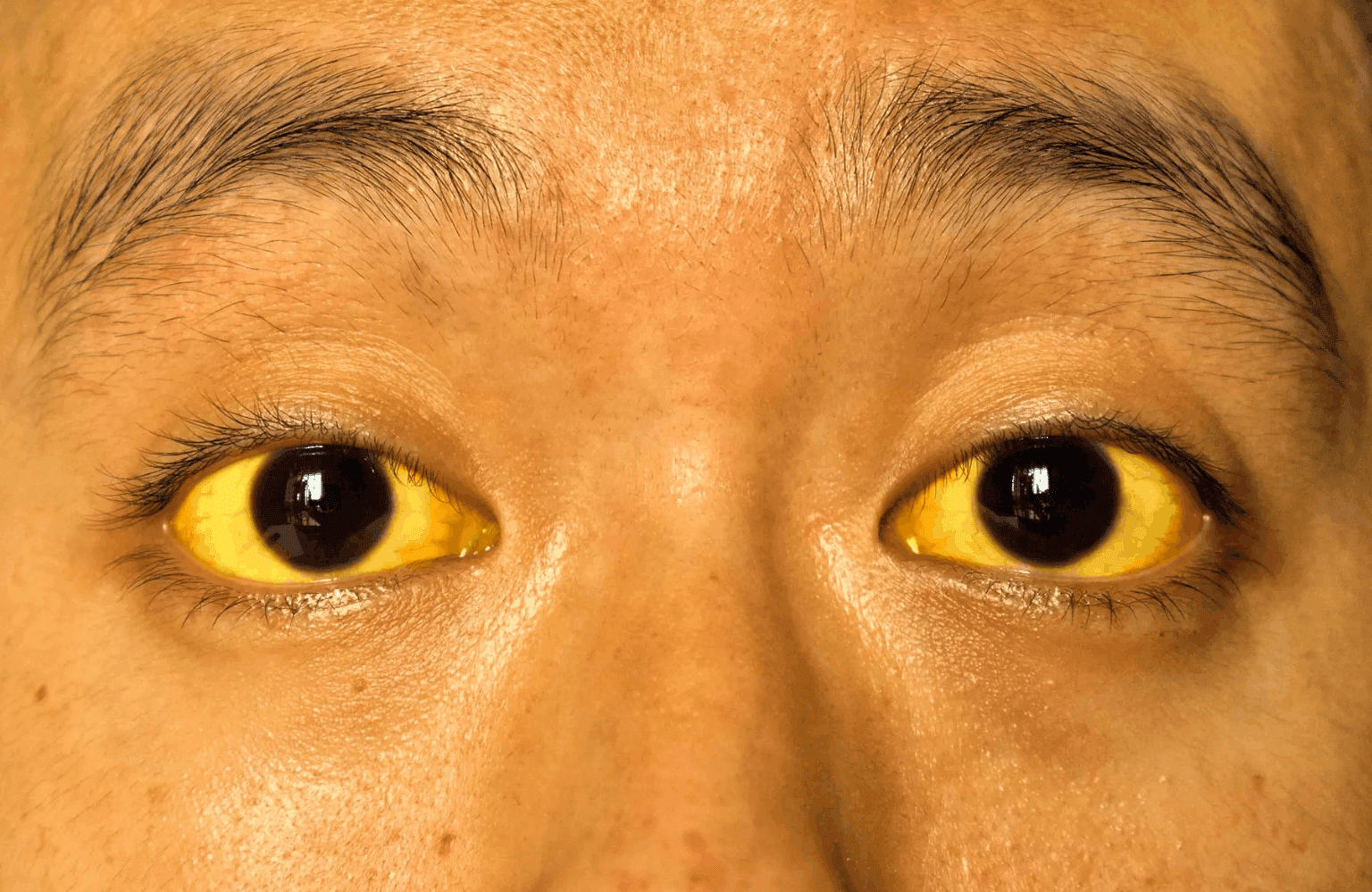
Jaundice, known in Ayurveda as Kamala, is a disease characterized by the yellow discoloration of the eyes, skin, nails, and urine. It is primarily a disorder of the Pitta Dosha (Fire element) and Rakta Dhatu (Blood tissue). In Ayurvedic pathology, it is often described as a sequel to neglected Pandu Roga (Anemia) or an independent condition caused by excessive intake of heat-producing foods, leading to the "burning" of blood and flesh tissues by vitiated bile.
1. Definition
- Modern Definition: A medical condition with yellowing of the skin or whites of the eyes, arising from excess bilirubin caused by obstruction of the bile duct, liver disease, or excessive breakdown of red blood cells.
- Ayurvedic Definition: Kamala is defined as a condition where the patient's eyes (Netra), skin (Tvak), nails (Nakha), and face (Vadana) turn deep yellow (Haridra). It involves the impairment of the Ranjaka Pitta (the subtype of Pitta located in the liver responsible for coloring blood).
2. Etymology & Conceptual Meaning
- Kamala: The word implies a condition that destroys desires (Kama) or health. It signifies the severe alteration of body color.
- Conceptual Interpretation: Ayurveda distinguishes between Pandu (pallor/anemia) and Kamala (jaundice). While Pandu involves the whitening of the skin due to tissue depletion, Kamala involves a distinct yellow, copper, or greenish coloration due to the excessive increase of hot, sharp Pitta circulating in the blood.
3. Causes (Nidana)
According to Madhava Nidana and Charaka Samhita, Kamala often manifests in a patient already suffering from Pandu (anemia) who indulges in specific Pitta-aggravating factors.
- Dietary Causes:
- Lifestyle Causes:
- Atapa: Prolonged exposure to the sun.
- Vyayama: Excessive physical exercise.
- Vegadharana: Suppression of natural urges.
- Neglecting the treatment of Anemia (Pandu).
4. Journey of the Disease (Pathogenesis/Samprapti)
- Samprapti Ghataka (Components):
- Dosha: Pitta (specifically Ranjaka Pitta) is the primary driver.
- Dushya (Tissues): Rakta (Blood) and Mamsa (Flesh).
- Srotas (Channels): Raktavaha Srotas (Blood-carrying channels).
- Agni: Jatharagni (Digestive fire) and Dhatvagni (Tissue fire) are impaired.
- Adhisthana (Site): Yakrit (Liver) and Pliha (Spleen).
- Pathogenesis:
- Due to causative factors, Pitta Dosha is severely aggravated.
- This aggravated Pitta "burns" or vitiates the Rakta (blood) and Mamsa (flesh).
- The vitiated Pitta travels from the alimentary tract (Koshta) to the peripheral tissues (Sakha).
- It obstructs the channels, causing the yellow bile to accumulate and manifest externally as yellowish discoloration of the eyes and skin.
5. Symptoms (Lakshana)
- General Symptoms:
- Haridra Netra: Deep yellow eyes.
- Haridra Tvak/Nakha: Yellow skin and nails.
- Rakta-Pita Sakrun-Mutra: Urine and stool become red or yellow.
- Bheka Varna: The skin complexion resembles the color of a frog (greenish-yellow).
- Associated Symptoms:
- Daha: Burning sensation in the body.
- Avipaka: Indigestion.
- Daurbalya: Weakness and emaciation.
- Aruchi: Loss of appetite/Anorexia.
- Trishna: Excessive thirst.
6. Different Types or Classification (Bheda)
Ayurvedic texts classify Jaundice based on severity and location:
- Kamala (General): Characterized by yellow eyes and urine, often associated with Koshtha (digestive tract).
- Kumbhakamala (Deep-seated Jaundice): An advanced stage where the jaundice becomes deep-rooted in the Koshtha. It is characterized by Shopha (swelling/edema) and is difficult to treat (Krichrasadhya).
- Halimaka (Chlorosis): A condition resulting from Vata and Pitta vitiation, where the patient turns greenish, blackish, or yellow (Harita, Shyava, Pita). Symptoms include vertigo, loss of libido, and fever.
- Sakhashraya / Koshthashraya: Charaka Samhita distinguishes between jaundice located in the tissues (Sakha) and that located in the hollow organs (Koshtha).
7. Diagnosis
- Ayurvedic Diagnosis (Roga Pariksha):
- Darshana (Observation): Checking for Haridratva (yellowness) in the eyes, nails, and skin. Observing the "frog-like" skin tone (Bheka varna).
- Prashna (Questioning): History of sour/hot food intake and previous history of anemia (Pandu).
- Mala-Mutra Pariksha: Examination of stool and urine for reddish-yellow discoloration.
- Differential Diagnosis:
- Must be distinguished from Pandu (Anemia), which presents as whiteness/pallor, whereas Kamala presents as distinct yellowness.
8. Disease Management
The primary principle of treating Kamala is Mridu Virechana (Mild Purgation) to expel the hot Pitta, followed by Pitta-pacifying diet and medicines. Snehana (Oleation) is generally not done with heavy fats but with medicated ghees that do not aggravate Pitta.
Diet (Ahara)
- Beneficial: Cooling and sweet foods.
- Draksha (Grapes/Raisins): Highly recommended for soothing Pitta and clearing bowels.
- Godhuma (Wheat) and Shali Rice: Old grains are preferred.
- Mridvika (Raisins) and Dadima (Pomegranate): Excellent for blood purification.
- Avoid: Hot, spicy, sour, and salty foods. Alcohol must be strictly avoided.
Lifestyle (Vihara)
- Avoidance of sun exposure and heat.
- Rest is essential.
- Avoidance of sexual intercourse (Maithuna) and physical exertion (Vyayama) during the acute phase.
Medicines
- Phalatrikadi Kvatha: A specific decoction for Kamala and Pandu containing Triphala, Guduchi, Vasa, Katuki, Nimba, and Kiratatikta. It is usually taken with honey.
- Arogyavardhini Vati: A herbo-mineral formulation widely used for liver disorders (Yakrit roga) and skin diseases.
- Punarnava Mandura: An iron preparation processed with cow's urine and Punarnava, specific for anemia and liver disorders.
- Dhatri Lauha: Used for Kamala, Pandu, and Shula (colic).
- Kumaryasava: Contains Aloe vera and Iron; indicated for Pandu and Kamala.
- Single Herbs:
- Guduchi (Tinospora cordifolia).
- Katuki (Picrorhiza kurroa): A strong hepatoprotective and mild purgative.
- Bhumyamalaki: (Implied in Phalatrikadi context and Dhatri formulations).
Panchakarma
- Virechana (Purgation): This is the therapy of choice. Since the patient is already weak, Mridu Virechana (mild purgation) is used with herbs like Trivrit (Operculina turpethum) or Draksha (raisins) to remove bile.
- Nasya / Anjana: Nasal drops and collyrium made of herbs like Nisha (Turmeric) and Gairika (Red ochre) are applied to remove yellow pigments from the head and eyes.
- Contraindications: Vamana (Emesis) is generally not indicated for Kamala as the patient is Pitta-aggravated. Basti (Enema) is listed as a contraindication in acute stages.
9. Prognosis
- Sadhya (Curable): Early stages of Kamala where the digestive fire is not completely destroyed are easily treatable.
- Krichrasadhya (Difficult): Kumbhakamala (associated with edema) is difficult to treat.
- Asadhya (Incurable): If the patient passes black, yellow, or blood-mixed stool and urine, vomits blood, has red eyes, and faints (Murcha), the condition is considered fatal. A patient with jaundice who has "swollen face, depressed temples, and feeling of terror" should be discarded.
10. Modern Correlations
- Hepatocellular Jaundice: Correlates with the hepatic pathology of Kamala.
- Obstructive Jaundice: Correlates with Sakhashraya Kamala (obstruction of flow).
- Cirrhosis of Liver: The advanced stage called Kumbhakamala (pot-belly jaundice with edema) closely resembles decompensated cirrhosis or ascites (Jalodara) secondary to liver failure.
- Chlorosis: Correlates with Halimaka (greenish-yellow discoloration).
11. References
-
World Health Organization (WHO) – Hepatitis and liver diseases
https://www.who.int/teams/global-hiv-hepatitis-and-stis-programmes/hepatitis
-
Centers for Disease Control and Prevention (CDC) – Jaundice and liver health
https://www.cdc.gov/hepatitis/index.htm
-
National Institute of Diabetes and Digestive and Kidney Diseases (NIDDK – NIH) – Jaundice
https://www.niddk.nih.gov/health-information/liver-disease/jaundice
-
Mayo Clinic – Jaundice
https://www.mayoclinic.org/symptoms/jaundice/basics/definition/sym-20050645
-
StatPearls (NCBI Bookshelf) – Jaundice
https://www.ncbi.nlm.nih.gov/books/NBK544252/
-
National Health Portal of India – पीलिया (Jaundice)
https://www.nhp.gov.in/disease/digestive-system/jaundice
-
Ministry of Health & Family Welfare, Government of India – यकृत रोग
https://www.mohfw.gov.in/
12. FAQ Section
Q: Is Ghee good for Jaundice?
A: Plain ghee can be heavy, but Medicated Ghee (like Kalyanaka Ghrita or Dadimadi Ghrita) is highly recommended in Ayurveda for Kamala. It helps pacify Pitta without aggravating the condition, provided digestion allows.
Q: Can I undergo Panchakarma for Jaundice?
A: Yes, Virechana (therapeutic purgation) is the specific treatment for Jaundice (Kamala) to eliminate excess Pitta. However, it must be mild (Mridu) and performed under expert supervision.
Q: What herbs are best for Jaundice?
A: Herbs like Guduchi (Giloy), Katuki, Nimba (Neem), Triphala, and Draksha (Raisins) are best. Formulations like Phalatrikadi Kvatha are classical remedies.
Q: What is "Kumbhakamala"?
A: Kumbhakamala is an advanced, neglected stage of jaundice where the abdomen becomes bloated like a pot (Kumbha) due to edema (Shopha) or fluid accumulation. It is considered difficult to treat.
Q: Is anemia related to jaundice in Ayurveda?
A: Yes. Ayurveda considers Kamala (Jaundice) to often be a complication or advanced stage of Pandu (Anemia), caused by eating Pitta-aggravating foods while suffering from anemia.
Consult a Doctor
- MS4.2Midun s kumar
Ayurveda4 yrs exp
- SP4.5Dr Sreelekha P Nair
Ayurveda6 yrs exp
- VR4.2Vaidya Rohit Kumar
Ayurveda3 yrs exp
- V4.1Vairamuthu
Ayurveda8 yrs exp
Buy Medicine
 Prescribed to you4.7₹6 cashback
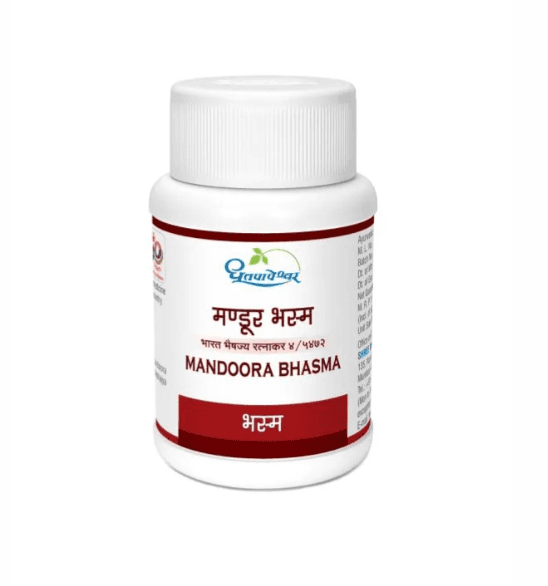
Mandoora Bhasma (Dhootapapeshwar) SDL
SDLSupports blood and liver function
Container of 5 g
4.7
₹61Get ₹6 Cashback