Aloe Vera
Reviewed by medical experts · For informational purposes only
Introductory summary
Aloe Vera known as Kumari or Ghritakumari in Ayurveda is a succulent plant widely used for metabolic and reproductive disorders. The dried juice of the leaves is specifically termed Kanyasara. According to the Ayurvedic Pharmacopoeia of India Kanyasara possesses Pungent taste and Hot potency making it a powerful digestive and purgative agent known as Bhedi. It effectively eliminates vitiated Pitta and Kapha. Clinical indications include the treatment of liver disorders or Yakridvikara abdominal tumors known as Gulma and severe constipation. It is a potent emmenagogue used to treat amenorrhea and painful menstruation known as Kashtartava. Aloe is also a key ingredient in fermented tonics like Kumaryasava and is extensively used in Rasa Shastra to purify minerals. Caution is advised during pregnancy due to its uterus stimulating properties.
Aloe Vera
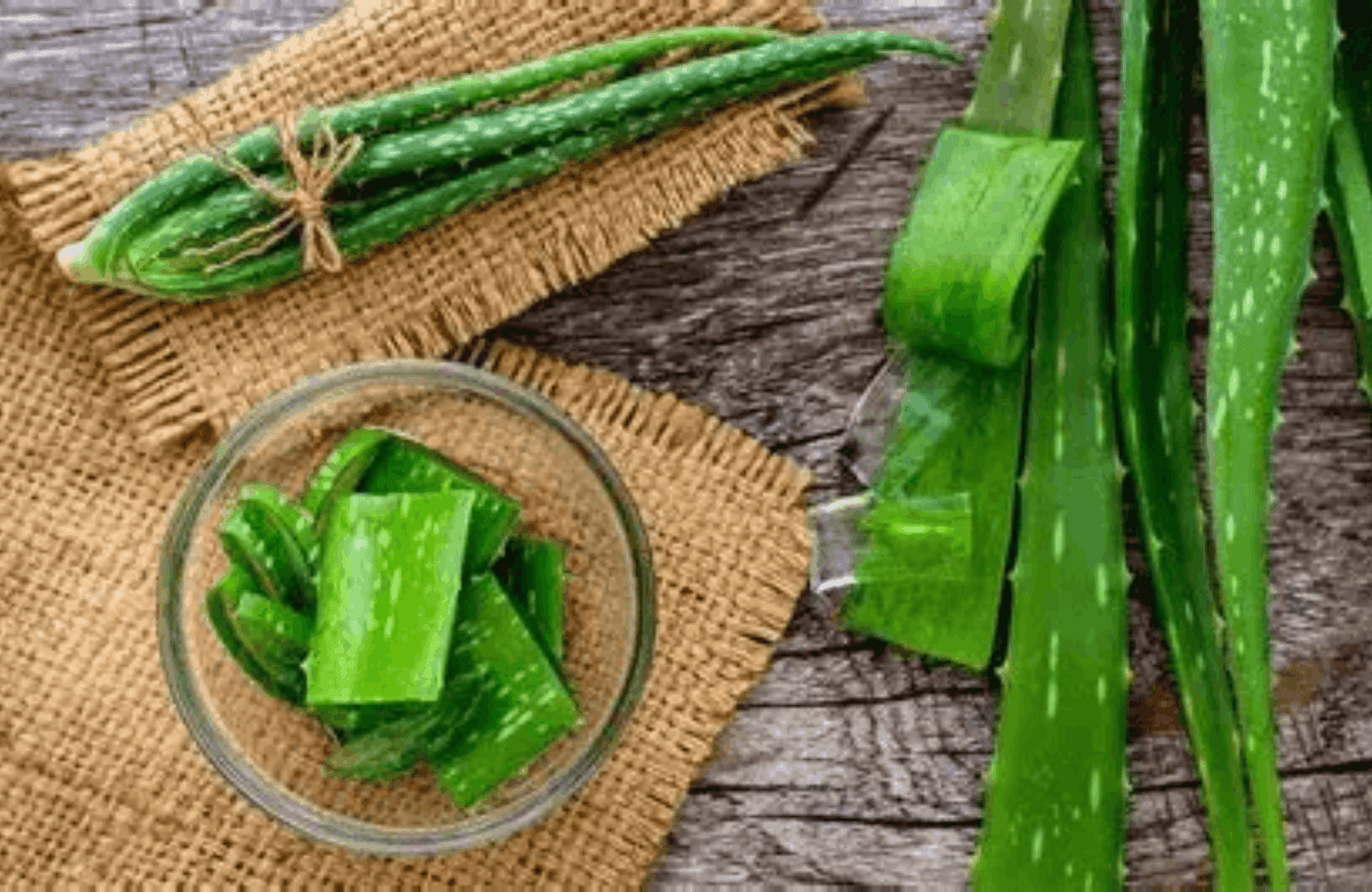
Aloe Vera is a succulent plant widely used in Ayurveda for treating abdominal disorders, liver issues, and menstrual irregularities. In the classical texts, the dried juice of the leaves is specifically termed Kanyasara, while the fresh plant is often called Kumari. It is a key ingredient in many fermented tonics (Asavas) and is extensively used to purify minerals in Ayurvedic alchemy (Rasa Shastra).
1. Name of the Herb
- Common Name: Aloe Vera.
- Scientific Name: Aloe barbadensis Mill. (Synonyms: Aloe vera Tourn. ex Linn, Aloe indica Royle).
- Sanskrit Names: Kanyasara (specifically the dried juice), Kumari, Ghritakumari.
- Other Names: Elio (dried juice), Musabbar (Arabic/Unani).
2. Brief Description
Aloe Vera is a shrub planted in many Indian gardens and found growing throughout the country. In Ayurveda, it is highly valued not just as a standalone remedy but as a processing agent. It is used to purify and incinerate metals (like iron and copper) and gems (like pearls) to make them safe for human consumption in the form of Bhasmas. The dried juice (Kanyasara) is a potent therapeutic agent used for specific metabolic and reproductive conditions.
3. Source / Part Used
- Plant Source: Herbal / Plant-based.
- Part Used:
4. Ayurvedic Properties
According to the Ayurvedic Pharmacopoeia of India, the properties of Kanyasara (Dried Aloe Juice) are:
- Rasa (Taste): Katu (Pungent).
- Guna (Qualities): Ushna (Hot).
- Virya (Potency): Ushna (Hot).
- Vipaka (Post-digestive effect): Katu (Pungent).
- Dosha Effect: It eliminates Pitta (Pittanirharana) but due to its hot potency, it balances Vata and Kapha while expelling accumulated Pitta through purgation.
5. Key Benefits
- Supports Menstrual Health: Acts as a Rajahpravartaka (promotes menstrual flow), useful in amenorrhea and dysmenorrhea.
- Liver Support: Beneficial for Yakridvikara (liver disorders).
- Digestive Aid: Acts as a Bhedi (purgative/laxative) to clear bowel obstruction.
- Fever Management: Indicated for Jvara (fever).
- Abdominal Health: Useful in treating Udararoga (diseases of the abdomen including ascites).
6. Uses / Indications
Aloe Vera (as Kanyasara or in formulations like Kumaryasava) is indicated for:
- Kashtartava: Dysmenorrhoea (painful menstruation).
- Nashta Pushpa: Amenorrhoea (absence of menstruation).
- Udararoga: Abdominal enlargement/diseases.
- Gulma: Abdominal tumors or lumps.
- Kasa & Shwasa: Cough and Dyspnoea/Asthma.
- Granthi: Cysts or nodules (used in formulations to treat them).
7. How It Works
- Purgative Action (Bhedana): The dried juice has a penetrating and purgative quality that breaks down fecal matter and toxins (Ama) and expels them, which helps in abdominal enlargement and constipation.
- Emmenagogue Action: Its hot potency (Ushna Virya) stimulates the uterus and promotes menstrual flow, addressing blockages in the reproductive channels.
- Processing Agent: In Rasa Shastra, Aloe vera juice (Kumari Svarasa) is used to triturate metals like Copper and Zinc. This process (Bhavana) helps reduce the particle size and toxicity of the metals, making them bio-assimilable.
8. Dosage
- Powder (Dried Juice/Kanyasara): 125 mg to 500 mg.
- Formulations: It is a key ingredient in Kumaryasava (12 to 24 ml) and Rajahpravartini Vati.
9. Safety Information
- Aloe Vera is considered safe when used in recommended dosages and appropriate formulations.
- It is a standard ingredient in pediatric medicines like Kumarakalyana Rasa, used for fever and emaciation in children.
10. Side Effects
- Due to its Purgative (Bhedi) nature, overdose may cause diarrhea or abdominal cramping.
- Its Hot (Ushna) potency may cause a burning sensation or heavy bleeding if taken by individuals with high body heat (Pitta) or existing heavy menstrual bleeding.
11. Precautions
- Pregnancy: Because it is Rajahpravartaka (promotes menstruation) and Ushna (Hot), it should be avoided during pregnancy to prevent the risk of miscarriage.
- Bleeding Disorders: Caution is advised in cases of bleeding disorders or menorrhagia (excessive bleeding).
- Medical Condition: Always consult an Ayurvedic physician, especially when using the dried juice (Kanyasara), as it is potent.
12. Storage Instructions
- Store dried powder in a cool, dry place in an air-tight container to prevent it from absorbing moisture.
- Fermented preparations like Kumaryasava can be kept indefinitely in well-stoppered bottles.
13. References
- Encyclopaedia Britannica – Aloe Vera
Botanical description, history, and medicinal uses.
https://www.britannica.com/plant/Aloe-vera - Kew Science – Plants of the World Online (POWO)
Taxonomic details of Aloe vera.
https://powo.science.kew.org/taxon/urn:lsid:ipni.org:names:529882-1 - World Health Organization (WHO) Monographs on Selected Medicinal Plants – Aloe
Official global reference.
https://apps.who.int/medicinedocs/en/d/Js4927e/ - The Ayurvedic Pharmacopoeia of India (API) – Ministry of AYUSH
Official monograph on Ghritkumari.
https://www.ayush.gov.in - Indian Medicinal Plants – A Compendium of 500 Species
Warrier, P.K., Nambiar, V.P.K., & Ramankutty, C. - Indian Materia Medica – Nadkarni, K.M.
https://archive.org/details/IndianMateriaMedica - Database on Medicinal Plants Used in Ayurveda (CCRAS)
https://www.ccras.nic.in - Review Article: Aloe vera – A Short Review
Surjushe, A., Vasani, R., Saple, D.G. (2008). Indian Journal of Dermatology.
https://www.ncbi.nlm.nih.gov/pmc/articles/PMC2763764/ - Pharmacological Review of Aloe vera
Journal of Ethnopharmacology.
https://www.sciencedirect.com - PubMed – Clinical Studies on Aloe Vera
https://pubmed.ncbi.nlm.nih.gov/?term=Aloe+vera - National Medicinal Plants Board (NMPB), Government of India – Aloe Vera Profile
https://nmpb.nic.in
14. FAQs
Q: Can Aloe Vera be taken daily?
A: Fresh gel is often used daily for general wellness, but the dried juice (Kanyasara) described in the pharmacopoeia is a potent medicine (dose 125-500 mg) used for specific conditions like constipation or amenorrhea and should be taken under guidance.
Q: When should it be taken?
A: As a medicine for digestive or menstrual issues, it is typically taken twice a day or as directed by a physician.
Q: Can it be taken with milk/water?
A: Yes, depending on the formulation. However, Kumaryasava (a fermented Aloe tonic) is a liquid taken directly, usually after food.
Consult a Doctor
- NG5.0Dr Nandini gaur
Ayurveda1 yrs exp
- AG4.5Dr Anshuman Gupta
Ayurveda8 yrs exp
- BY4.3Bapodara yash kanabhai
Ayurveda3 yrs exp
- VR4.2Vaidya Rohit Kumar
Ayurveda3 yrs exp
Buy Medicine
 Prescribed to you4.5₹24 cashback
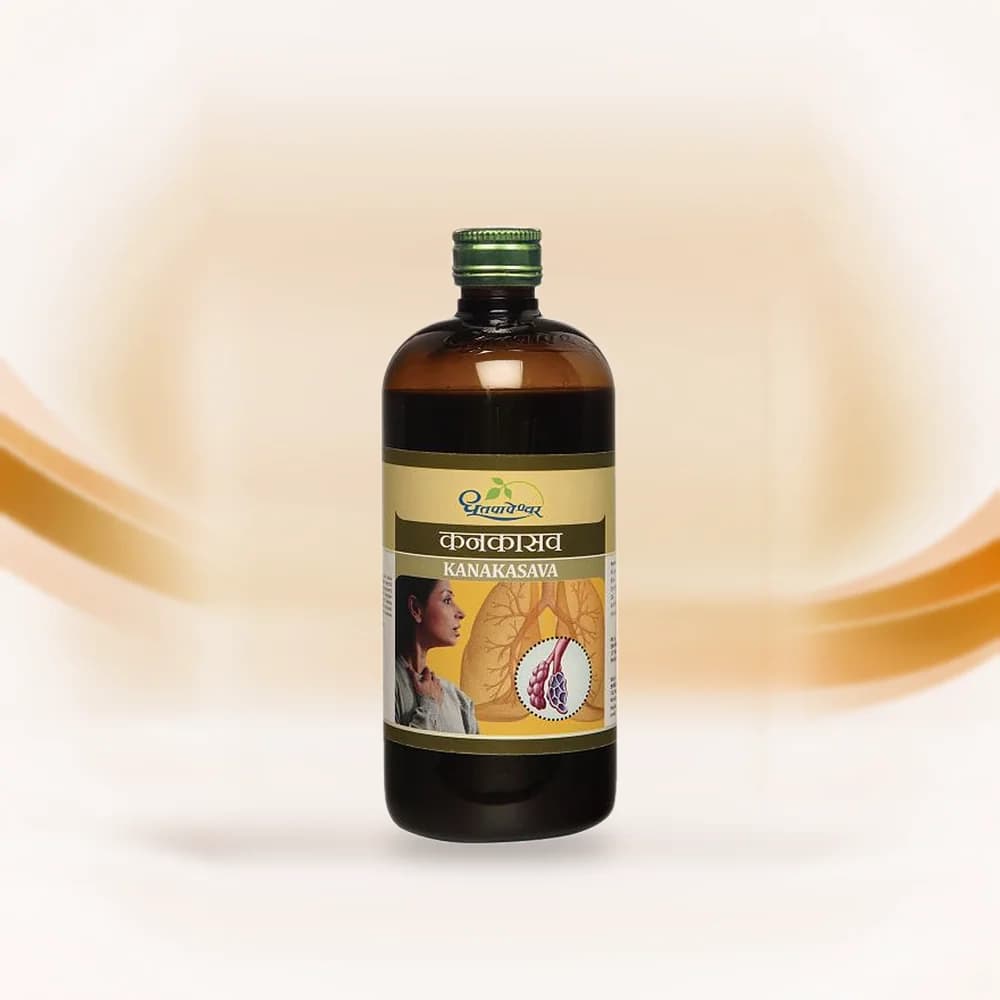
Kumari Asava No. 1 (Dhootapapeshwar) SDL
SDLSupports liver function
Bottle of 450 ml
4.5
₹245Get ₹24 Cashback