Amenorrhea
Reviewed by medical experts · For informational purposes only

Introductory summary
Amenorrhea known as Nashtartava or Arajaska in Ayurveda represents the absence of menstruation during reproductive years. It is primarily caused by the aggravation of Vata dosha and the depletion of Rasa Dhatu which leads to the obstruction or drying up of menstrual fluid. Malnutrition and suppression of natural urges are significant contributing factors. Ayurvedic management focuses on cleansing the reproductive channels and nourishing the tissues. Key treatments include medicated enemas or Basti to regulate Apana Vayu and the use of specific herbs like Shatapushpa and Shatavari. A nutritive diet containing meat soups milk and ghee is essential to rebuild strength and restore the natural menstrual rhythm.
Amenorrhea
Amenorrhea is the absence of menstruation during the reproductive years of a woman's life. In Ayurveda, this condition is primarily described under the headings of Nashtartava (loss of menstrual fluid), Anartava (absence of menses), and Arajaska (a specific uterine disorder characterized by the absence of menstrual flow). It is generally treated as a symptom of a broader imbalance in the body's humors (Doshas)) or a deficiency in the essential body tissues (Dhatus), specifically the nutrient plasma (Rasa)) and reproductive tissue (Artava).
1. Definition
Modern medicine defines amenorrhea as the absence of menstruation.
In Ayurveda, it is defined as the cessation or destruction of Artava (menstrual flow). It is classified as one of the Yonivyapat (disorders of the female reproductive tract). Specifically, conditions like Arajaska (without menstruation) and Lohitakshaya (loss/wasting of blood) fall under this category, where the menstrual flow is blocked or destroyed by aggravated Vata and Pitta doshas.
2. Etymology & Conceptual Meaning
-
Literal Meaning:
-
Nashta: Destroyed or lost.
-
Artava: Menstrual fluid or ovum.
-
Arajaska: "A-" (without) + "Rajas" (menstrual blood/dust).
-
-
Conceptual Interpretation: Ayurveda views menstruation as the monthly flow of the essence of Rasa Dhatu (nutrient plasma). If Rasa Dhatu is depleted (due to starvation or stress) or if the channels (Srotas)) are blocked by Vata or Kapha, the formation of Artava is hindered, leading to Amenorrhea.
3. Causes (Nidana)
The causes are often multifactorial, involving diet, lifestyle, and genetic factors that vitiate the Doshas.
Dietary Causes
-
Malnutrition: Excessive fasting or intake of dry and light foods leads to the depletion of tissues (Dhatu Kshaya)), causing the menstrual fluid to dry up. This is conceptually similar to the condition Nagodara, where a fetus dries up due to lack of nutrition and aversion to fats.
-
Unwholesome Diet / Viruddha Ahara: Consuming incompatible foods is a general cause of diseases affecting the reproductive system.
Lifestyle Causes
-
Suppression of Urges / Vegadharana: Suppressing natural urges aggravates Vata, which can obstruct the downward movement of menstrual flow.
-
Overexertion: Excessive physical exercise or sexual intercourse can lead to tissue wasting and Vata aggravation, contributing to menstrual cessation.
Psychological Factors
- Emotional Stress: Grief (Shoka), fear (Bhaya), and anger are cited as factors that damage the reproductive elements and cause disorders of the female genital tract.
4. Journey of the Disease (Pathogenesis/Samprapti)
The pathology involves the obstruction of channels or the depletion of vital fluids.
-
Dosha: Primarily Vata and Pitta. Kapha may be involved in causing blockages.
-
Dushya (Tissues): Rasa (nutrient plasma) and Artava (menstrual blood).
-
Srotas (Channels): Artavavaha Srotas and Rasavaha Srotas.
-
Agni (Digestion): Impaired digestive fire (Mandagni) leads to poor formation of tissues.
-
Adhisthana (Site): Garbhashaya (Uterus) and Yoni (Reproductive tract).
-
Process: The aggravated Vata dosha enters the reproductive channels and dries up or obstructs the Artava. Alternatively, a deficiency in Rasa Dhatu means there is insufficient material to form menstrual blood.
5. Symptoms (Lakshana)
-
Absence of Menses: The primary symptom is the non-appearance of monthly bleeding (Nashtartava)).
-
Pain: Pain in the pelvis, waist, and back is common due to Vata blockage.
-
Dryness: Dryness in the body or vagina may be present.
-
Associated Symptoms: Accumulation of menstrual blood (if blocked but not expelled), potential sterility, and general debility.
6. Different Types or Classification (Bheda)
Amenorrhea is not always a single disease but a feature of several conditions:
- Nashtartava
- Arajaska
- Lohitakshaya
- Samskaravahi
7. Diagnosis
-
Ayurvedic Diagnosis (Roga Pariksha):
-
Prashna (Questioning): Inquiry about the regularity of cycles, diet, and history of weight loss or stress.
-
Darshana (Observation): Assessing for signs of anemia (Pandu) or emaciation (Karshya), which indicate tissue depletion.
-
-
Differential Diagnosis: Distinguishing pathological amenorrhea from physiological cessation (pregnancy or menopause).
8. Disease Management
Treatment aims to cleanse the channels (Srotoshodhana), nourish the tissues (Brimhana), and pacify Vata.
Diet (Ahara)
-
Nutritious food: meat soup (Mamsa Rasa), milk, ghee.
-
Vata pacifying: warm, unctuous, and sweet foods.
-
Sesame and Jaggery (Tila and Guda).
Medicines
-
Shatavari & Shatapushpa
-
Jivaniya Ghrita
-
Dashamula
Panchakarma
-
Basti (Enema)
-
Anuvasana
-
Niruha
-
-
Uttara Basti
-
Nasya
9. Prognosis
-
Curable: mild Vata blockage or malnutrition.
-
Difficult: congenital defects (Beeja Dosha) or severe tissue depletion.
10. Modern Correlations
- Hypothalamic Amenorrhea, PCOS, hormonal obstruction.
11. References
1. Systematic Review & Clinical Approach
A comprehensive review that discusses diagnosis, evaluation, etiology (ovarian, hypothalamic & pituitary causes), and management of amenorrhea in women. (PubMed)
2. PubMed Review on Pathophysiology and Evaluation
A review highlighting the differential diagnosis of primary versus secondary amenorrhea and the recommended clinical evaluation steps. (PubMed)
4. Mayo Clinic Overview
A patient‑centred overview detailing causes (natural physiological states, medications, lifestyle, hormonal imbalance, structural problems) and symptoms of amenorrhea. (Mayo Clinic)
5. Review Article (General Clinical Overview)
A comprehensive review article on amenorrhea published in the International Journal of Allied Medical Sciences and Clinical Research — includes etiology and clinical features. (IJAMSCR)
6. Critical Review of Anartav (Ayurvedic Concept)
This Ayurvedic journal article analyzes Anartav (amenorrhea) in classical texts, compares traditional etiopathology and management, and correlates with modern approaches. (Ayurlog)
8. Case Report – Ayurvedic Management of Secondary Amenorrhea
An Ayurveda case report on managing secondary amenorrhea due to Polycystic Ovary Syndrome (PCOS), showing clinical relevance to Nashtartava. (Kerala Journal of Ayurveda)
12. FAQ Section
Q: What is the main cause of Amenorrhea in Ayurveda?
A: It is primarily caused by the aggravation of Vata Dosha and the depletion of nutritive tissues (Rasa Dhatu), leading to the drying up or obstruction of menstrual fluid (Nashtartava).
Q: Can Ayurveda treat missed periods?
A: Yes. Ayurveda uses therapies like Basti (medicated enemas) and herbs like Shatapushpa (Dill) and Shatavari to regulate Vata and restore menstruation.
Q: Is diet important for restoring menstruation?
A: Yes. A diet rich in nutrition, such as meat soups, milk, and ghee, is essential to build the Rasa Dhatu (nutrient plasma) from which menstrual blood is formed.
Q: What is the specific treatment mentioned in classical texts for Amenorrhea?
A: Chakradatta explicitly recommends a medicated enema prepared with Eranda (Castor) root, Palasa, Madanaphala, and other herbs to treat Nashtartava (amenorrhea).
Consult a Doctor
- AK4.8Dr. Amalnath K Viswanathan
Ayurveda4 yrs exp
- AI4.9Dr. Aayush Ishwar
Ayurveda2 yrs exp
- KJ4.6Dr Kruti Jaxesh Bhavsar
Ayurveda1 yrs exp
- MS4.2Midun s kumar
Ayurveda4 yrs exp
Buy Medicine
 Prescribed to you4.4₹13 cashback
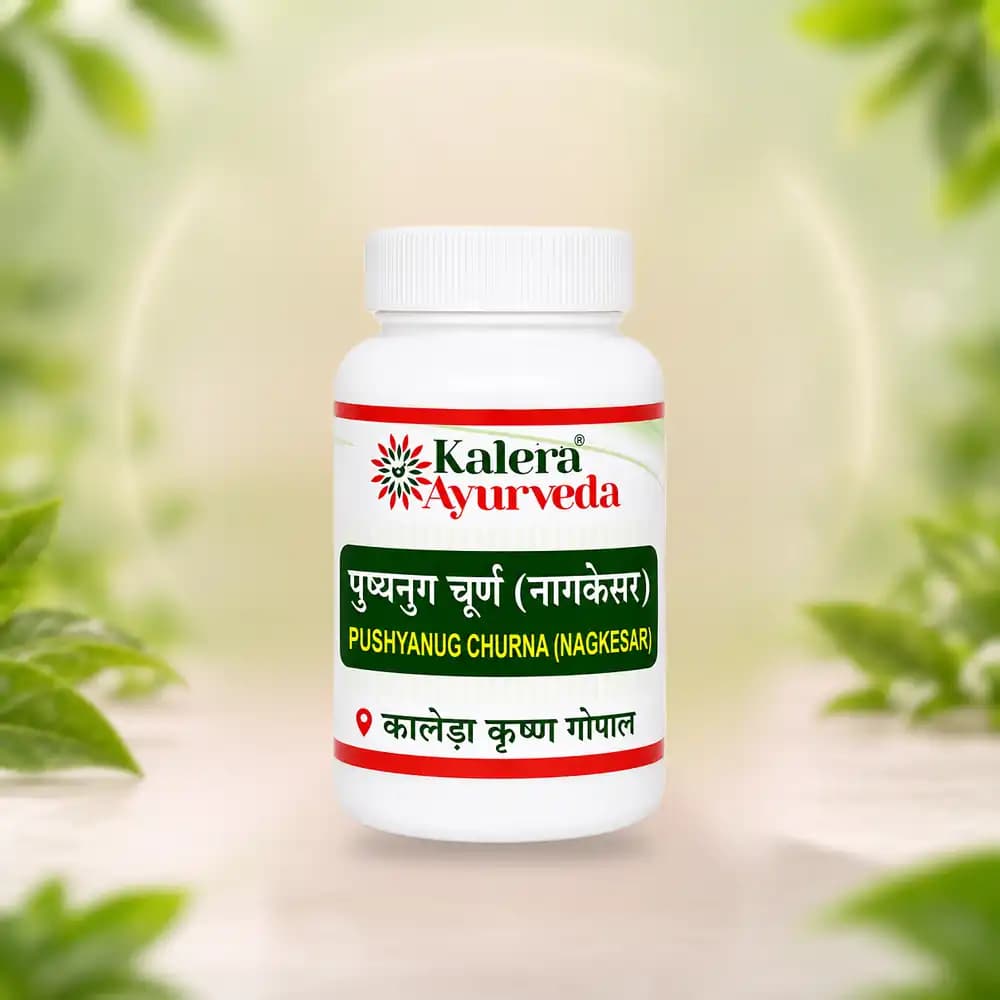
Pushyanug Churna (Nagkesar) (Kalera) Kalera
Menstrual disorders, leucorrhea
Container of 50 g
4.4
₹135Get ₹13 Cashback
 Prescribed to you4.5₹6 cashback
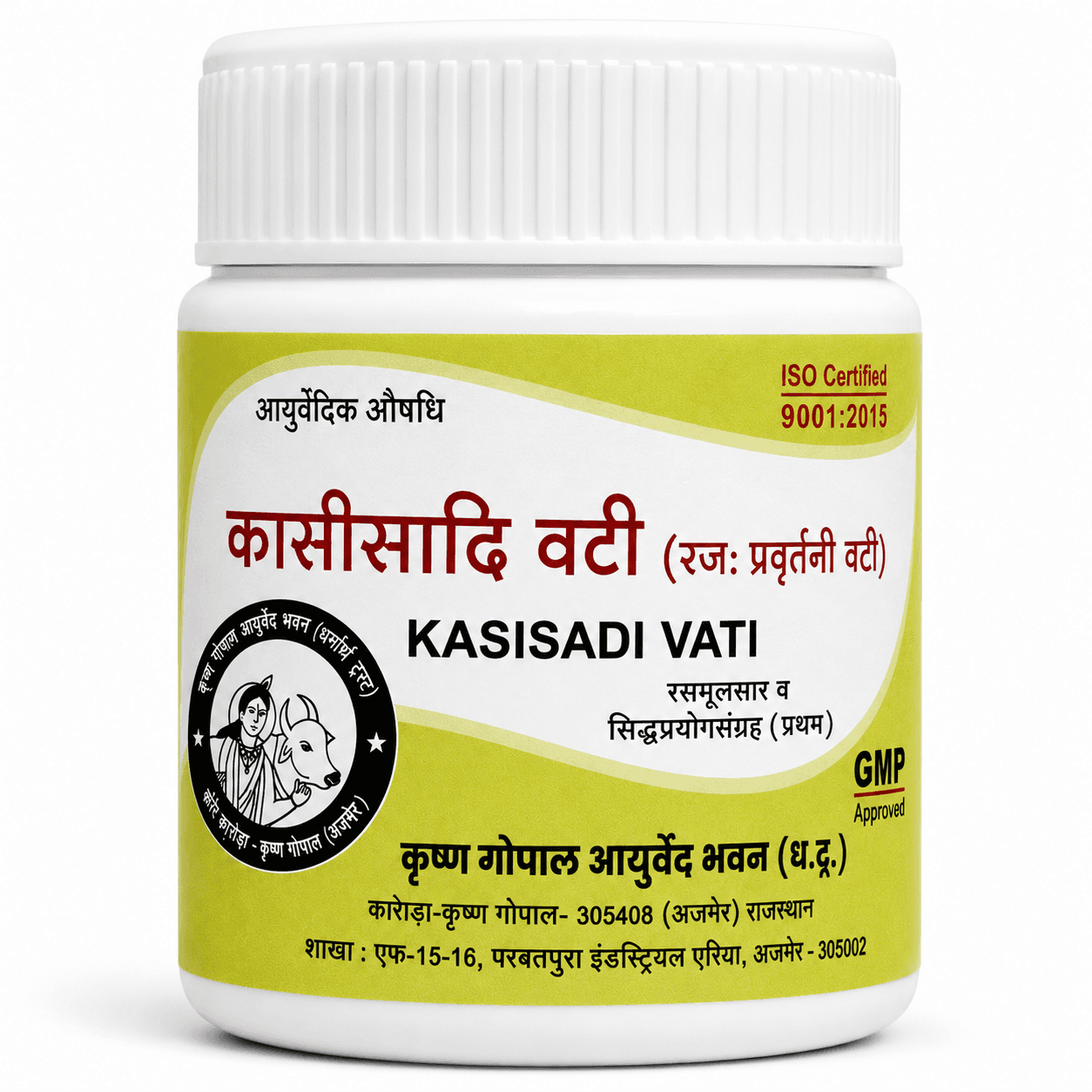
Kasisadi Vati (Pra.Vi.) / Rajah-pravartini Vati (Kalera)KaleraMenstrual regulator, emmenagogue
Strip of 30 Tablets
4.5
₹60Get ₹6 Cashback
 Prescribed to you4.5₹17 cashback
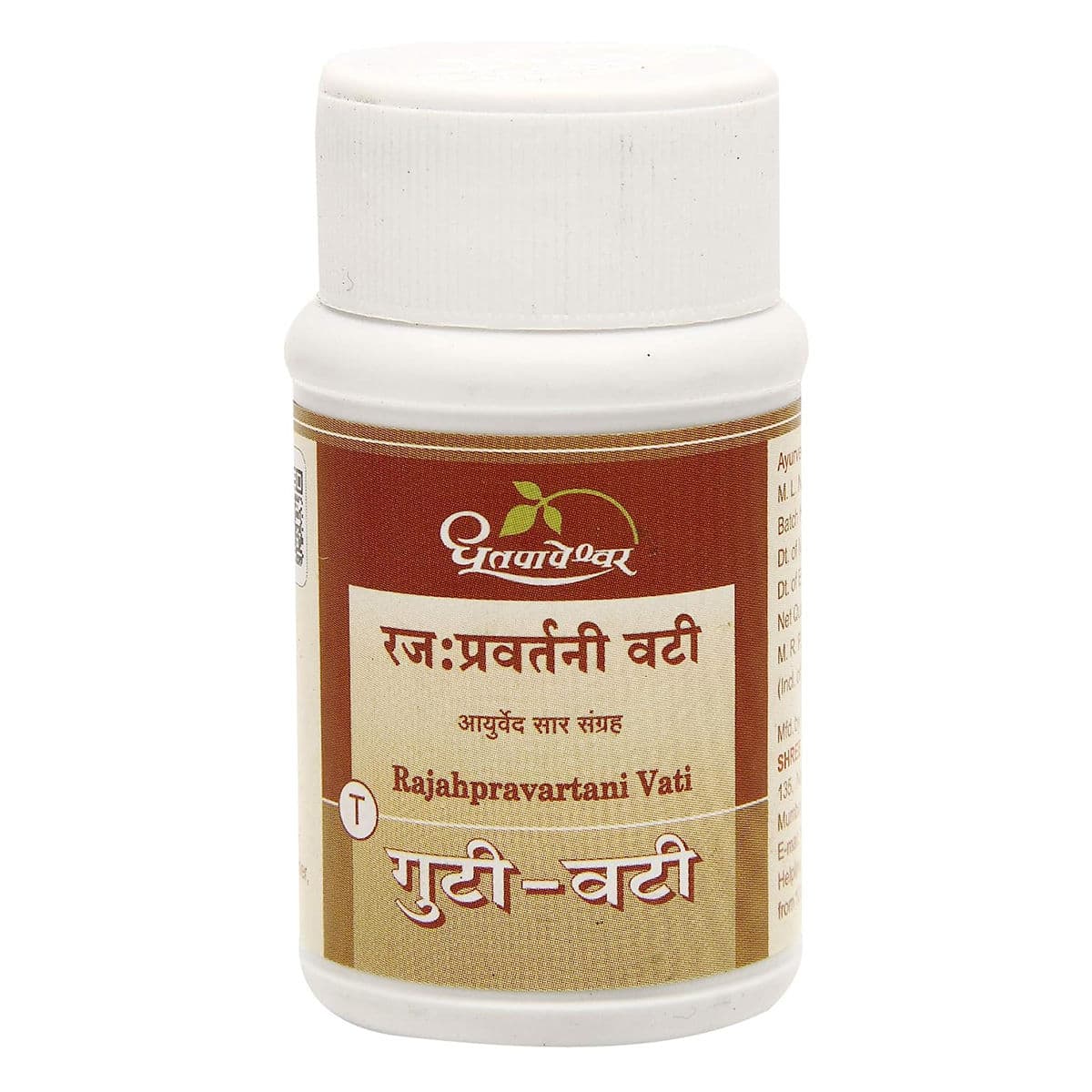
Rajahpravartani Vati (Dhootapapeshwar) SDL
SDLWomen’s reproductive health support
Strip of 60 Tablets
4.5
₹170Get ₹17 Cashback