
Weight Loss
Reviewed by medical experts · For informational purposes only
Introductory summary
Ayurveda addresses weight management through the dual concepts of Sthoulya or obesity and Karshya or emaciation. Obesity arises from excessive intake of heavy sweet foods and a sedentary lifestyle vitiating Kapha and fat tissue which blocks channels and shortens life,. Management utilizes Apatarpana or desaturation therapies particularly Langhana to induce lightness and Udwartana or dry powder massage to liquefy fat,. Clinical texts recommend diets based on barley and honey water alongside formulations containing Shilajit and Guggulu to scrape away excess adipose tissue,. Conversely pathological weight loss often stems from Vata aggravation or wasting conditions necessitating nourishing Bruhana therapies to restore bodily strength and stability,.
Weight Loss
In the Ayurvedic system of medicine, weight loss is the therapeutic goal for the condition known as Sthaulya (Obesity) or Medoroga (Disorder of Adipose Tissue). Ayurveda classifies extreme obesity as one of the "Eight Despicable Physical Conditions" (Ashta Nindita), stating that it is generally more dangerous and difficult to treat than extreme leanness. The management of weight involves a bio-purification and reduction therapy known as Langhana or Apatarpana, designed to reduce excessive fat (Medas) and Kapha dosha while restoring the balance of bodily tissues.
1. Definition
Sthaulya (Obesity) is defined as a metabolic disorder where there is an excessive accumulation of Medas (fat) and Mamsa (flesh), leading to pendulous buttocks, abdomen, and breasts. The treatment, Langhana, is defined as “whatever produces lightness in the body”.
2. Etymology & Conceptual Meaning
-
Literal Meaning: Sthaulya means grossness, bulkiness, or stoutness. Medoroga translates to “disease of fat.”
-
Conceptual Interpretation: Ayurveda considers Ati-sthaulya as one of the Ashta Nindita Purusha. It is viewed as a state where the body is nourished disproportionately; only the fat tissue grows while other tissues are deprived due to obstructed Srotas.
3. Causes (Nidana)
Dietary Causes
-
Over-saturation: Excessive intake of heavy, sweet, cold, and unctuous foods.
-
Specific Foods: Dairy products, meat of marshy animals, fresh grains, jaggery.
-
Eating Habits: Over-eating or eating before digestion (Ajirna).
Lifestyle Causes
-
Sedentary Lifestyle: Avyayama (lack of exercise).
-
Sleep: Excessive Divaswapna.
-
Psychological: Excessive cheerfulness (Harsha).
Genetic Factors
- Beeja Dosha: Congenital tendency to obesity.
4. Journey of the Disease (Samprapti)
-
Dushya: Medas.
-
Agni: Tikshnagni due to obstructed Vata.
-
Srotas: Blocked nutrient channels causing malnourishment of other Dhatus.
5. Symptoms (Lakshana)
Early Signs
-
Lassitude
-
Breathlessness on exertion
Advanced Symptoms – Eight Defects
- Ayus-hrasa
- Javoparodha
- Krichavyavaya
- Daurbalya
- Daurgandhya
- Svedabadha
- Kshut
- Pipasa
6. Classification (Bheda)
-
Sthoola
-
Ati-Sthoola
-
Medoroga
7. Diagnosis
-
Darshana
-
Angula-based anthropometry
-
Strength assessment
8. Disease Management
Diet (Ahara)
Lifestyle (Vihara)
-
Avoid Divaswapna
-
Mental engagement (Chinta)
Medicines
Panchakarma
-
Udvartana
9. Prognosis
-
Difficult to treat
-
Lean body considered healthier than obesity
-
Leads to Prameha, Hridroga, and sudden death
10. Modern Correlations
11. References
- Review of Classical Ayurvedic Formulations for Medoroga (Sthaulya) – Journal of Ayurveda and Holistic Medicine
Systematic review of herbs and formulations (e.g., Amalaki, Haritaki, Bibhitaki, Shunthi, Pippali, Guggulu) used in classical texts for Medoroga/Sthaulya. (jahm.co.in) - Efficacy of Medohar Arka in Sthaulya (Overweight) – Clinical Study – International Journal of Ayurvedic Medicine
Placebo‑controlled clinical study showing that Medohar Arka significantly improved BMI, waist‑hip ratio, and arm circumference in overweight subjects. (ijam.co.in) - Clinical Safety and Efficacy of Ayurvedic Multi‑Herbal Formulation in Obesity – PubMed
Demonstrates significant reductions in BMI, waist circumference, and serum cholesterol in patients treated with Ayurvedic formulations (e.g., vidanga churna, vyoshadi guggulu). (PubMed) - Clinical Profile of Sthaulya and Management with Amritadya Guggulu – International Journal of Ayurveda and Pharma Research
Examines Ayurvedic management of Sthaulya with Amritadya Guggulu, discussing its mode of action and relevance to obesity pathogenesis. (ijapr.in) - Integrated Ayurvedic Strategies for Obesity – AYUSHDHARA
Case report showing meaningful improvement in obese patient after combined Ayurveda oral medications, Udvartana, diet, and yoga. (Ayushdhara) - Comprehensive Ayurvedic Protocol for Sustainable Obesity Management – Journal of Ayurveda and Holistic Medicine
Case report applying Udvartana, Virechana, diet, yoga, and lifestyle modifications with positive outcomes. (jahm.co.in) - Ayurveda Understanding of Sthaulya (Obesity) – Ayurlog
Discusses etiopathogenesis, symptoms, and Ayurvedic view of obesity as a metabolic lifestyle disorder; useful for context on causative factors and complication risks. (ayurlog.com) - Obesity: An Ayurveda Perspective – Journal of Ayurveda and Integrated Medical Sciences
Review article addressing increasing obesity prevalence, Ayurvedic concept of Sthaulya/Medoroga, and relevance to modern health. (Jaims) - Impact of Ayurvedic Approaches on Obesity: Scientific Research Perspective – Journal of Ayurveda and Integrated Medical Sciences
Review on Ayurvedic etiological concepts in obesity and impact of lifestyle (diet, activity) on weight balance. (Jaims) - Understanding Swasthavritta to Combat Sthaulya / Obesity – Journal of Ayurveda and Integrated Medical Sciences
Highlights obesity as global health issue and Ayurvedic lifestyle strategies (Swasthavritta, diet, Vyayama) for prevention. (Jaims
12. FAQ Section
Q: Can I drink water to lose weight?
A: Ayurveda recommends Honey Water (Madhu udaka) or warm water. Drinking cold water can increase Kapha. Honey is described as having a "scraping" quality that helps reduce fat.
Q: Is sleeping during the day bad for weight loss?
A: Yes. Ayurveda explicitly states that day sleep (Divaswapna) increases Kapha and fat. Avoiding day sleep and even staying awake at night (Jagarana) is recommended for those trying to lose weight.
Q: Is massage good for weight loss?
A: A specific type of massage called Udvartana is recommended. This involves rubbing dry herbal powders (like Triphala or chickpea flour) against the direction of hair growth. It liquefies fat and firms the body.
Q: Why do I feel so hungry if I am overweight?
A: According to Charaka Samhita, in obesity, the Vata dosha gets obstructed in the abdomen and fans the digestive fire (Agni). This makes the digestion intense (Tikshnagni), causing rapid digestion of food and severe cravings, creating a vicious cycle.
Consult a Doctor
- AK4.8Dr. Amalnath K Viswanathan
Ayurveda4 yrs exp
- AI4.9Dr. Aayush Ishwar
Ayurveda2 yrs exp
- KJ4.6Dr Kruti Jaxesh Bhavsar
Ayurveda1 yrs exp
- MS4.2Midun s kumar
Ayurveda4 yrs exp
Buy Medicine
 Prescribed to you4.7₹61 cashback
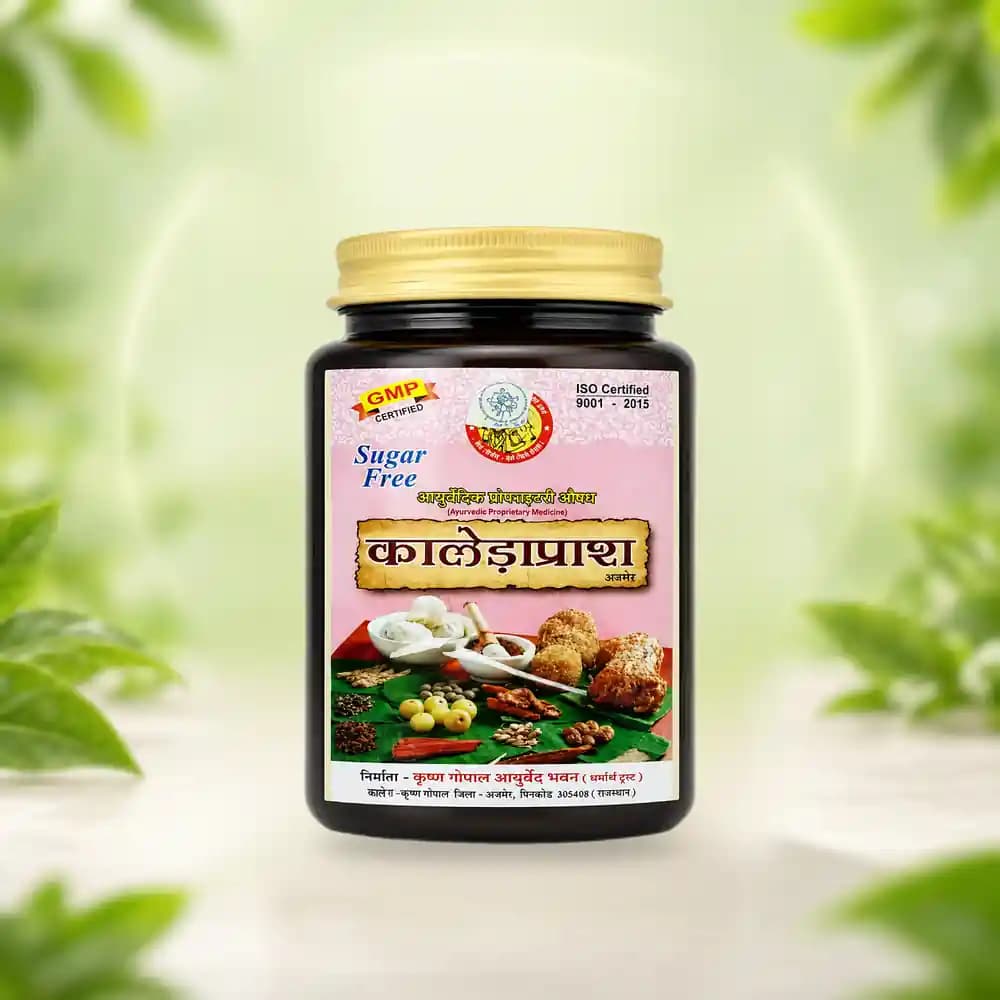
Kalerda Prash (Sugar Free) (Kalera) Kalera
Sugar-free immunity booster
Container of 500 g
4.7
₹610.01Get ₹61 Cashback
 Prescribed to you4.5₹260 cashback
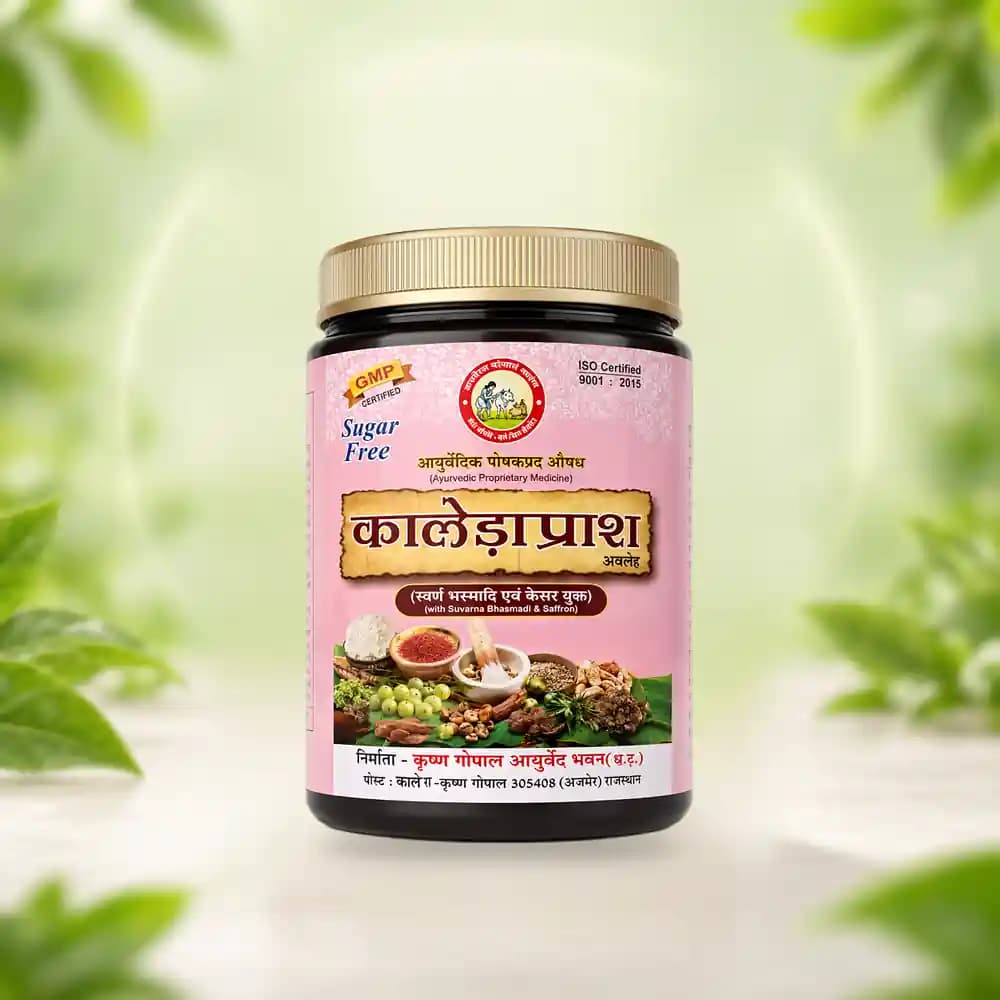
Kalerda Prash Sugar Free (with Suvarna Bhasmadi & Saffron) (Kalera)KaleraPremium gold immunity formula
Container of 500 g
4.5
₹2,600.03Get ₹260 Cashback
 Prescribed to you4.4₹20 cashback
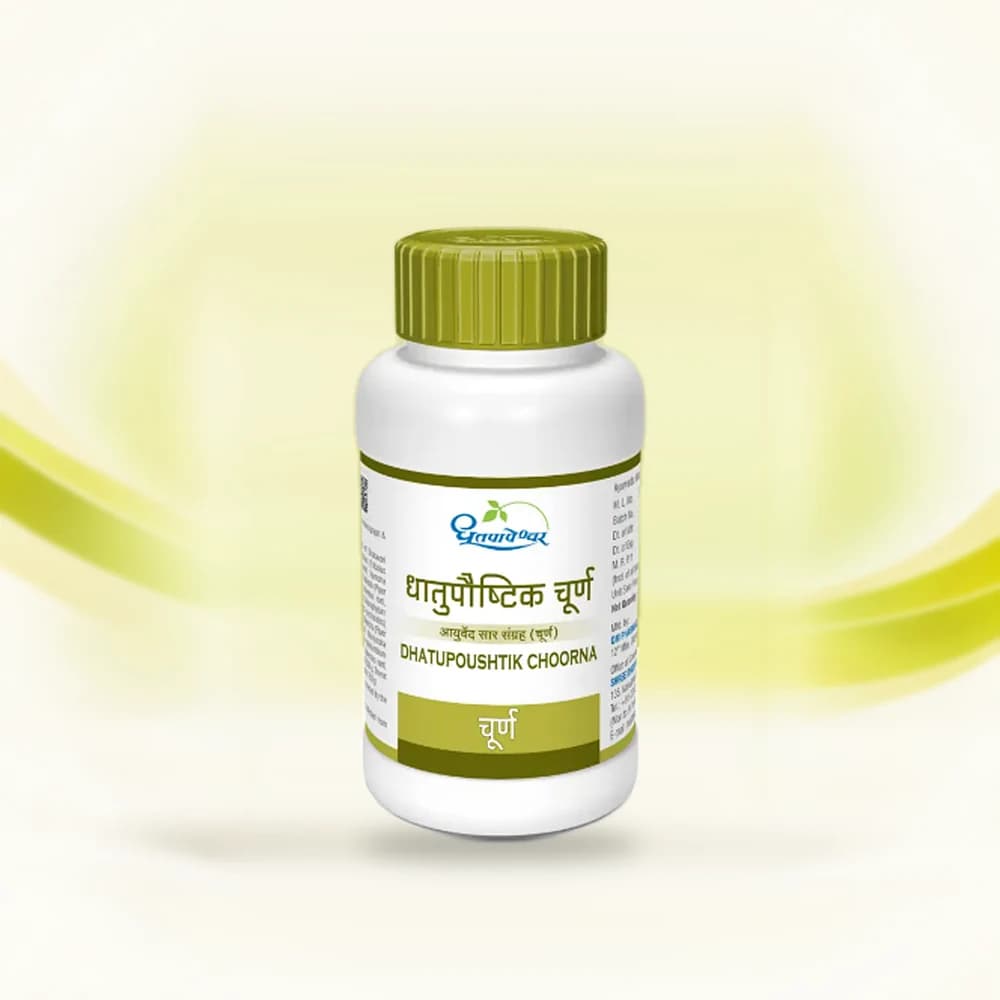
Dhatupoushtik Choorna (Dhootapapeshwar) SDL
SDLSupports tissue nourishment
Container of 60 g
4.4
₹204Get ₹20 Cashback

