Obesity
Reviewed by medical experts · For informational purposes only
Introductory summary
Obesity termed Sthaulya or Medoroga in Ayurveda is classified as one of the eight despicable conditions. It results from the excessive accumulation of Medas or fat tissue which obstructs bodily channels and prevents the nourishment of other tissues. Causes include a sedentary lifestyle sleeping during the day and consuming heavy sweet or cold foods. This blockage intensifies the digestive fire causing insatiable hunger and thirst. Symptoms include a pendulous abdomen excessive sweating foul body odor and debility. Ayurvedic management focuses on Apatarpana or desaturation therapy. Treatments include Udvartana a dry herbal massage to liquefy fat and internal remedies using Guggulu Vidanga and Shilajit. A diet consisting of barley honey water and mung beans is strictly recommended to reduce bulk.
Obesity
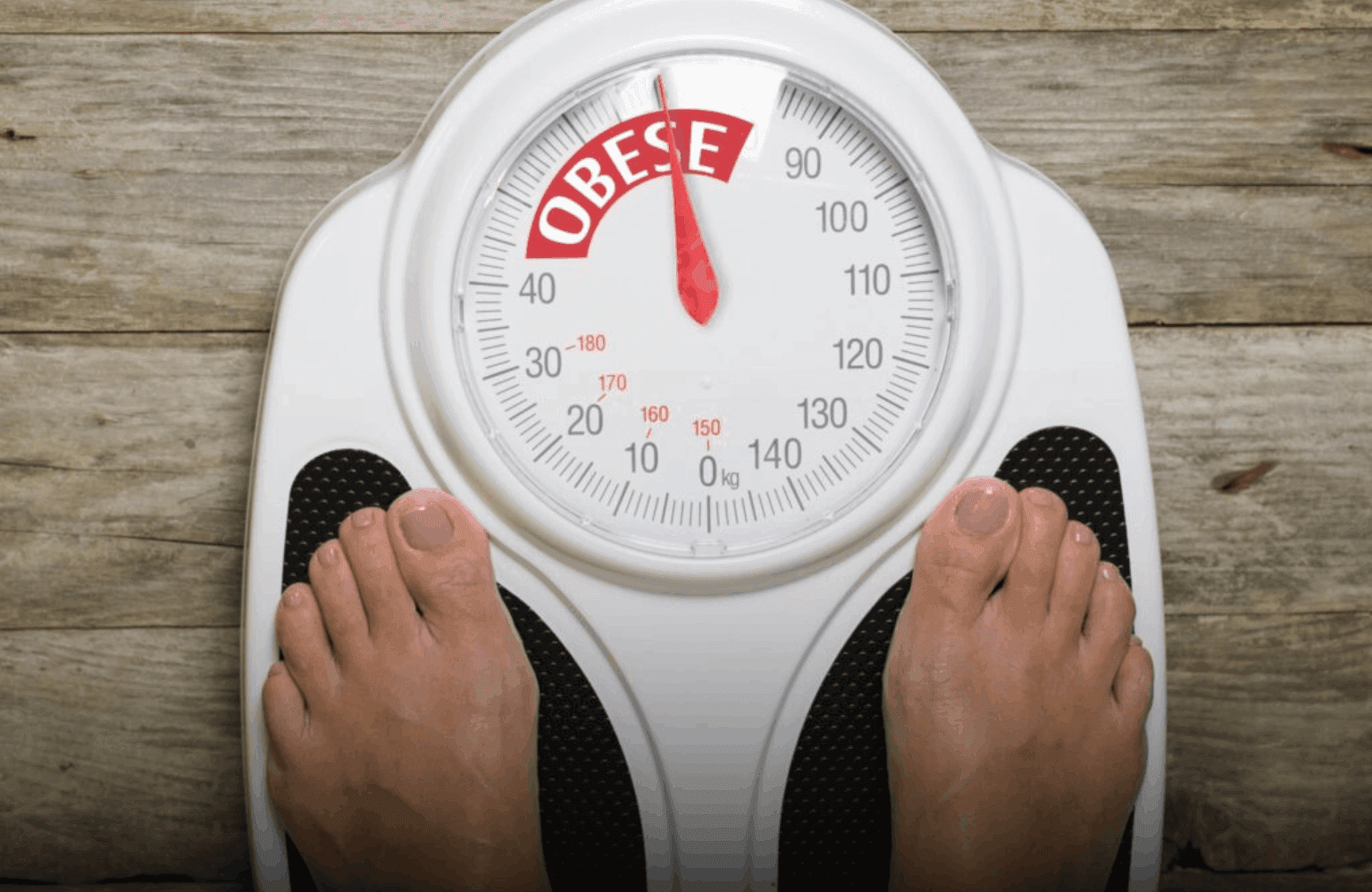
Obesity is a medical condition characterized by the excessive accumulation of body fat that presents a risk to health. In Ayurveda, this condition is known as Sthaulya or Medoroga (disease of the fat tissue). It is classified as one of the Ashta Nindita in the Charaka Samhita, indicating that it is socially and medically viewed as a disadvantageous physical state. It is considered a disease of Santarpana (over-saturation/over-nutrition), where the body becomes gross and heavy due to the excessive growth of fat (Medas) and muscle (Mamsa), while other tissues remain undernourished.
1. Definition
Modern Definition: Obesity is defined as abnormal or excessive fat accumulation that impairs health
(WHO Obesity Definition).
Ayurvedic Definition: A person is defined as Atisthula (over-obese) if, due to the excessive increase of fat and muscles, they exhibit pendulous buttocks, abdomen, and breasts, and suffer from deficient metabolism and energy. It is a state where only the fat tissue increases, while the other bodily tissues (Dhatus) do not thrive.
2. Etymology & Conceptual Meaning
- Sthaulya: Derived from the word Sthula, meaning gross, big, or bulky
- Medoroga: Compound of Medas (Fat) and Roga (Disease)
Conceptual Interpretation: Ayurveda views obesity not just as a cosmetic issue but as a metabolic disorder. The concept involves an obstruction in the Medovaha Srotas (channels carrying fat). Because of this obstruction, the nutrient juices produced from food do not nourish the subsequent tissues but are entirely converted into fat.
3. Causes (Nidana)
Dietary Causes
- Atisampurana – Excessive food intake
- Guru-Madhura-Sheeta-Snigdha Ahara
- Dairy products, jaggery, flour preparations, marshy and aquatic meats
- Adhyashana – Eating before digestion
Lifestyle Causes
- Avyayama – Lack of exercise
- Divaswapna – Day sleep
- Avyavaya – Abstinence from sexual activity
- Sukha-Shayya-Asana – Excess comfort
Psychological Factors
- Harsha Nityatvat and Achintana
Genetic Factors
- Bijadosha – Hereditary defect
4. Journey of the Disease (Samprapti)
- Dosha: Kapha and Vata
- Dushya: Medas
- Agni: Jatharagni becomes Tikshna
- Srotas: Medovaha Srotas
This vicious cycle closely resembles metabolic dysregulation described in modern research.
5. Symptoms (Lakshana – Ashta Dosha)
- Ayushehrasa – Reduced lifespan
- Javoparodha – Sluggish movement
- Kricchravyavayata – Sexual difficulty
- Daurbalya – Weakness
- Daurgandhya – Foul odor
- Svedabadha – Excess sweating
- Atikshut – Excess hunger
- Pipasa Atiyoga – Excess thirst
6. Classification (Bheda)
• Sthaulya/Atisthula: Generalized obesity.
• Medoroga: Specific disease of fat metabolism.
• Classification by Prognosis: It is generally considered a Krichra (difficult) or Yapya (manageable) condition. The text explicitly states that "the lean person is better off... the obese person is more afflicted if some disease arises".
7. Diagnosis
• Ayurvedic Diagnosis (Roga Pariksha):
◦ Darshana (Observation): Visible pendulous abdomen and buttocks.
◦ Sparshana (Touch): Excessive sweating and moist skin.
◦ Prashna (Questioning): History of voracious appetite, intolerance to heat, and sedentary habits.
• Differential Diagnosis:
◦ Udara Roga: Abdominal enlargement (ascites/enlargement) which is a disease of the belly, distinct from generalized obesity.
8. Disease Management
Apatarpana & Lekhana
Diet (Ahara)
Lifestyle (Vihara)
- Vyayama
- Jagarana
- Vyavaya
Medicines
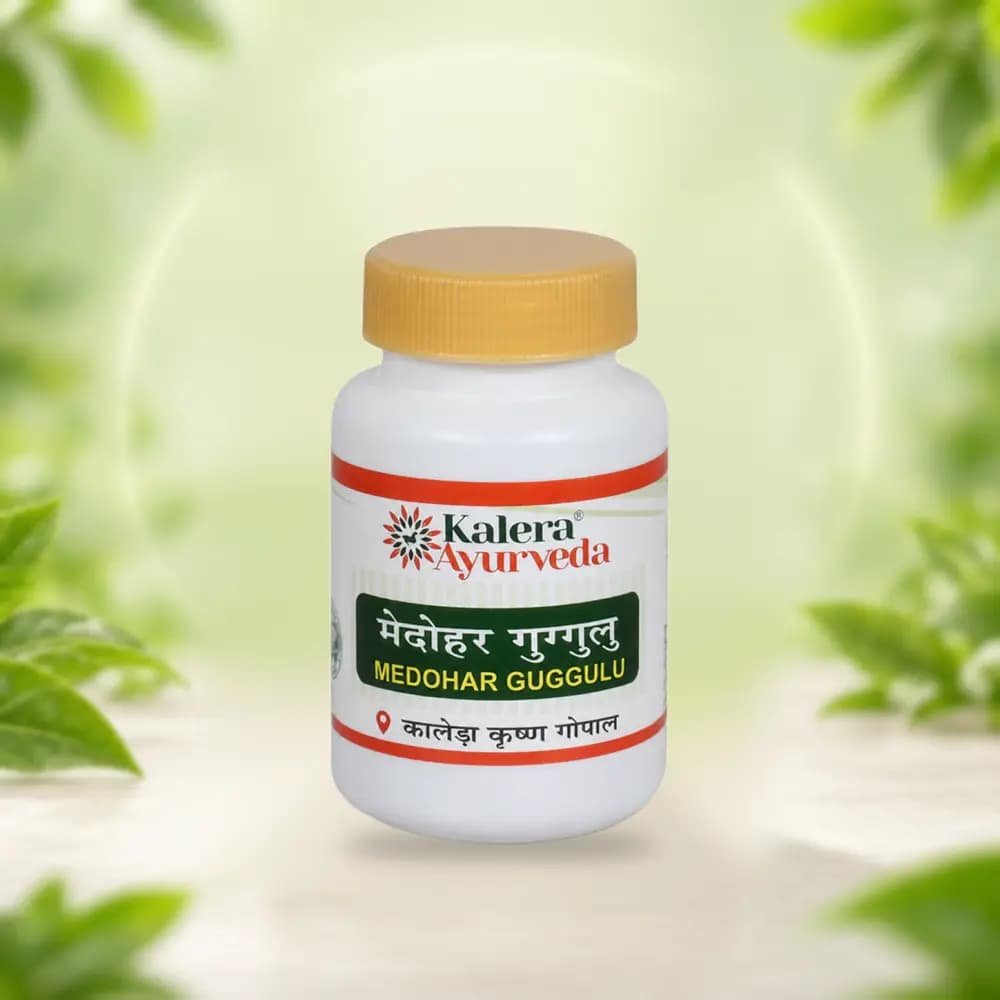
- Navaka Guggulu
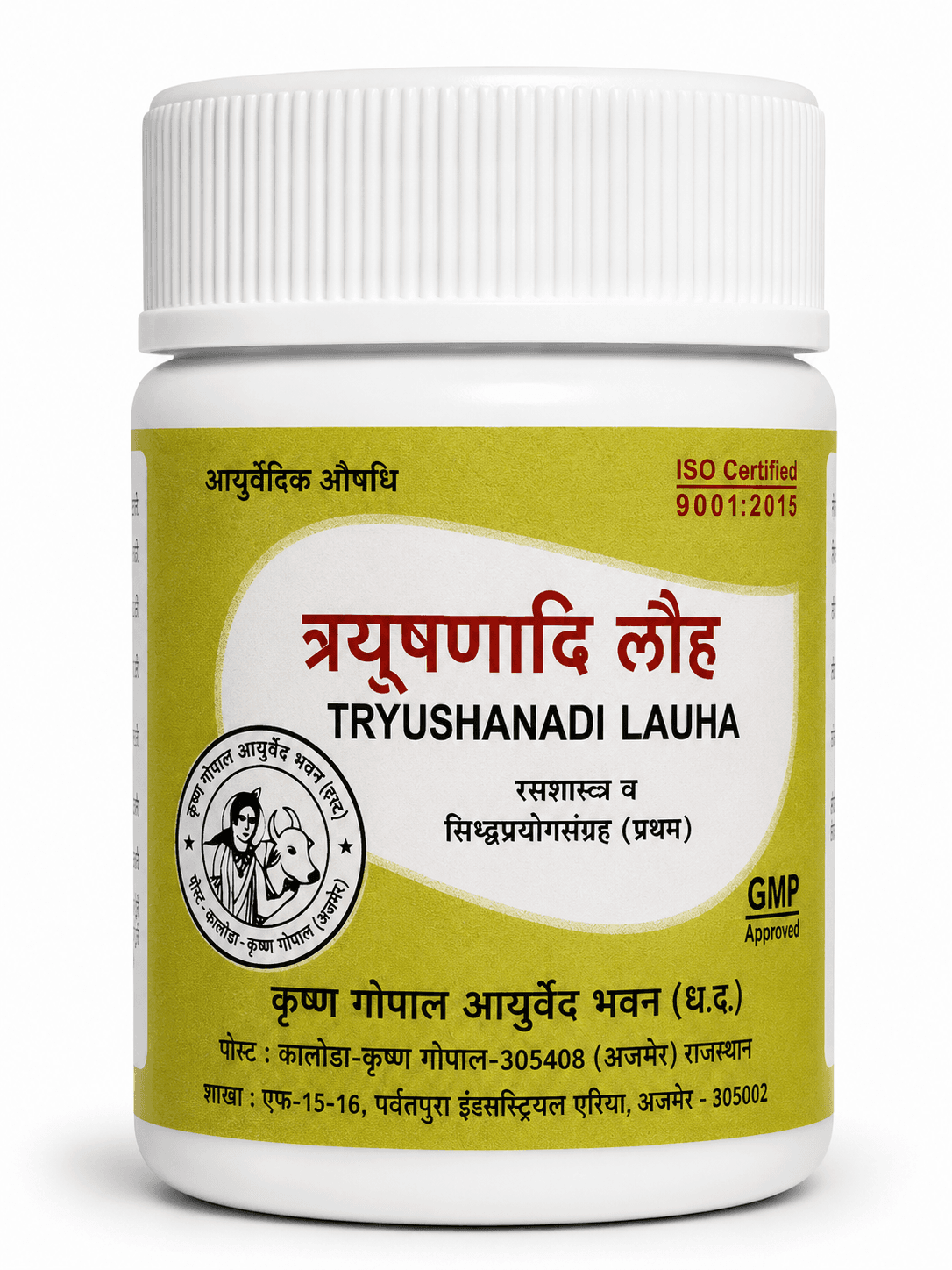
- Loha Rasayana
- Shilajatu
- Amritadi Guggulu
Panchakarma
- Udvartana
- Lekhana Basti
- Vamana / Virechana
9. Prognosis
• Critical: Obesity is considered harder to cure than leanness. The combination of aggravated Vata and intense Agni can "burn" the patient from the inside if food is withheld, yet eating increases fat.
• Complications: If untreated, it leads to Prameha (Diabetes), Pidaka (Carbuncles/Boils), Jwara (Fever), Bhagandara (Fistula), and heart diseases. Sudden death is a known risk due to the sudden aggravation of Doshas.
10. Modern Correlations
• Metabolic Syndrome: The Ayurvedic description of Medoroga (involving abdominal obesity, thirst, and sweat) parallels Metabolic Syndrome.
• Hyperlipidemia: The blockage of channels by Medas (fat) correlates with atherosclerosis or high cholesterol levels.
• Diabetes (Prameha): Ayurveda explicitly links obesity as a precursor and cause of Prameha (Diabetes).
• Similarities: Both systems agree that obesity reduces life expectancy and is caused by a caloric surplus (over-saturation) and sedentary behavior.
11. References
-
Mayo Clinic – Obesity: Symptoms & Causes
Comprehensive overview of what obesity is, how excess weight develops, causes (calorie imbalance, genetics, lifestyle) and risk factors.
https://www.mayoclinic.org/symptoms-causes/syc-20375742 (Mayo Clinic)
-
NHLBI – Overweight and Obesity Causes (NIH)
Official U.S. National Heart, Lung, and Blood Institute page on causes — including inactivity, diet, stress, genetics, and health conditions that influence weight gain.
https://www.nhlbi.nih.gov/health/overweight-and-obesity/causes (NHLBI, NIH)
-
मोटापा – कारण, लक्षण, निदान, उपचार (Medicover Hospitals Hindi)
Hindi medical article explaining causes (e.g., excess calories + inactivity), risk factors (PCOS, hormones, sleep, genetics), and when to seek help.
https://www.medicoverhospitals.in/hi/diseases/obesity/ (Medicover Hospitals)
-
NDTV Health Hindi – मोटापा: कौन मोटा माना जाता है और उपाय
Hindi health explanation on obesity, body mass index (BMI), why someone is considered obese, and how to lose weight effectively after diet and exercise.
https://ndtv.in/health/new-guidelines-issued-regarding-obesity-know-when-someone-is-considered-obese-what-is-the-way-to-lose-weight-after-diet-and-exercise-6102637 (NDTV India)
-
MSD Manual (Hindi) – मोटापा / पोषण संबंधी विकार
Consumer-oriented medical manual in Hindi explaining obesity as a chronic nutrition-related disorder and global prevalence trends.
https://www.msdmanuals.com/hi-in/home/disorders-of-nutrition/obesity-and-the-metabolic-syndrome/obesity (MSD Manuals)
12. FAQ Section
Q: Can I drink water if I am trying to lose weight with Ayurveda?
A: You should avoid cold water. Honey water (room temperature water with honey) is highly recommended as a drink to help scrape fat. Warm water is also beneficial for digestion.
Q: Is sleeping during the day really that bad for weight?
A: Yes. Ayurveda strictly prohibits Divaswapna (day sleep) for obese individuals because it increases Kapha and fat naturally, slowing down metabolism.
Q: Why does Ayurveda recommend barley (Yava) for weight loss?
A: Barley is considered Ruksha (dry) and Lekhana (scraping). It provides nutrition without increasing body bulk (Medas), making it the ideal staple food for obesity.
Q: What is Udvartana?
A: Udvartana is a therapeutic massage using dry herbal powders. Unlike oil massage, which is nourishing, Udvartana creates friction that liquefies fat (Medas), reduces Kapha, and firms up the body parts.
Consult a Doctor
- NG5.0Dr Nandini gaur
Ayurveda1 yrs exp
- AG4.5Dr Anshuman Gupta
Ayurveda8 yrs exp
- BY4.3Bapodara yash kanabhai
Ayurveda3 yrs exp
- VR4.2Vaidya Rohit Kumar
Ayurveda3 yrs exp