Fistula
Reviewed by medical experts · For informational purposes only
Introductory summary
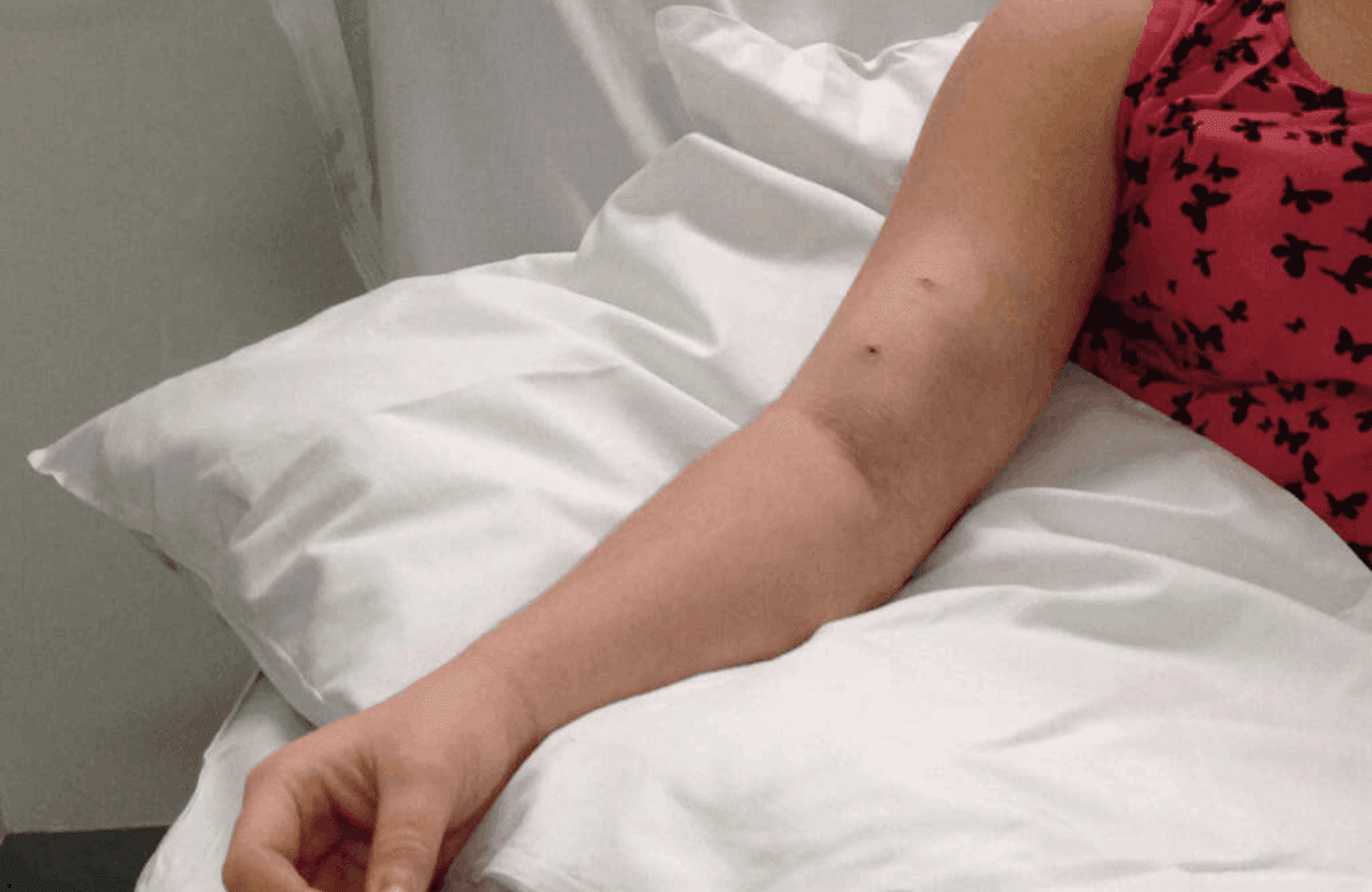
Fistula-in-ano corresponds to the Ayurvedic condition Bhagandara characterized by a deep-rooted pustule or track in the anal region. It is classified as one of the eight great diseases or Mahagada due to its difficulty in treatment and high recurrence. The condition arises from vitiated Doshas damaging the flesh and blood often triggered by factors like constipation trauma or unwholesome diet. It manifests as severe tearing pain and discharge of pus or blood. Management primarily involves surgical or para-surgical interventions like Kshara Sutra a medicated thread therapy known for preventing recurrence. Internal medicines such as Saptavimshatika Guggulu and Triphala Guggulu along with external applications like Jatyadi Taila and Sitz baths or Avagaha Sweda are prescribed to promote healing and reduce inflammation.
Fistula-in-Ano
Fistula-in-ano is a chronic abnormal communication between the epithelial surface of the anal canal and the perianal skin. In Ayurveda, this condition is known as Bhagandara. It is classified as one of the Ashta Mahagada (Eight Great Diseases) due to its difficulty in treatment and high rate of recurrence. It typically begins as a boil or abscess (Pidaka) near the anus which, if neglected, bursts to form a discharging track.
1. Definition
Modern Definition: An anal fistula is a small tunnel that develops between the end of the bowel and the skin near the anus, usually the result of an infection near the anus causing an abscess (pus collection) in the nearby tissue.
Ayurvedic Definition: Bhagandara is a disease characterized by a deep-rooted pustule (Pidaka) or track within two fingers' breadth of the anal opening. It causes tearing or splitting pain in the perineum and is characterized by the discharge of pus, blood, and sometimes feces or urine through the opening [Madhava Nidana, Chakradatta].
2. Etymology & Conceptual Meaning
- Literal Meaning: The word Bhagandara is a compound of two words: Bhaga (perineum, pelvis, or vulva) and Darana (tearing, splitting, or destroying).
- Conceptual Interpretation: It is defined as a disease that "tears" or destroys the region of the Bhaga (perineum), Guda (anus), and Basti (bladder) causing severe pain and structural damage [Madhava Nidana].
3. Causes (Nidana)
Ayurvedic texts attribute the formation of fistula to lifestyle errors that vitiate the Doshas and damage the anal region.
- Dietary Causes:
- Excessive consumption of Kashaya (astringent) and Ruksha (dry) foods (aggravates Vata).
- Intake of Vidahi (burning/corrosive) foods and excessive meat [Madhava Nidana].
- Apathya Sevana: Eating unwholesome foods leads to constipation and accumulation of toxins.
- Lifestyle Causes:
- Atimaithuna: Excessive sexual indulgence.
- Pravahana: Excessive straining during defecation.
- Utkatasana: Sitting in squatting or uncomfortable positions for long periods.
- Ashvarohana: Horse riding (or modern equivalents like excessive cycling/biking) causing trauma to the perineum.
- Traumatic Causes (Agantuja):
- Injury to the anal region by foreign bodies like bone splinters (Asthi), thorns, or rubbing [Madhava Nidana].
4. Journey of the Disease (Pathogenesis/Samprapti)
- Samprapti Ghataka (Components):
- Dosha: Tridosha (Vata, Pitta, Kapha).
- Dushya (Tissues): Mamsa (Flesh/Muscle), Rakta (Blood), Meda (Fat), and Twak (Skin).
- Adhisthana (Site): Guda (Anus) and the perianal region (within two Angulas/fingers).
- Pathogenesis:
- Due to causative factors (like straining or bad diet), the Doshas get aggravated.
- They settle in the Guda (rectum/anus).
- They vitiate the Mamsa and Rakta, creating a Pidaka (boil/abscess) deep near the anus.
- If this boil is not treated (or "ripened" and drained properly), it suppurates and bursts.
- The pus finds a path inwards or outwards, creating a track or ulcer (Nadi Vrana) known as Bhagandara [Madhava Nidana, Chakradatta].
5. Symptoms (Lakshana)
- Early Symptoms (Purvarupa):
- Advanced Symptoms:
6. Classification (Bheda)
Madhava Nidana classifies Bhagandara into five primary types:
- Shataponaka (Vataja): Caused by Vata. Characterized by many minute openings (like a sieve), frothy discharge, and intense splitting pain (Toda).
- Ushtragriva (Pittaja): Caused by Pitta. Resembles a camel's neck (red and raised). Associated with burning sensation, fever, and rapid suppuration.
- Parisravi (Kaphaja): Caused by Kapha. Characterized by a hard, pale swelling, itching (Kandu), and thick, white discharge. It develops slowly.
- Shambukavarta (Tridoshaja): Caused by all three Doshas. The track spirals like the shell of a snail (Shambuka). It causes severe pain of various types.
- Unmargi (Agantuja/Kshataja): Caused by external trauma (ingested bone pieces, thorns). It involves decay of tissues and severe worms (Krimi).
7. Diagnosis
- Ayurvedic Diagnosis:
- Darshana (Observation): Inspecting the perianal area for the color and shape of the boil (e.g., reddish vs. pale) and the number of openings.
- Prashna (History): Asking about history of trauma, constipation, and nature of pain.
- Sparshana (Touch): Palpating for hardness and discharge.
- Differential Diagnosis:
- Distinguished from Guda Vidradhi (Anal Abscess) which is the stage before the formation of the track.
- Distinguished from Raktarsha (Bleeding Piles) which involves fleshy masses rather than a track.
8. Disease Management
Management involves Shodhana (purification), Vrana Ropana (healing ulcers), and surgical intervention (Shastra Karma).
Diet (Ahara)
- Pathya (Beneficial): Light foods, green gram, old rice, and vegetables that prevent constipation (like Patola).
- Apathya (Avoid): Heavy, spicy, fried foods, and meat that aggravate the Doshas or cause constipation.
Lifestyle (Vihara)
- Avoid horse riding, long sitting, and straining at stool.
- Avagaha Sweda: Sitz bath (sitting in warm medicated water) is highly recommended to relieve pain and cleanse the area [Practical Handbook of Panchakarma].
Medicines
- Guggulu Preparations:
- Saptavimshatika Guggulu: Specifically indicated for Bhagandara, fistula, and wounds. It reduces infection and inflammation [AFI, Chakradatta].
- Triphala Guggulu: Used for cleaning and healing deep-seated wounds and fistulas [AFI, Chakradatta].
- Navakarshika Guggulu: Useful for inflammatory conditions.
- Oils and Ghees:
- Jatyadi Taila/Ghrita: Applied externally to heal non-healing wounds (Dushta Vrana) and fistulas [AFI].
- Vishyanandana Taila: Specific oil mentioned in Chakradatta for curing fistula.
- Alkalis (Kshara):
- Kshara Sutra: A medicated alkaline thread used to cut through the fistula track gradually while healing it. This is a para-surgical procedure highlighted in texts like Chakradatta.
Panchakarma
- Virechana (Purgation): To clear Pitta and relieve constipation.
- Raktamokshana (Bloodletting): Indicated in the early stage of the boil (Pidaka) to prevent suppuration.
- Vamana (Emesis): In cases of severe Kapha accumulation (rarely used for local anal disease).
9. Prognosis
- Krichrasadhya (Difficult to Cure): Bhagandara is generally considered difficult to treat.
- Asadhya (Incurable):
- Shambukavarta (Tridoshaja) is often termed incurable or extremely difficult.
- Unmargi (Traumatic) is also difficult if deep tissues are damaged.
- If there is discharge of flatus (gas), urine, or feces through the fistula opening, or if worms appear, the prognosis is considered poor (often fatal in ancient contexts) [Madhava Nidana].
10. Modern Correlations
- Fistula-in-Ano: The description of the track and discharge correlates perfectly.
- Pilonidal Sinus: Some descriptions of tracks with hair or foreign bodies (Agantuja) may correlate.
- Anal Abscess: Correlates with the Pidaka stage described in Madhava Nidana.
11. References
-
World Health Organization (WHO) – Surgical care and fistula management
https://www.who.int/teams/integrated-health-services/surgical-care
-
Mayo Clinic – Anal fistula
https://www.mayoclinic.org/diseases-conditions/anal-fistula
-
StatPearls (NCBI Bookshelf) – Fistula-in-Ano
https://www.ncbi.nlm.nih.gov/books/NBK557713/
-
National Health Portal of India – फिस्टुला (नालव्रण)
https://www.nhp.gov.in/disease/digestive/fistula
-
Ministry of Health & Family Welfare, Government of India – शल्य चिकित्सा एवं गुदा रोग
https://www.mohfw.gov.in/
-
WHO India – सर्जिकल एवं मातृ स्वास्थ्य (फिस्टुला)
https://www.who.int/india
12. FAQ Section
Q: What is the best Ayurvedic treatment for Fistula?
A: Kshara Sutra (medicated thread therapy) is considered the gold standard in Ayurveda. It involves threading a medicated string through the fistula tract, which cuts and heals the tract simultaneously. It prevents recurrence effectively.
Q: Can medicine alone cure Bhagandara?
A: In very early stages (boil stage), medicines like Saptavimshatika Guggulu and bloodletting may prevent the formation of the track. However, once the track (fistula) is formed, mechanical intervention (like Kshara Sutra or surgery) is usually required alongside medicines.
Q: What foods should be avoided?
A: Avoid foods that cause constipation or acidity, such as spicy foods, deep-fried items, and heavy meats. Constipation aggravates the condition by increasing pressure on the anal region.
Q: What is a Sitz bath?
A: Known as Avagaha Sweda in Ayurveda, it involves sitting in a tub of warm water mixed with decoctions of healing herbs like Triphala or Dashamula. It helps reduce pain, swelling, and infection in the anal area.
Q: Why is Fistula considered a "Great Disease" (Mahagada) in Ayurveda?
A: It is classified as such because it is situated in a vital area (Marma - the anus), it is very painful, it has deep roots, and it has a high tendency to recur even after treatment.
Consult a Doctor
- NG5.0Dr Nandini gaur
Ayurveda1 yrs exp
- AG4.5Dr Anshuman Gupta
Ayurveda8 yrs exp
- BY4.3Bapodara yash kanabhai
Ayurveda3 yrs exp
- VR4.2Vaidya Rohit Kumar
Ayurveda3 yrs exp
Buy Medicine
Prescribed to you4.7₹23 cashback
Saptavimshatika Guggul (Dhootapapeshwar) SDL
SDLत्वचा और पारंपरिक उपयोग
Strip of 60 Tablets
4.7
₹238Get ₹23 Cashback
 Prescribed to you4.7₹18 cashback
Kravyad Ras (Brihad) (Kalera) Kalera
Spleen disorders, digestion
Strip of 15 Tablets
4.7
₹185Get ₹18 Cashback